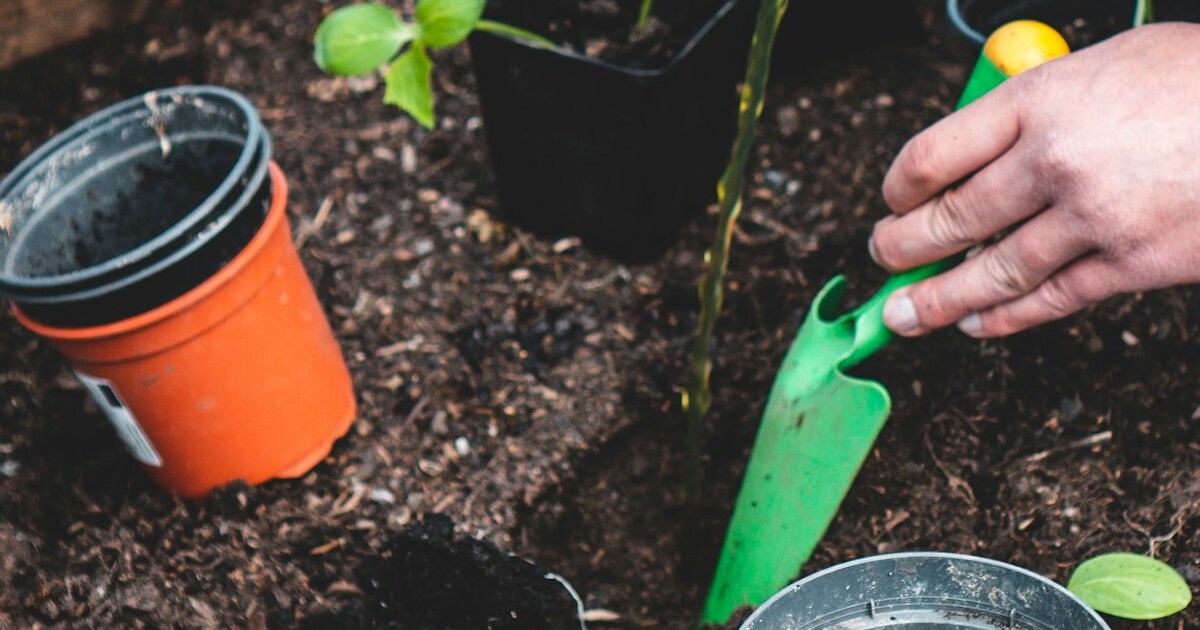

September is a pivotal month in the garden, where the lingering warmth of summer meets the first hints of autumn’s chill. It’s a time when late-season crops can either thrive or begin to dwindle, depending on the care they receive. I know how disappointing it can be to see your crops fizzle out just when you were hoping for a final burst of harvest! But with the right strategies, you can extend your garden’s productivity and enjoy a bountiful harvest well into the fall. Whether you’re growing vegetables, herbs, or late-blooming flowers, September offers a unique opportunity to maximize what’s left of the growing season.
In this article, I’m excited to share some key tips that will help you get the most out of your late-season crops. From adjusting your watering routine to protecting your plants from cooler temperatures, these practices will keep your garden productive and thriving as summer transitions into fall. Let’s explore these essential September gardening tips that will ensure your garden remains a source of fresh, delicious produce and vibrant blooms!
Watering Wisely as the Weather Cools
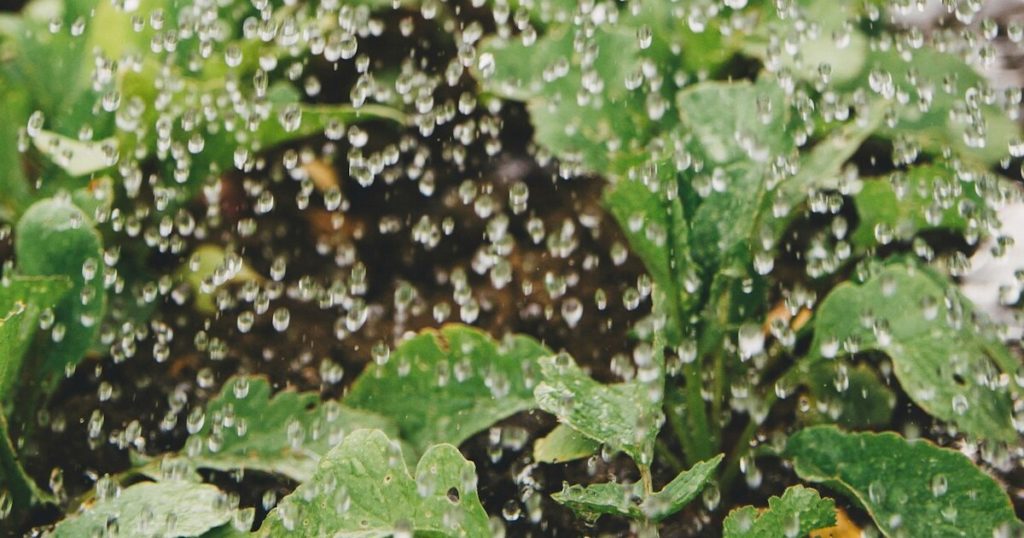
As September arrives and temperatures begin to drop, the watering needs of your garden will change. While the heat of summer demanded frequent watering, the cooler weather of early fall means your plants will require less water. However, it’s crucial to maintain consistent moisture levels to support the final stages of crop development. I’ve found that deep, infrequent watering works best during this time, helping plants develop strong roots and preventing issues like splitting in vegetables such as tomatoes.
To water wisely, aim to water in the morning, allowing the foliage to dry out before nightfall. This reduces the risk of fungal diseases, which can be more prevalent in cooler, damp conditions. If you’ve mulched your garden, you’ll likely need to water even less, as mulch helps retain soil moisture. For container plants, be sure to monitor them closely, as they can still dry out faster than those in the ground. By adjusting your watering routine in September, you’ll help your late-season crops reach their full potential.
Harvesting Frequently to Encourage Production
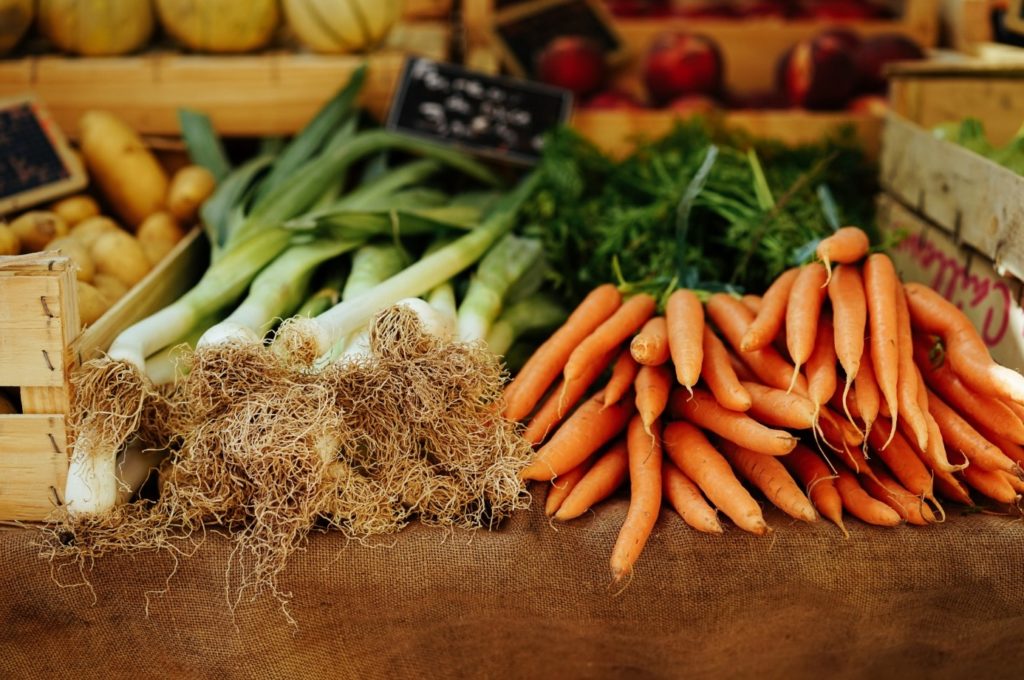
One of the best ways to keep your garden producing into the fall is by harvesting frequently. Many late-season crops, like beans, peppers, and squash, will continue to produce as long as you keep picking them. Regular harvesting not only prevents the plants from slowing down but also encourages them to set more flowers and fruits. I know it’s tempting to let those vegetables grow just a bit longer, but picking them at the right time will actually lead to a more abundant harvest.
When harvesting, make sure to pick vegetables when they are fully ripe but before they start to decline in quality. For example, beans are best picked when they are tender and snap easily, while peppers should be harvested when they reach their full color. This practice not only maximizes your yield but also improves the overall quality of your produce. By staying on top of your harvest, you’ll keep your plants vigorous and productive, ensuring a steady supply of fresh vegetables throughout September.
Using Row Covers for Frost Protection
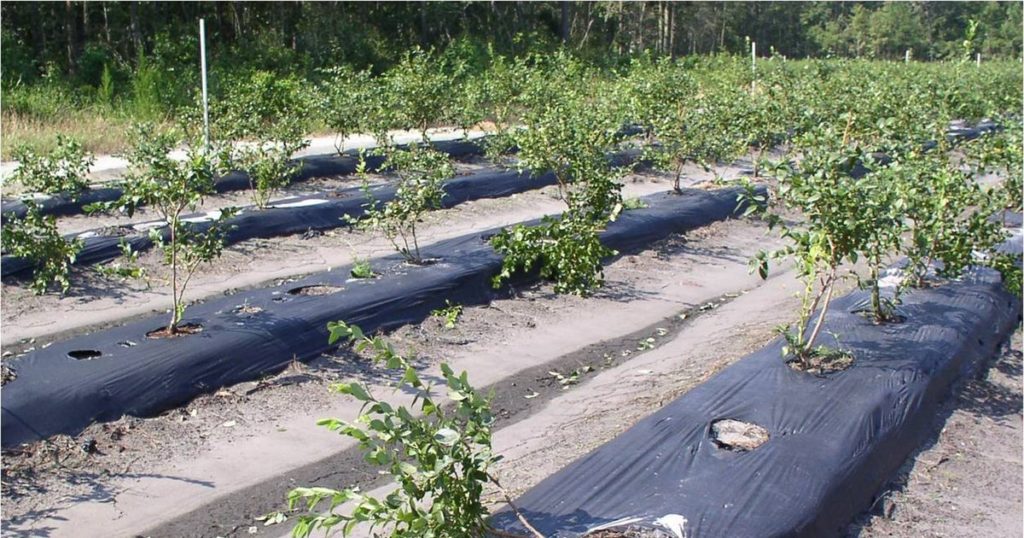
As the risk of frost increases later in September, protecting your late-season crops becomes essential. Row covers are a simple yet effective way to shield your plants from light frosts, helping you extend your harvest by several weeks. These lightweight fabrics create a microclimate that traps heat and moisture, allowing your crops to continue growing despite the cooler temperatures. I’ve relied on row covers for years, and they’ve consistently helped me get the most out of my garden as the season winds down.
To use row covers, drape the fabric over your garden beds and secure the edges with soil, rocks, or stakes. Make sure the covers are snug but not too tight, allowing air to circulate around the plants. Row covers are particularly useful for protecting tender crops like lettuce, spinach, and beans, which can be damaged by even a light frost. By taking this simple precaution, you’ll be able to harvest fresh produce well into the fall, long after unprotected gardens have succumbed to the cold.
Fertilizing for Continued Growth
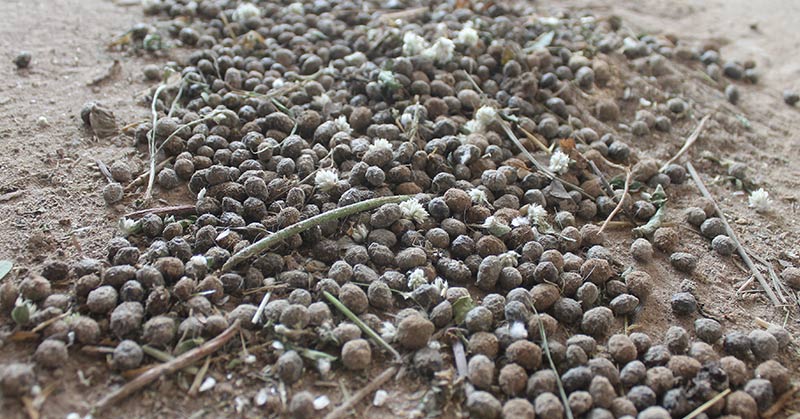
Even as the season winds down, your late-season crops can benefit from a final application of fertilizer. Providing your plants with a balanced, slow-release fertilizer in September can help them maintain strong growth and produce high-quality fruits and vegetables. I’ve found that fertilizing at this time of year gives my crops the extra nutrients they need to keep going strong, even as the days grow shorter and the nights cooler.
When fertilizing, focus on crops that are still actively growing, such as tomatoes, peppers, and leafy greens. Be careful not to over-fertilize, as this can lead to excessive foliage growth at the expense of fruit production. Instead, opt for a fertilizer that is higher in potassium and phosphorus, which support flower and fruit development. By giving your plants this final boost, you’ll help them make the most of the remaining growing season, leading to a more abundant harvest.
Pruning and Deadheading for Fresh Blooms
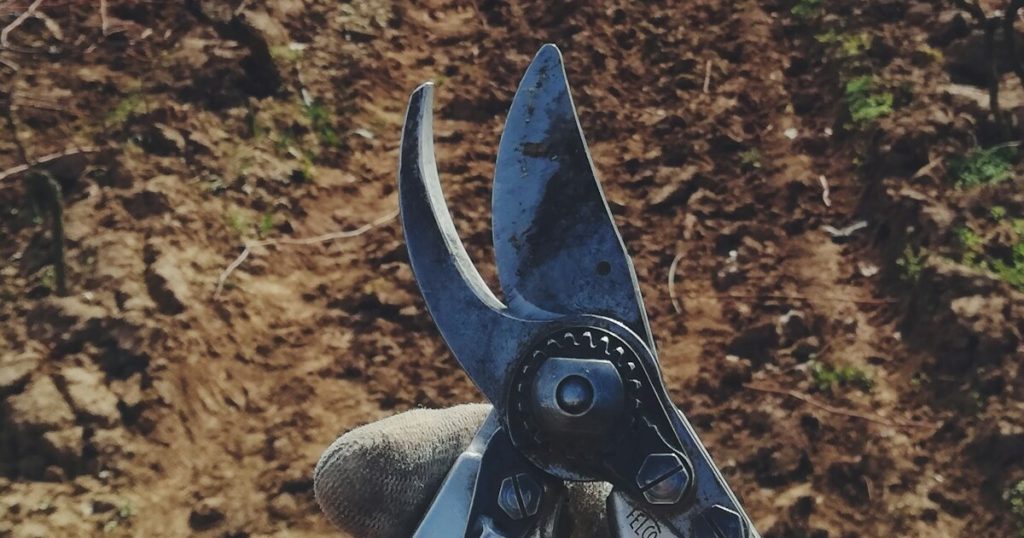
September is also an important time for maintaining your flower garden, especially if you want to keep those late-blooming flowers going strong. Pruning and deadheading spent blooms can encourage your plants to produce more flowers, extending the blooming season well into the fall. I always make it a point to tidy up my flower beds in September, and it’s amazing how much more vibrant and productive they become with a little extra care.
Focus on removing any dead or diseased foliage first, as well as spent blooms that are no longer contributing to the plant’s overall health. This not only improves the appearance of your garden but also reduces the risk of pests and diseases. For perennials, consider cutting back any overgrown stems to encourage new growth. By keeping your flower garden well-pruned and deadheaded, you’ll enjoy a colorful display of blooms that lasts well into the fall.
Planting Cool-Season Crops
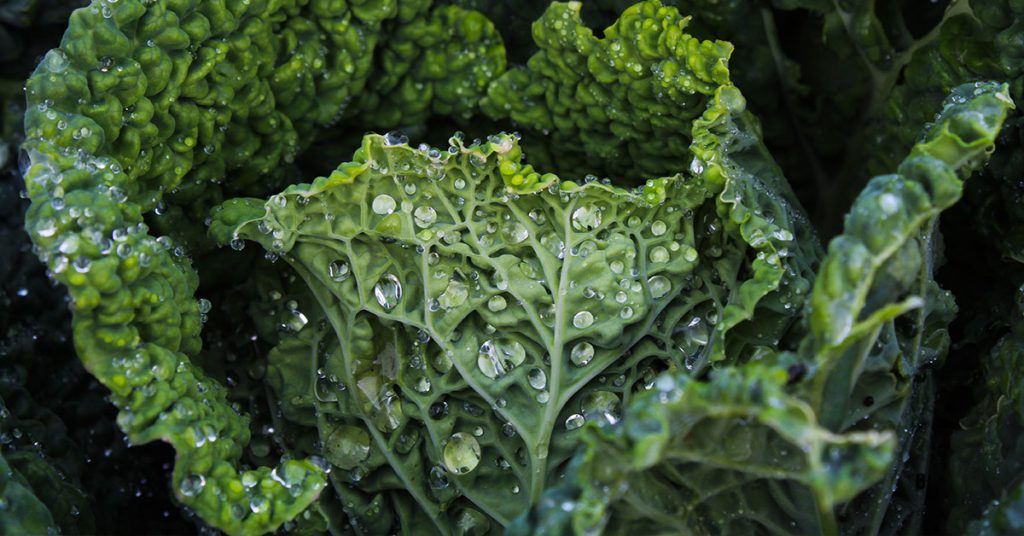
If you’re looking to maximize your garden’s productivity into the fall, consider planting cool-season crops in September. Vegetables like spinach, kale, and radishes thrive in the cooler temperatures of fall and can be planted directly into your garden beds this month. These crops grow quickly and can often be harvested before the first hard frost, making them an excellent choice for extending your garden’s harvest. I always make room for a few rows of these cool-season favorites in September, and they never disappoint!
When planting cool-season crops, choose a sunny location with well-drained soil. Be sure to keep the soil consistently moist to encourage quick germination and strong growth. If you’re planting in an area that was previously occupied by summer crops, consider adding a layer of compost to replenish the soil’s nutrients. By planting cool-season crops in September, you’ll enjoy fresh, nutritious vegetables long after other gardens have been put to bed for the winter.
Monitoring for Pests and Diseases

As the growing season winds down, pests and diseases can become more of a problem, especially as cooler, damp conditions set in. It’s important to keep a close eye on your garden and take action at the first sign of trouble. I’ve learned the hard way that pests can quickly get out of control if left unchecked, so staying vigilant in September is crucial for protecting your late-season crops.
Inspect your plants regularly for signs of pests like aphids, caterpillars, and slugs, which can be particularly active in the fall. Remove any affected leaves or plants to prevent the spread of disease, and consider using organic pest control methods like neem oil or insecticidal soap if necessary. For fungal diseases, ensure good air circulation around your plants by spacing them properly and removing any excess foliage. By keeping pests and diseases in check, you’ll help your garden stay healthy and productive through the final weeks of the growing season.
Using Mulch to Maintain Soil Health
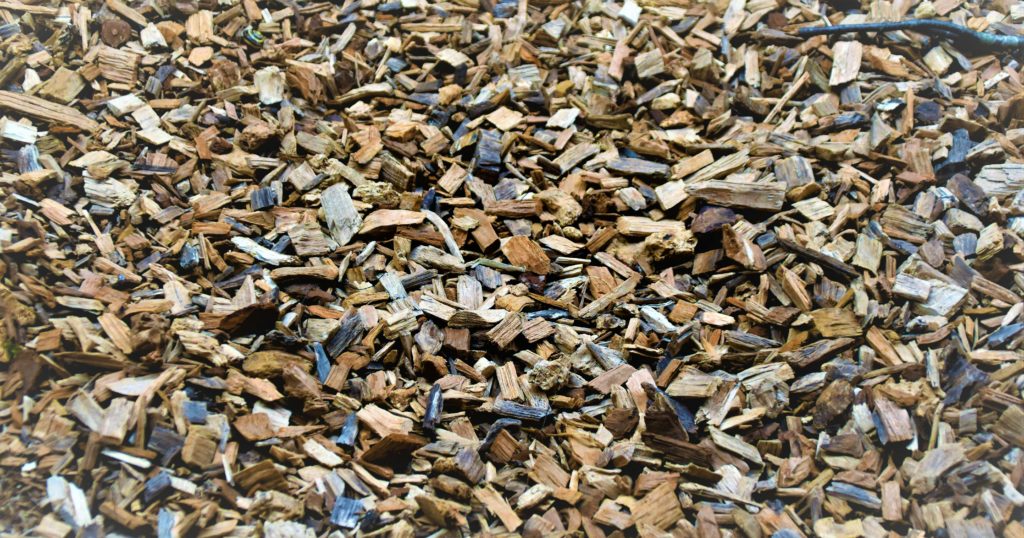
Mulching is a valuable practice for maintaining soil health and moisture levels as the weather cools. Applying a thick layer of mulch around your late-season crops helps to regulate soil temperature, retain moisture, and suppress weeds, all of which contribute to a more productive garden. I’ve found that mulching in September not only benefits my plants but also makes garden maintenance easier as the season winds down.
Organic mulches like straw, shredded leaves, or compost are excellent choices for this time of year, as they gradually break down and enrich the soil. Spread the mulch evenly around your plants, being careful not to pile it directly against the stems to avoid rot. Mulching also provides a layer of protection for the roots of your plants, helping them withstand cooler temperatures. By keeping your soil healthy and well-mulched, you’ll support the continued growth of your late-season crops and prepare your garden for the next growing season.
Extending the Growing Season with Cold Frames

If you’re determined to keep your garden producing as long as possible, consider using cold frames to extend the growing season. Cold frames are essentially mini-greenhouses that trap heat and protect your plants from frost, allowing you to grow vegetables well into the fall and even winter. I’ve had great success using cold frames in my garden, and they’ve become an essential tool for maximizing my harvest.
To use a cold frame, place it over your garden beds in a sunny location and plant cool-season crops like lettuce, spinach, and carrots inside. The cold frame will create a warmer, more stable environment for your plants, helping them grow despite the cooler outdoor temperatures. Be sure to ventilate the cold frame during the day to prevent overheating, and close it up at night to trap the warmth. With a cold frame, you can extend your growing season by several weeks, enjoying fresh vegetables long after other gardens have been put to rest.