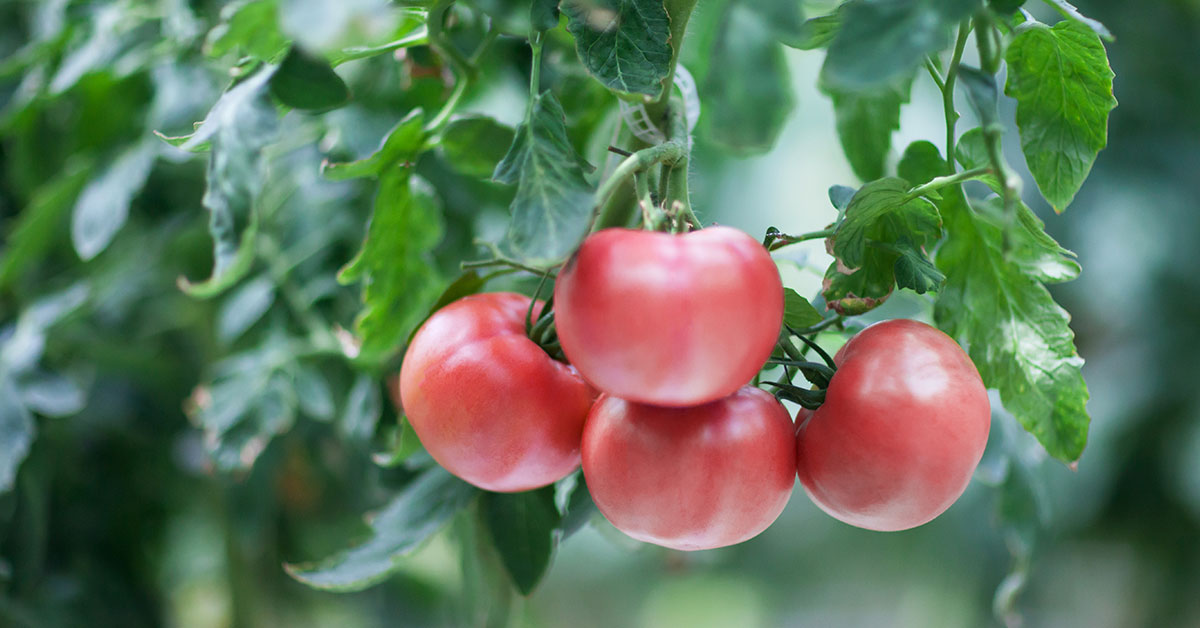

September is a pivotal month for tomato growers. As the warm summer days start to dwindle, and the cooler autumn nights creep in, your tomato plants will need a little extra attention to ensure that they produce the best possible harvest before the first frost. I know how rewarding it is to pick those ripe, juicy tomatoes right off the vine, and it can be a bit of a letdown if the season ends too soon! But with some strategic care and timely interventions, you can maximize your final tomato harvest and savor the fruits of your labor just a little longer.
In this article, I’ll share some essential tips for September tomato care that will help you coax the last bit of goodness from your plants. From adjusting your watering schedule to pruning and fertilizing, these practices will help your tomatoes ripen fully and give you a bountiful final harvest. Let’s dive into these strategies that will keep your tomato plants producing until the very end of the season!
Prune Back Excess Foliage
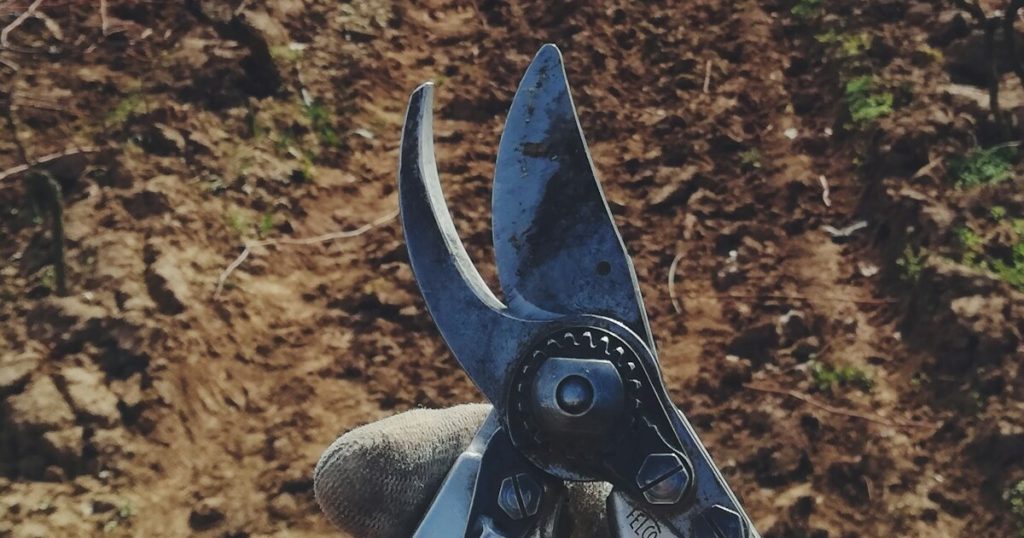
As September progresses, it’s important to start pruning back the excess foliage on your tomato plants. Removing some of the lower leaves and any foliage that is shading the fruit can help direct the plant’s energy towards ripening the existing tomatoes instead of producing new growth. This is especially crucial as the days shorten and the sunlight becomes less intense. I’ve found that pruning not only speeds up the ripening process but also improves air circulation, reducing the risk of fungal diseases that can take hold in the cooler, damp weather.
When pruning, focus on removing any yellowing or diseased leaves first, as well as any branches that are not producing fruit. It’s also a good idea to top the plants by cutting off the growing tips—this encourages the plant to stop producing new flowers and focus on ripening the existing fruit. Be sure to use clean, sharp pruners to make smooth cuts and avoid damaging the plant. By carefully pruning your tomato plants in September, you’ll help them channel their energy into giving you the best possible final harvest.
Adjust Your Watering Schedule
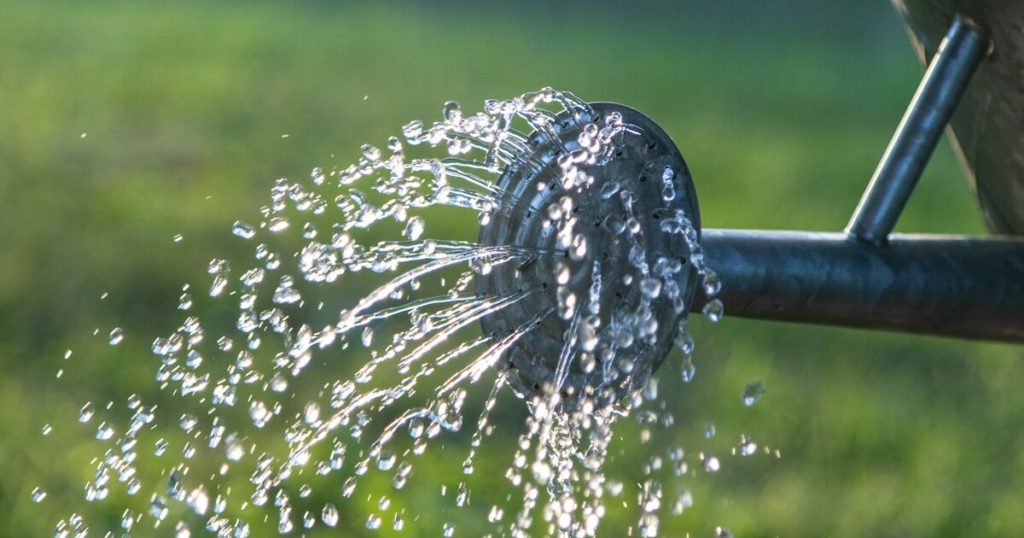
As temperatures begin to drop in September, your tomato plants won’t need as much water as they did during the peak of summer. However, it’s important to find the right balance to avoid both underwatering and overwatering, which can affect the quality and flavor of your tomatoes. I’ve learned that consistent, deep watering is key during this time, as it helps the fruit ripen evenly and prevents issues like splitting or blossom end rot.
To adjust your watering schedule, aim to water your tomato plants deeply but less frequently, allowing the soil to dry out slightly between waterings. This encourages the roots to grow deeper, which helps the plants withstand cooler nights. If you’ve been mulching your plants, you might find that they need even less water as the mulch helps retain soil moisture. Be sure to water early in the day to give the foliage time to dry before evening, reducing the risk of fungal diseases. By fine-tuning your watering routine in September, you’ll support healthy, flavorful tomatoes as the season comes to a close.
Give Plants a Final Boost of Fertilizer
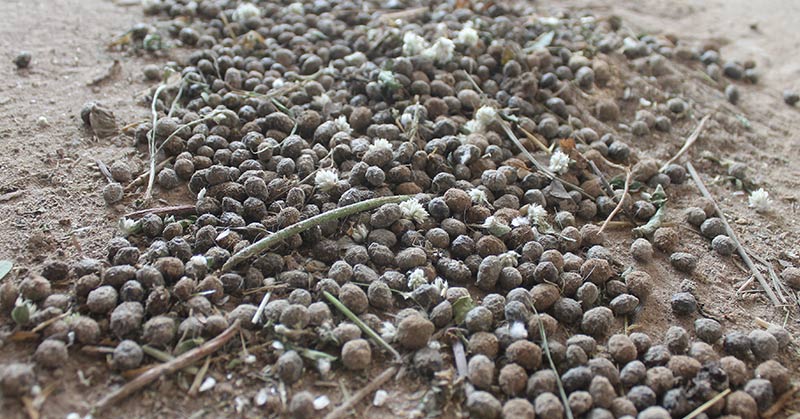
Even though the growing season is winding down, your tomato plants can still benefit from a final dose of fertilizer to help them produce one last push of ripe, juicy fruit. A fertilizer that’s low in nitrogen and high in potassium and phosphorus is ideal for this time of year, as it encourages fruit development without promoting too much leafy growth. I’ve found that giving my tomatoes this extra boost in September really helps to maximize the final harvest.
When applying fertilizer, be sure to follow the recommended dosage and water it in well to help it reach the roots. If you’ve already been fertilizing throughout the season, this final application will help sustain the plants as they finish ripening the last of the fruit. Organic options like compost tea or a balanced vegetable fertilizer work well and are gentle on the plants. By providing your tomatoes with the nutrients they need in September, you’ll help them finish the season strong with a bountiful, flavorful harvest.
Harvest Regularly to Encourage Ripening
One of the best ways to ensure a continuous tomato harvest into the fall is to pick the fruit regularly. Harvesting tomatoes as soon as they reach the breaker stage—when they start to show color—can encourage the plant to ripen the remaining fruit more quickly. I know it’s tempting to leave those beautiful red tomatoes on the vine until they’re fully ripe, but picking them early and letting them finish ripening indoors can actually lead to a better overall harvest.
To harvest, gently twist or snip the tomatoes from the vine, and place them in a warm, sunny spot indoors to ripen. This not only reduces the risk of pests and diseases affecting the fruit but also frees up the plant’s energy to focus on the remaining tomatoes. By staying on top of your harvest, you can keep your tomato plants productive and enjoy vine-ripened flavor well into the fall.
Protect Plants from Early Frosts

As September draws to a close, the risk of an early frost increases, and even a light frost can damage your tomato plants and fruit. To protect your plants and extend your harvest, it’s important to be prepared for those cooler nights. I’ve had great success using row covers, old sheets, or even blankets to cover my tomato plants when frost is in the forecast. This simple step can make all the difference in preserving your final harvest.
When frost is expected, cover the plants in the evening, making sure the covers reach the ground to trap the warmth. Remove the covers in the morning once the temperature rises to avoid trapping too much moisture, which can lead to fungal issues. If a heavy frost is predicted, you might want to consider harvesting any nearly ripe fruit and bringing it indoors to finish ripening. Protecting your tomato plants from early frosts can help you squeeze out a few more weeks of harvest, allowing you to enjoy fresh tomatoes as long as possible.
Remove Unproductive Flowers

By September, your tomato plants are likely still producing new flowers, but with cooler temperatures and shorter days, it’s unlikely that these flowers will develop into ripe fruit before the season ends. Removing these unproductive flowers can help the plant focus all its energy on ripening the existing fruit. I know it can be hard to pinch off those blossoms, but doing so will lead to a more abundant final harvest.
To remove the flowers, simply pinch them off at the base, or use clean scissors or pruners if you prefer. Focus on removing flowers that have appeared in the last couple of weeks, as these are the least likely to mature in time. By eliminating these distractions, your tomato plants will be better able to concentrate on the fruit that’s already set, giving you a higher-quality harvest as the season winds down.
Use Mulch to Regulate Soil Temperature
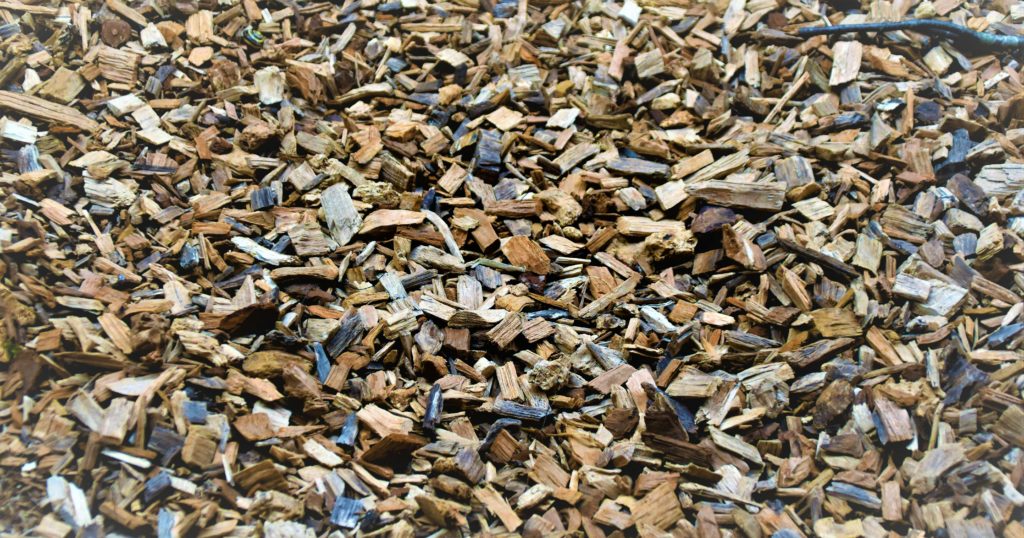
Mulching around your tomato plants is a great way to regulate soil temperature and moisture levels as the weather cools. A layer of mulch helps to keep the soil warm during cooler nights and retains moisture during the day, which is crucial for the final stages of tomato ripening. I’ve found that using mulch in September not only benefits the plants but also helps reduce the frequency of watering, making garden care a bit easier.
Organic mulches like straw, shredded leaves, or compost are excellent choices, as they gradually break down and add nutrients to the soil. Spread a thick layer of mulch around the base of the plants, being careful not to pile it directly against the stems to avoid rot. Mulching also helps suppress weeds, which can compete with your tomatoes for nutrients and water. By maintaining a consistent soil environment with mulch, you’ll help your tomato plants finish the season on a high note.