

As the days grow shorter and the air turns crisp, it’s a clear sign that the first frost is on its way. For gardeners, this time of year is all about preparation—getting your yard ready for the cold months ahead while making sure your plants and soil are set up for success in the spring. I know it can feel a bit overwhelming, especially when you’re trying to squeeze in those last few tasks before the frost hits. But trust me, a little effort now will go a long way in ensuring your garden remains healthy and vibrant. Whether you’re a seasoned pro or a beginner gardener, tackling these tasks will make a world of difference.
In this guide, I’m excited to share with you 15 essential things to do in your yard before the first frost arrives. These tasks cover everything from protecting delicate plants to preparing your soil for next year’s planting. I understand how frustrating it can be to see your hard work go to waste because of an unexpected frost, so I’ve compiled a list of steps that will help you keep your garden in top shape. Let’s dive in and make sure your yard is ready to face the colder months with confidence!
Mulch Your Garden Beds

One of the most important things you can do before the first frost is to apply a thick layer of mulch to your garden beds. Mulch acts as an insulator, helping to regulate soil temperature and retain moisture during the colder months. This is especially important for protecting the roots of your perennials and keeping your soil from freezing and thawing too rapidly, which can cause stress and damage to plants. I’ve found that organic mulches like straw, shredded leaves, or wood chips work wonders in providing that extra layer of protection.
In addition to its protective qualities, mulch also helps to suppress weeds, which is a bonus when you’re trying to maintain a tidy garden. As the mulch breaks down, it adds organic matter to the soil, improving its structure and fertility over time. If you’re using mulch around trees and shrubs, be sure to keep it a few inches away from the base to prevent rot. It’s such a simple task, but mulching can make all the difference in ensuring your plants come through the winter healthy and ready to grow in the spring.
Harvest Remaining Vegetables
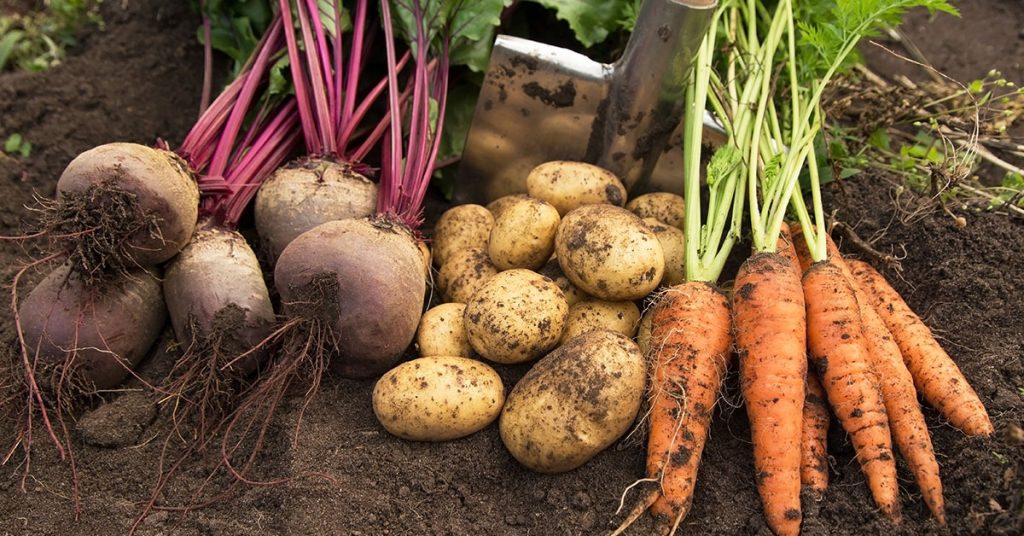
If you’ve got a vegetable garden, now is the time to harvest any remaining crops before the frost arrives. Frost can quickly damage tender vegetables like tomatoes, peppers, and squash, so it’s important to gather them in before the cold sets in. Even if some of your veggies aren’t fully ripe, they can still be harvested and ripened indoors. I know it can be a bit sad to say goodbye to your summer harvest, but think of it as bringing the best of your garden indoors for a little while longer.
For those hardier crops like carrots, beets, and kale, you can leave them in the ground a bit longer, as they can tolerate light frosts and sometimes even improve in flavor with a touch of cold. However, be sure to monitor the weather closely and cover these crops with a frost blanket if a hard freeze is expected. Harvesting your vegetables now not only ensures you enjoy the fruits of your labor but also helps clear the garden for any fall planting or preparation for next year.
Plant Spring Bulbs

Fall is the perfect time to plant spring-flowering bulbs like tulips, daffodils, and crocuses. These bulbs need the cold period of winter to trigger their growth and blooming in the spring, so getting them in the ground before the first frost is crucial. I always look forward to planting bulbs in the fall because it’s like planting a promise of beauty for the spring! Choose a sunny spot with well-drained soil, and plant the bulbs at a depth that’s about three times their height.
When planting, consider mixing different types of bulbs to create layers of color and staggered blooming times in the spring. For example, you could plant early-blooming crocuses alongside later-blooming tulips to extend the flowering season. Once planted, cover the bulbs with a layer of mulch to help insulate them from the cold and protect them from being dug up by curious critters. Come spring, you’ll be rewarded with a vibrant display of color that makes all the fall effort worth it.
Protect Tender Perennials

Tender perennials, those that aren’t hardy in your climate, need special attention before the first frost. Plants like dahlias, cannas, and elephant ears can’t survive the winter outdoors in colder regions, so you’ll need to dig them up and store them indoors. I know it can be a bit of a chore, but it’s well worth the effort to save these beautiful plants for next year. After digging them up, gently brush off any excess soil, let the tubers or bulbs dry for a day or two, and then store them in a cool, dark place in a box of peat moss or sand.
For perennials that you plan to leave in the ground, such as lavender or rosemary, consider providing extra protection with a layer of mulch or even a frost blanket during particularly cold nights. If your region experiences very harsh winters, you might also consider using cloches or other protective covers to shield these plants from frost. By taking these steps, you can ensure that your tender perennials survive the winter and return with vigor in the spring.
Clean and Store Garden Tools
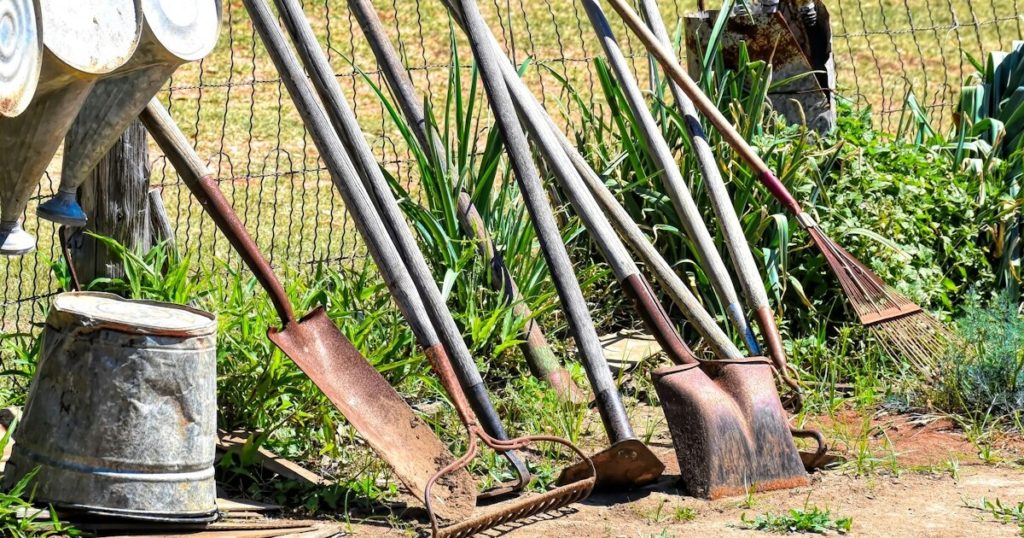
As the gardening season winds down, it’s important to take care of your tools so they’re in good shape for next year. Cleaning and properly storing your tools before the first frost helps to prevent rust and prolongs their lifespan. Start by removing any dirt or debris from your tools using a stiff brush or a cloth. For tools with metal parts, consider applying a light coat of oil to prevent rust—this is especially important for pruners, shears, and other cutting tools.
After cleaning, store your tools in a dry, sheltered place like a garage or shed. If possible, hang them up to keep them off the ground and reduce the chance of moisture damage. It’s also a good idea to sharpen any blades before storing them, so they’re ready to go when the gardening season starts up again. Taking the time to care for your tools now means they’ll be ready to help you tackle all your gardening tasks in the spring without any hassle.
Divide and Transplant Perennials
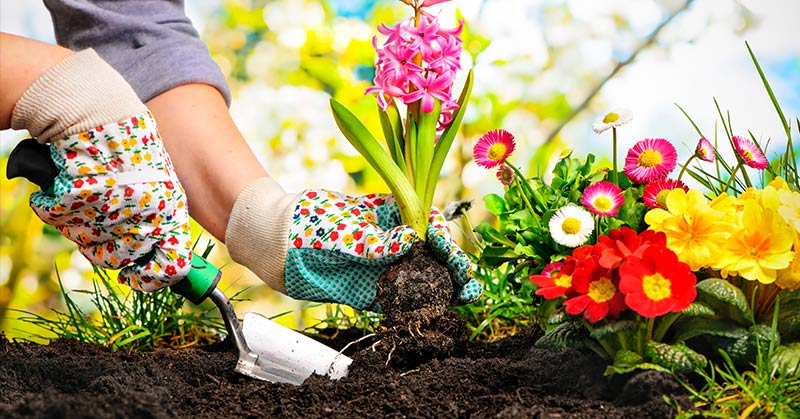
Fall is an excellent time to divide and transplant perennials, as the cooler weather reduces stress on the plants and allows them to establish strong roots before winter. Dividing perennials not only helps to rejuvenate older plants, giving them more space to grow, but it also provides you with new plants to expand your garden or share with friends. I always find dividing perennials to be a rewarding task—it’s like getting free plants for just a little bit of effort!
When dividing perennials, dig up the entire plant and use a sharp spade or knife to split the root clump into smaller sections, each with a healthy root system and some top growth. Replant the divisions in well-prepared soil, water them thoroughly, and apply a layer of mulch to help them settle in. Be sure to keep an eye on them over the next few weeks to ensure they’re getting enough water as they establish themselves in their new spots. By dividing and transplanting now, you’ll set the stage for a lush and thriving garden next spring.
Bring in Houseplants and Tender Annuals
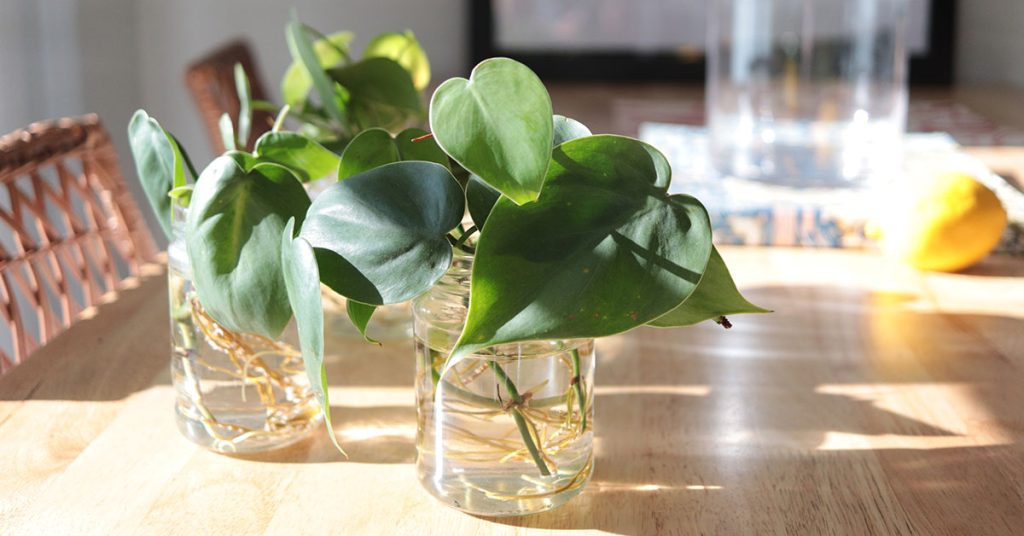
If you’ve been enjoying houseplants or tender annuals outside during the summer, now’s the time to bring them indoors before the frost arrives. Many of these plants can’t tolerate cold temperatures and will need to be moved to a warmer environment to survive the winter. Before bringing them in, inspect each plant for pests or diseases—no one wants to deal with a bug infestation indoors! Give them a good rinse and trim off any dead or damaged leaves.
Once inside, place the plants in a location with plenty of light, but avoid direct exposure to heat sources like radiators, which can dry them out. It might take a little time for the plants to adjust to their new indoor environment, so be patient and avoid overwatering them as they acclimate. Houseplants and tender annuals can add a touch of green to your indoor spaces during the colder months, and with the right care, they’ll be ready to head back outside when warmer weather returns.
Compost Fallen Leaves
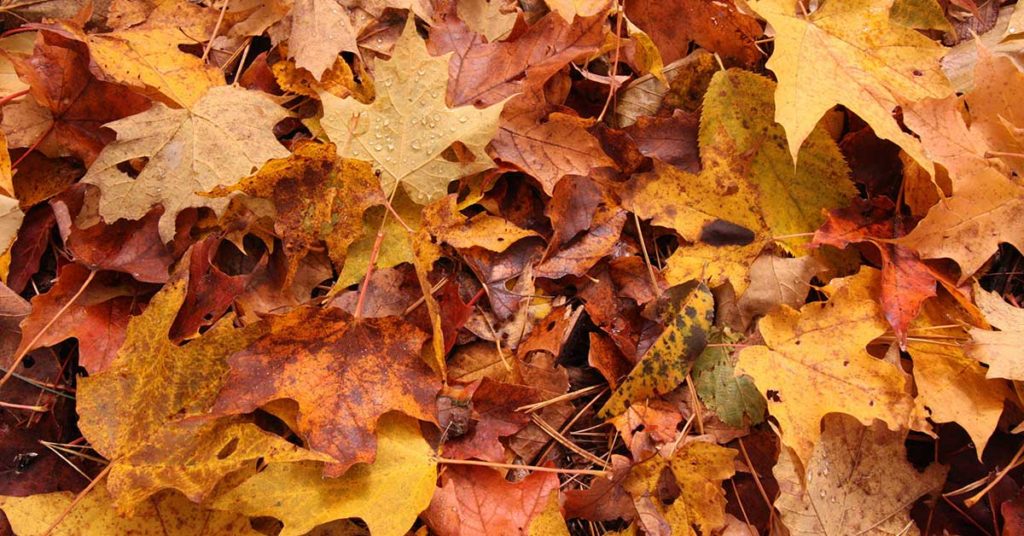
Fallen leaves are one of autumn’s great resources, and instead of raking them up and tossing them out, consider adding them to your compost pile. Leaves are rich in carbon, an essential component of healthy compost, and they break down into nutrient-rich organic matter that can be used to enrich your garden soil. If you don’t already have a compost pile, now is a great time to start one! Just gather up those fallen leaves, mix them with green material like kitchen scraps or grass clippings, and let nature do the rest.
If you have a lot of leaves, consider shredding them first, either with a lawnmower or a leaf shredder, as this will speed up the decomposition process. You can also use the leaves as mulch directly in your garden beds, where they’ll help to suppress weeds and retain moisture over the winter. Either way, you’re putting those leaves to good use and giving your garden a boost for next spring. Composting leaves is not only good for your garden but also an environmentally friendly way to deal with fall’s abundant foliage.
Prune Dead and Diseased Branches
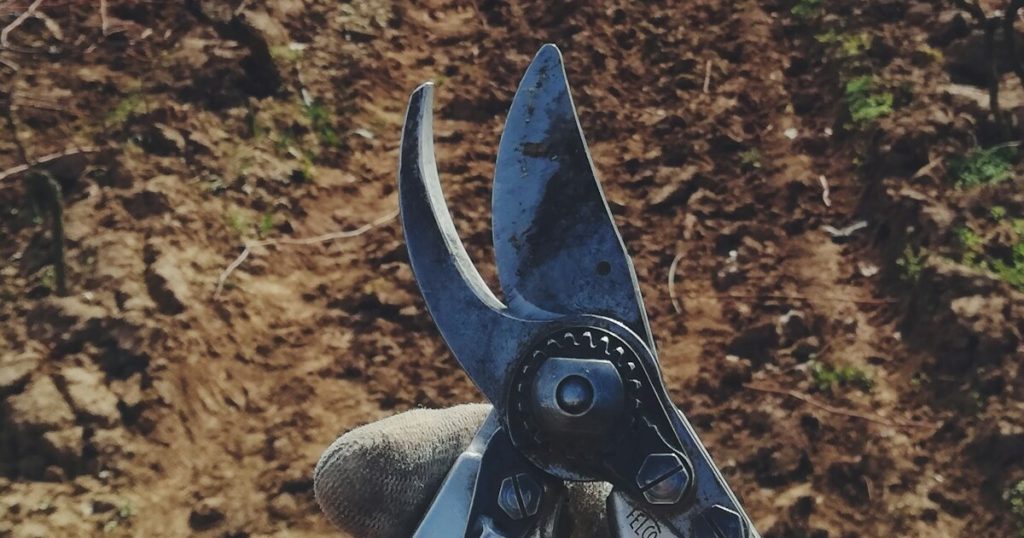
Before the first frost, it’s a good idea to prune away any dead or diseased branches from your trees and shrubs. Pruning helps to prevent the spread of disease and encourages healthy growth in the spring. Focus on removing branches that are clearly dead, damaged, or showing signs of disease, such as discoloration or unusual growths. Use clean, sharp pruning shears to make clean cuts, which will heal faster and reduce the risk of further infection.
Pruning can also help to shape your plants and prevent overcrowding, which can lead to poor air circulation and increased disease risk. Just be careful not to over-prune, as removing too much foliage can stress the plant. If you’re unsure about how much to prune, it’s always better to err on the side of caution and remove less rather than more. Pruning in the fall helps to set your trees and shrubs up for a healthy start in the new growing season, and it’s a task that will pay off when you see vigorous growth next year.
Drain and Store Garden Hoses

As temperatures start to drop, it’s important to drain and store your garden hoses to prevent them from freezing and cracking. Frozen hoses can be a costly and frustrating problem, but it’s easy to avoid with a little preparation. Start by disconnecting the hoses from outdoor faucets and draining out any remaining water. Coil the hoses neatly and store them in a dry, sheltered place like a garage or shed to protect them from the cold.
While you’re at it, it’s also a good idea to shut off the water supply to any outdoor faucets and drain the pipes to prevent them from freezing and bursting. This simple task can save you from a major headache and expense come spring. By taking the time to properly store your hoses and winterize your outdoor plumbing, you’re protecting your tools and equipment from damage and ensuring they’ll be ready to use when the weather warms up again.
Clean Out Gutters and Downspouts
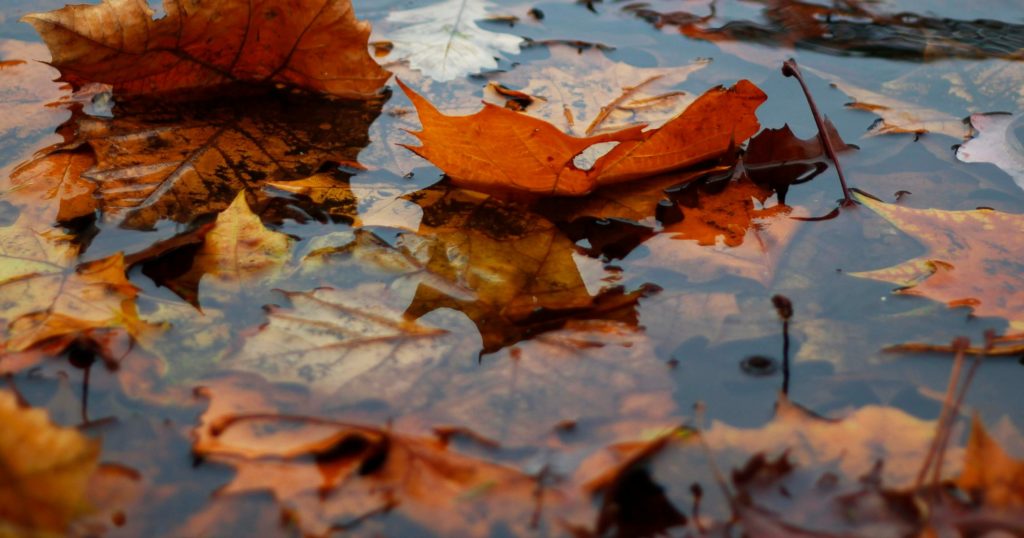
Cleaning out your gutters and downspouts is an essential fall task that helps to prevent water damage to your home. Leaves, twigs, and other debris can quickly clog gutters, leading to water overflow and potential damage to your roof, siding, and foundation. Before the first frost, take the time to clear out any accumulated debris from your gutters and downspouts, ensuring that water can flow freely away from your home.
If your gutters are difficult to reach, consider using a gutter cleaning tool or hiring a professional to do the job. While you’re at it, check for any signs of damage, such as sagging or leaks, and make any necessary repairs. Properly functioning gutters are crucial for protecting your home during the winter months when ice and snow can add extra stress to your roof. By cleaning out your gutters now, you’re taking a proactive step to safeguard your home from winter’s challenges.
Aerate and Fertilize Your Lawn
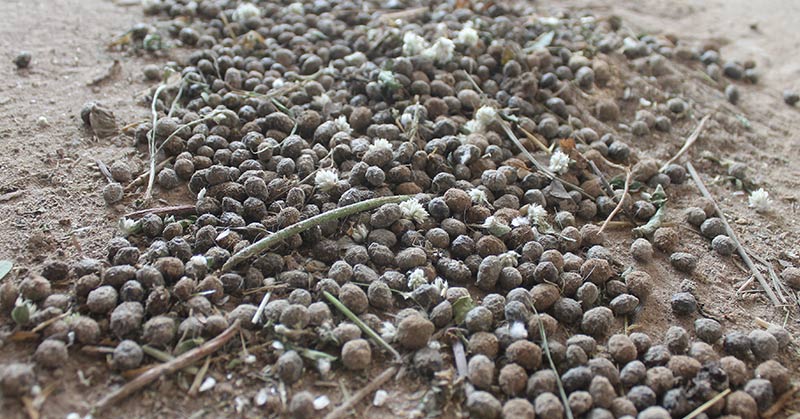
Fall is an excellent time to aerate and fertilize your lawn, setting it up for a strong start in the spring. Aeration helps to relieve soil compaction, allowing water, air, and nutrients to penetrate deep into the root zone. This is especially important if your lawn sees a lot of foot traffic or if the soil is heavy and clay-like. I recommend renting an aerator or hiring a lawn care service to do the job, as it’s well worth the effort.
After aerating, apply a slow-release fertilizer to give your lawn the nutrients it needs to recover from the summer and build up reserves for the winter. A good fall fertilizer should be high in potassium, which helps to strengthen the grass and improve its cold tolerance. Be sure to water your lawn after fertilizing to help the nutrients soak in. By aerating and fertilizing now, you’ll ensure your lawn is healthy, green, and ready to thrive when spring arrives.
Cover Garden Beds with Row Covers
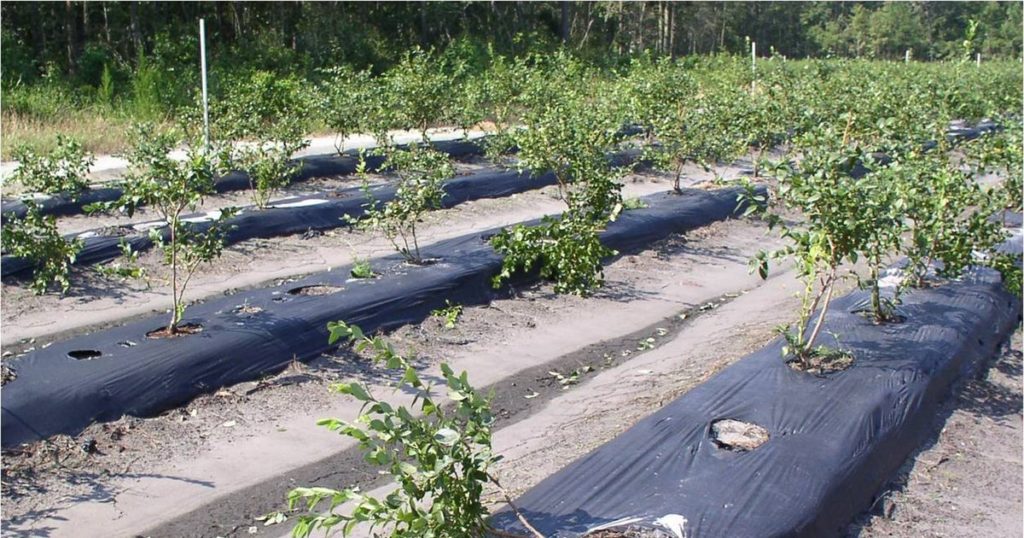
If you’re growing cool-season vegetables or tender perennials, covering your garden beds with row covers can provide valuable protection from the first frost. Row covers are lightweight, breathable fabrics that trap heat and moisture, creating a microclimate that’s a few degrees warmer than the surrounding air. This can make all the difference in extending your growing season and protecting your plants from frost damage.
To use row covers, simply drape the fabric over your garden beds and secure the edges with rocks, soil, or stakes. Make sure the covers are snug but not too tight, allowing enough space for air circulation. Row covers are especially useful for extending the harvest of cool-season crops like lettuce, spinach, and broccoli, which can continue to produce well into the fall with a little extra protection. By using row covers, you’re giving your garden an edge against the cold and enjoying fresh produce for longer.
Store Patio Furniture and Decor

As the weather cools down, it’s time to start thinking about storing your patio furniture and outdoor decor to protect it from the elements. Leaving furniture, cushions, and decor items exposed to frost, snow, and rain can cause damage and wear over time. Before the first frost, clean your outdoor furniture thoroughly, removing any dirt, dust, or mildew. Once cleaned, store it in a garage, shed, or under a protective cover to keep it safe during the winter.
If you have large or heavy items that can’t be moved, such as a patio umbrella or grill, consider investing in durable covers that will protect them from the weather. Don’t forget to bring in any smaller items like garden ornaments, planters, or cushions that could be damaged by frost. Taking the time to properly store your outdoor items now means they’ll be in great condition when you’re ready to use them again in the spring.
Prepare Bird Feeders for Winter
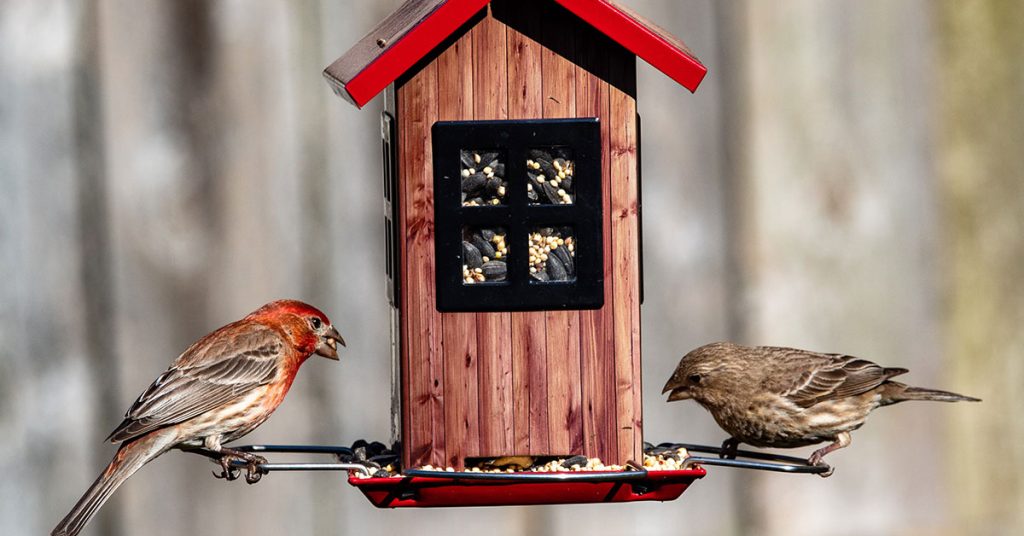
As temperatures drop and natural food sources become scarcer, birds will start to rely more on backyard feeders to get through the winter. Preparing your bird feeders before the first frost ensures that you’re ready to support your local bird population when they need it most. Start by thoroughly cleaning your feeders to remove any old food, debris, or mold that could harm the birds. Use a solution of one part bleach to nine parts water, and rinse well.
Once clean, fill your feeders with high-energy foods like black oil sunflower seeds, suet, and peanuts. These foods provide the calories birds need to stay warm and active during the cold months. Consider adding a heated birdbath to provide a source of fresh water, which can be just as important as food in the winter. By preparing your feeders now, you’ll attract a variety of birds to your yard and enjoy the lively company of your feathered friends all winter long.
Completing these tasks before the first frost ensures that your yard is ready to withstand the winter months and flourish when spring returns. Each of these steps helps to protect your plants, tools, and outdoor spaces, giving you peace of mind and a head start on the next gardening season. With a little preparation, you can enjoy a healthy, beautiful garden year-round.