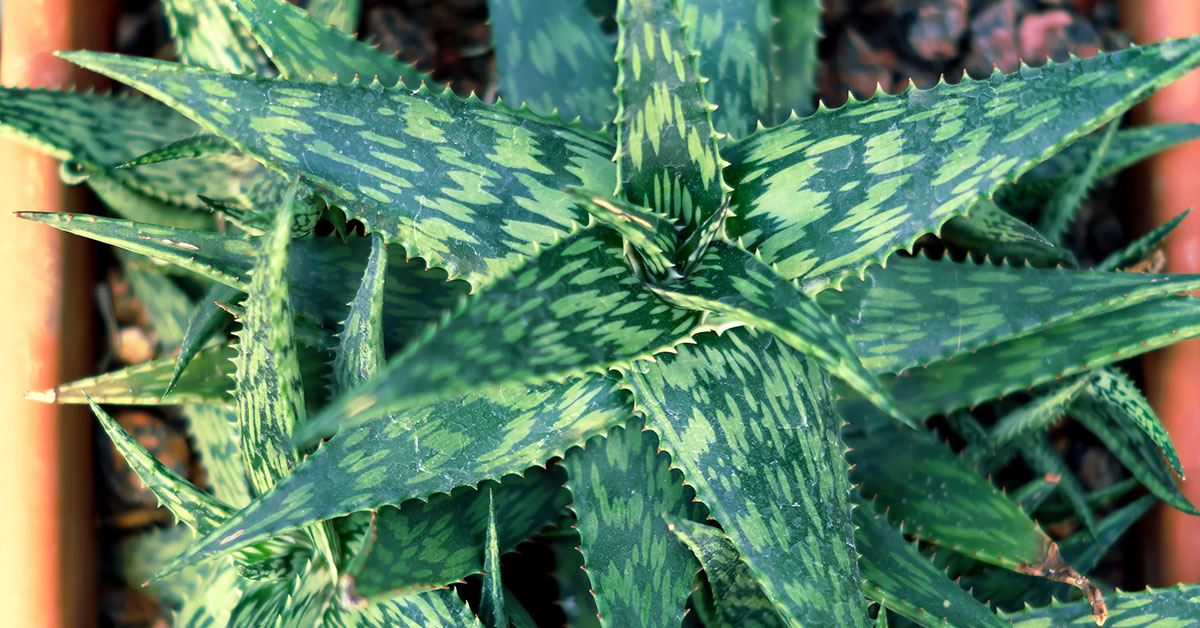

As the warm days of summer give way to the cool breezes of fall, you might start to wonder how your aloe vera plant will fare in the changing conditions. Aloe vera, with its fleshy, succulent leaves and healing properties, is a beloved plant for many gardeners. But as the season shifts, it’s important to adjust your care routine to ensure this resilient plant continues to thrive. I know how easy it can be to overlook the needs of your indoor plants when the garden outside is demanding your attention, but aloe vera deserves a little extra love as the temperatures drop. After all, it’s not just a decorative plant—aloe vera is a living, growing being that requires care, especially as the days get shorter and the air gets cooler.
In this guide, I’ll walk you through everything you need to know to keep your aloe vera happy and healthy during the fall months. From adjusting watering schedules to finding the perfect spot for sunlight, we’ll cover all the bases. Aloe vera is native to arid regions of the Arabian Peninsula, but it has spread widely across the world, thanks to its popularity as both a medicinal and ornamental plant. While it’s not invasive, it does have specific needs that, if met, can make it flourish even when the weather outside turns chilly. Let’s dive into the steps you can take to ensure your aloe vera thrives through the fall!
Adjusting Your Watering Schedule
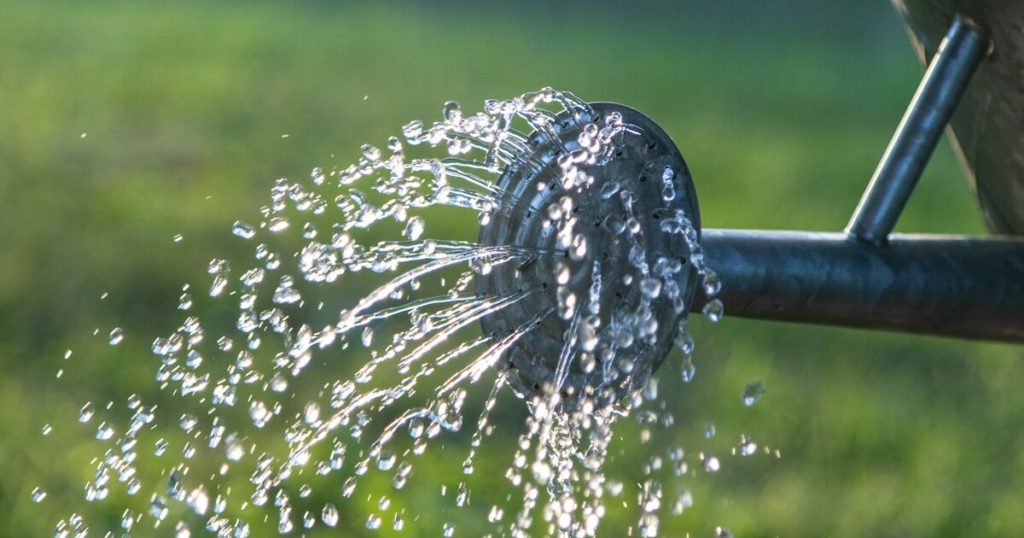
One of the most crucial adjustments you’ll need to make for your aloe vera in the fall is to its watering schedule. During the summer, when the days are long and warm, your aloe might need watering more frequently. But as fall approaches, it’s important to cut back. Aloe vera is a succulent, meaning it stores water in its leaves, and overwatering can lead to root rot, especially when the cooler temperatures slow down its growth. Trust me, there’s nothing more frustrating than watching your beautiful aloe turn to mush because of too much love—aka water.
In the fall, let the soil dry out completely between waterings. This might mean watering your plant only once every three to four weeks, depending on your indoor humidity levels. I always recommend checking the soil by sticking your finger about an inch deep to see if it’s still moist. If it is, hold off on watering. Remember, it’s easier to revive a thirsty aloe than to save one that’s been waterlogged. The goal is to mimic the plant’s natural arid environment, where rains are sporadic, and the soil dries out quickly.
Maximizing Sunlight Exposure
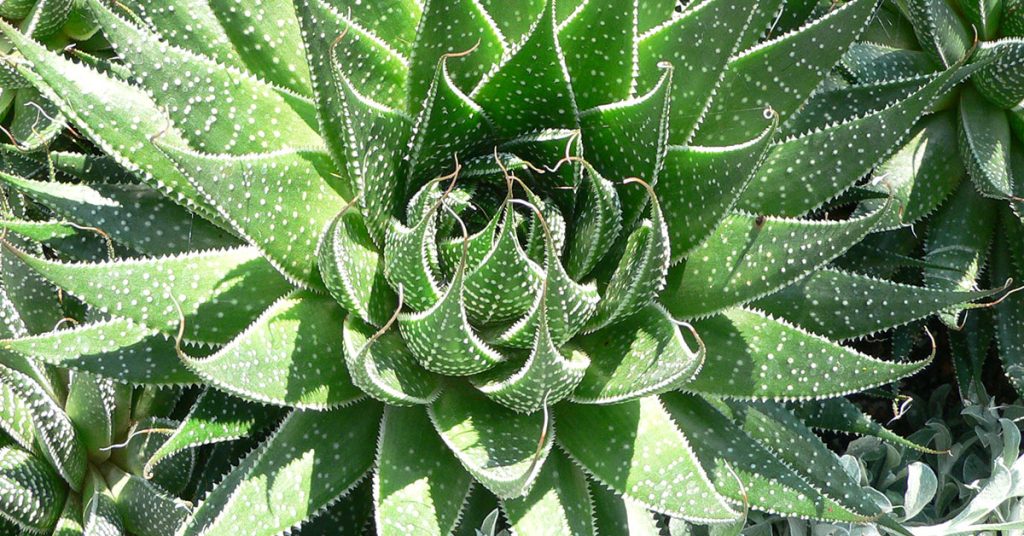
As the days shorten and the intensity of sunlight decreases, your aloe vera will crave every bit of light it can get. Aloe vera thrives in bright, indirect sunlight, and in the fall, you’ll need to find the best spot in your home to maximize its exposure. South or west-facing windows are ideal, but if those aren’t an option, consider moving your aloe to a spot where it can soak up as much natural light as possible. If natural light is limited in your space, a grow light can be a lifesaver. I’ve found that giving my aloe a little extra light boost during the fall makes a world of difference in keeping it strong and healthy.
Be mindful, though, that while aloe loves the sun, it can get sunburned if the light is too intense, especially through a window that amplifies the sunlight. You’ll notice this if the leaves start to turn brown or get crispy at the tips. It’s all about balance—too little light, and your aloe will become leggy and weak; too much, and it might get scorched. If you notice your aloe stretching towards the light or losing its vibrant green color, it might be a sign that it needs more sun. Adjust its placement as needed, and don’t be afraid to rotate the pot every week or so to ensure even light distribution.
Monitoring Temperature and Humidity

Aloe vera plants prefer warm temperatures, ideally between 55°F and 80°F (13°C to 27°C). In the fall, when temperatures start to drop, it’s important to keep your aloe in a stable environment where it’s protected from cold drafts and sudden temperature changes. I know how tempting it can be to leave the windows open on those cool fall evenings, but your aloe vera will thank you if you keep it away from chilly air. If the temperature drops too low, especially below 50°F (10°C), your aloe could suffer from cold damage, which appears as soft, mushy spots on the leaves.
Humidity levels also play a role in your aloe’s health. While aloe vera is pretty forgiving when it comes to low humidity (after all, it’s a desert plant), it’s still important to avoid overly humid conditions, which can encourage fungal growth and rot. If your home tends to be on the humid side, make sure your aloe has plenty of air circulation, and avoid misting it—this isn’t a plant that enjoys extra moisture on its leaves. Instead, focus on keeping the air dry and ensuring that the soil doesn’t stay damp for too long.
Repotting and Soil Care
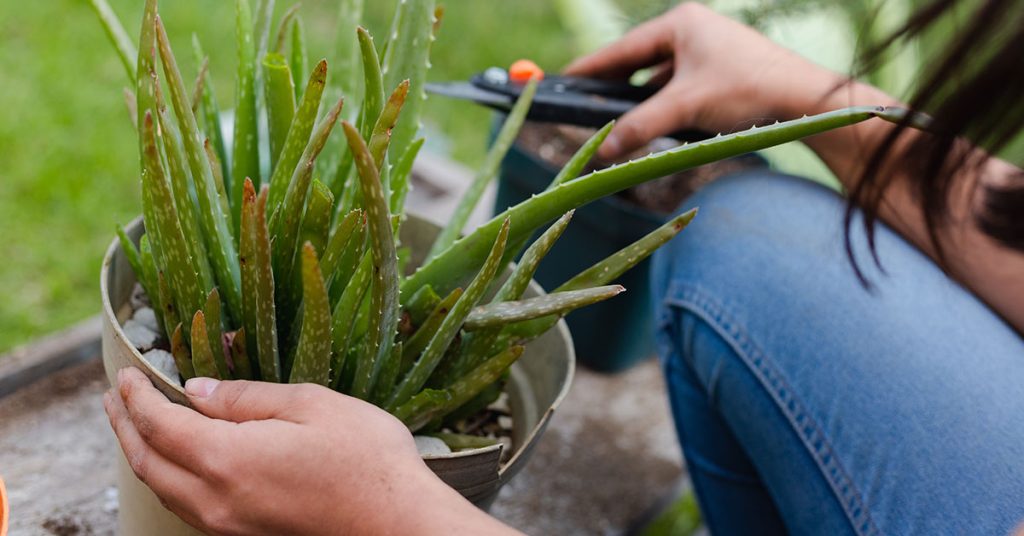
Fall is generally not the ideal time for repotting aloe vera, but if your plant has outgrown its container or the soil has become compacted, it might be necessary. Aloe vera prefers a well-draining soil mix, typically a cactus or succulent blend, to prevent water from lingering around the roots. If you do decide to repot, choose a pot that is only slightly larger than the current one—this helps to avoid excess soil that can hold onto moisture. I’ve learned from experience that giving aloe too much space can lead to overwatering, which is the last thing you want as the cooler months approach.
When repotting, be gentle with the roots, and remove any old, compacted soil that’s clinging to them. It’s also a good time to check for any signs of root rot or pests, both of which can be easier to manage when caught early. After repotting, hold off on watering for about a week to let the roots settle into their new environment. This small step can make a big difference in helping your aloe adjust to its new home without the stress of too much moisture. And if repotting isn’t necessary, just top off the existing soil with some fresh cactus mix to keep things well-drained and happy.
Pest Control and Prevention

While aloe vera is generally resistant to pests, fall can sometimes bring out a few unwanted visitors, especially if your plant is stressed or if it’s been moved indoors after spending the summer outside. Common pests like spider mites, mealybugs, and aphids can make a home in the nooks and crannies of your aloe’s leaves. It’s such a bummer when you notice those tiny critters on a plant you’ve worked so hard to care for! Regularly inspecting your aloe is key—check under the leaves and around the base for any signs of pests. If you spot any, act quickly to remove them before they can spread.
A simple solution of water and mild soap can often do the trick for small infestations. Just be sure to rinse the leaves thoroughly afterward to avoid any residue that might harm the plant. For more stubborn pests, an insecticidal soap or neem oil can be effective, but always test on a small area of the plant first to ensure it doesn’t cause any damage. Preventing pests is much easier than dealing with an infestation, so keep your aloe healthy by following good watering practices, ensuring proper air circulation, and keeping the plant clean. A healthy aloe vera is far less likely to fall prey to pests!
Preparing for Winter Dormancy

As fall progresses, your aloe vera will naturally begin to slow down in growth as it prepares for its winter dormancy. During this time, it’s important to adjust your care routine to align with the plant’s reduced activity. Overfeeding and overwatering can be particularly harmful during this period, so cut back on both. I usually stop fertilizing my aloe altogether in the fall and resume in the spring when the plant begins to wake up and grow again. This helps to prevent any salt build-up in the soil, which can stress the plant.
During dormancy, aloe vera requires even less water than usual. Allow the soil to dry out completely between waterings, and be patient—it’s normal for the plant to look a bit more subdued during this time. Avoid moving the plant around too much, as it’s best to let it rest in a stable environment. I know it can be tempting to fuss over your plants, especially when they don’t seem as lively, but sometimes the best care is to give them space to go through their natural cycles. Come spring, your aloe will reward you with fresh, vigorous growth, ready to take on the new season!
Taking these steps to care for your aloe vera in the fall will ensure it remains healthy and vibrant, ready to thrive when warmer weather returns. Aloe vera is a resilient plant, and with the right care, it will continue to be a beautiful, healing presence in your home or garden all year round.