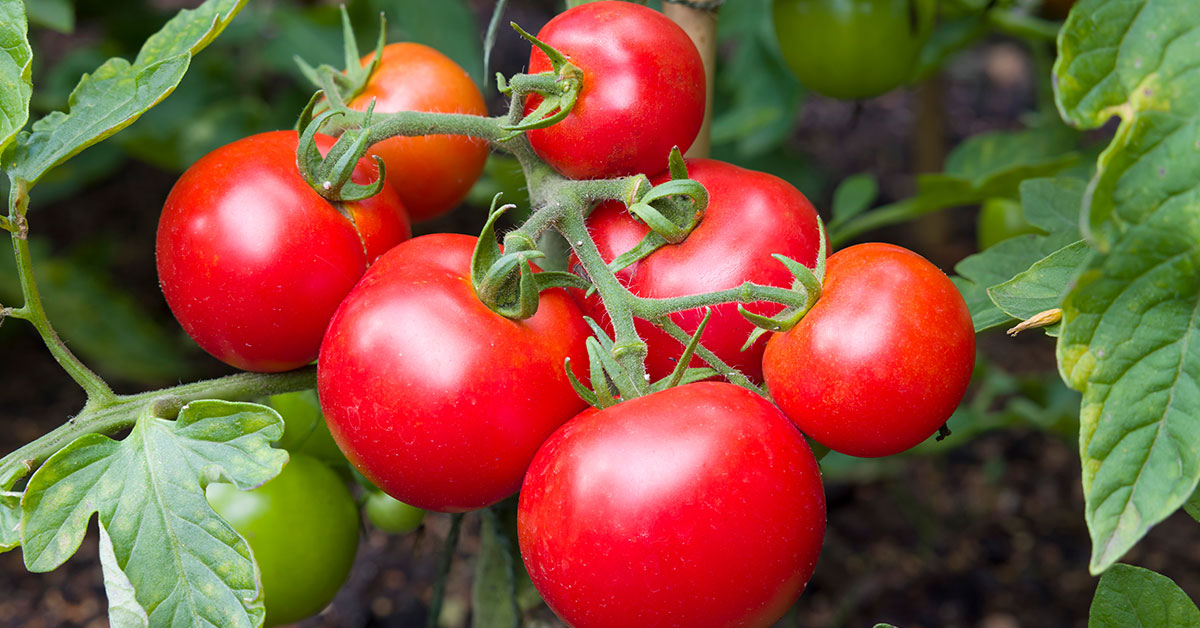

As we move into September, it’s tempting to start winding down your garden activities, but if you’re a tomato lover like me, this is the time to kick things into high gear! The days might be getting shorter, but your tomatoes are still eager to ripen and reward you with those last bursts of summer flavor. I know how frustrating it can be to see green tomatoes hanging on the vine as the temperatures drop, but with a little extra attention, you can encourage them to ripen fully and give you a final, delicious harvest. Let’s dive into some essential steps you can take this month to make the most of your tomato plants before the season ends.
September is a critical month for tomatoes, especially if you’re growing varieties that take longer to ripen. With a bit of focused care, you can coax those last few fruits into ripening, even if they’re still stubbornly green. From adjusting your watering habits to giving your plants a final feeding, these small changes can make a big difference in the quality and quantity of your harvest. So, let’s explore what you can do to ensure that your tomato plants finish the season strong, leaving you with a bounty of ripe, flavorful tomatoes to enjoy or preserve!
Pruning: Focusing the Plant’s Energy
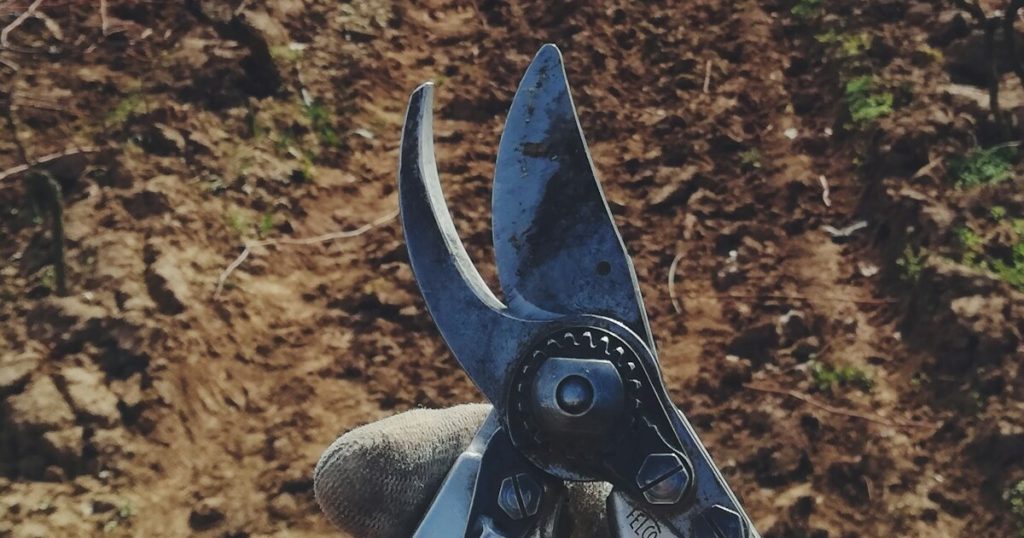
One of the most effective ways to boost your tomato harvest in September is to prune your plants. By this point in the season, your tomato plants are likely sprawling and full of foliage, but not all of that growth is necessary—especially when you’re trying to get those last fruits to ripen. Pruning helps focus the plant’s energy on ripening the existing tomatoes rather than putting out more leaves and flowers. I’ve found that removing the small, non-fruit-bearing branches (also known as “suckers”) that sprout between the main stem and leaf branches can make a big difference in the plant’s productivity.
In addition to removing suckers, consider trimming back some of the larger, older leaves. These leaves, particularly the ones lower down on the plant, might be shading your tomatoes from the sun, slowing down the ripening process. By carefully pruning, you can improve air circulation around the plants, reduce the risk of diseases like blight, and help your tomatoes get that last boost of sunlight they need to ripen. Just be sure not to overdo it—leave enough foliage to protect the fruit from sunscald, especially in warmer climates. Pruning is all about balance, and when done right, it can significantly enhance your final harvest.
Cutting Back on Watering: Encouraging Ripening

As strange as it might sound, reducing your watering in September can actually help your tomatoes ripen faster. I know it might feel counterintuitive—after all, we’ve been told all season that tomatoes love water—but when it comes to the end of the season, less is more. Cutting back on water signals to the plant that it’s time to focus on fruit production rather than new growth. This subtle stress encourages the tomatoes to ripen more quickly, giving you a better chance of harvesting them before the first frost.
When you start cutting back on watering, be mindful not to let the plants dry out completely—just reduce the frequency and amount. The goal is to slow the plant’s growth, not to stress it out to the point of wilting. This technique works particularly well in September when the days are still warm but the nights are cooler. The plant naturally begins to slow down, and less water helps to concentrate the sugars in the fruit, resulting in tomatoes that are not only ripe but also sweeter and more flavorful. It’s a simple adjustment, but one that can make a noticeable difference in your final harvest.
Pinching Off New Flowers: Directing Energy to Ripening Fruit

As much as we love to see new flowers on our tomato plants, in September, they’re not necessarily a good thing. By this time of year, there’s not enough growing season left for new flowers to develop into ripe tomatoes. Pinching off these late-season blooms can help direct the plant’s energy toward ripening the fruit that’s already set. I know it can be hard to pinch off those little blossoms, but it’s a necessary step to ensure that your existing tomatoes get all the resources they need to ripen fully.
When you pinch off the new flowers, you’re essentially telling the plant to stop trying to produce new fruit and to focus on what’s already on the vine. This redirection of energy can make a significant difference in how quickly your tomatoes ripen. Additionally, removing flowers that won’t have time to develop into mature fruit helps reduce the strain on the plant, allowing it to maintain its health as the season winds down. Think of it as helping your tomato plant finish strong—by focusing on what’s already there, you’re more likely to enjoy a bountiful final harvest.
Harvesting Green Tomatoes: Making the Most of What You Have
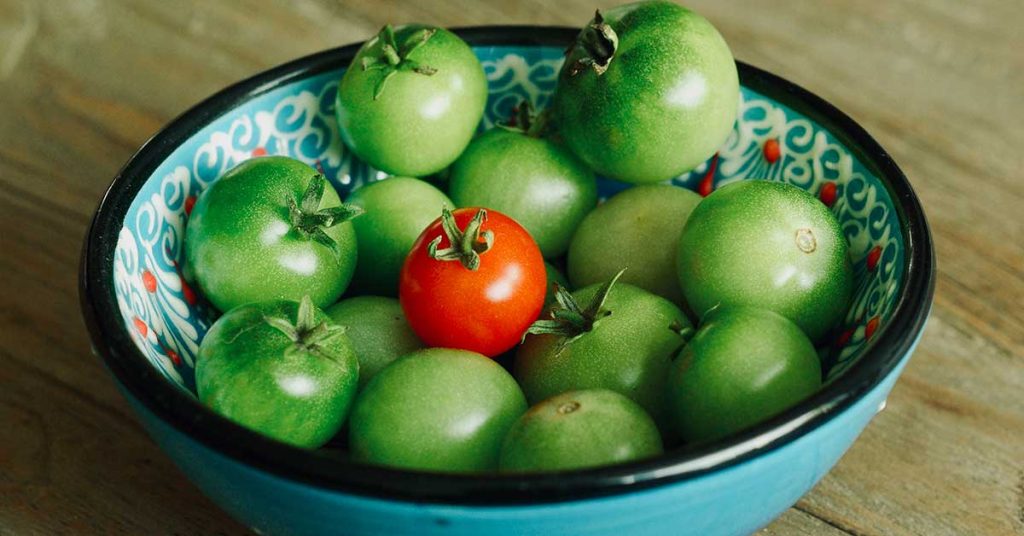
Not all of your tomatoes will have time to ripen on the vine, but that doesn’t mean they’re lost! Harvesting green tomatoes in September can still yield delicious results. In fact, some green tomatoes will ripen indoors if given enough time and the right conditions. I’ve had great success with picking green tomatoes just before the first frost and letting them ripen on a sunny windowsill or in a paper bag with a ripe banana. This method extends your harvest window, allowing you to enjoy fresh tomatoes even after the growing season has ended.
If you’re left with a lot of green tomatoes that won’t ripen, don’t worry—there are plenty of ways to use them. Green tomatoes can be pickled, fried, or made into chutney, preserving their unique flavor in different ways. It’s such a bummer to lose good produce to the cold, but with a bit of creativity, you can turn those unripe fruits into something delicious. Whether you’re ripening them indoors or embracing their green state, harvesting your tomatoes in September ensures that you get the most out of your plants before the season comes to a close.
Mulching: Protecting Your Plants and Conserving Heat
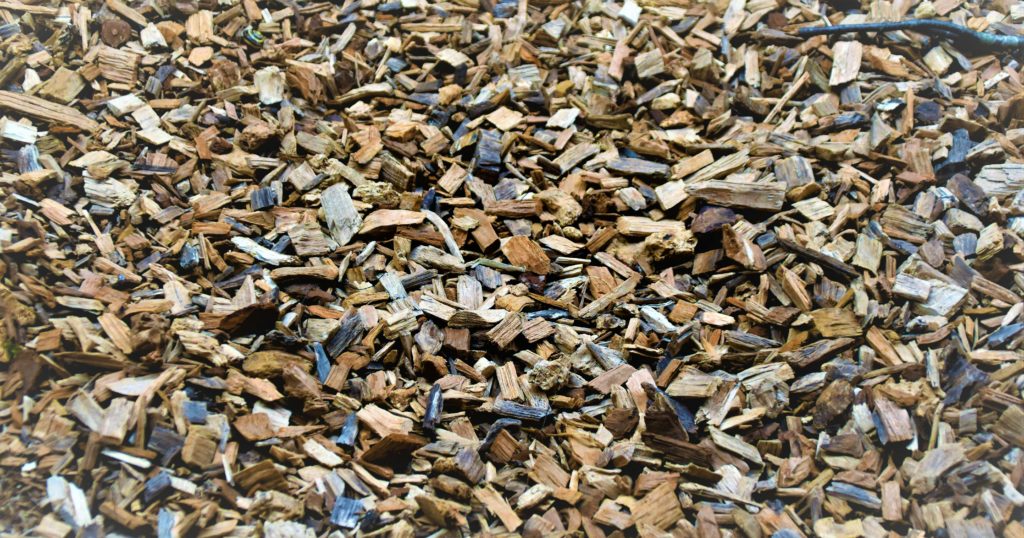
Mulching is a technique that can be particularly beneficial in September as the temperatures start to drop. A good layer of mulch helps to conserve the heat in the soil, which is critical for ripening tomatoes in the cooler weather. I’ve found that using straw, shredded leaves, or even grass clippings as mulch can make a significant difference in extending the growing season. By keeping the soil warm, you give your tomato plants a little extra time to finish ripening those last fruits.
In addition to conserving heat, mulching also helps retain moisture in the soil, which is crucial as you begin to reduce watering. It can be tricky to strike the right balance between reducing water and keeping the plants from drying out, but mulch can help by slowing evaporation. Plus, as a bonus, mulch suppresses weeds that compete with your tomato plants for nutrients, ensuring that all available resources go to the tomatoes themselves. By mulching around your tomato plants, you’re giving them the best possible conditions to ripen those last few fruits before the season ends.
Removing Lower Leaves: Improving Air Circulation and Light Penetration
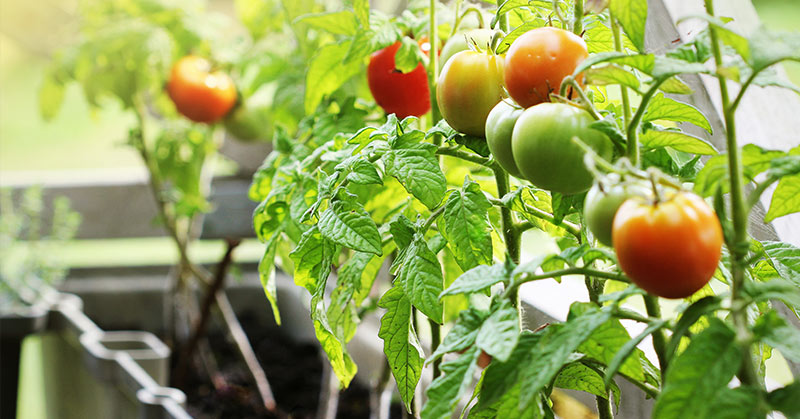
As your tomato plants reach the end of their growing season, it’s a good idea to remove some of the lower leaves. These leaves are often the first to yellow and die back as the plant ages, and they can harbor diseases like blight, which can spread upward and affect the fruit. I’ve noticed that removing these lower leaves not only helps prevent disease but also improves air circulation and light penetration to the lower part of the plant, both of which are crucial for ripening tomatoes.
When you remove the lower leaves, you’re also helping to expose the fruit to more direct sunlight, which can speed up the ripening process. It’s particularly important if your plants are densely packed or if you’ve had a particularly wet season, as excess foliage can create a humid environment that encourages disease. By tidying up your plants in this way, you’re ensuring that all their energy is focused on ripening the remaining fruit rather than sustaining unnecessary leaves. It’s a small step that can make a big difference in your final harvest, helping you get the most out of your tomatoes before the season ends.