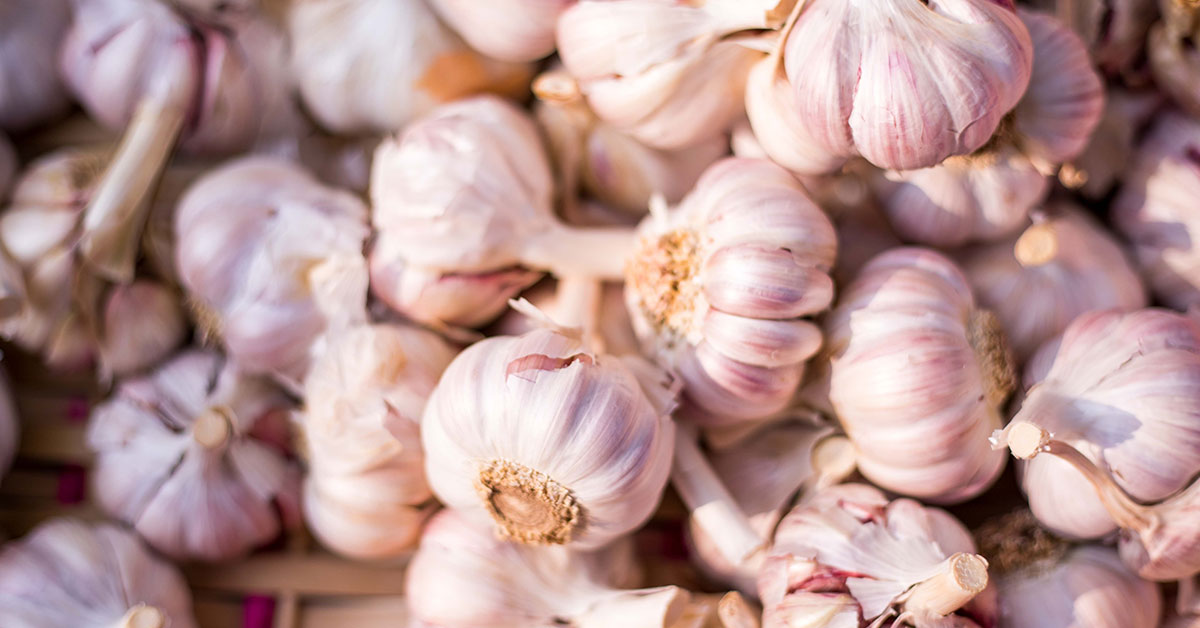

Garlic is one of those indispensable ingredients in the kitchen—whether you’re whipping up a hearty pasta sauce or adding a zing to your roasted vegetables, garlic is a must-have. But have you ever wondered how much garlic you need to plant in September to ensure you have enough to last an entire year? It’s not just about filling your garden beds; it’s about planning for a steady supply that will keep your kitchen stocked until the next harvest. As a gardener, there’s nothing more satisfying than harvesting your garlic, knowing that each clove you plant today will yield a full bulb in just a few months. With a bit of planning and foresight, you can easily grow enough garlic to last you through all your culinary adventures!
I completely understand the frustration of running out of garlic mid-year—who hasn’t been there? The good news is that garlic is relatively easy to grow, and with the right amount of space, you can ensure a year-round supply. However, deciding how much to plant depends on a few factors: how much garlic you typically use, the size of your household, and how much storage space you have for the bulbs. In this article, I’ll break down everything you need to know to plant the perfect amount of garlic in September, so you’re not left garlic-less come next summer.
Understanding Your Garlic Needs
The first step in determining how much garlic to plant is understanding your garlic consumption. On average, a single person might use about one to two bulbs of garlic per month. This means if you’re planning for a year’s supply, you’ll want to aim for around 12 to 24 bulbs per person. However, this can vary significantly depending on your cooking habits. If you’re like me and use garlic in nearly every meal, you might want to double that estimate! Keep in mind that different varieties of garlic produce different sizes of bulbs, so it’s essential to consider whether you’re planting a hardneck or softneck variety.
Hardneck garlic, which is native to Central Asia, typically produces fewer but larger cloves, while softneck garlic, which is more common in warmer climates, produces more cloves per bulb, but they tend to be smaller. If you’re growing hardneck garlic, you might need to plant more to ensure you have enough cloves for your needs. It’s also worth noting that garlic stores best when kept in a cool, dry place, so if you’re planning to store your garlic for the entire year, make sure you have a suitable storage area to keep your bulbs in prime condition.
How Much Space You’ll Need
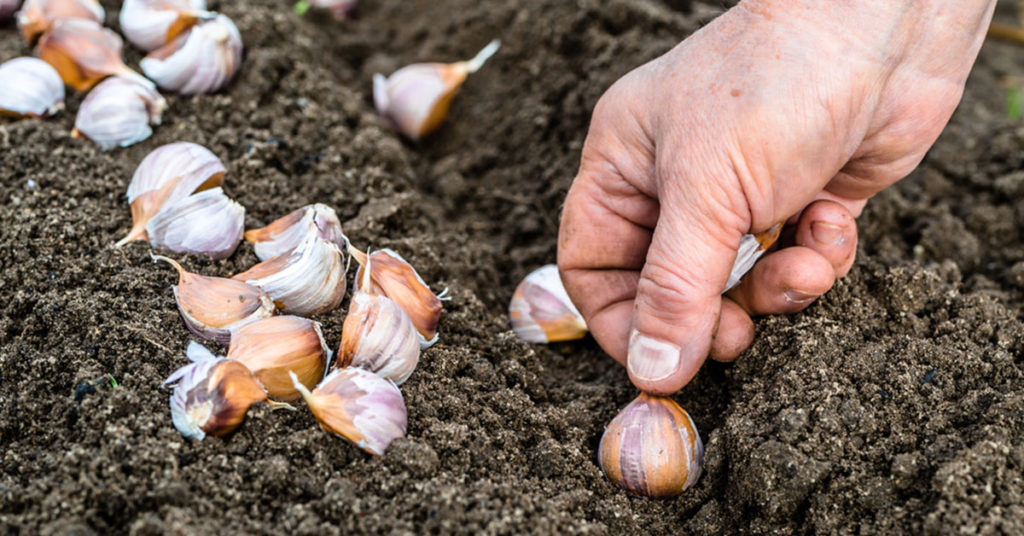
Once you’ve figured out how much garlic you need, the next step is to determine how much space you’ll need to plant it. Garlic is typically planted about 6 inches apart in rows that are spaced about a foot apart. Each clove you plant will grow into a full bulb, so if you’re planning to grow 100 bulbs (which would be a good estimate for a family of four), you’ll need about 25 square feet of garden space. That might sound like a lot, but garlic is quite space-efficient compared to other crops, and it’s definitely worth dedicating the space for such a versatile vegetable.
If you’re tight on garden space, consider interplanting garlic with other crops that have complementary growing habits. Garlic does well when planted near tomatoes, peppers, and even some flowers like marigolds, which can help deter pests. And speaking of pests, garlic is excellent for keeping away unwanted visitors like aphids and even some larger critters like rabbits. It’s not invasive, so you don’t have to worry about it spreading uncontrollably, but it will happily fill the space you give it. I’ve found that dedicating a specific bed or section of the garden to garlic ensures that you have plenty for the year without crowding out your other plants.
Timing Your Planting
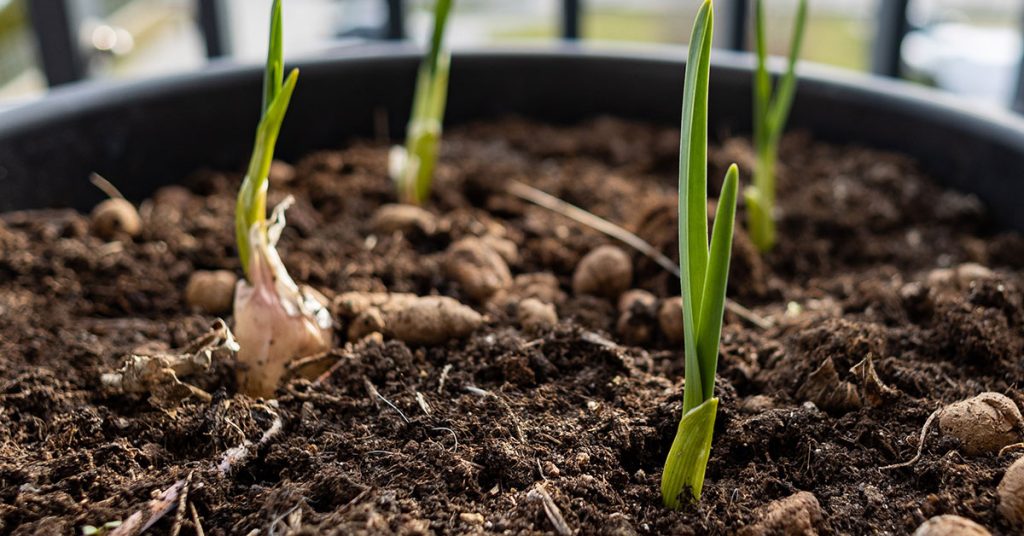
Timing is crucial when it comes to planting garlic for a year’s supply. September is the ideal month to plant garlic in most climates because it allows the cloves to establish roots before the winter cold sets in. Garlic needs a period of cold dormancy to produce large, flavorful bulbs, so planting in September gives it just the right amount of time to go through this process. By the time spring rolls around, your garlic will be ready to burst into growth, giving you a healthy crop by early summer.
If you’re in a warmer climate where winters are mild, you might need to wait until October or even November to plant your garlic. The key is to ensure that the cloves have enough time to establish roots before the first hard frost, but not so much time that they start to sprout above ground. I know it can be tricky to time things just right, but garlic is surprisingly forgiving. Even if you plant a little late or early, as long as it has enough cold exposure, you’ll still end up with a decent harvest.
Storing Your Harvest
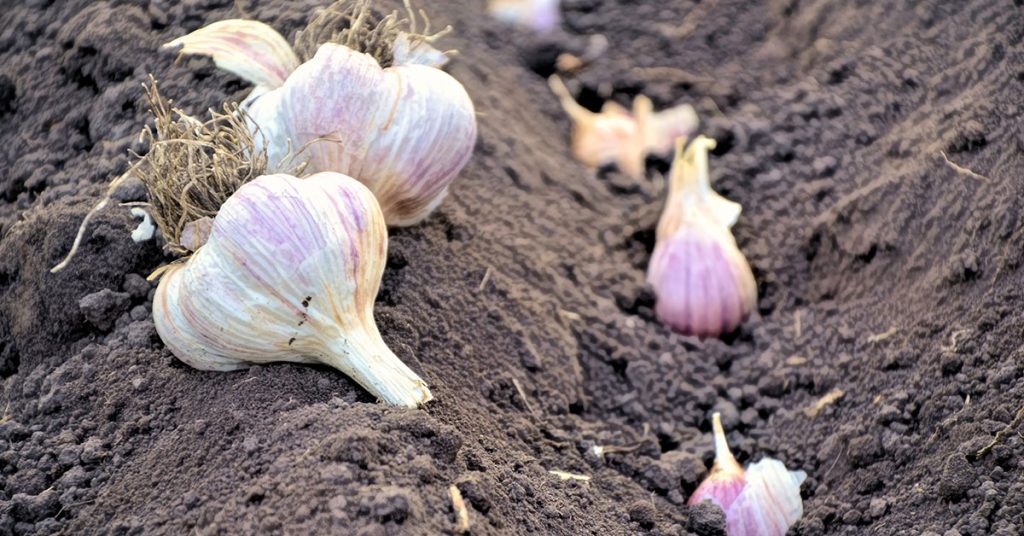
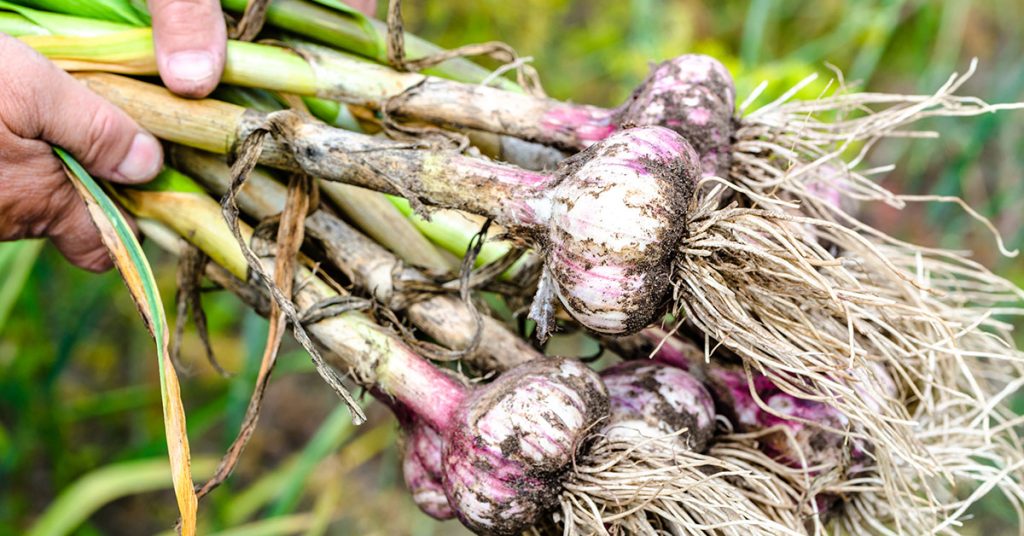
After you’ve harvested your garlic in the summer, proper storage is essential to ensure it lasts through the year. Once you’ve pulled your garlic from the ground, you’ll need to cure it—this simply means allowing it to dry out in a well-ventilated, shady spot for a few weeks. Curing helps the garlic develop a protective outer layer, which is crucial for long-term storage. Once it’s fully cured, you can trim the roots and stalks and store your garlic in a cool, dry place.
If stored correctly, garlic can last for several months, with softneck varieties typically storing longer than hardneck ones. You’ll want to check your stored garlic regularly for any signs of mold or sprouting, and use up any bulbs that show these signs first. There’s nothing more frustrating than discovering that your carefully harvested garlic has spoiled because it wasn’t stored properly. With a little care, though, you can keep your garlic fresh and flavorful all year long.
Preparing for the Next Season
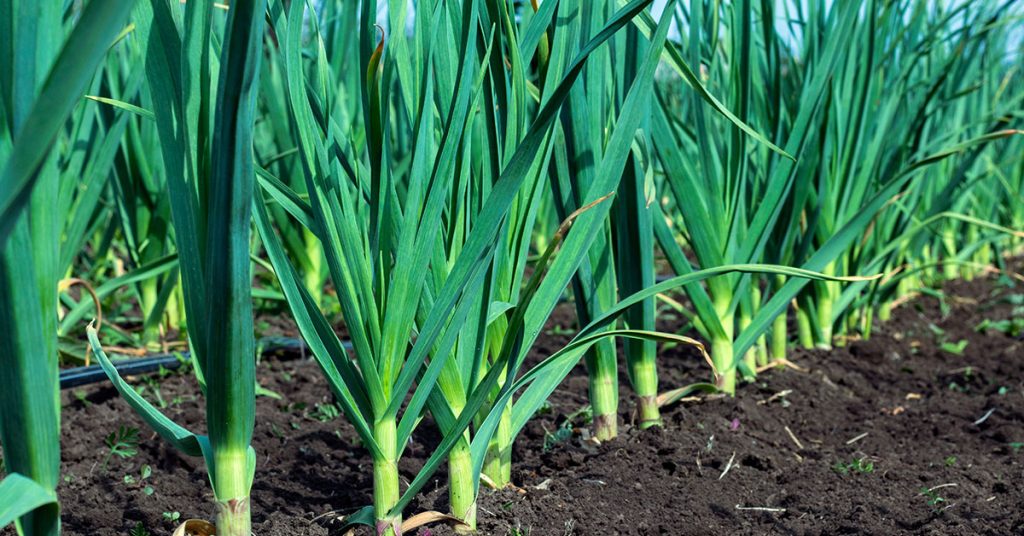
Finally, don’t forget to set aside some of your harvested garlic to plant again next year! Garlic is a self-sustaining crop, meaning that the cloves you plant this year will produce the bulbs you’ll use to plant next year’s crop. This creates a wonderful cycle where each year’s harvest not only feeds you but also prepares you for the next growing season. Make sure to choose the largest, healthiest bulbs from your harvest to replant, as these will give you the best yield.
I always get excited at this point because it’s a reminder of the full-circle nature of gardening. There’s something incredibly satisfying about knowing that the garlic you’re planting in September is part of a tradition that stretches back generations. Plus, with each passing year, you’ll become more in tune with how much garlic you need to plant to meet your family’s needs. So go ahead and plant that garlic—your future self will thank you for it!
Planting garlic in September is not only a practical choice for ensuring a year-round supply, but it’s also a rewarding experience that connects you with the rhythms of the earth. With a little planning and preparation, you can grow enough garlic to keep your kitchen well-stocked through the entire year.