
If you’ve spent any time researching garden remedies, you’ve probably come across Epsom salt as a supposed miracle cure for a variety of plant issues. From boosting growth to enhancing flower color, Epsom salt is often touted as a cheap and effective solution for just about everything in the garden. But like many things that seem too good to be true, the benefits of Epsom salt are often overstated, and in some cases, using it could do more harm than good. Before you sprinkle Epsom salt around your plants, it’s important to understand what it actually does—and doesn’t—do for your garden.
Epsom salt, which is actually magnesium sulfate, does have its uses in gardening, but relying on it as a catch-all solution can lead to disappointing results and even potential damage to your plants. While it’s easy to get caught up in the hype, especially when you’re eager to find quick fixes for common garden problems, a more thoughtful approach can save you time, money, and effort in the long run. Let’s explore why Epsom salt might not be the miracle cure it’s often made out to be and what you should consider before adding it to your garden.
Limited Nutritional Benefit
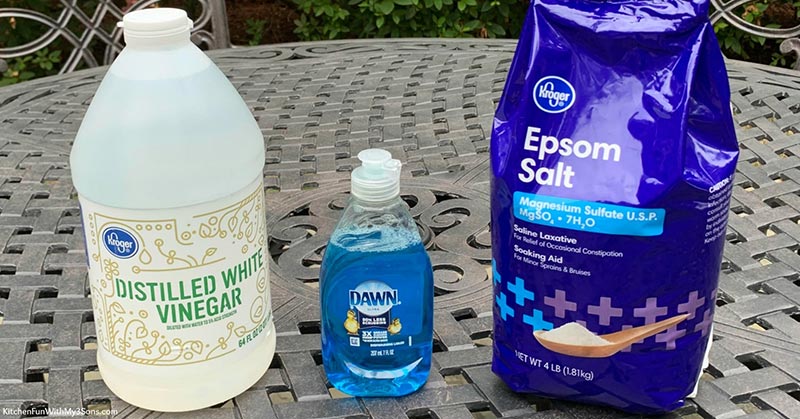
One of the main reasons people turn to Epsom salt in the garden is to provide plants with magnesium, a vital nutrient that plays a key role in photosynthesis and overall plant health. While it’s true that magnesium is important, it’s also important to understand that not all plants require additional magnesium, and adding Epsom salt to soil that isn’t deficient can actually lead to nutrient imbalances. Most garden soils already contain sufficient magnesium, and in cases where magnesium deficiency is suspected, a soil test is the best way to determine if supplementation is necessary.
Using Epsom salt indiscriminately can lead to an excess of magnesium in the soil, which can interfere with the uptake of other essential nutrients, such as calcium and potassium. This can result in weakened plants that are more susceptible to disease and pests. Instead of reaching for Epsom salt as a quick fix, it’s better to focus on maintaining healthy soil through organic matter, compost, and balanced fertilization. By ensuring your soil is well-nourished and properly balanced, you can support your plants’ health without the need for unnecessary supplements.
Not a Cure for Blossom End Rot
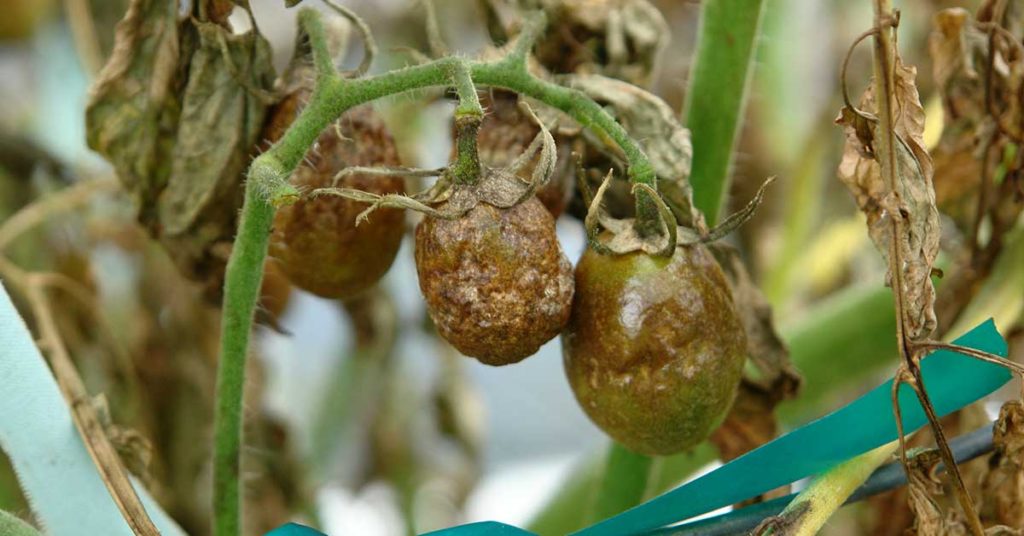
Blossom end rot is a common and frustrating problem in gardens, particularly with tomatoes, peppers, and squash. It’s often characterized by dark, sunken spots on the blossom end of the fruit, and many gardeners mistakenly believe that Epsom salt can prevent or cure it. However, blossom end rot is actually caused by a calcium deficiency, not a lack of magnesium, so adding Epsom salt won’t address the root of the problem. In fact, adding more magnesium to the soil can sometimes make the situation worse by further inhibiting calcium uptake.
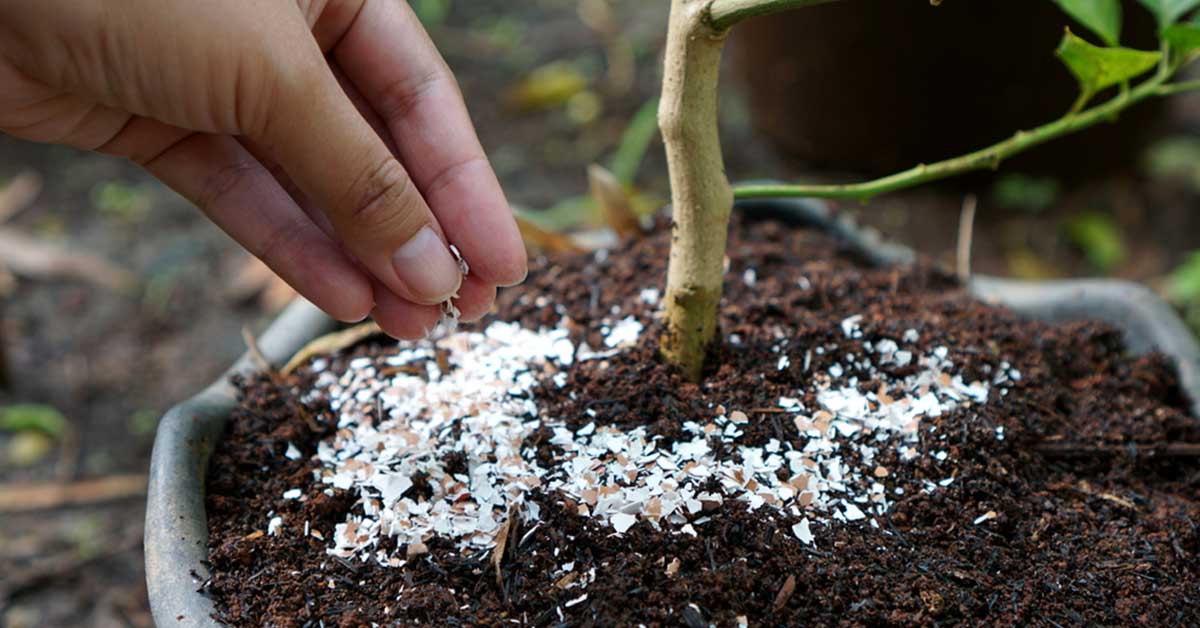
The best way to prevent blossom end rot is to ensure that your plants have consistent access to water and calcium. This can be achieved by maintaining even soil moisture, using mulch to retain water, and applying calcium-rich amendments, such as crushed eggshells or gypsum. If you’re dealing with blossom end rot, it’s important to focus on improving your soil’s calcium levels and watering practices rather than relying on Epsom salt, which will not solve the issue.
Potential for Soil Contamination
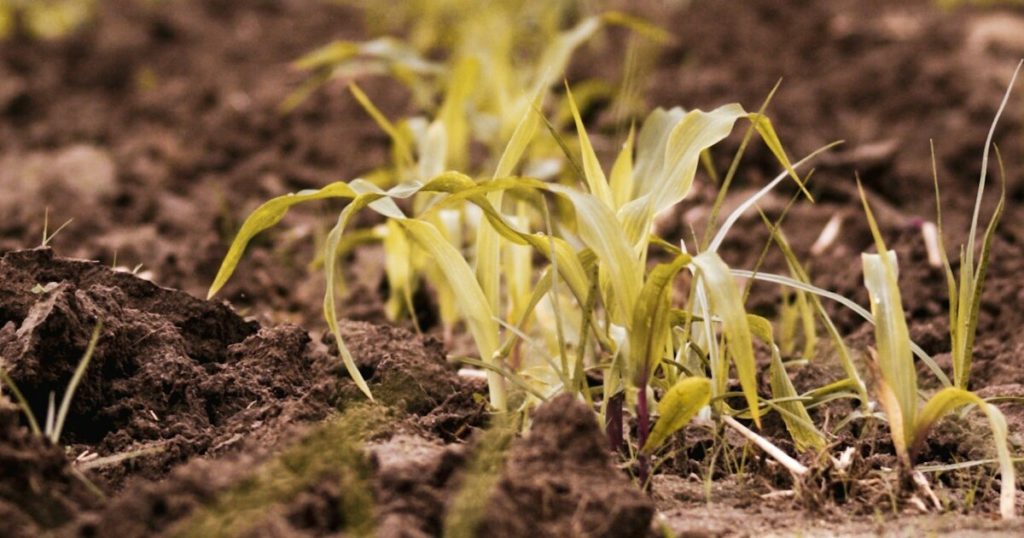
Another concern with the overuse of Epsom salt in the garden is the potential for soil contamination. Magnesium sulfate is a soluble salt, which means it can easily leach into the soil and groundwater, particularly in areas with high rainfall or heavy irrigation. Over time, the buildup of salts in the soil can lead to reduced soil fertility, poor plant growth, and even contamination of nearby water sources. This is particularly problematic in regions where soil salinity is already a concern.
In addition to the environmental impact, excessive salt buildup in the soil can harm beneficial soil organisms, such as earthworms and microbes, that play a crucial role in maintaining soil health. These organisms help break down organic matter, improve soil structure, and make nutrients more available to plants. By relying too heavily on Epsom salt, you risk disrupting this delicate balance and creating a less hospitable environment for your plants. A more sustainable approach is to focus on building healthy soil through organic practices that support a diverse and thriving soil ecosystem.
Misleading Claims About Plant Growth
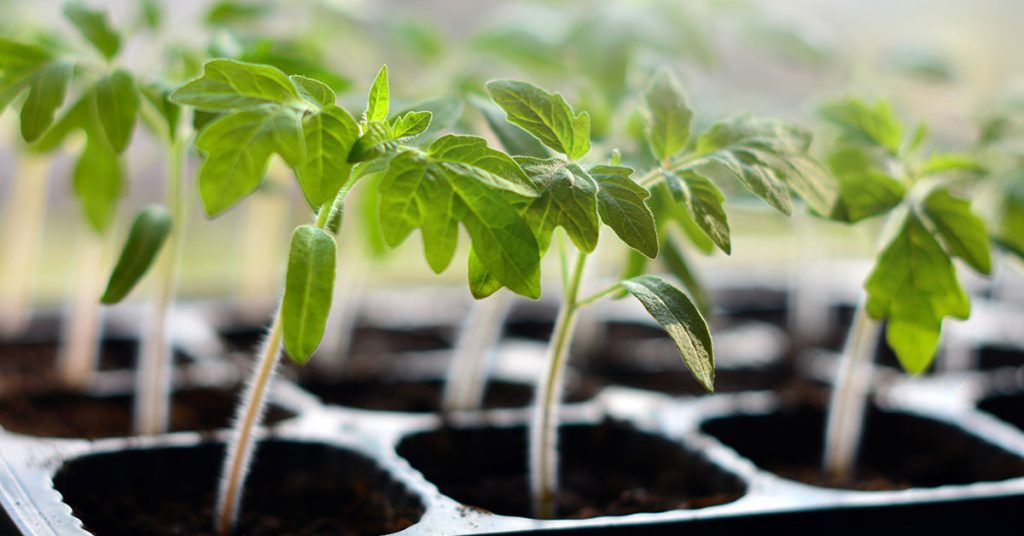
It’s easy to find anecdotal evidence online that Epsom salt can dramatically improve plant growth, but the reality is often more nuanced. While magnesium is indeed important for healthy plant growth, applying Epsom salt isn’t a magic bullet that will make your plants grow faster or larger. In fact, if your soil already has sufficient magnesium, adding more won’t provide any additional benefits and could even lead to nutrient imbalances that stunt growth.
For example, many gardeners use Epsom salt on roses, believing it will enhance flower color and promote bushier growth. However, there’s little scientific evidence to support these claims, and any observed benefits are likely due to other factors, such as improved watering or fertilization practices. If you’re looking to boost plant growth, it’s more effective to focus on providing balanced nutrition, proper watering, and good cultural practices rather than relying on Epsom salt as a catch-all solution.
Can Lead to Overfertilization
One of the risks of using Epsom salt in the garden is the potential for overfertilization. Because it’s easy to apply and inexpensive, gardeners might be tempted to use it frequently, thinking that more is better. However, overapplication of magnesium can lead to a buildup of salts in the soil, which can harm plants and reduce their ability to take up water and nutrients. Symptoms of overfertilization include leaf burn, stunted growth, and a general decline in plant health.
To avoid the pitfalls of overfertilization, it’s important to use any soil amendment, including Epsom salt, judiciously and based on the specific needs of your garden. A soil test is the best way to determine whether your soil is lacking in magnesium or other nutrients. By using targeted, balanced fertilization practices, you can support your plants’ health without the risk of overapplication and its associated problems.
Better Alternatives for Soil Health
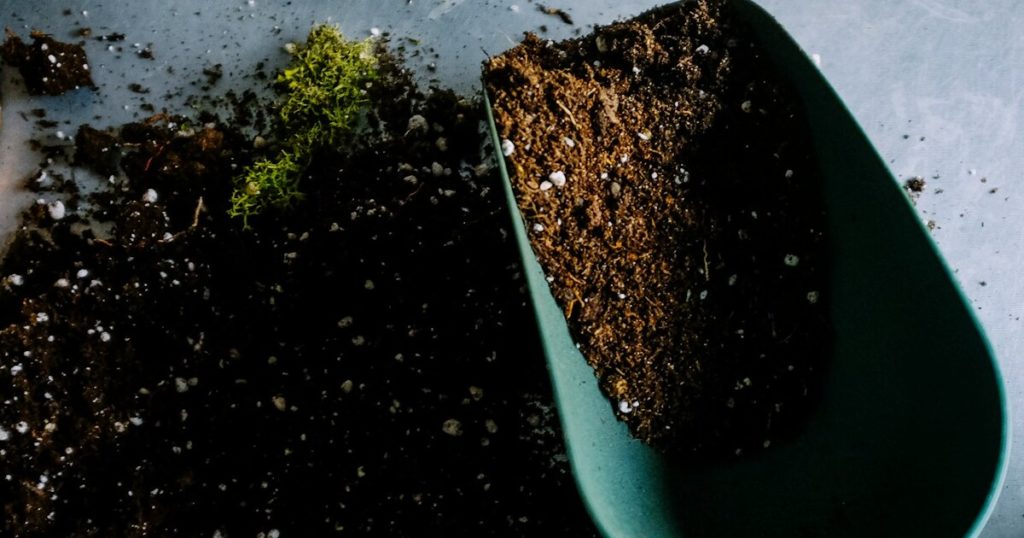
If you’re concerned about your soil’s magnesium levels or looking for ways to improve soil health, there are better alternatives to Epsom salt that offer more comprehensive benefits. Organic matter, such as compost, manure, and leaf mold, not only adds essential nutrients to the soil but also improves soil structure, water retention, and microbial activity. These natural amendments provide a slow-release source of nutrients, ensuring that your plants have a steady supply of what they need without the risk of overfertilization or nutrient imbalances.
Another effective strategy is to use cover crops and crop rotation to improve soil fertility naturally. Cover crops, such as clover or legumes, can help fix nitrogen in the soil, improve soil structure, and increase organic matter. Crop rotation helps prevent the depletion of specific nutrients and reduces the risk of soil-borne diseases. By focusing on these holistic approaches to soil health, you can create a more resilient garden that thrives without the need for quick fixes like Epsom salt.
Understanding Plant Needs
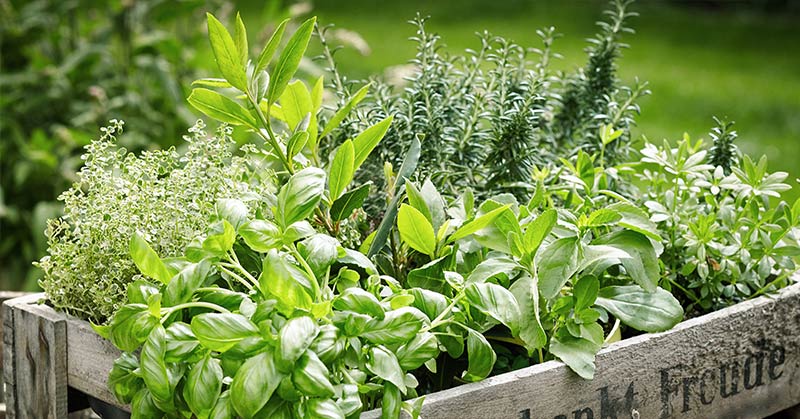
One of the most important aspects of successful gardening is understanding the specific needs of your plants and soil. While Epsom salt can be beneficial in certain situations, such as addressing a confirmed magnesium deficiency, it’s not a cure-all solution that will magically improve plant health or solve every garden problem. By taking the time to observe your plants, test your soil, and learn about the specific requirements of each species, you can tailor your gardening practices to meet their needs more effectively.
This thoughtful approach to gardening not only leads to healthier plants but also helps you avoid unnecessary interventions that could do more harm than good. Instead of relying on one-size-fits-all remedies like Epsom salt, focus on building a strong foundation for your garden through healthy soil, proper watering, and good cultural practices. By doing so, you’ll create a garden that’s more resilient, productive, and beautiful, with less need for quick fixes and miracle cures.
While Epsom salt has its place in gardening, it’s not the miracle cure it’s often made out to be. Overreliance on Epsom salt can lead to nutrient imbalances, soil contamination, and other problems that can harm your garden in the long run. By taking a more thoughtful and informed approach to soil health and plant care, you can create a garden that thrives naturally, without the need for quick fixes.