
Borage, with its stunning blue star-shaped flowers, is a must-have for any garden. Native to the Mediterranean region, this versatile and resilient plant has been cherished for centuries for its beauty, medicinal properties, and culinary uses. If you’re looking to add a touch of charm and practicality to your garden, borage is an excellent choice. Not only does it thrive in a variety of conditions, but it also offers numerous benefits to both your garden ecosystem and your kitchen.
In this article, we’ll explore why borage should have a place in your garden, from its role in attracting pollinators to its uses in the kitchen and beyond. Whether you’re a seasoned gardener or just starting out, the vibrant blue flowers of borage are sure to captivate your heart and enhance your gardening experience. Let’s dive into the many reasons why borage is a plant that no garden should be without!
Attracting Pollinators
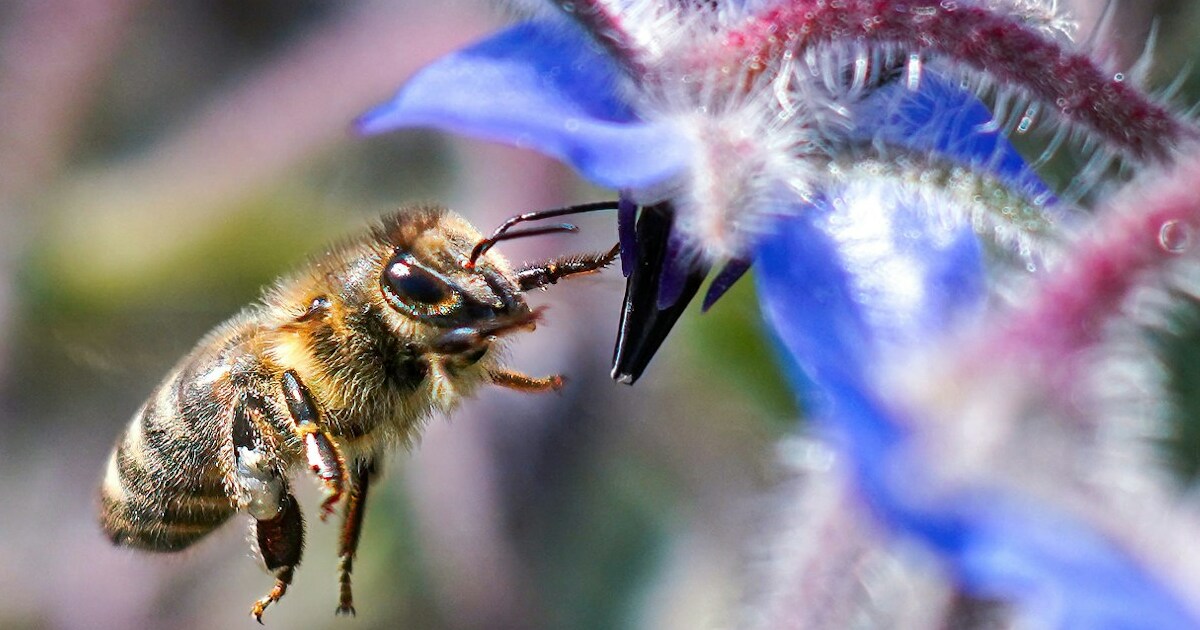
One of the most compelling reasons to grow borage in your garden is its ability to attract pollinators, particularly bees. Borage is often referred to as a “bee plant” because its nectar-rich flowers are a magnet for honeybees and other pollinators. The star-shaped blooms are open and easily accessible, making it easy for bees to collect nectar and pollen. By planting borage, you’re not only enhancing the beauty of your garden but also supporting the health of local pollinator populations, which are essential for the fertilization of many fruits and vegetables.
In addition to bees, borage flowers attract a variety of other beneficial insects, including butterflies and hoverflies. These insects play a crucial role in maintaining the balance of your garden ecosystem by pollinating plants and preying on pests. If you’re looking to create a garden that’s buzzing with life, borage is an excellent plant to include. Its continuous blooming throughout the growing season ensures that your garden remains a haven for pollinators from spring through fall.
Easy to Grow and Maintain
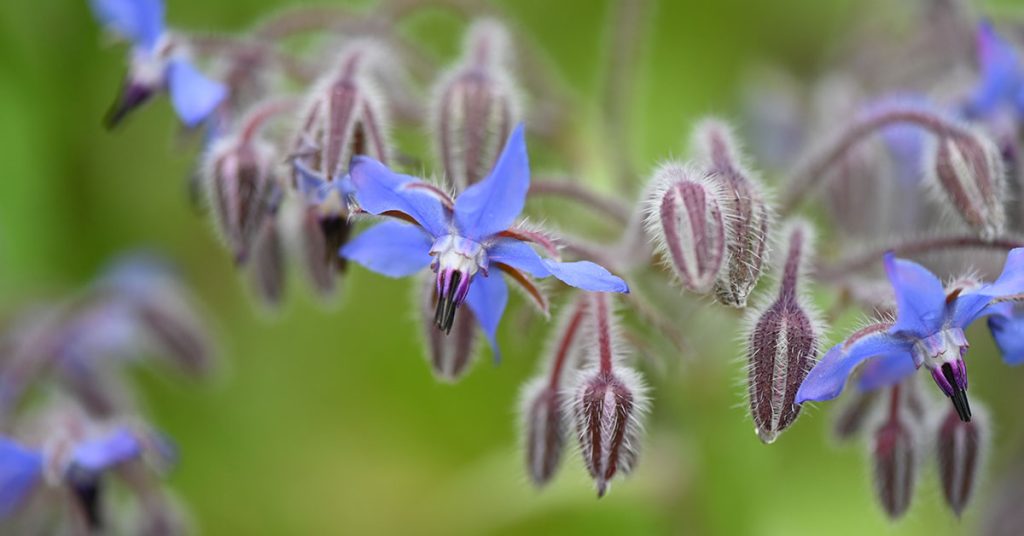
Borage is a gardener’s dream when it comes to ease of cultivation. This hardy annual is incredibly resilient and can thrive in a wide range of conditions. Borage prefers full sun but can tolerate partial shade, making it adaptable to various garden spots. It’s also tolerant of poor soil, though it will perform best in well-drained soil enriched with organic matter. Once established, borage is relatively drought-tolerant, requiring minimal watering to stay healthy and vibrant.
One of the most appealing aspects of borage is its ability to self-seed. After blooming, borage will drop its seeds, which will germinate the following year, ensuring a continuous display of beautiful blue flowers with little effort on your part. However, it’s not invasive, so you won’t have to worry about it taking over your garden. Simply allow the seedlings to grow where they are, or transplant them to another part of your garden if needed. Borage’s low-maintenance nature makes it an ideal choice for gardeners of all experience levels.
Culinary Uses

Beyond its ornamental value, borage is a versatile herb with a variety of culinary uses. The leaves and flowers of borage are edible and have a mild cucumber-like flavor, making them a unique addition to salads, soups, and summer drinks. The fresh leaves can be chopped and added to salads or used as a garnish, while the flowers make a stunning edible decoration for desserts and beverages. Borage flowers can also be frozen into ice cubes for a beautiful touch to your summer drinks.
In addition to its fresh uses, borage leaves can be cooked like spinach or used to flavor sauces and stews. The flowers can also be used to make borage tea, which is believed to have a cooling and calming effect. Rich in vitamins and minerals, borage is not only a flavorful addition to your kitchen but also a nutritious one. Growing borage in your garden allows you to have fresh, organic herbs and flowers at your fingertips, ready to enhance your culinary creations.
Medicinal Benefits
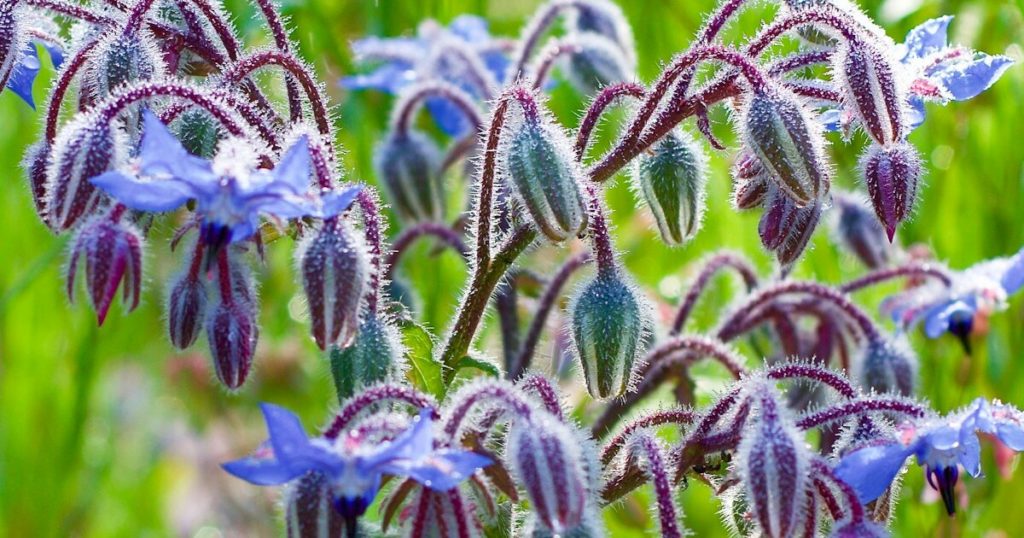
Borage has a long history of use in traditional medicine, particularly for its anti-inflammatory and calming properties. The plant is rich in gamma-linolenic acid (GLA), an essential fatty acid that has been shown to support skin health and reduce inflammation. Borage oil, extracted from the seeds, is commonly used in skincare products and supplements for its potential benefits in treating conditions like eczema and arthritis.
The leaves and flowers of borage can also be used to make herbal teas that are believed to have soothing effects on the respiratory system and help alleviate stress and anxiety. In the past, borage was often used as a tonic to lift the spirits, earning it the nickname “herb of gladness.” While more research is needed to fully understand the medicinal properties of borage, it’s clear that this plant has much to offer beyond its beauty. Having borage in your garden allows you to explore its potential benefits firsthand.
Companion Planting Benefits
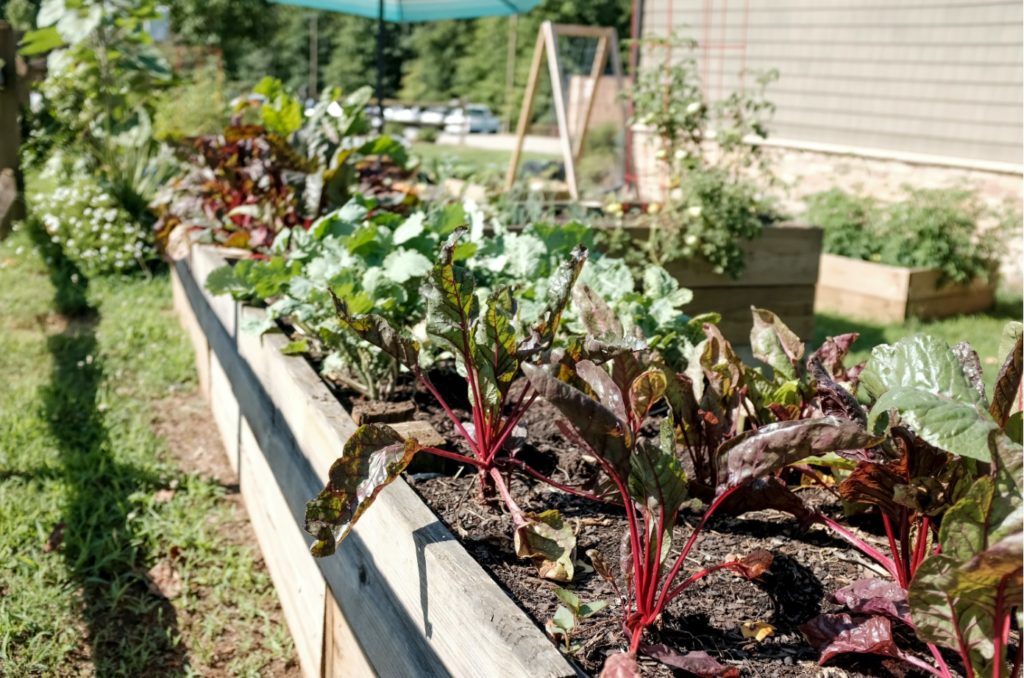
Borage is not just beneficial to pollinators; it also plays a valuable role in companion planting. This plant is known to improve the growth and flavor of nearby vegetables, particularly tomatoes, strawberries, and cucumbers. The presence of borage is believed to deter common garden pests like tomato hornworms and cabbage worms, making it a natural pest repellent. Additionally, the deep roots of borage help to break up compacted soil, improving soil structure and allowing nutrients to reach the roots of neighboring plants.
Another benefit of companion planting with borage is its ability to attract beneficial insects that prey on pests. For example, borage can attract parasitic wasps, which help control aphid populations. By incorporating borage into your garden, you’re not only adding beauty but also creating a more balanced and healthy garden ecosystem. It’s a win-win for both your plants and the environment.
Enhances Soil Health
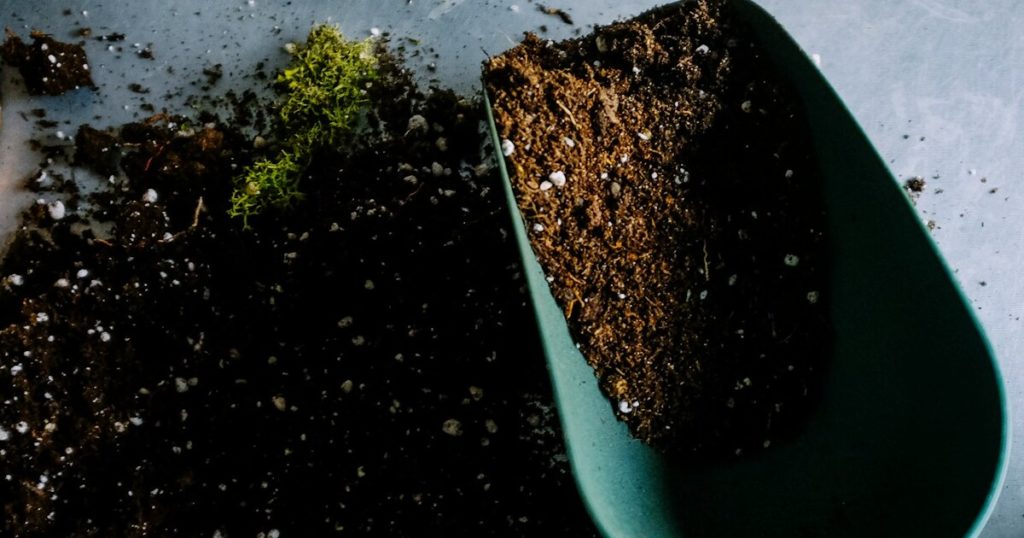
Borage is more than just a pretty face in the garden; it also contributes to soil health in several ways. As a dynamic accumulator, borage draws up nutrients like potassium and calcium from deep within the soil and deposits them in its leaves. When the plant decomposes, these nutrients are returned to the soil, enriching it for future plantings. This natural fertilization process can help improve soil fertility over time, reducing the need for synthetic fertilizers.
Furthermore, borage’s deep root system helps to prevent soil erosion by stabilizing the soil, especially on slopes or in areas prone to runoff. The roots also improve soil aeration and drainage, creating a better growing environment for other plants. If you’re looking to improve the health and sustainability of your garden, borage is an excellent plant to include in your rotation. Its contributions to soil health make it a valuable addition to any garden, especially in organic and permaculture systems.
Adds Year-Round Interest

While borage is typically grown for its stunning blue flowers, it also adds year-round interest to the garden. In the spring, the young plants emerge with fuzzy, silvery-green leaves that add texture and contrast to your garden beds. As the weather warms, the plant produces its signature star-shaped flowers, which bloom continuously throughout the summer and into the fall. The combination of foliage and flowers creates a dynamic display that changes with the seasons.
Even after the flowers have faded, borage continues to add visual interest with its distinctive seed pods, which can be left on the plant to self-seed or collected for future planting. The dried seed pods and stems can also be used in dried flower arrangements or crafts, extending the usefulness of borage beyond the growing season. By including borage in your garden, you’ll enjoy its beauty and benefits from spring through fall.
Supports Wildlife
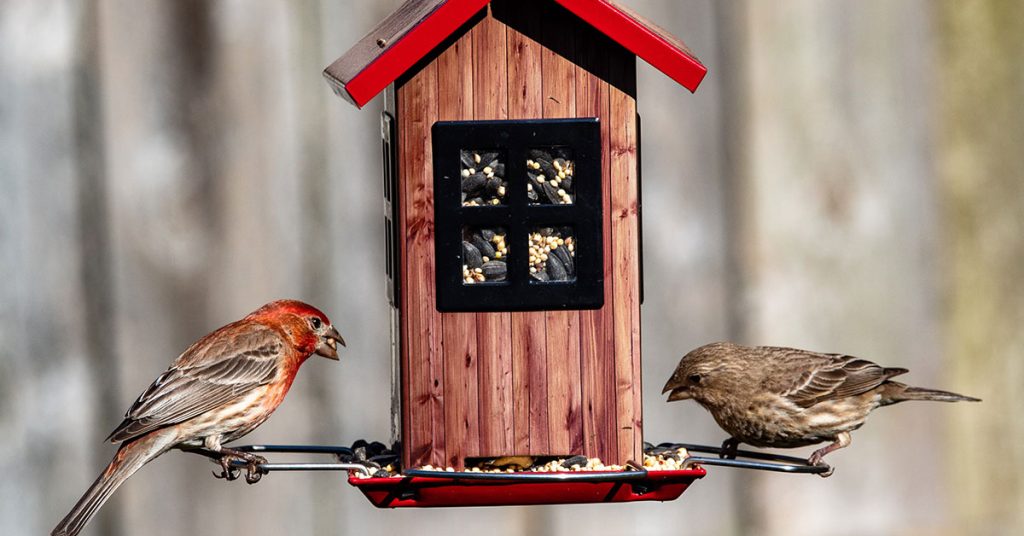
In addition to attracting pollinators, borage provides food and habitat for a variety of wildlife. Birds are particularly fond of borage seeds, which they’ll happily snack on once the flowers have faded. Leaving the plants to go to seed can help support local bird populations, especially during the late summer and fall when food sources can become scarce. The dense foliage of borage also offers shelter for small mammals and insects, creating a mini-ecosystem within your garden.
By supporting a diverse range of wildlife, borage contributes to the overall health and resilience of your garden. A garden that attracts and sustains wildlife is more likely to thrive, as beneficial insects and birds help control pests and pollinate plants. Growing borage is a simple way to make your garden more wildlife-friendly, contributing to biodiversity and the well-being of local ecosystems.
Aesthetically Pleasing

There’s no denying that borage is a beautiful plant, and its striking blue flowers are a showstopper in any garden setting. The vibrant color of the blooms contrasts beautifully with the plant’s fuzzy green foliage, creating a visual impact that’s hard to ignore. Borage’s delicate flowers add a touch of whimsy and charm to cottage gardens, herb gardens, and pollinator gardens alike. Whether planted en masse or as a single specimen, borage never fails to draw attention and admiration.
In addition to its color, the unique star shape of the borage flowers adds an interesting architectural element to the garden. The flowers are held on tall, sturdy stems that sway gently in the breeze, adding movement and life to the garden. If you’re looking to create a garden that’s as beautiful as it is functional, borage is a perfect choice. Its aesthetic appeal makes it a standout plant that enhances the overall design of your garden.
Why Borage?
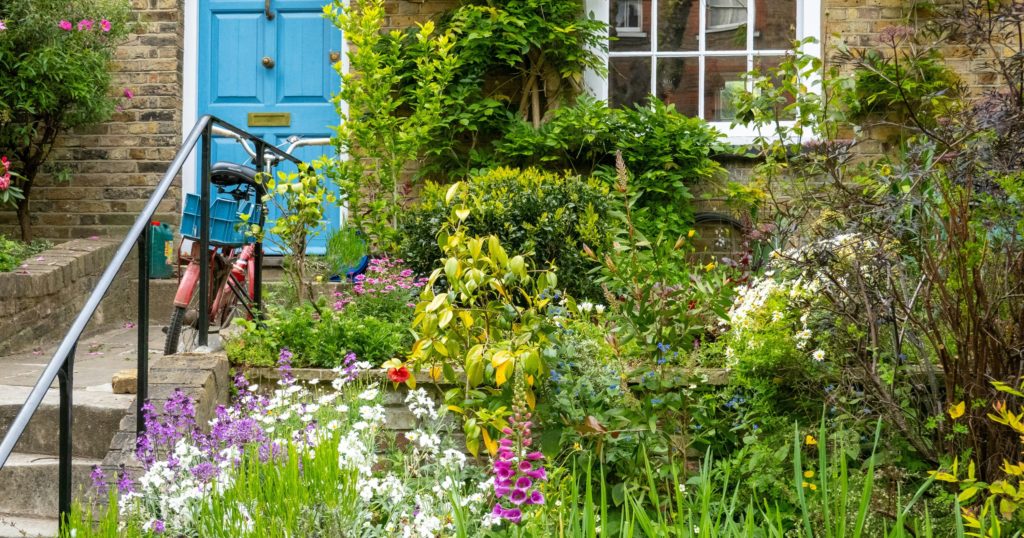
Borage is a versatile, easy-to-grow plant that brings a host of benefits to any garden. From attracting pollinators and improving soil health to offering culinary and medicinal uses, borage is a true garden workhorse with a stunning appearance. Its ability to self-seed ensures that it will return year after year, providing continuous beauty and utility with minimal effort on your part.
Whether you’re looking to create a pollinator-friendly garden, enhance your soil, or simply enjoy the beauty of its blue flowers, borage is a plant that should be on every gardener’s list. Its combination of practicality and aesthetics makes it a valuable addition to any garden, no matter the size or style.