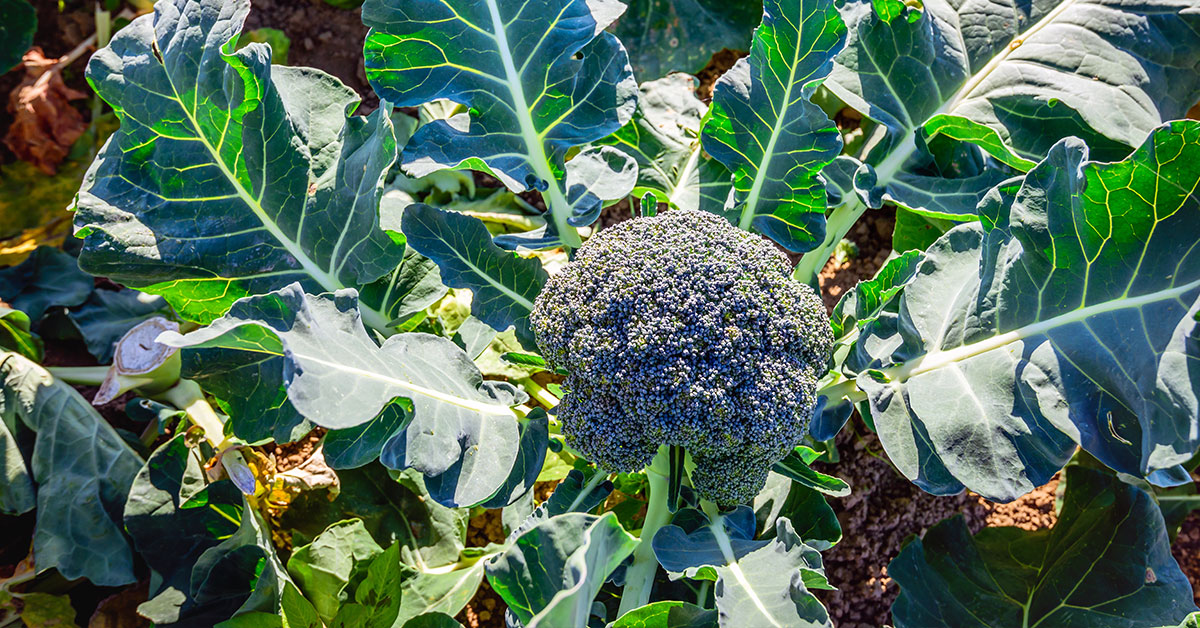

As summer starts to wind down, your garden is gearing up for one last push before the cooler weather arrives. For many gardeners, August is a critical time to ensure that their fall crops, particularly broccoli, are set up for success. Broccoli, a cool-weather vegetable, thrives in the fall, producing tender, flavorful heads when grown under the right conditions. By taking a few key steps in August, you can significantly increase your chances of harvesting large, healthy broccoli heads in the fall.
In this article, we’ll explore essential tips for caring for your broccoli plants in August, from feeding and watering to pest control and spacing. These tips will help you maximize your broccoli yield and ensure that your fall garden is as productive as possible. Whether you’re a seasoned gardener or new to growing broccoli, these insights will guide you toward a bountiful harvest!
Fertilize for Vigorous Growth
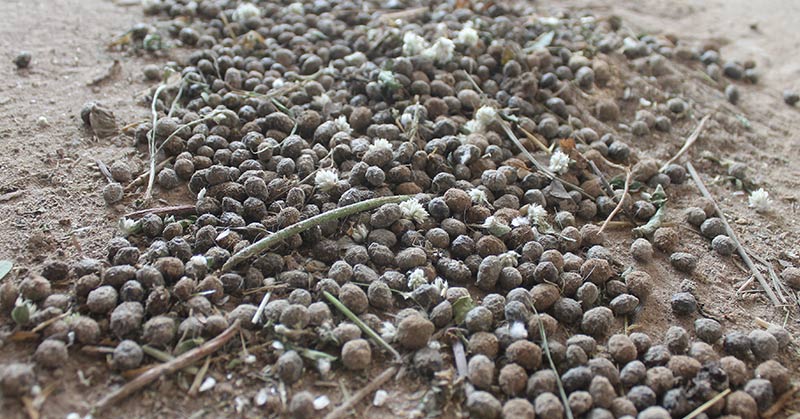
As your broccoli plants continue to grow through August, they need a steady supply of nutrients to support the development of large heads. One of the most important things you can do is to provide them with the right fertilizer. Broccoli is a heavy feeder, particularly in its later stages of growth when it’s building up the energy needed to form those big, dense heads. To ensure your plants get what they need, apply a balanced fertilizer that’s rich in nitrogen, which promotes leafy growth.
However, be careful not to over-fertilize, as this can lead to excessive leaf production at the expense of the heads. A slow-release granular fertilizer can be particularly effective, providing a consistent supply of nutrients without the risk of nutrient burn. If you prefer organic options, consider using compost or well-rotted manure as a top dressing. These not only feed your plants but also improve soil structure, helping your broccoli roots to access water and nutrients more efficiently.
Water Deeply and Consistently
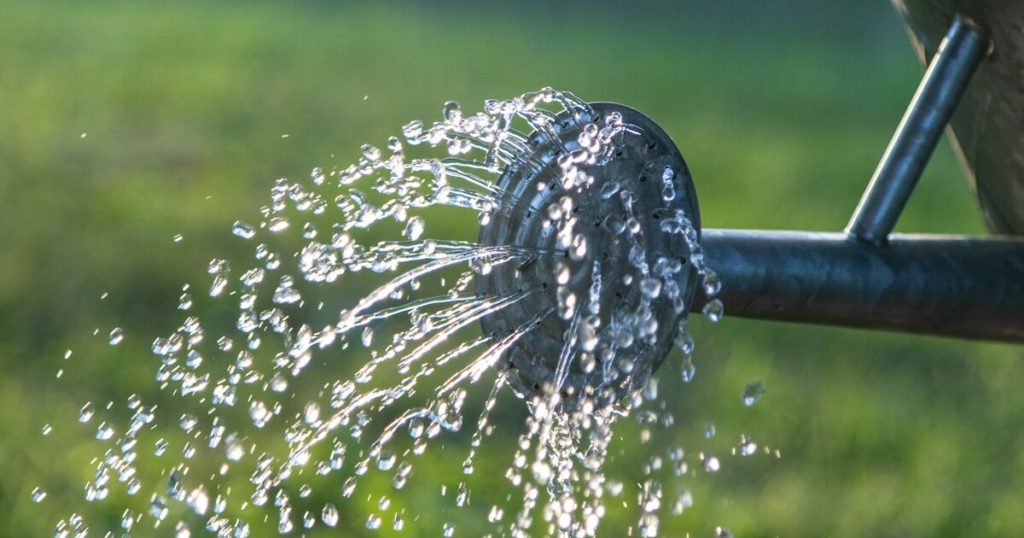
Consistent watering is crucial during August, especially as temperatures can still be quite high in many regions. Broccoli needs plenty of water to develop large, healthy heads, but it’s important to water deeply and consistently rather than frequently and shallowly. Deep watering encourages the roots to grow down into the soil, making the plants more resilient to dry spells and helping them take up more nutrients.
Aim to water your broccoli plants at the base, avoiding the leaves to reduce the risk of fungal diseases. Mulching around the base of the plants can also help retain moisture and keep the soil temperature stable, both of which are beneficial during hot summer days. If possible, water in the early morning or late evening to reduce evaporation and allow the plants to absorb the moisture more effectively. By maintaining a consistent watering schedule, you’ll support strong, continuous growth in your broccoli plants.
Monitor for Pests and Diseases

August can be a challenging time for broccoli plants due to the increased presence of pests and diseases. Common pests like cabbage worms, aphids, and flea beetles can wreak havoc on your plants, reducing yield and potentially ruining your fall harvest. It’s essential to keep a close eye on your broccoli for any signs of pest activity. Regularly inspect the undersides of leaves, where pests often hide, and look for telltale signs like holes in the leaves, sticky residue, or clusters of tiny eggs.
To manage pests, consider using organic methods like neem oil, insecticidal soap, or introducing beneficial insects like ladybugs that prey on common broccoli pests. If you notice any signs of fungal diseases, such as powdery mildew or downy mildew, act quickly by removing affected leaves and applying a fungicide if necessary. Keeping your plants healthy and pest-free in August will go a long way toward ensuring a strong, productive fall harvest.
Thin and Space Plants Appropriately
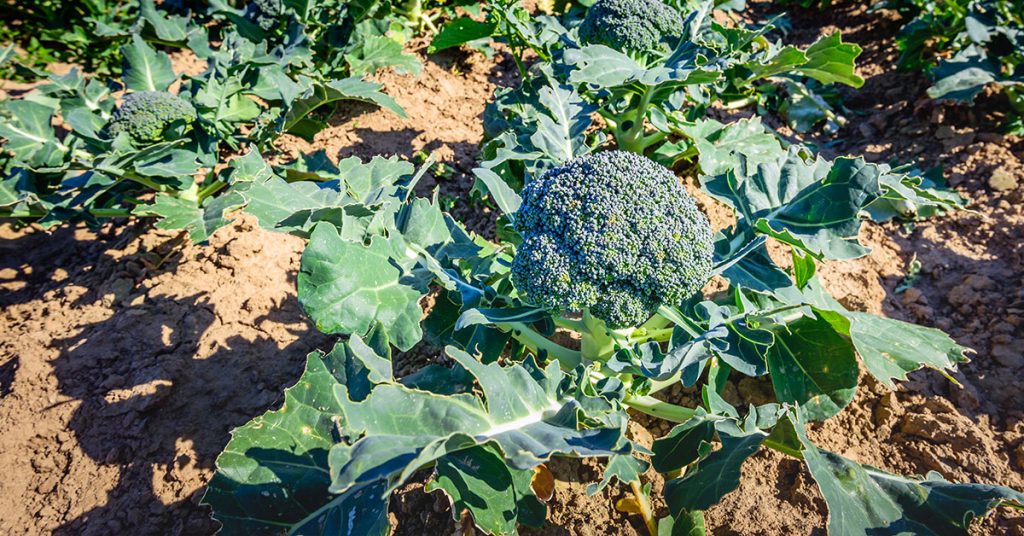
As your broccoli plants grow, it’s important to ensure they have enough space to develop properly. Overcrowding can lead to competition for water, nutrients, and sunlight, which can stunt growth and reduce the size of the heads. In August, take the time to thin out any overcrowded plants, ensuring that each one has enough room to spread out. Ideally, broccoli plants should be spaced about 18 to 24 inches apart, depending on the variety.
If you started with transplants, double-check that they have sufficient room, especially if you planted them closer together in the earlier stages. Proper spacing allows for better air circulation, which reduces the risk of fungal diseases and helps the plants receive more sunlight. By giving your broccoli the space it needs, you’ll encourage the development of large, healthy heads that are free from competition.
Shade and Protect from Extreme Heat
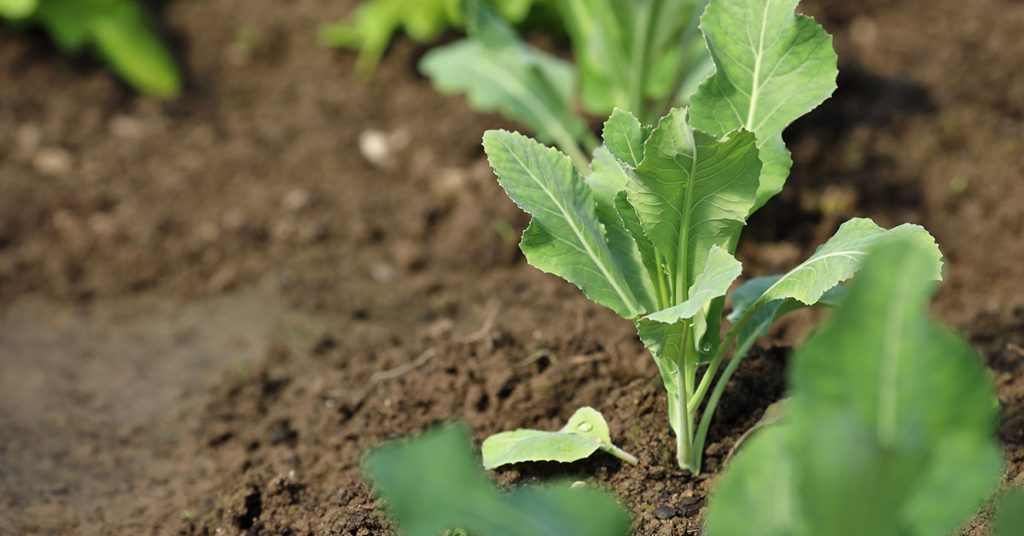
While broccoli thrives in cool weather, the heat of August can be stressful for the plants, especially in hotter climates. To protect your broccoli from heat stress, consider providing some shade during the hottest part of the day. You can use shade cloth, row covers, or even strategically place taller plants nearby to cast shade. Reducing the amount of direct sunlight during peak temperatures can help prevent bolting, where the plant prematurely goes to seed, which can ruin your harvest.
Additionally, keeping the soil cool with mulch can help protect the roots from excessive heat. Choose organic mulches like straw, leaves, or compost, which also contribute to soil health. If you notice your plants starting to wilt or show signs of stress, consider increasing the shade or adding more mulch. By protecting your broccoli from the heat, you’ll ensure they continue to grow vigorously and produce large heads in the fall.
Apply a Light Pruning
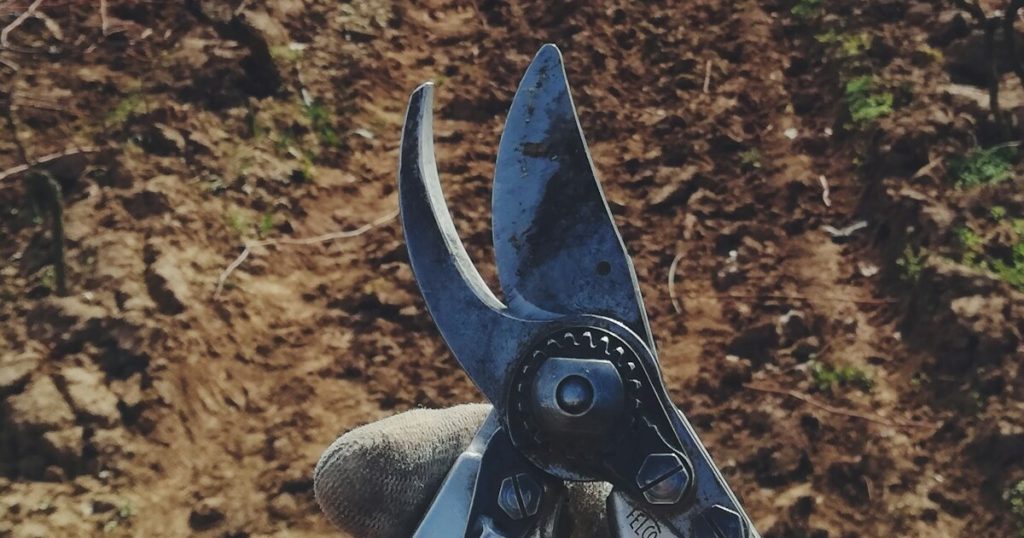
Pruning might not be the first thing you think of when it comes to broccoli, but light pruning in August can help redirect the plant’s energy toward producing bigger heads. If you notice any side shoots or smaller heads starting to form, consider removing them to focus the plant’s resources on the main head. This practice can lead to a larger, more impressive central head, which is often the most desirable part of the plant.
Be careful not to over-prune, as broccoli plants still need plenty of leaves to photosynthesize and produce energy. A few strategic cuts can make a significant difference in the size of your final harvest. Use clean, sharp scissors or pruners to avoid damaging the plant, and always prune in the early morning or late evening to minimize stress. With a little careful pruning, your broccoli plants will reward you with bigger, healthier heads come harvest time.
Mulch to Retain Moisture and Suppress Weeds
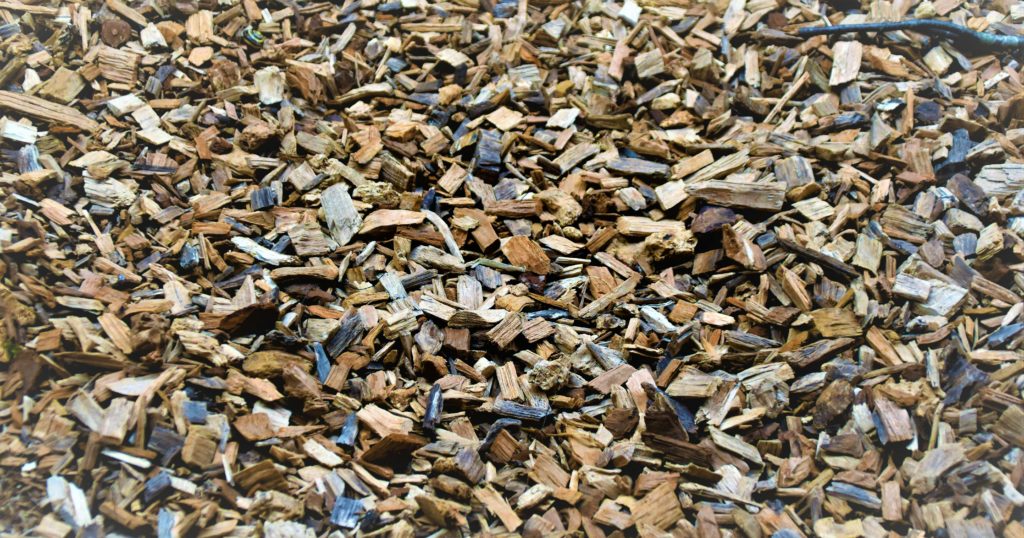
Mulching is a simple yet highly effective technique to improve your broccoli crop. By applying a layer of organic mulch around your broccoli plants, you can help retain soil moisture, suppress weeds, and regulate soil temperature—all of which are crucial during the hot and often dry month of August. Organic mulches such as straw, wood chips, or compost not only protect the soil but also break down over time, adding valuable nutrients back into the soil.
A thick layer of mulch also helps prevent weed growth, which can compete with your broccoli for water and nutrients. Weeds are particularly aggressive in the late summer, so keeping them under control is essential for maximizing your broccoli harvest. Regularly check the mulch layer and replenish it as needed to maintain its effectiveness. By mulching your broccoli plants, you’ll create a more stable growing environment that supports healthier, more productive plants.
Support Healthy Soil with Compost
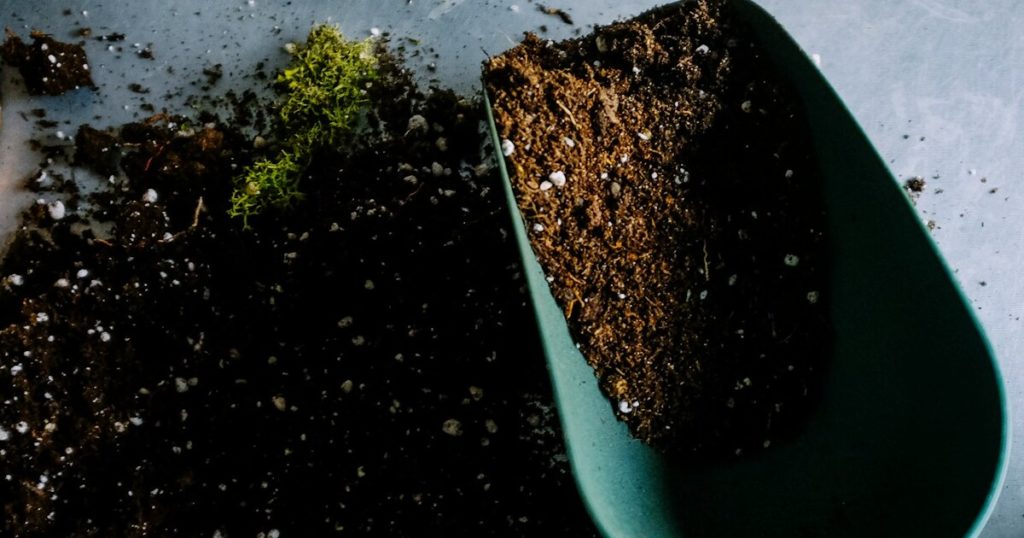
Healthy soil is the foundation of any successful garden, and broccoli is no exception. In August, consider adding a top dressing of compost around your broccoli plants to enrich the soil and support robust growth. Compost is rich in organic matter and nutrients, which can help improve soil structure, increase water retention, and provide a slow release of essential nutrients to your plants.
As the compost breaks down, it feeds the soil microorganisms that play a crucial role in nutrient cycling and plant health. This not only benefits your current crop but also improves the soil for future plantings. Apply a thin layer of compost around the base of each plant, being careful not to cover the stems directly. Incorporating compost into your broccoli care routine in August will give your plants the extra boost they need to produce a bountiful fall harvest.
Rotate Your Crops
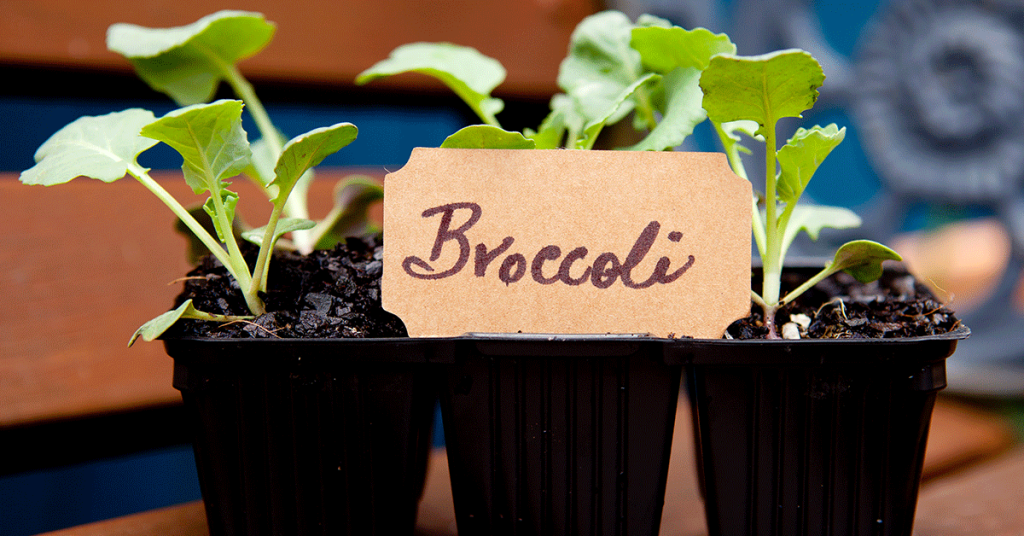
Crop rotation is a vital practice for maintaining soil health and preventing the buildup of pests and diseases. If you’ve been growing broccoli or other brassicas (like cabbage, cauliflower, or kale) in the same spot for several years, it’s time to switch things up. Planting broccoli in the same location year after year can deplete the soil of specific nutrients and increase the risk of soil-borne diseases and pests that target brassicas.
To give your broccoli the best chance for success, rotate it to a new area of your garden this season. Ideally, wait three to four years before planting brassicas in the same spot again. If space is limited, consider growing your broccoli in containers with fresh soil or using raised beds. Crop rotation helps maintain a balanced ecosystem in your garden, reducing the likelihood of problems and promoting healthier, more vigorous plants.
Harvest at the Right Time
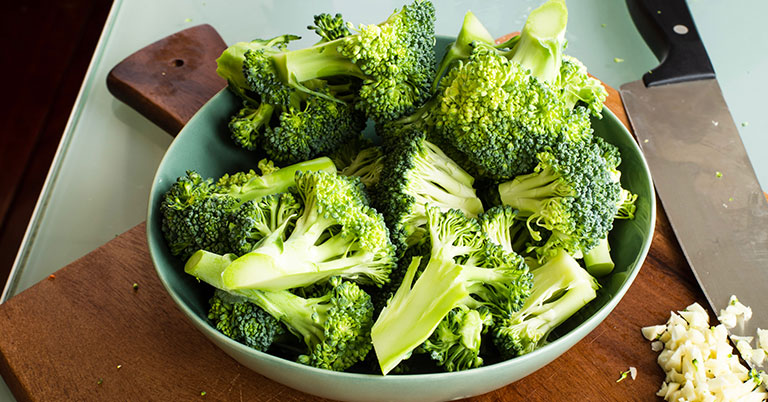
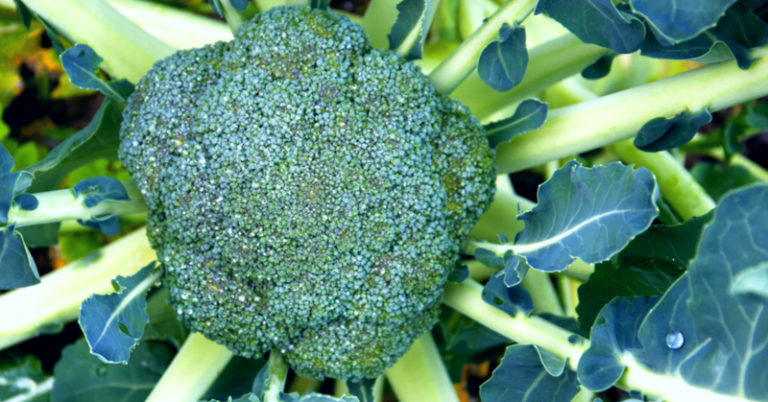
Knowing when to harvest your broccoli is just as important as the care you give it in August. Broccoli is ready to harvest when the head is firm, tight, and deep green, with no signs of flowering. Harvesting too early can result in smaller heads, while waiting too long can cause the head to start to flower, reducing its quality. The best time to harvest is in the early morning when the plant is fully hydrated and the temperatures are cooler.
Use a sharp knife to cut the head off the plant, leaving about 6 inches of stem. If you’ve cared for your plants well, you may even get a second harvest from the side shoots that develop after the main head is removed. Regularly check your plants as they approach maturity, and don’t be afraid to harvest as soon as they’re ready. Proper harvesting ensures that you get the most out of your hard work and enjoy a delicious, nutritious crop.
Final Thoughts
Caring for your broccoli plants in August is crucial for ensuring a bountiful fall harvest. From proper fertilization and watering to managing pests and diseases, every step you take now will pay off in bigger, healthier heads come harvest time. By following these tips, you can maximize your broccoli crop and enjoy the fruits of your labor as the cooler weather sets in.
Remember, gardening is both an art and a science, and every season brings new challenges and opportunities. With a little attention to detail and a commitment to your garden’s well-being, you’ll be rewarded with a delicious, abundant broccoli harvest that you can be proud of.