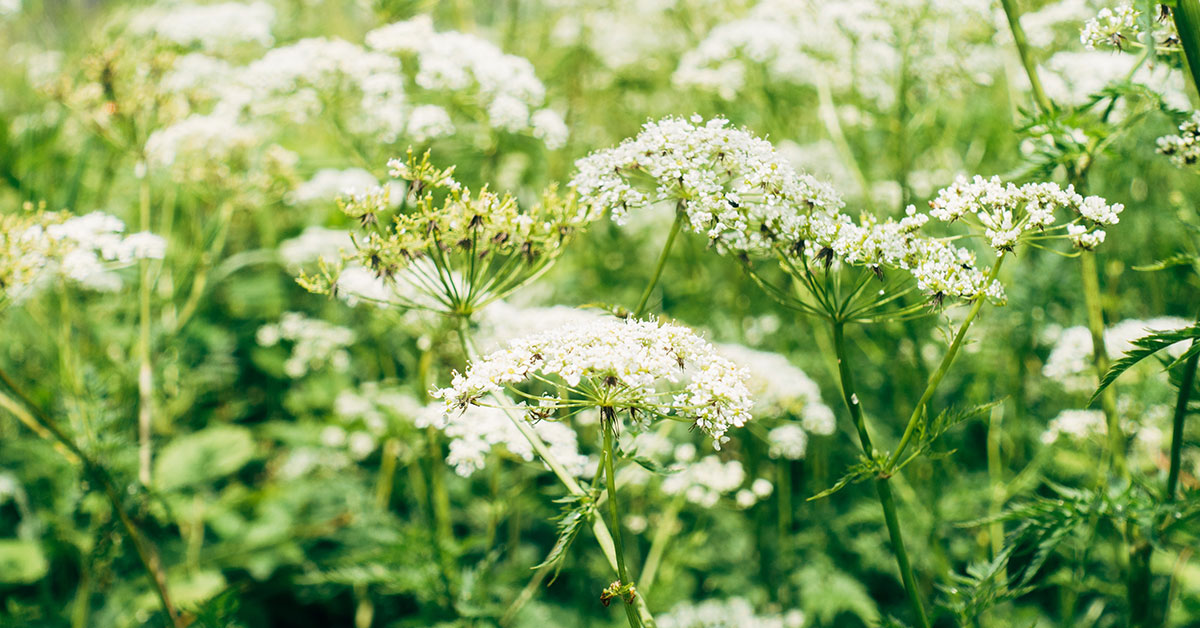

Yarrow (Achillea millefolium) is a remarkable plant that boasts a wide range of benefits and uses. Native to all 50 states, this hardy perennial is celebrated for its resilience, versatility, and myriad applications in gardening, medicine, and even cuisine. Yarrow’s adaptability to various climates and soil types makes it a favorite among gardeners, and its historical significance and practical uses continue to make it relevant today.
In this article, we’ll explore the many facets of yarrow, from its ecological importance to its diverse uses. Whether you’re a seasoned gardener or just starting out, yarrow is a plant worth considering for its beauty, utility, and ease of care. Let’s dive into why yarrow is a standout choice for gardens across the country.
Ecological Importance
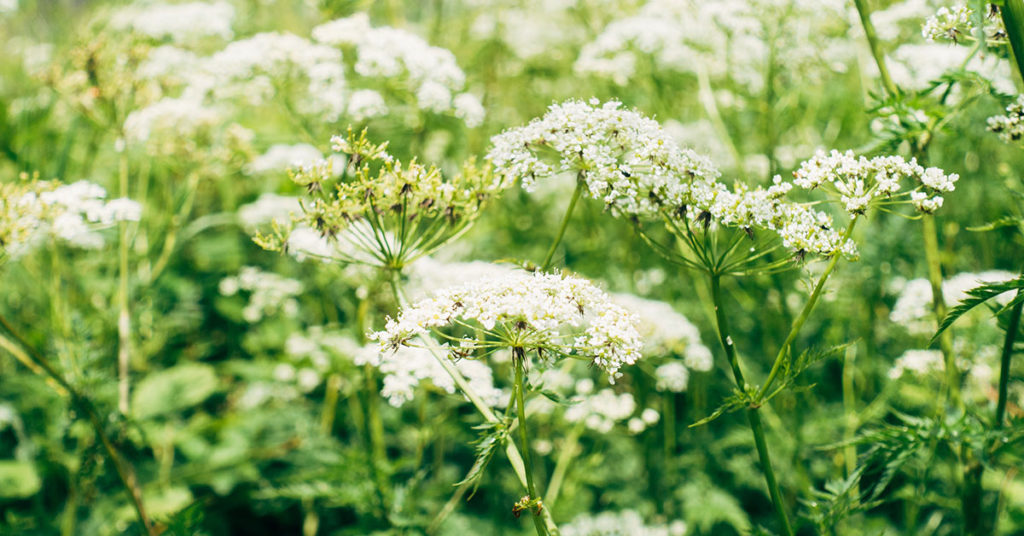
Yarrow is a keystone species in many ecosystems, playing a crucial role in supporting biodiversity. Its flowers attract a variety of pollinators, including bees, butterflies, and other beneficial insects. These pollinators are essential for the reproduction of many plants and contribute to the overall health of the environment. Yarrow’s presence in a garden can enhance pollination for other plants, making it a valuable companion species.
Additionally, yarrow’s deep root system helps prevent soil erosion and improves soil health by breaking up compacted soil and increasing water infiltration. This makes yarrow an excellent choice for stabilizing slopes and restoring disturbed areas. Its ability to thrive in poor soil conditions means it can be planted in areas where other plants might struggle, helping to create a more resilient and sustainable landscape.
Medicinal Uses
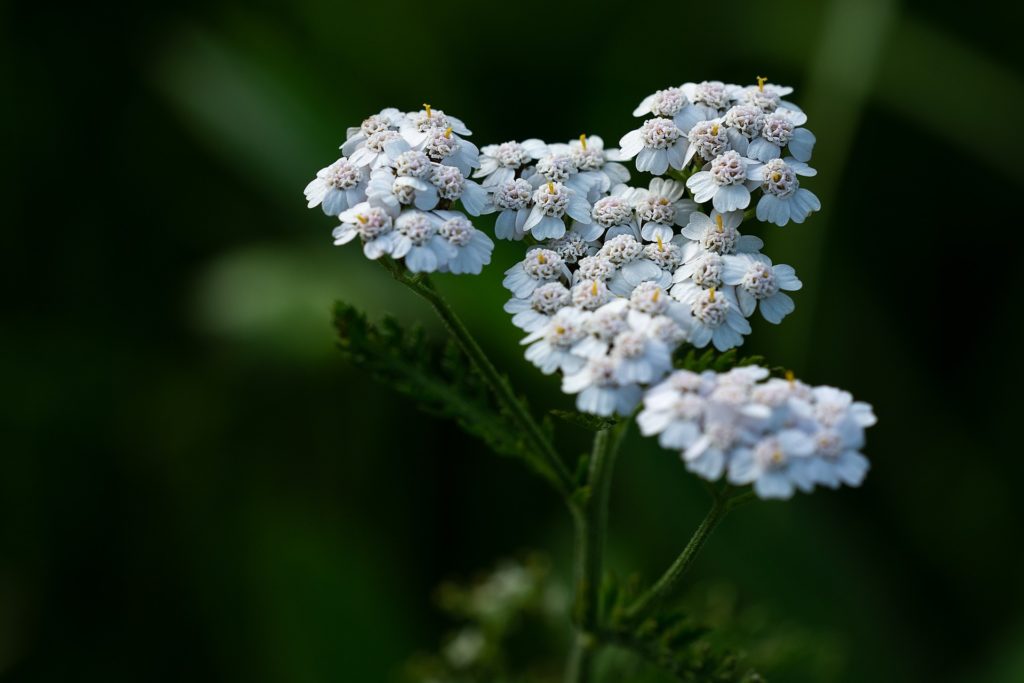
Yarrow has been used for centuries in traditional medicine for its healing properties. One of its most well-known uses is as a natural remedy for wounds and cuts. The leaves can be crushed and applied directly to the skin to help stop bleeding and promote healing. Yarrow’s antiseptic and anti-inflammatory properties make it effective for treating minor injuries and reducing infection.
Moreover, yarrow tea is a popular herbal remedy for various ailments, including digestive issues, fever, and menstrual discomfort. The tea can be made by steeping dried yarrow flowers and leaves in hot water. Drinking yarrow tea can help soothe an upset stomach, reduce fever, and alleviate menstrual cramps. Its versatility as a medicinal herb makes yarrow a valuable addition to any home garden.
Culinary Uses
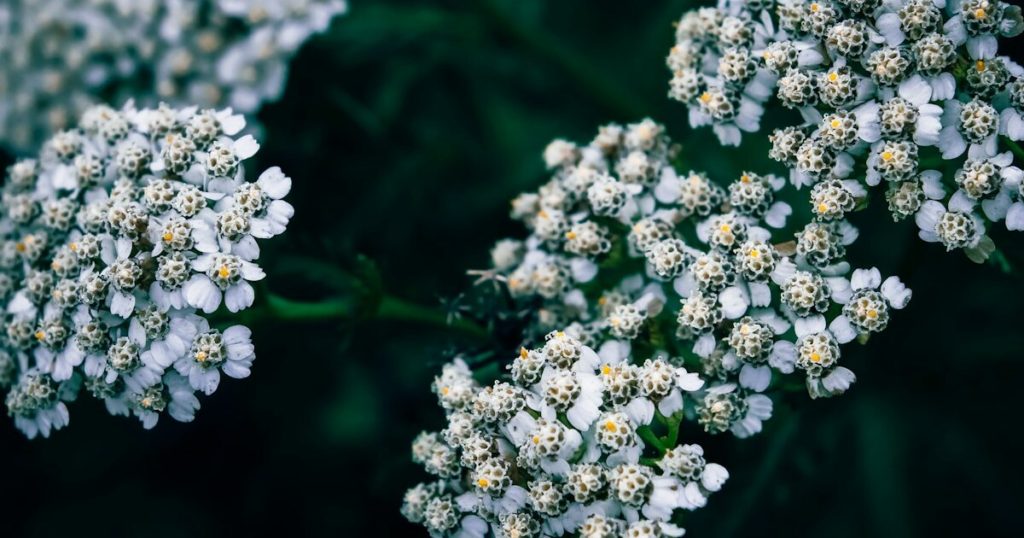
In addition to its medicinal properties, yarrow can also be used in the kitchen. The young leaves and flowers have a slightly bitter, aromatic flavor that can add depth to various dishes. Yarrow leaves can be used as a seasoning in soups, stews, and salads, providing a unique taste that enhances the overall flavor profile.
Yarrow flowers can also be used to make a flavorful and healthful tea. The tea has a pleasant, earthy flavor and can be enjoyed hot or cold. Yarrow tea is not only delicious but also packed with beneficial compounds that support overall health. Incorporating yarrow into your culinary repertoire can add a touch of wild flavor to your meals and drinks.
Garden Benefits

Yarrow is a fantastic addition to any garden, thanks to its low-maintenance nature and attractive appearance. The plant produces clusters of small, flat-topped flowers in various colors, including white, yellow, pink, and red. These blooms add visual interest to garden beds and borders, creating a cheerful and inviting atmosphere.
Moreover, yarrow is drought-tolerant and can thrive in a wide range of soil types, making it an ideal choice for xeriscaping and low-water gardens. Once established, yarrow requires minimal watering and care, allowing gardeners to enjoy its beauty without the need for constant attention. Its hardiness and adaptability make yarrow a reliable and rewarding plant for any garden.
Companion Planting
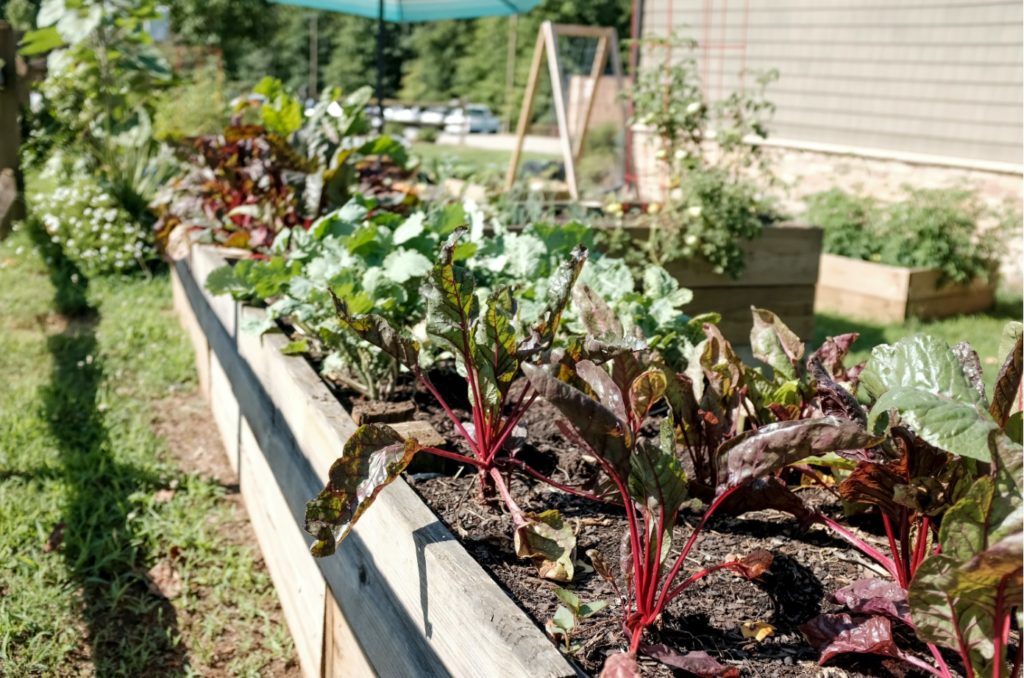
Yarrow’s benefits extend beyond its own growth; it is also an excellent companion plant for many other species. Its strong scent can help repel pests such as aphids and beetles, protecting neighboring plants from damage. Additionally, yarrow attracts beneficial insects like ladybugs and predatory wasps, which can help control pest populations naturally.
Planting yarrow alongside vegetables, herbs, and flowers can enhance the overall health and productivity of your garden. For example, yarrow pairs well with tomatoes, peppers, and basil, improving their growth and reducing pest pressure. By integrating yarrow into your garden, you can create a more balanced and sustainable ecosystem that supports a wide range of plants and beneficial insects.
Aesthetic Appeal
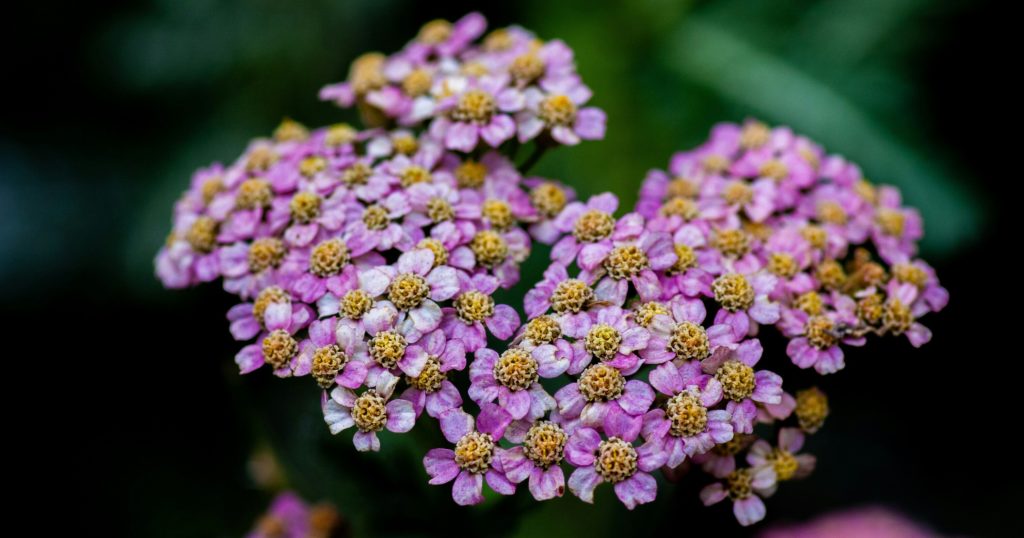
Yarrow’s aesthetic appeal is another reason why it’s a favorite among gardeners. The plant’s feathery foliage and clusters of colorful flowers create a soft, romantic look that complements various garden styles, from cottage gardens to formal landscapes. Yarrow’s blooms can last throughout the summer, providing long-lasting color and interest.
Additionally, yarrow flowers make excellent cut flowers for arrangements and bouquets. Their long stems and vibrant colors add a touch of natural beauty to indoor spaces. By growing yarrow in your garden, you can enjoy its visual charm both outdoors and indoors, creating a seamless connection between your garden and home.
Historical Significance

Yarrow has a rich history of use in various cultures around the world. It was used by ancient civilizations for its medicinal properties and was even carried by soldiers into battle to treat wounds. The plant’s botanical name, Achillea, is derived from the Greek hero Achilles, who is said to have used yarrow to heal his soldiers’ wounds during the Trojan War.
Understanding yarrow’s historical significance adds depth to its appreciation as a garden plant. Its long-standing use as a healing herb and its association with mythology and folklore make yarrow a fascinating plant to grow and learn about. By cultivating yarrow, you are also preserving a piece of botanical history and tradition.
Wildlife Habitat
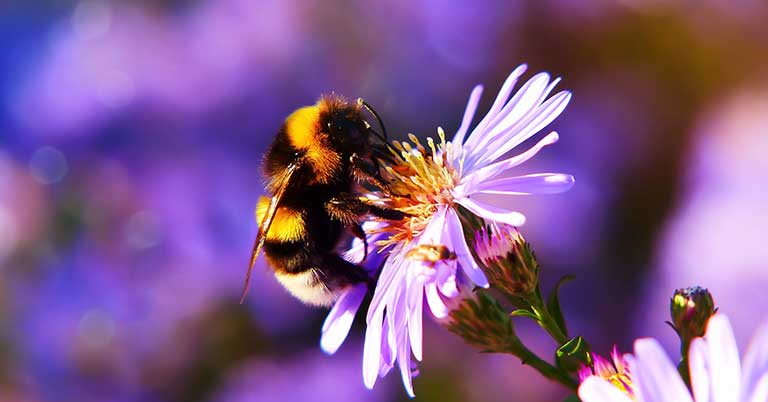
Yarrow provides an excellent habitat for wildlife, supporting a diverse range of species. The plant’s flowers attract pollinators, while its dense foliage offers shelter for small animals and insects. Birds are also known to use yarrow for nesting material, incorporating the plant’s soft leaves and stems into their nests.
Creating a garden that supports wildlife is an important aspect of sustainable gardening. By planting yarrow, you can contribute to the conservation of local wildlife and create a garden that is teeming with life. Yarrow’s role as a habitat provider further underscores its value as a versatile and beneficial garden plant.
Easy Propagation

One of the many benefits of yarrow is its ease of propagation. The plant can be propagated through seeds, division, or cuttings, making it simple to expand your yarrow collection or share with friends and neighbors. Yarrow’s ability to propagate easily means you can enjoy its benefits in multiple areas of your garden without much effort.
To propagate yarrow by division, simply dig up an established plant in the spring or fall and divide the root clump into smaller sections, each with its own set of leaves and roots. Replant the divisions in prepared soil, and they will quickly establish and grow. This method is an efficient way to multiply your yarrow plants and enhance your garden’s beauty and functionality.