

Using banana peels in the garden is often touted as a simple and natural way to boost plant health. After all, bananas are rich in potassium and other nutrients beneficial to plant growth. However, while it might seem like a no-brainer to toss those peels into your garden, there are several reasons why you should think twice before doing so. It’s essential to consider the potential downsides and better understand how to use organic waste effectively.
In this article, we’ll explore the various reasons why banana peels might not be the best addition to your garden. From attracting pests to disrupting soil balance, we’ll delve into the potential issues and offer some alternative solutions for using kitchen waste in a more garden-friendly manner.
Attracting Pests

One significant drawback of using banana peels in your garden is that they can attract unwanted pests. The sweet smell of decomposing banana peels can attract fruit flies, ants, and even larger animals like raccoons or rodents. These pests can quickly become a nuisance and might harm your plants by disturbing the soil or directly feeding on them.
To minimize this risk, it’s better to compost banana peels rather than placing them directly in the garden. Composting helps break down the peels more completely and reduces the likelihood of attracting pests. Additionally, composted material can provide a more balanced nutrient mix for your plants, enhancing soil health without the drawbacks of pest attraction.
Imbalance of Nutrients
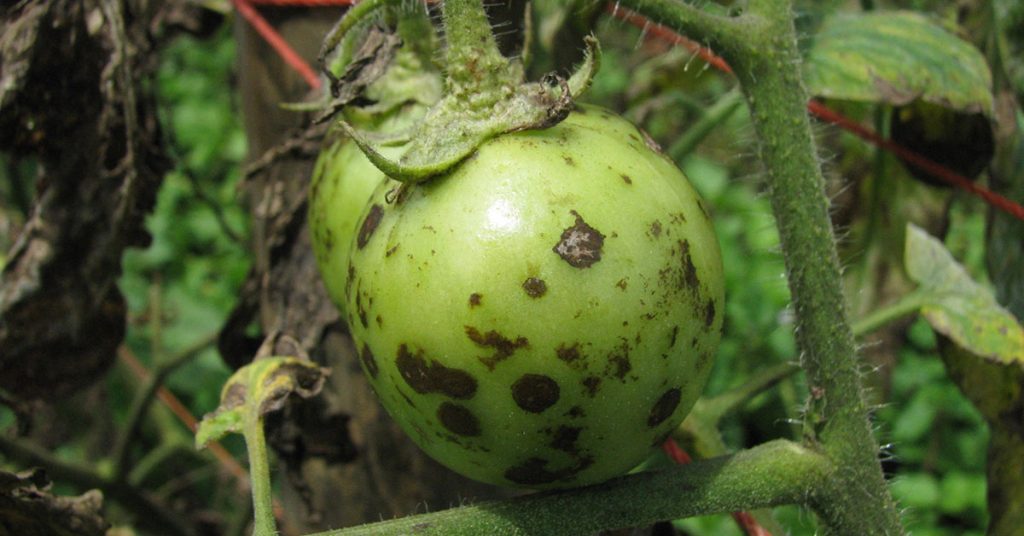
While banana peels are rich in potassium, they don’t provide a balanced mix of nutrients needed for plant health. Over-reliance on banana peels can lead to an imbalance, where potassium levels are too high compared to other essential nutrients like nitrogen and phosphorus. This imbalance can hinder plant growth and reduce the effectiveness of other fertilizers.
Instead of relying solely on banana peels, consider using a well-balanced organic fertilizer that provides a comprehensive nutrient profile. This approach ensures that your plants receive all the essential nutrients in the correct proportions, promoting healthier and more robust growth. Mixing banana peels into your compost pile can also help balance their nutrient contribution.
Risk of Pathogens

Another concern with using banana peels directly in the garden is the potential introduction of pathogens. Banana peels can carry fungi, bacteria, and other pathogens that might harm your plants. If not properly decomposed, these pathogens can spread to your garden soil and affect the health of your plants.
Composting banana peels at high temperatures can help kill any harmful pathogens, making the organic matter safe to use in your garden. This process not only breaks down the peels more effectively but also ensures that any potential risks are mitigated. Always practice good composting techniques to protect your garden from unwanted pathogens.
Slow Decomposition
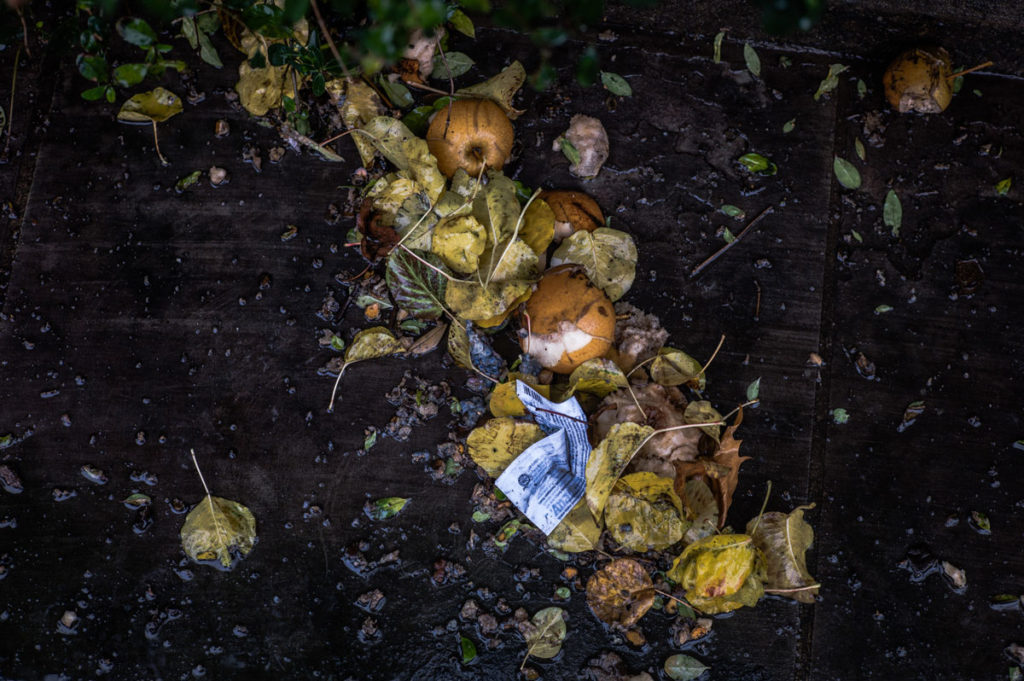
Banana peels decompose slowly, especially when left whole or in large pieces. This slow decomposition can lead to unsightly garden areas and uneven nutrient distribution. Additionally, as the peels break down, they can create an environment conducive to mold and unpleasant odors, further detracting from your garden’s health and aesthetics.
Chopping banana peels into smaller pieces before composting can speed up the decomposition process. Smaller pieces break down more quickly and evenly, ensuring that the nutrients are more readily available to your plants. Alternatively, consider using a compost tumbler to accelerate decomposition and produce rich, fertile compost more quickly.
Soil Imbalance
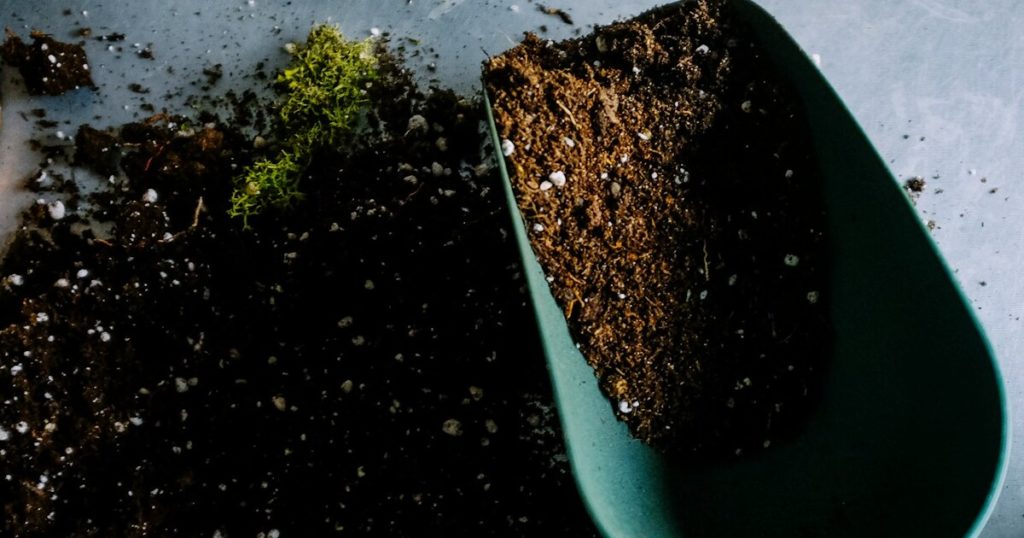
Directly adding banana peels to your garden can disrupt the natural balance of your soil. The high potassium content can lead to an excess, affecting the uptake of other nutrients like magnesium and calcium. This imbalance can cause deficiencies and negatively impact plant health, leading to poor growth and reduced yields.
Incorporating banana peels into a balanced compost mix helps prevent this issue. By combining banana peels with other organic materials, you can create a nutrient-rich compost that enhances soil fertility without causing imbalances. Regularly testing your soil and adjusting your compost mix accordingly can help maintain optimal soil health.
Potential for Invasive Species
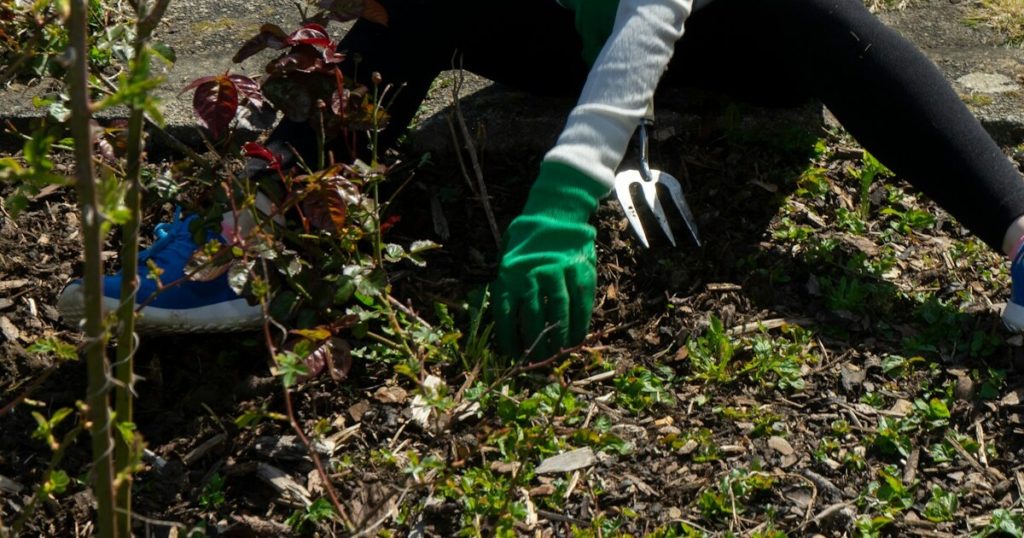
Banana peels, particularly those from store-bought bananas, might carry seeds from invasive species. While this is less common, it’s still a potential risk that can introduce non-native plants to your garden. These invasive species can outcompete native plants, disrupt local ecosystems, and create additional challenges for gardeners.
To mitigate this risk, always ensure that banana peels are thoroughly decomposed before adding them to your garden. Proper composting not only breaks down the peels but also helps destroy any seeds that might be present. By taking this extra step, you can protect your garden from unwanted plant invasions and maintain a healthy, balanced ecosystem.
Unpleasant Odors
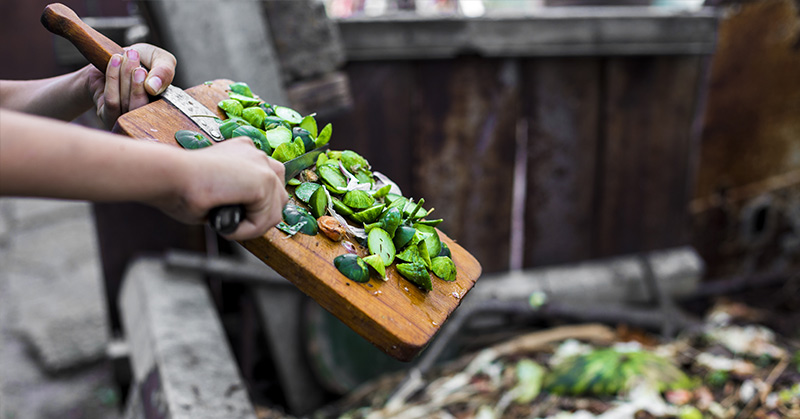
Decomposing banana peels can produce unpleasant odors, particularly in warm, humid conditions. These odors can make your garden less enjoyable and might even attract more pests. The smell of rotting organic matter is not only unappealing but can also indicate that the decomposition process is not proceeding efficiently.
Using a compost bin or tumbler helps contain odors and improves the decomposition process. Aerating your compost regularly and maintaining the correct moisture levels can further reduce unpleasant smells. By managing your organic waste effectively, you can keep your garden smelling fresh and inviting.
Alternatives to Direct Application

Rather than applying banana peels directly to your garden, consider alternative methods that are more beneficial and less problematic. Vermicomposting, for example, involves using worms to break down organic waste, including banana peels. This method produces nutrient-rich worm castings that can be used to enrich your soil without the risks associated with direct application.
Another option is to create a liquid fertilizer by soaking banana peels in water. After a few days, strain the liquid and use it to water your plants. This method allows you to provide your plants with a nutrient boost without adding the solid peels to your garden. Exploring these alternatives can help you make the most of banana peels while avoiding potential downsides.
Final Thoughts
While banana peels do contain valuable nutrients, using them directly in your garden can lead to various issues, from pest attraction to nutrient imbalances. By composting banana peels or exploring alternative methods, you can still benefit from their nutrient content without the associated risks. Taking the time to compost properly and consider the overall health of your garden will ensure that your plants thrive and your gardening experience remains enjoyable.
As gardeners, it’s essential to stay informed and thoughtful about the practices we use. Understanding the potential drawbacks of common gardening tips, like using banana peels directly, helps us make better decisions for our plants and environment.