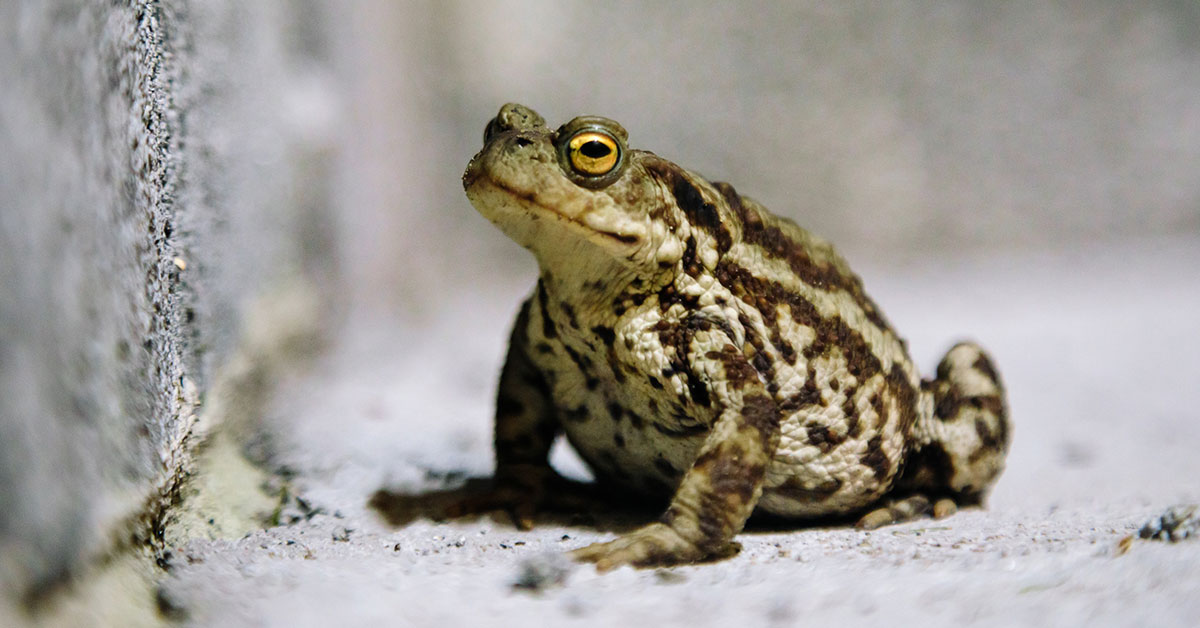

Toads are wonderful additions to any garden. They are natural pest controllers, consuming vast quantities of insects, slugs, and other garden pests. Having a healthy population of toads can significantly reduce the need for chemical pesticides, promoting a more balanced and eco-friendly garden environment. Plus, watching these fascinating amphibians can bring a touch of magic and biodiversity to your outdoor space.
If you want to attract toads to your garden, there are several strategies you can implement to create a toad-friendly habitat. From providing shelter and water sources to planting native vegetation, these tips will help you create an inviting environment for these beneficial creatures. Let’s dive into the specifics of how you can attract and keep toads in your garden.
Create a Water Feature

Toads need water to breed, so adding a water feature to your garden is a great way to attract them. A small pond, water garden, or even a simple water dish can provide the necessary moisture. Ensure the water feature has shallow edges or gently sloping sides, as toads need an easy way to get in and out. Avoid using chemicals in your water feature, as toads are sensitive to pollutants.
Providing a water source not only helps attract toads but also supports other wildlife, like birds and beneficial insects. Consider planting native aquatic plants around your water feature to create a more natural environment. These plants can provide additional shelter and breeding sites for toads. Regularly check and clean your water feature to keep it fresh and inviting for all the critters in your garden.
Provide Shelter

Toads need shelter to hide from predators and escape the heat of the day. You can create toad shelters by placing overturned flower pots, hollow logs, or flat stones in shaded areas of your garden. Leave some leaf litter and mulch around these shelters to mimic the toads’ natural habitat. Toad houses, which are small, decorative shelters specifically designed for toads, can also be used.
Creating shelter not only provides a safe haven for toads but also adds an interesting element to your garden design. Be sure to place shelters in various locations throughout your garden to give toads multiple hiding spots. Regularly check these shelters for any signs of pests or debris, and clean them as needed to maintain a welcoming environment for your toads.
Plant Native Vegetation

Planting native vegetation is crucial for attracting toads, as it provides them with food and shelter. Native plants are better adapted to the local climate and soil conditions, making them more resilient and beneficial for local wildlife. Choose a variety of plants, including ground covers, shrubs, and perennials, to create a diverse and dense habitat.
Native plants attract insects, which are a primary food source for toads. They also provide natural hiding spots and breeding grounds. Avoid using pesticides and herbicides, as these chemicals can harm toads and other beneficial organisms. Creating a garden with native vegetation not only supports toads but also enhances the overall health and biodiversity of your garden ecosystem.
Avoid Using Chemicals
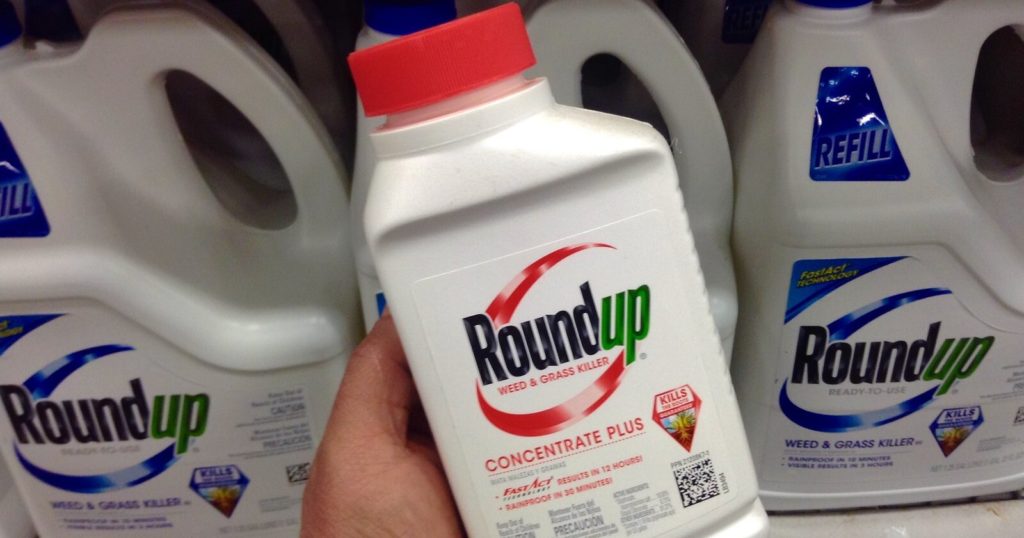
Chemical pesticides and herbicides can be harmful to toads and other beneficial wildlife. To create a toad-friendly garden, avoid using these chemicals whenever possible. Instead, opt for natural pest control methods, such as introducing beneficial insects, using organic sprays, and practicing crop rotation.
Encouraging a healthy population of toads naturally helps with pest control, reducing the need for chemical interventions. By maintaining a chemical-free garden, you create a safer environment for toads and other wildlife. Additionally, a natural approach to gardening promotes soil health and supports a more resilient ecosystem, leading to a healthier and more productive garden.
Create a Cool, Damp Environment
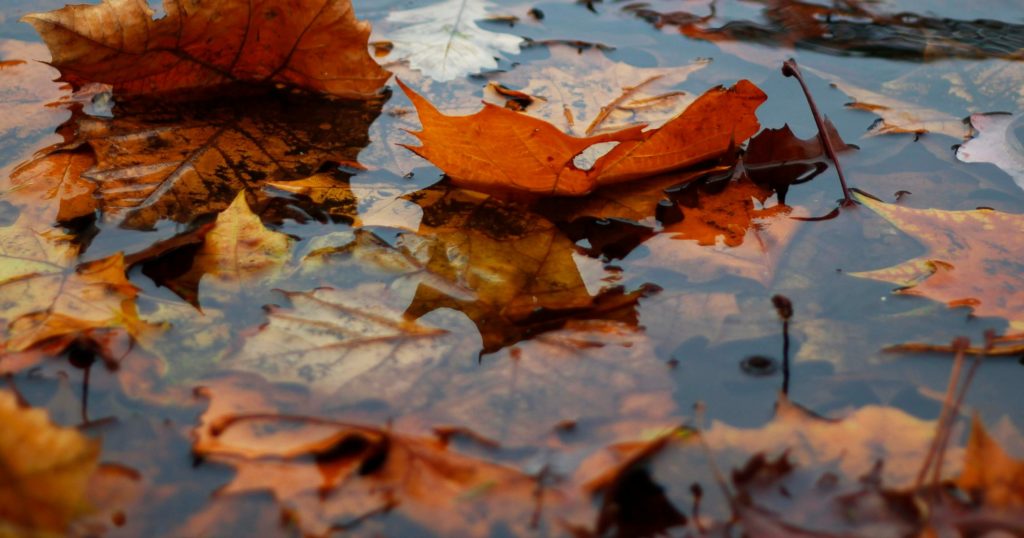
Toads thrive in cool, damp environments. During hot and dry periods, it’s essential to provide areas of your garden that remain moist and shaded. You can achieve this by mulching heavily, which helps retain soil moisture and keeps the ground cooler. Planting densely can also create a microclimate that stays cooler and more humid.
Regularly watering your garden, especially in the early morning or late evening, can help maintain a moist environment that attracts toads. Consider using drip irrigation or soaker hoses to efficiently water the plants while keeping the soil damp. Creating a cool, damp environment will make your garden more inviting to toads and other moisture-loving wildlife.
Add Leaf Litter and Mulch

Leaf litter and mulch provide excellent habitat for toads by creating a cool, damp environment that mimics their natural forest floor habitat. Spread a layer of mulch or leaf litter around your garden beds, particularly in shaded areas. This layer will help retain soil moisture, keep the ground cool, and provide hiding spots for toads.
Leaf litter and mulch also attract insects and other invertebrates, which are a primary food source for toads. Additionally, these materials improve soil health by decomposing and adding organic matter. Maintaining a layer of leaf litter and mulch not only supports toads but also enhances the overall health and fertility of your garden soil.
Build a Toad House

Toad houses are small shelters that provide a safe and cool retreat for toads. You can buy a toad house from a garden center or make one yourself using natural materials like stones, wood, or clay pots. Place the toad house in a shaded area of your garden, preferably near a water source and amongst dense vegetation.
Ensure the toad house has an opening large enough for toads to enter but small enough to keep out larger predators. Adding a bit of damp soil or leaf litter inside the toad house can make it even more appealing. Regularly check and clean the toad house to keep it welcoming for its amphibian residents. Providing a dedicated shelter helps attract and retain toads in your garden.
Install Garden Lighting Strategically

While toads are generally nocturnal and prefer dark, cool environments, strategic garden lighting can attract insects, which in turn attract toads. Installing low, soft garden lights around your garden can draw insects after dusk, providing an easy food source for toads. Avoid using bright or harsh lights, as they can disturb toads and other nocturnal wildlife.
Place lights near water features or dense vegetation where toads are likely to be hunting. Motion-activated lights can also be a good option, as they only turn on when movement is detected, reducing constant light exposure. By strategically using garden lighting, you can create an inviting environment for toads and support their natural feeding habits.
Create a Toad-Friendly Garden Path

A garden path can provide a safe and easy way for toads to navigate through your garden. Use natural materials like gravel, wood chips, or stepping stones to create paths that blend seamlessly with the landscape. Ensure the path is wide enough for toads to travel comfortably and includes shaded areas and shelter.
A well-designed garden path not only benefits toads but also adds to the aesthetic appeal of your garden. It helps protect delicate plants from foot traffic and guides visitors through different garden areas. By creating a toad-friendly path, you make your garden more accessible and welcoming for these beneficial creatures.
Provide a Food Source

Attracting insects is essential for attracting toads, as they are a primary food source. Planting a variety of flowering plants can help draw in insects like beetles, moths, and flies. Consider including night-blooming flowers, which attract nocturnal insects that toads feed on. Avoid using pesticides, as they can kill the insects that toads rely on for food.
Creating a diverse garden with a mix of native plants, shrubs, and flowers ensures a steady supply of insects. Additionally, leaving some areas of your garden a bit wild or less manicured can provide habitats for insects, which in turn support toads. By fostering a rich and diverse insect population, you naturally create a toad-friendly environment.