

As summer starts to wind down, it’s time to turn your attention to preparing your Thanksgiving cactus for a spectacular display of blooms during the holiday season. Native to the coastal mountains of southeastern Brazil, this cactus thrives in conditions that mimic its natural habitat. By giving it the right care in August, you can ensure a stunning, flower-filled plant come November. Here are some essential tips to help your Thanksgiving cactus bloom like crazy.
These tips will guide you through adjusting light, temperature, watering, and feeding schedules to maximize the blooming potential of your Thanksgiving cactus. Whether you’re a seasoned plant enthusiast or new to growing cacti, these steps are designed to help you achieve beautiful, vibrant blooms that will brighten your home during the festive season.
Adjust Light Exposure

One crucial factor in getting your Thanksgiving cactus to bloom is managing its light exposure in August. During this month, start reducing the amount of light your cactus receives. Aim for around 12-14 hours of darkness each day to simulate the shorter days of fall. This can be achieved by placing your cactus in a dark room or covering it with a cloth or box each evening.
Maintaining a consistent light schedule helps trigger the plant’s natural blooming cycle. This period of darkness is essential for bud formation. By carefully managing light exposure, you’re mimicking the cactus’s natural environment, signaling that it’s time to prepare for blooming. Regularly check on your plant to ensure it isn’t exposed to artificial light during its dark period.
Control Temperature

Temperature plays a significant role in the blooming process of Thanksgiving cacti. In August, keep your plant in an environment where the temperature ranges between 70-75°F (21-24°C) during the day and around 60-65°F (15-18°C) at night. This fluctuation mimics its natural habitat and encourages blooming.
As fall approaches, gradually lower the nighttime temperature to around 50-55°F (10-13°C) to further promote bud formation. Avoid exposing the plant to sudden temperature changes, as this can stress it and impede blooming. Keeping the temperature consistent and within the recommended range will help your cactus thrive and prepare it for a spectacular display of flowers.
Water Wisely
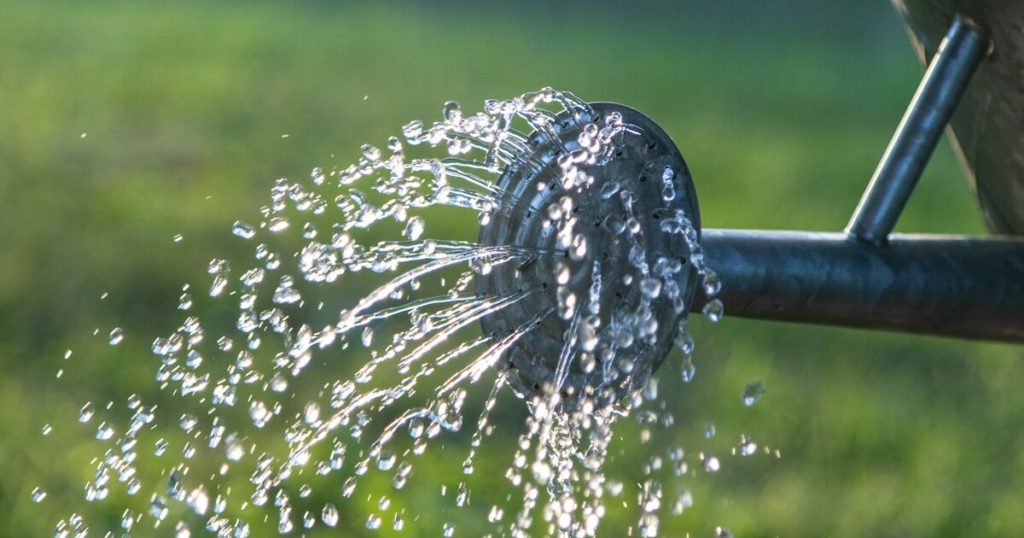
Proper watering is essential for the health and blooming of your Thanksgiving cactus. During August, maintain a regular watering schedule but avoid overwatering. The soil should be kept slightly moist but never waterlogged. Overwatering can lead to root rot, which is detrimental to the plant’s health and its ability to produce flowers.
Allow the top inch of soil to dry out between waterings. As the weather cools down in the fall, reduce the frequency of watering to encourage the formation of flower buds. Remember, Thanksgiving cacti are more tolerant of underwatering than overwatering, so it’s better to err on the side of caution. Providing the right amount of water will ensure your plant remains healthy and ready to bloom profusely.
Fertilize for Flowering
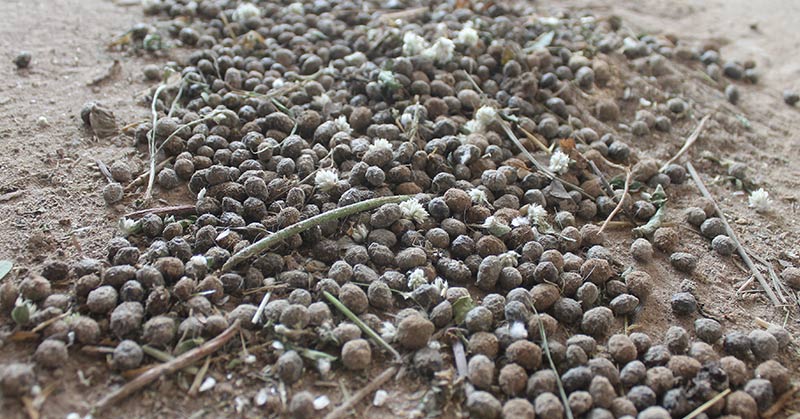
Feeding your Thanksgiving cactus the right nutrients in August can significantly boost its blooming potential. Use a balanced, water-soluble fertilizer with equal parts nitrogen, phosphorus, and potassium, such as a 20-20-20 formula. Fertilize your plant every two to four weeks, ensuring you dilute the fertilizer to half the recommended strength to avoid overfeeding.
As you approach the fall, switch to a fertilizer higher in phosphorus, which promotes blooming. Stop fertilizing entirely about a month before you expect your cactus to bloom. This rest period helps the plant focus its energy on bud formation rather than leaf growth. Proper fertilization will provide the necessary nutrients for a vibrant and abundant bloom.
Prune and Clean
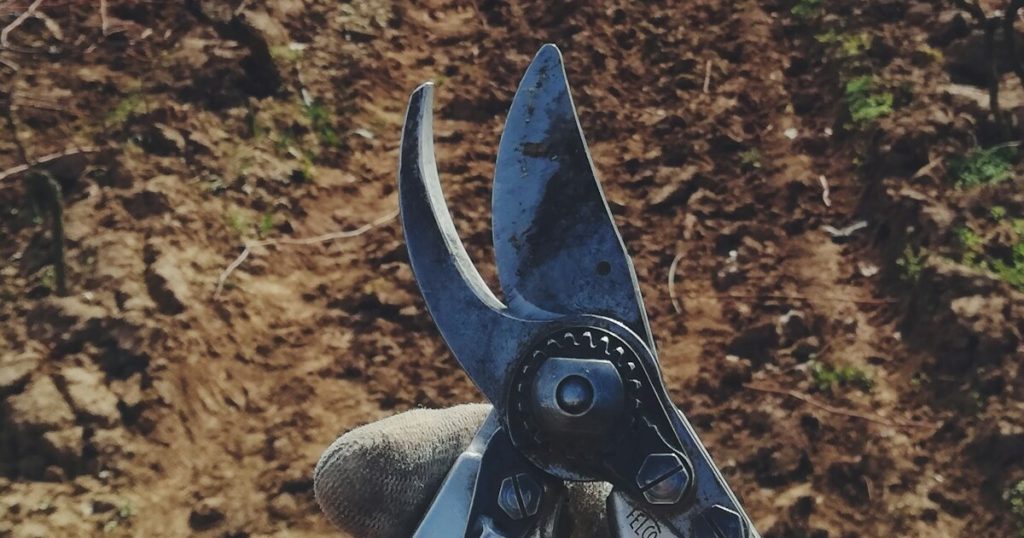
August is an excellent time to give your Thanksgiving cactus a light pruning and clean-up. Pruning helps to shape the plant, encouraging bushier growth and more blooms. Use clean, sharp scissors to trim back any leggy or overly long segments. Remove any dead or damaged segments to improve the overall health and appearance of the plant.
In addition to pruning, clean the leaves gently with a damp cloth to remove dust and dirt. This ensures that the plant can photosynthesize efficiently and absorb light better. Pruning and cleaning not only improve the plant’s appearance but also stimulate new growth and bud formation, setting the stage for a spectacular holiday bloom.
Provide Humidity
Thanksgiving cacti thrive in humid environments, much like their native tropical rainforests. In August, ensure your plant receives adequate humidity by placing it on a humidity tray or using a room humidifier. You can also mist the plant lightly with water to increase the humidity around it.
If you live in a dry climate, creating a micro-humid environment for your cactus can make a significant difference. Grouping it with other humidity-loving plants can also help maintain moisture in the air. Providing the right humidity levels will keep your cactus healthy and encourage it to produce an abundance of blooms.
Repot if Necessary

August is a good time to check if your Thanksgiving cactus needs repotting. If the plant has outgrown its current pot or the soil appears compacted and drained of nutrients, consider repotting it into a slightly larger container with fresh, well-draining soil. Use a cactus or succulent potting mix to ensure proper drainage.
Repotting gives the plant more room to grow and access to fresh nutrients, which can boost its health and blooming potential. Be gentle when handling the roots, as Thanksgiving cacti have delicate root systems. Repotting every two to three years can help maintain the plant’s vigor and readiness to bloom abundantly during the holiday season.
Monitor for Pests

Keeping an eye out for pests is crucial for the health of your Thanksgiving cactus. Common pests like spider mites, mealybugs, and scale insects can affect the plant’s ability to bloom. In August, regularly inspect your cactus for any signs of pests. Look for webbing, sticky residue, or small insects on the leaves and stems.
If you detect any pests, treat them promptly with an appropriate insecticidal soap or neem oil. Isolating the affected plant can prevent the pests from spreading to other plants. Maintaining a pest-free environment ensures your Thanksgiving cactus stays healthy and focused on producing beautiful blooms for the holidays.
Provide Support

As your Thanksgiving cactus grows and prepares to bloom, it may need some support to keep its segments from drooping. Using stakes or plant supports can help keep the plant upright and prevent it from becoming top-heavy. This is especially important for larger, older plants that may have more substantial segments.
Providing support not only helps the plant maintain its shape but also ensures that the flowers are displayed beautifully when they bloom. It can also prevent segments from breaking under their weight, which can be particularly detrimental during the blooming period. Ensuring your plant is well-supported will help it showcase its blooms to their fullest potential.
Create a Peaceful Environment

Lastly, creating a peaceful and stable environment for your Thanksgiving cactus can make a significant difference in its blooming success. Avoid moving the plant around too much, especially during the budding phase, as it can cause stress and drop buds. Keep it away from drafts, direct sunlight, and extreme temperature fluctuations.
By providing a consistent and calm environment, you help your Thanksgiving cactus focus its energy on blooming rather than adjusting to new conditions. This stability is crucial for the plant’s health and bloom production. Enjoy the process of nurturing your Thanksgiving cactus, and you’ll be rewarded with a stunning display of flowers during the holiday season.