
In Buddhism, plants hold deep symbolic meaning and are often associated with various aspects of the Buddha’s life and teachings. From trees under which enlightenment was attained to flowers representing the fleeting nature of life, these plants play a crucial role in Buddhist rituals, art, and daily practices. Understanding the significance of these plants can provide a richer appreciation of their place in Buddhist culture and spirituality.
As a gardener with a passion for both horticulture and spirituality, I find it fascinating to explore how these plants are woven into the fabric of Buddhist traditions. Whether you’re looking to create a Buddhist-inspired garden or simply wish to learn more about these sacred plants, this guide will take you on a journey through some of the most significant plants in Buddhism. Let’s delve into the stories and meanings behind these revered plants.
Bodhi Tree (Ficus religiosa)

The Bodhi Tree, native to the Indian subcontinent, is perhaps the most iconic plant in Buddhism. It is under a Bodhi Tree that Siddhartha Gautama, who later became the Buddha, attained enlightenment after meditating for 49 days. This tree is revered as a symbol of enlightenment, peace, and the ultimate goal of the Buddhist path. Many Buddhist temples have a Bodhi Tree planted in their vicinity, and it is often a focal point for meditation and prayer.
What makes the Bodhi Tree so special is its large, heart-shaped leaves that rustle gently in the wind, creating a calming and meditative sound. The tree can grow to impressive sizes, providing ample shade and a serene environment for reflection. Planting a Bodhi Tree in your garden can create a sacred space that encourages contemplation and spiritual growth. However, it’s important to note that the Bodhi Tree can be invasive in certain regions due to its extensive root system, so it should be planted thoughtfully.
Lotus (Nelumbo nucifera)
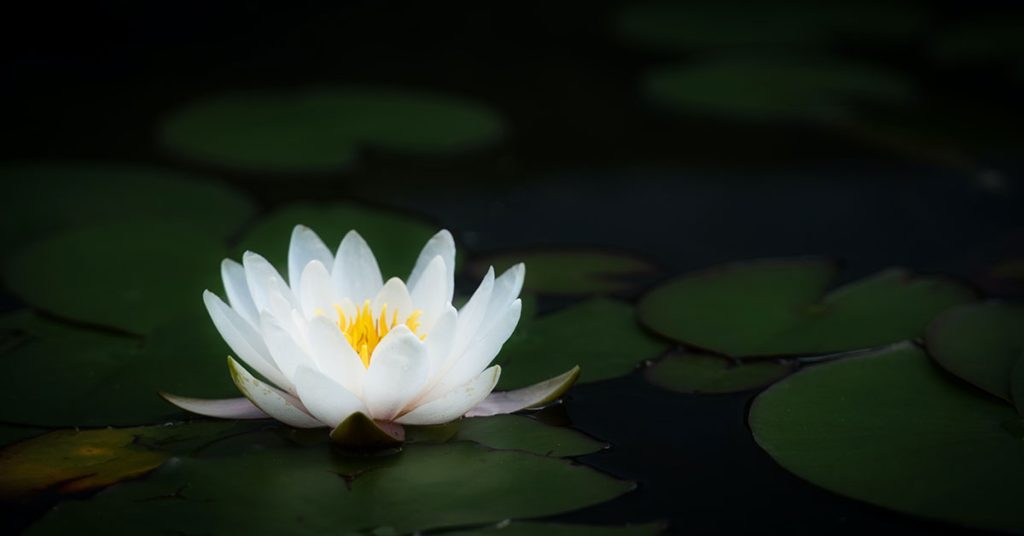
The Lotus is a profoundly significant flower in Buddhism, symbolizing purity, enlightenment, and rebirth. Native to Asia, the lotus grows in muddy waters but rises above to bloom in pristine beauty, representing the journey of the soul from the murky waters of ignorance to the light of wisdom. In Buddhist art and scripture, the lotus is frequently depicted as a seat for deities and enlightened beings, signifying their divine nature.
One of the most enchanting aspects of the Lotus is its ability to bloom in the harshest conditions, mirroring the resilience and strength required to achieve enlightenment. The flower’s various colors also hold different meanings: white for purity, red for love and compassion, blue for wisdom, and pink for the historical Buddha. Incorporating lotus plants into a garden can create a tranquil and inspiring space that reflects the core teachings of Buddhism. Their presence in water features or ponds adds a touch of serenity and spiritual significance.
Bamboo (Bambusoideae)
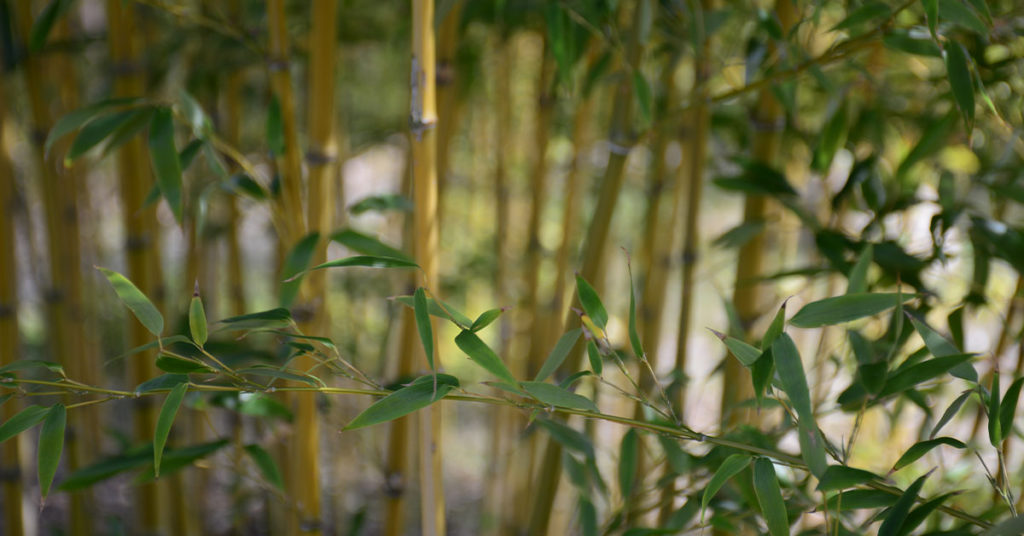
Bamboo, native to various regions around the world, including Asia, Africa, and the Americas, holds significant spiritual and cultural importance in Buddhism. Bamboo symbolizes strength, flexibility, and resilience, reflecting the qualities of an enlightened being. In many Buddhist cultures, bamboo is used in rituals, temple construction, and even in everyday objects like mats and screens.
One of the remarkable qualities of Bamboo is its rapid growth and versatility. It can be used for construction, crafting, and even as a food source. Bamboo’s tall, swaying stalks create a serene and meditative atmosphere, making it an excellent addition to a garden designed for spiritual practice. Its ability to bend without breaking symbolizes the flexibility and resilience necessary to navigate life’s challenges, aligning closely with Buddhist teachings on adaptability and inner strength.
Sala Tree (Shorea robusta)
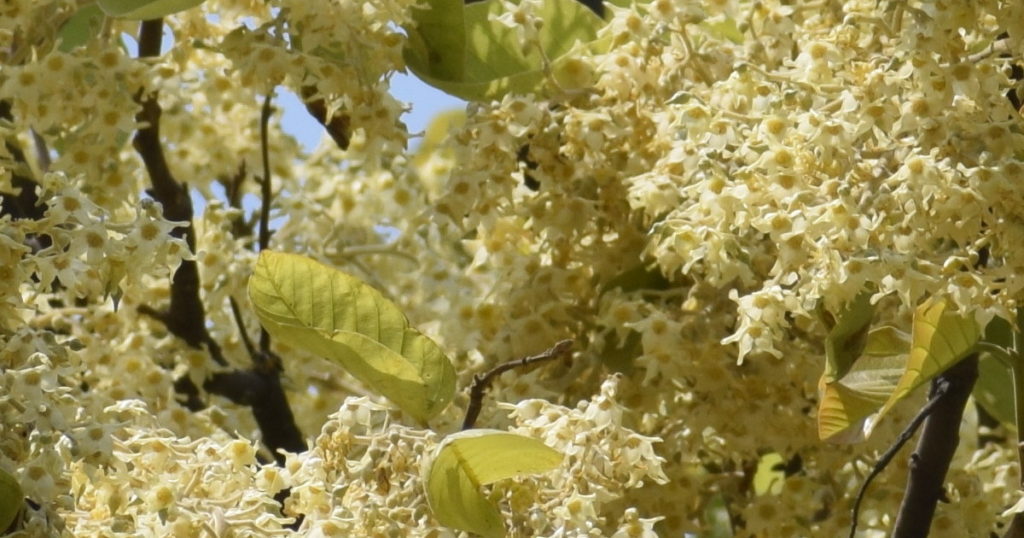
The Sala Tree, native to the Indian subcontinent, holds a special place in Buddhist tradition. According to legend, Queen Maya, the mother of Buddha, gave birth to Siddhartha Gautama under a sala tree while grasping one of its branches. This tree is often planted in Buddhist monasteries and temples to commemorate this sacred event.
One of the captivating features of the Sala Tree is its beautiful, fragrant flowers that bloom directly from the trunk and branches, creating a stunning visual display. These flowers are often used in religious offerings and ceremonies. The Sala Tree can grow to a significant height, providing shade and a peaceful environment for meditation. Planting a Sala Tree in your garden can create a space that honors the Buddha’s birthplace and offers a tranquil spot for reflection and prayer.
Sandalwood (Santalum album)
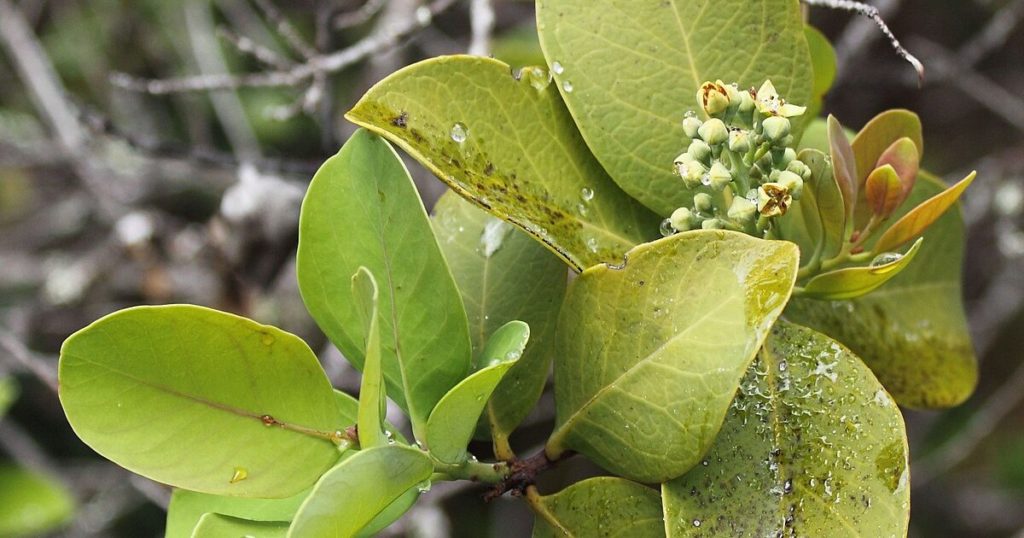
Sandalwood, native to South India, is renowned for its aromatic wood and oil, which hold great significance in Buddhist rituals. Sandalwood paste is often used in religious ceremonies and offerings, symbolizing purity and sanctity. The wood is also carved into religious artifacts and burned as incense during meditation and prayer, creating a calming and spiritual atmosphere.
What I find particularly captivating about Sandalwood is its soothing fragrance, which can create a calming and spiritual atmosphere. Sandalwood oil is also used in aromatherapy for its relaxing properties. Although growing Sandalwood can be challenging due to its parasitic nature, its products are widely available. Incorporating Sandalwood into your spiritual practices can enhance your sense of tranquility and connection to the divine.
Tulsi (Ocimum sanctum)
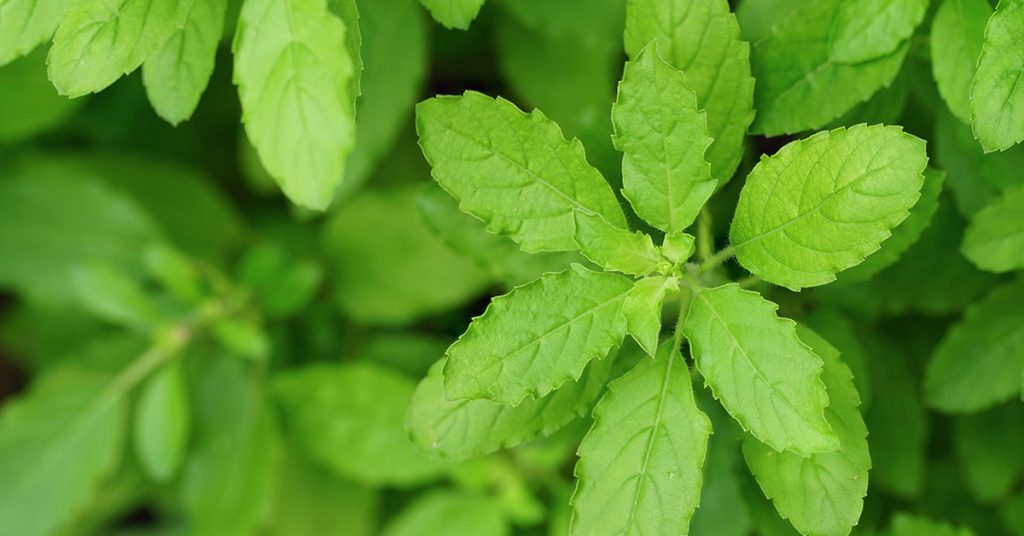
Tulsi, also known as Holy Basil, is native to India and holds a special place in Hinduism and Buddhism. It is considered a sacred plant that purifies the environment and is often planted around temples and homes. In Buddhism, Tulsi is revered for its medicinal properties and is believed to bring peace and harmony to those who cultivate it.
One of my favorite aspects of Tulsi is its versatile use in Ayurveda, where it is revered for its healing properties. The leaves are used to make herbal teas, which are believed to boost immunity and promote overall well-being. Growing Tulsi in your garden not only enhances its spiritual ambiance but also provides you with a valuable herb for holistic health. Its aromatic leaves and small purple flowers add a touch of beauty and sacredness to any garden.
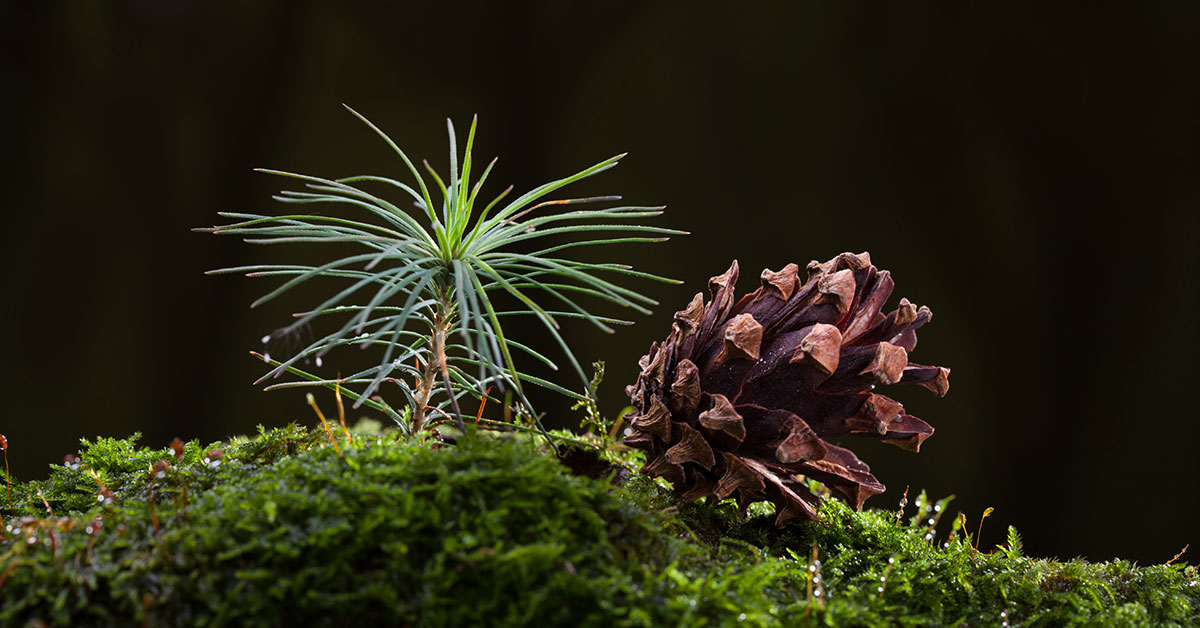
Pine (Pinus)
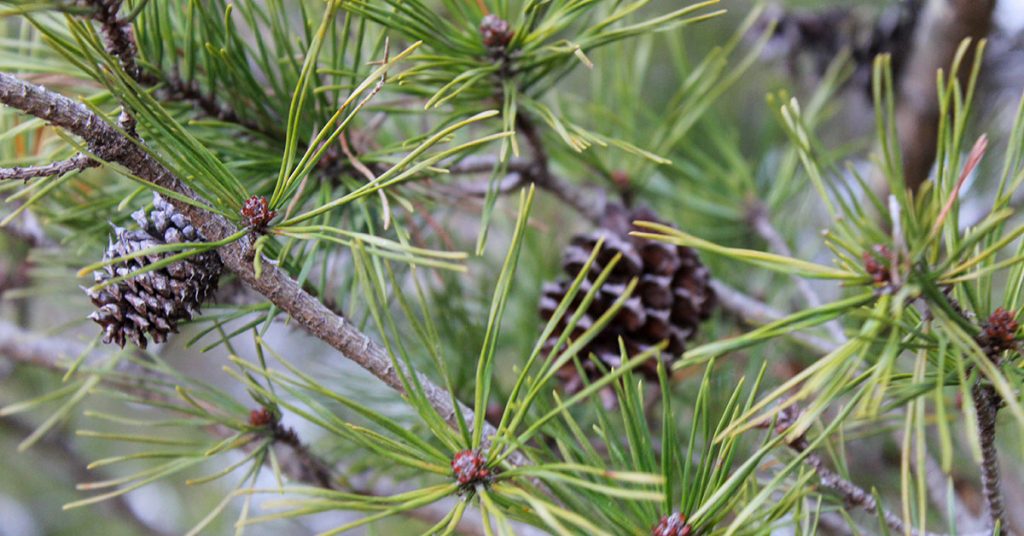
Pine Trees, native to the Northern Hemisphere, hold significant spiritual and religious importance in various cultures, including Buddhism. In Taoism and Buddhism, the pine tree symbolizes longevity and resilience. Pine needles and cones are often used in rituals and as offerings to represent endurance and the unyielding spirit of an enlightened being.
One of the captivating aspects of Pine Trees is their evergreen nature, symbolizing eternal life and endurance. The scent of pine needles can create a refreshing and calming atmosphere, enhancing the sensory experience of your garden. Planting pine trees can provide shade, beauty, and a connection to their rich cultural and spiritual heritage. Their majestic presence and symbolic meanings make Pine Trees a cherished addition to sacred spaces.
Jasmine (Jasminum)

Jasmine, native to tropical and subtropical regions around the world, is a fragrant flowering plant often associated with love, purity, and spiritual peace in Buddhism. The sweet scent of jasmine flowers is believed to bring about a sense of calm and clarity, making it a popular choice for meditation gardens and temple grounds.
One of the delightful aspects of jasmine is its ability to bloom profusely, filling the air with its enchanting fragrance. Jasmine flowers are often used in garlands and offerings during religious ceremonies, symbolizing devotion and spiritual purity. Growing jasmine can enhance the beauty and ambiance of your garden, creating a serene and peaceful environment. Its fragrance and symbolic meanings make jasmine a cherished plant in Buddhist traditions.
Chrysanthemums (Chrysanthemum spp.)
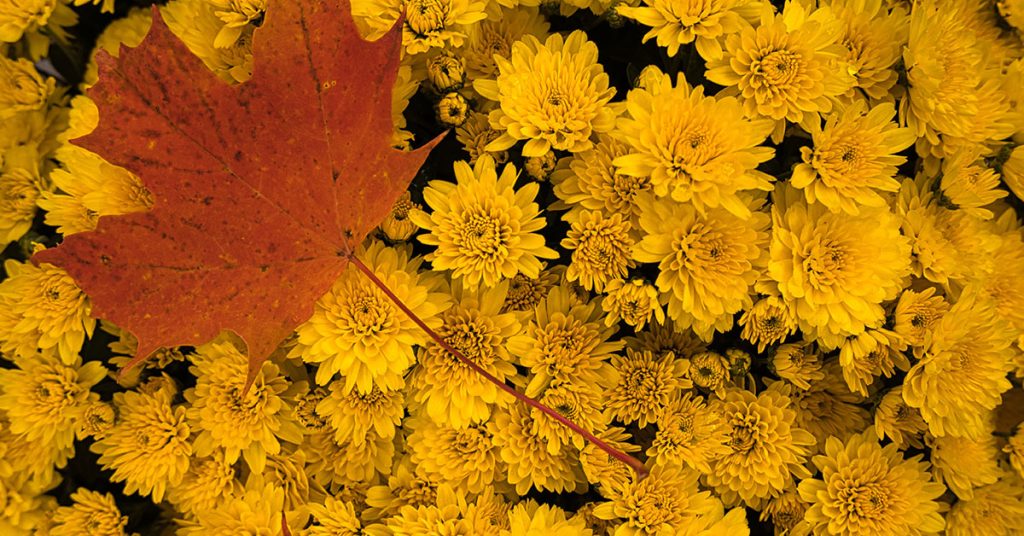
Chrysanthemums, native to Asia and northeastern Europe, are popular flowers that symbolize honor, respect, and remembrance in various cultures, including Buddhism. In many Buddhist traditions, chrysanthemums are used in rituals and offerings to honor the deceased and bring about a sense of peace and reflection.
One of the wonderful qualities of chrysanthemums is their long blooming period, which can extend from late summer into fall. They thrive in well-drained soil and full sun, making them relatively easy to grow. Planting chrysanthemums in your garden can create a stunning and heartfelt tribute, with their blooms serving as a symbol of honor and respect. Their vibrant colors and symbolic meanings make chrysanthemums a cherished addition to any garden.
Plum Blossom (Prunus mume)

Plum Blossoms, native to China, are revered in Buddhism for their beauty and symbolism. The delicate white or pink flowers bloom in late winter or early spring, often before the leaves appear. In Buddhism, plum blossoms represent perseverance and hope, as they bloom amid the harsh conditions of winter.
One of the enchanting aspects of plum blossoms is their ability to symbolize renewal and resilience. Their early bloom signals the end of winter and the beginning of spring, offering hope and inspiration. Plum trees prefer well-drained soil and full sun to partial shade. Planting a plum tree in your garden can create a serene and inspiring space, with its blooms reminding you of the enduring strength and beauty of life. Their delicate appearance and profound symbolism make plum blossoms a cherished plant in Buddhist traditions.
Magnolia (Magnolia grandiflora)
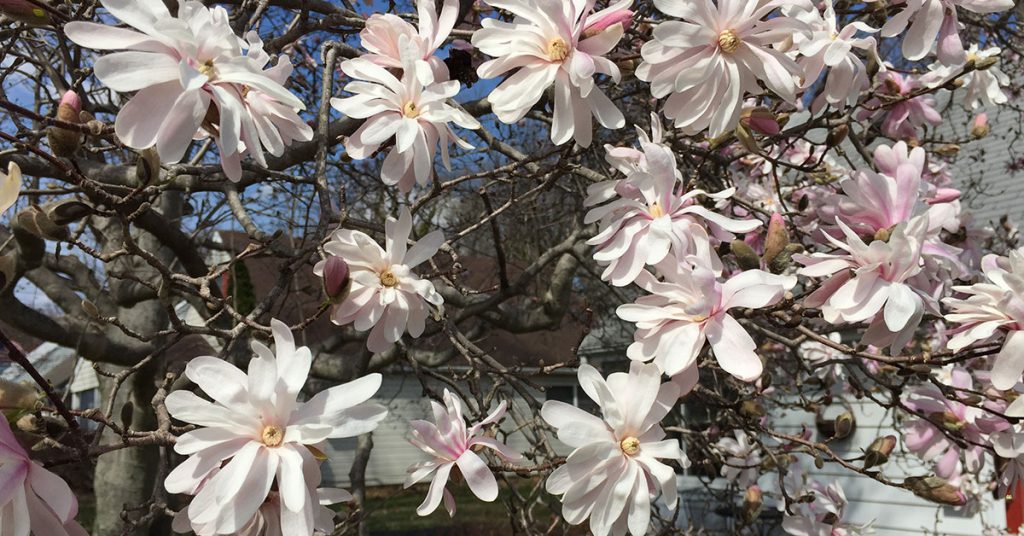
Magnolia, native to Southeast Asia and the Americas, holds significant symbolic meaning in Buddhism. The large, fragrant flowers of the magnolia tree represent purity and spiritual awakening. In Buddhist art and rituals, magnolia flowers are often used to symbolize the Buddha’s teachings and the purity of his enlightenment.
One of the captivating qualities of magnolia trees is their majestic presence and stunning blooms, which can add a touch of elegance to any garden. They thrive in well-drained soil and full sun to partial shade. Planting magnolia trees can create a serene and inspiring space, with their blooms serving as a reminder of the beauty and purity of the Buddha’s teachings. Their fragrant flowers and symbolic meanings make magnolias a cherished addition to sacred spaces.
Water Lily (Nymphaea)

The water lily, native to Africa and Asia, is a flower that holds deep spiritual significance in Buddhism. It symbolizes purity, enlightenment, and rebirth, as it rises from muddy waters to bloom in immaculate beauty. The journey of the lotus from the depths of the water to the surface represents the spiritual path from ignorance to enlightenment.
One of the most enchanting aspects of the water lily is its ability to bloom in the harshest conditions, mirroring the resilience and strength required to achieve enlightenment. The flower’s various colors also hold different meanings: white for purity, red for love and compassion, blue for wisdom, and pink for the historical Buddha. Incorporating lotus plants into a garden can create a tranquil and inspiring space that reflects the core teachings of Buddhism. Their presence in water features or ponds adds a touch of serenity and spiritual significance.
Rice (Oryza sativa)

Rice, native to Asia, holds a unique place in Buddhist culture and traditions. It is a staple food in many Buddhist countries and is often used in rituals and offerings. Rice symbolizes abundance, sustenance, and life itself. In many Buddhist ceremonies, rice is offered to monks and deities as a gesture of gratitude and devotion.
One of the fascinating aspects of rice is its cultivation, which requires careful attention and a deep connection to the land. Growing rice in your garden can be a rewarding experience, providing not only a source of sustenance but also a deeper understanding of its cultural and spiritual significance. Planting rice can create a sense of connection to the earth and a reminder of the importance of gratitude and sustenance in our lives. Its role in Buddhist traditions makes rice a cherished plant with profound meaning.
Marigold (Tagetes)

Marigolds, native to Mexico and Central America, hold significant spiritual and religious importance in various cultures, including Buddhism. In many Buddhist traditions, marigolds are used in religious ceremonies and decorations, symbolizing purity and the presence of the divine. Their vibrant colors and strong fragrance make them a popular choice for offerings and temple gardens.
One of the delightful aspects of Marigolds is their vibrant, cheerful flowers that can brighten any garden. They are also known for their pest-repelling properties, making them valuable companion plants. Planting marigolds in your garden not only adds a splash of color but also connects you to their rich cultural and spiritual heritage. Their versatility and symbolic meanings make Marigolds a cherished addition to sacred spaces.
Gardenia (Gardenia jasminoides)
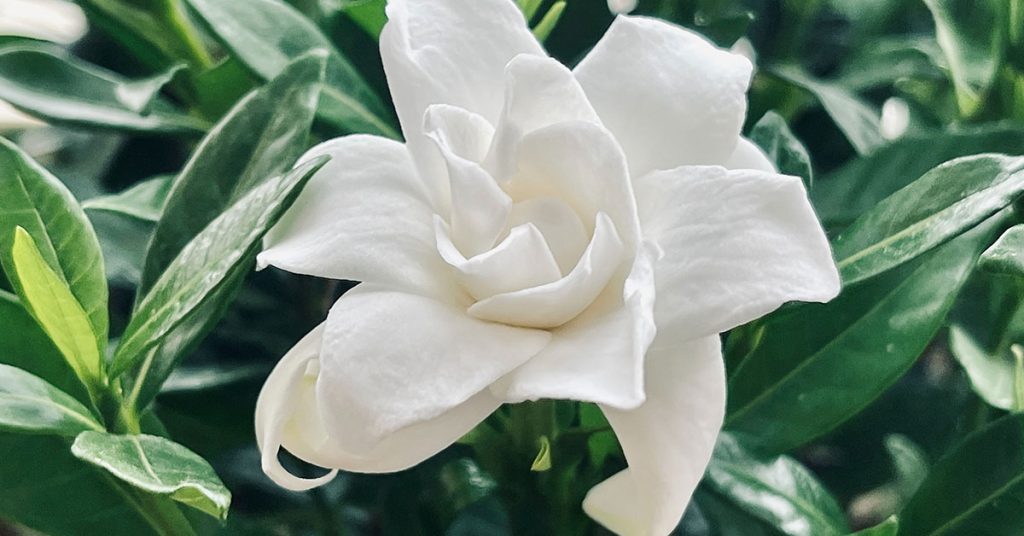
Gardenia, native to tropical and subtropical regions of Africa and Asia, holds significant spiritual and cultural importance in Buddhism. The fragrant white flowers of the gardenia represent purity, peace, and love. In Buddhist traditions, gardenia flowers are often used in religious offerings and ceremonies to symbolize the purity of the Buddha’s teachings.
One of the enchanting qualities of gardenia is its intoxicating fragrance, which can create a serene and calming atmosphere in any garden. The plant prefers well-drained soil and partial shade, making it a versatile addition to various garden settings. Planting gardenias can create a peaceful and inspiring space, with their blooms serving as a reminder of the purity and peace of the Buddha’s teachings. Their fragrant flowers and symbolic meanings make gardenias a cherished addition to sacred spaces.
Rose (Rosa)

Roses, native to Asia, Europe, and North America, are often associated with love and devotion in various cultures, including Buddhism. The rose’s intricate beauty and fragrance make it a popular choice for religious offerings and temple gardens. In Buddhist symbolism, the rose represents the unfolding of spiritual wisdom and the path to enlightenment.
One of the delightful aspects of planting roses is the beauty and fragrance they bring to a garden. A rose bush can serve as a lasting tribute, with each bloom reminding you of the spiritual journey and the unfolding of wisdom. Roses require well-drained soil and plenty of sunlight to thrive, and with proper care, they can flourish for many years. Planting a rose bush can create a beautiful and enduring symbol of spiritual growth and enlightenment.