
Plants hold significant cultural, spiritual, and medicinal importance for Indigenous peoples around the world. Many of these plants have been used for centuries in traditional practices and continue to be revered today. Understanding the deep connections between Indigenous communities and these plants can enrich our appreciation of both the flora and the cultures that hold them in high regard. This guide explores 30 plants that are particularly meaningful to various Indigenous peoples, highlighting their uses and cultural significance.
Whether you’re a gardener looking to deepen your knowledge or simply curious about the cultural connections to plants, this list provides a fascinating insight into the world of Indigenous plant use. Each plant has its own unique story and purpose, making it an essential part of the cultural heritage of the people who cherish it. Let’s delve into the details and celebrate these remarkable plants and the Indigenous wisdom that surrounds them.
Sweetgrass (Hierochloe odorata)
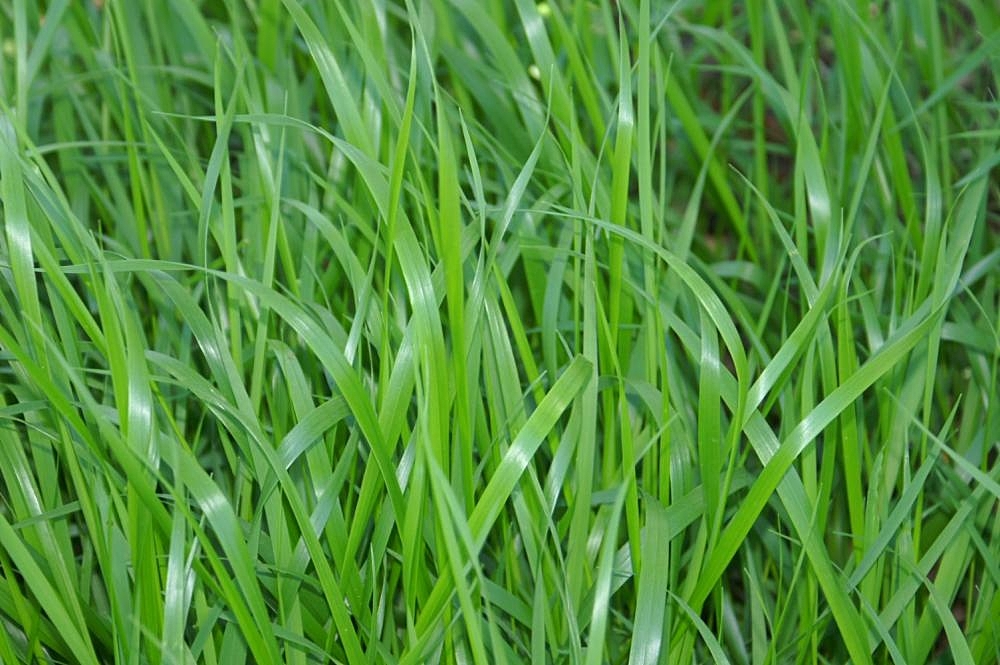
Sweetgrass is highly revered by many Indigenous tribes across North America, including the Anishinaabe, Cree, and Lakota. Native to the northern United States and Canada, this aromatic grass is often braided and used in smudging ceremonies to purify and bring positive energy. The sweet fragrance of burning sweetgrass is believed to attract good spirits and drive away negative energies, making it a staple in spiritual rituals.
Sweetgrass is not only used for its spiritual properties but also in basket weaving and craft making due to its pliable nature. The plant thrives in wet, marshy areas and requires careful management to prevent overharvesting. In recent years, there have been concerted efforts to cultivate sweetgrass sustainably to ensure its availability for future generations. Its non-invasive nature makes it a suitable addition to gardens dedicated to native plants and traditional practices.
Sage (Salvia apiana)
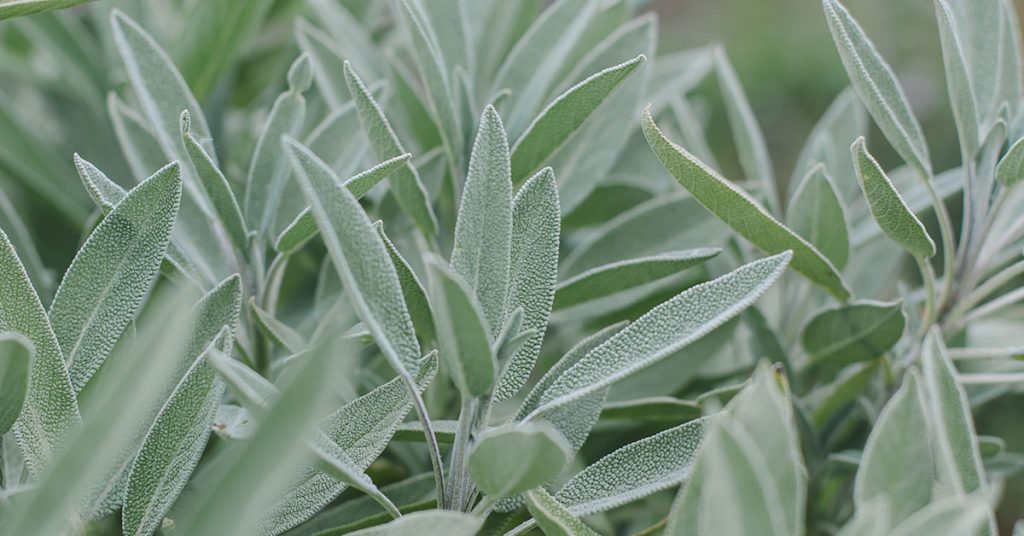
White sage is another sacred plant widely used by Indigenous peoples, particularly in the Southwestern United States. The Navajo, Hopi, and other tribes use sage in purification ceremonies, where it is burned to cleanse spaces, people, and objects. The smoke from sage is believed to carry prayers to the Creator and purify the environment of negative energies.
Native to the southwestern United States and northwestern Mexico, white sage thrives in dry, sunny conditions. It’s important to source sage ethically, as overharvesting in the wild has led to concerns about its sustainability. Many Indigenous communities advocate for growing sage at home to ensure its availability and protect wild populations. Sage’s significance extends beyond its ceremonial use, also featuring in traditional medicine for its antibacterial and healing properties.
Tobacco (Nicotiana rustica)
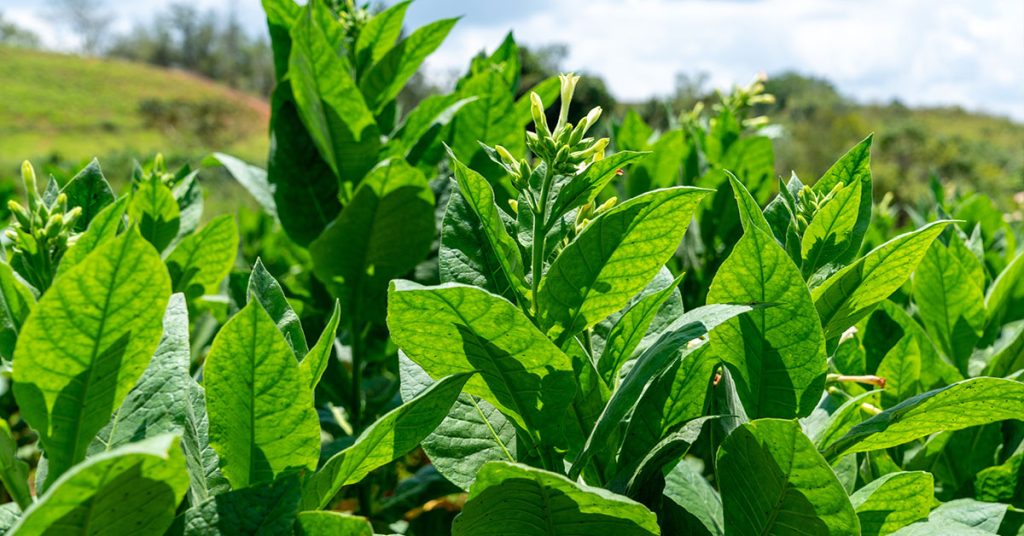
Tobacco holds profound ceremonial importance for many Indigenous tribes across the Americas, including the Iroquois, Cherokee, and Plains tribes. Used in various rituals, tobacco is offered as a gift to spirits, ancestors, and the earth. It is believed to carry prayers to the spiritual world and is often used in peace-making ceremonies, making it a symbol of communication and respect.
Native to the Americas, tobacco has been cultivated for thousands of years. While its use in traditional contexts is sacred and controlled, the widespread commercial cultivation and consumption of tobacco have overshadowed its cultural significance. Indigenous communities emphasize the respectful and intentional use of tobacco, distinct from its recreational use. Growing tobacco requires a warm climate and rich soil, making it suitable for specific gardening conditions.
Cedar (Thuja plicata)

Western Red Cedar is deeply significant to many Indigenous peoples of the Pacific Northwest, including the Coast Salish, Tlingit, and Haida. Often referred to as the “Tree of Life,” cedar is used in a wide array of cultural practices, from building canoes and totem poles to crafting clothing and baskets. Its bark and wood are highly valued for their durability and resistance to decay.
Cedar is also used in purification rituals, where its branches are burned to cleanse spaces and individuals. The aromatic smoke is believed to attract positive energies and offer protection. Native to the coastal regions of western North America, cedar forests are considered sacred, and their conservation is crucial for preserving cultural heritage. Cedar’s significance extends to medicinal uses, where its leaves and bark are used to treat various ailments.
Yarrow (Achillea millefolium)
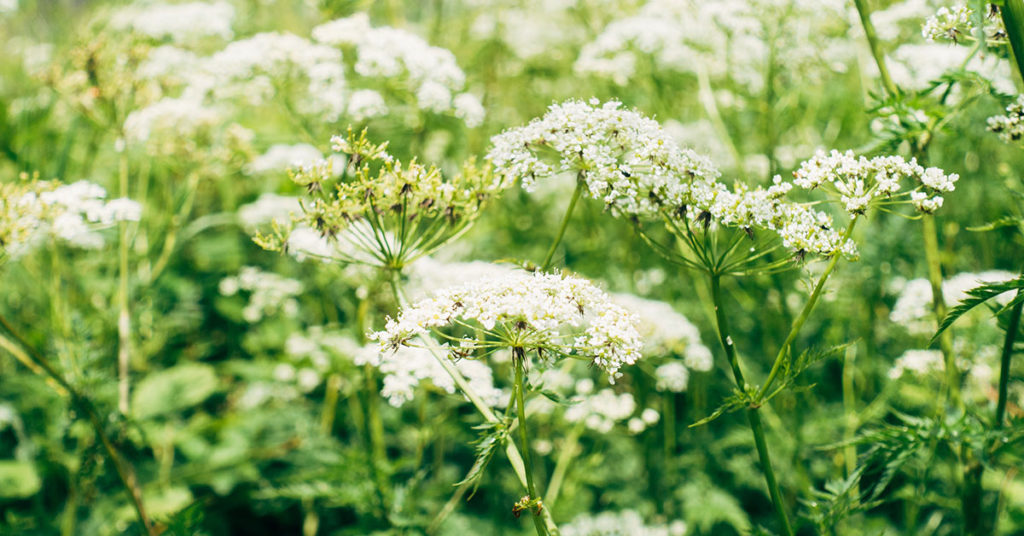
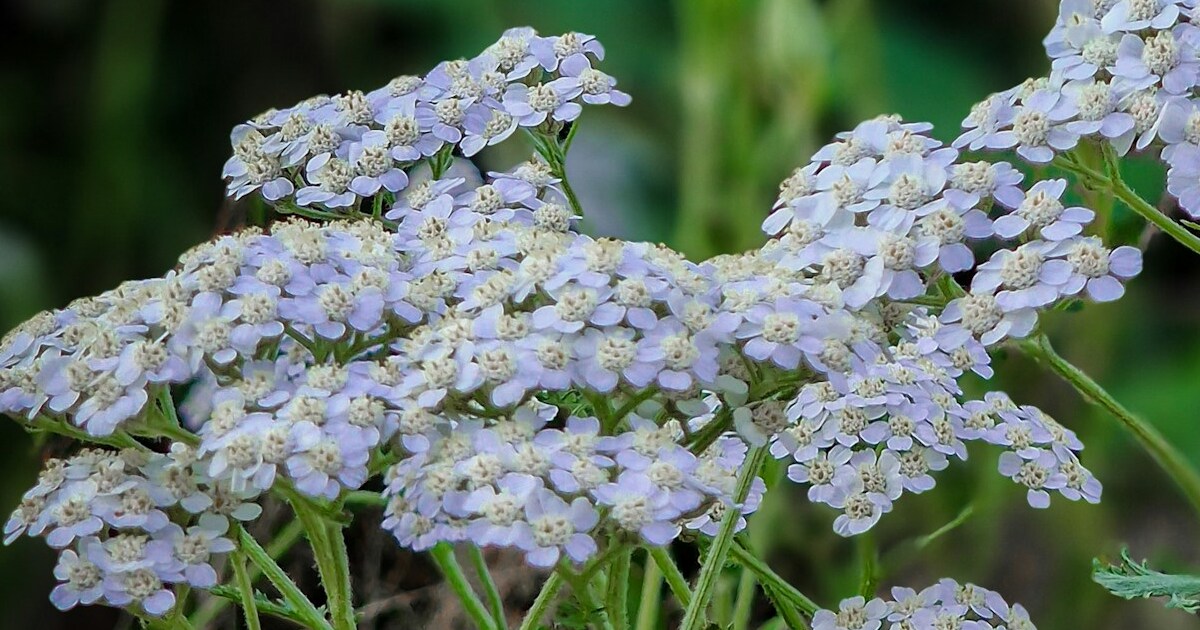
Yarrow is a medicinal plant used by numerous Indigenous tribes, including the Cherokee, Blackfoot, and Coast Salish. Known for its healing properties, yarrow is used to treat wounds, reduce fever, and alleviate digestive issues. The plant’s feathery leaves and white flowers are a common sight in many traditional herbal remedies.
Native to temperate regions of the Northern Hemisphere, yarrow is both resilient and easy to grow, making it a valuable plant in traditional and modern gardens alike. Its non-invasive nature and beneficial properties make it a great addition to any medicinal herb garden. Indigenous knowledge emphasizes the importance of harvesting yarrow sustainably to ensure its availability for future generations.
Cattail (Typha latifolia)
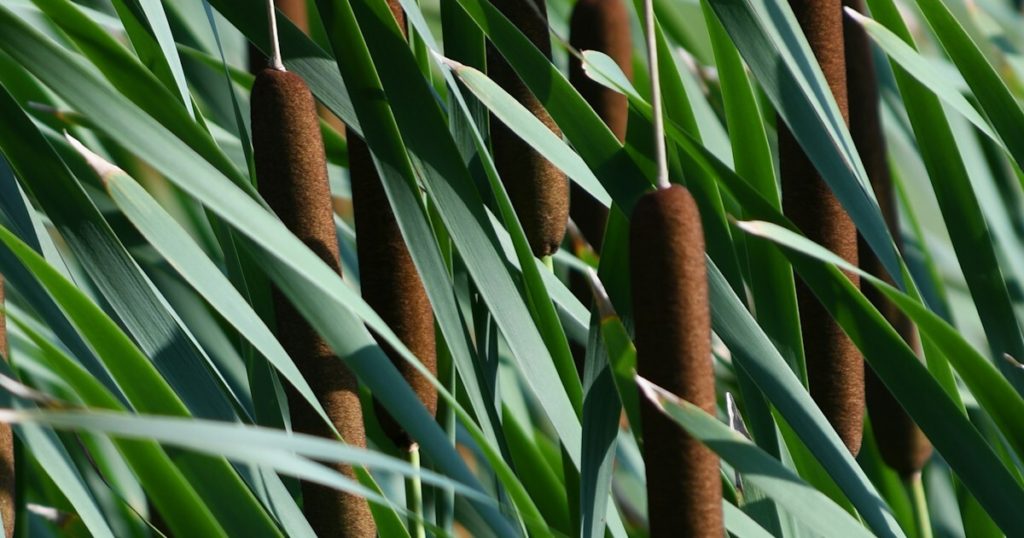
Cattail is a versatile plant with significant cultural importance for Indigenous peoples, including the Ojibwe and Miwok. Every part of the cattail plant is utilized: the roots are edible, the leaves are used for weaving mats and baskets, and the fluffy seed heads are used for stuffing pillows and mattresses. Cattail’s adaptability and abundance make it a crucial resource.
Native to wetlands across North America, cattail thrives in marshy areas and along the edges of ponds and streams. Its ability to filter water and provide habitat for wildlife further underscores its ecological importance. For Indigenous communities, cattail is not just a resource but a symbol of resilience and adaptability, reflecting the interconnectedness of nature and culture.
Wild Rose (Rosa acicularis)

The wild rose, particularly Rosa acicularis, holds special meaning for Indigenous tribes such as the Blackfoot and Cree. Known for its beautiful pink flowers and medicinal properties, the wild rose is used to treat colds, digestive issues, and as a source of vitamin C. The petals, hips, and leaves all have their unique uses in traditional medicine.
Native to North America, wild roses thrive in a variety of conditions, from woodlands to prairies. They are valued not only for their medicinal uses but also for their aesthetic and ecological benefits. Wild roses attract pollinators and provide food for birds and other wildlife. Cultivating wild roses in gardens can help preserve these native species and their cultural significance.
Juniper (Juniperus communis)

Juniper is a sacred plant for many Indigenous peoples, including the Navajo and Apache. Used in purification rituals, juniper branches are burned to cleanse spaces and individuals. The berries are also used in traditional medicine to treat respiratory and digestive issues, as well as in culinary practices.
Native to the Northern Hemisphere, juniper thrives in a variety of environments, from forests to rocky outcrops. Its hardy nature and aromatic properties make it a valuable plant in both traditional and modern contexts. Juniper’s significance extends to its use in crafting tools and making dyes, showcasing its multifaceted role in Indigenous cultures.
Echinacea (Echinacea purpurea)
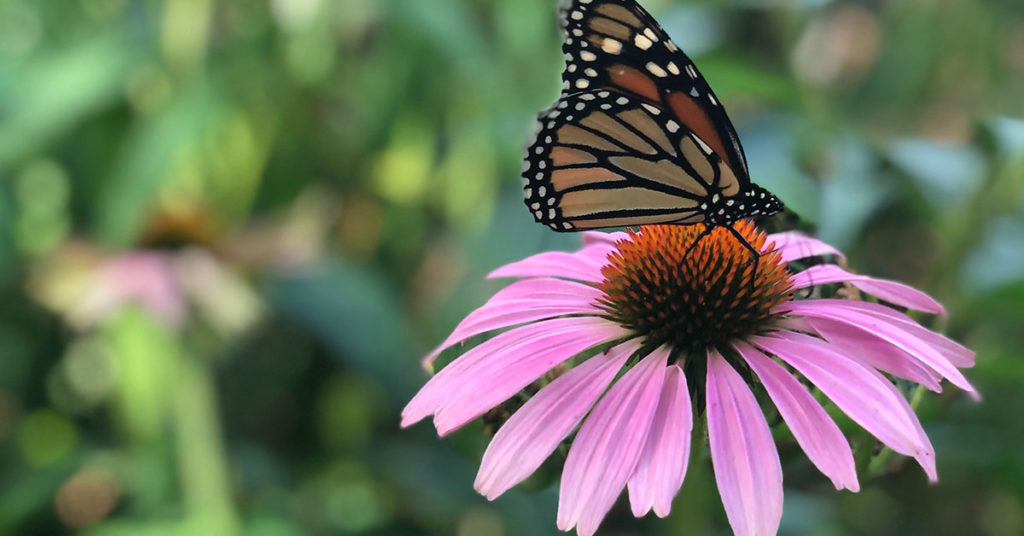
Echinacea, also known as coneflower, is widely used by Indigenous tribes such as the Cheyenne and Sioux. Known for its immune-boosting properties, echinacea is used to treat infections, wounds, and respiratory ailments. The plant’s distinctive purple flowers are not only beautiful but also medicinally potent.
Native to the prairies of North America, echinacea thrives in well-drained soil and full sun. Its popularity in herbal medicine has led to its widespread cultivation, both in traditional gardens and commercial farms. Indigenous knowledge highlights the importance of using echinacea sustainably to ensure its continued availability. This plant’s resilience and healing properties make it a valuable addition to any medicinal herb garden.
Blueberry (Vaccinium spp.)
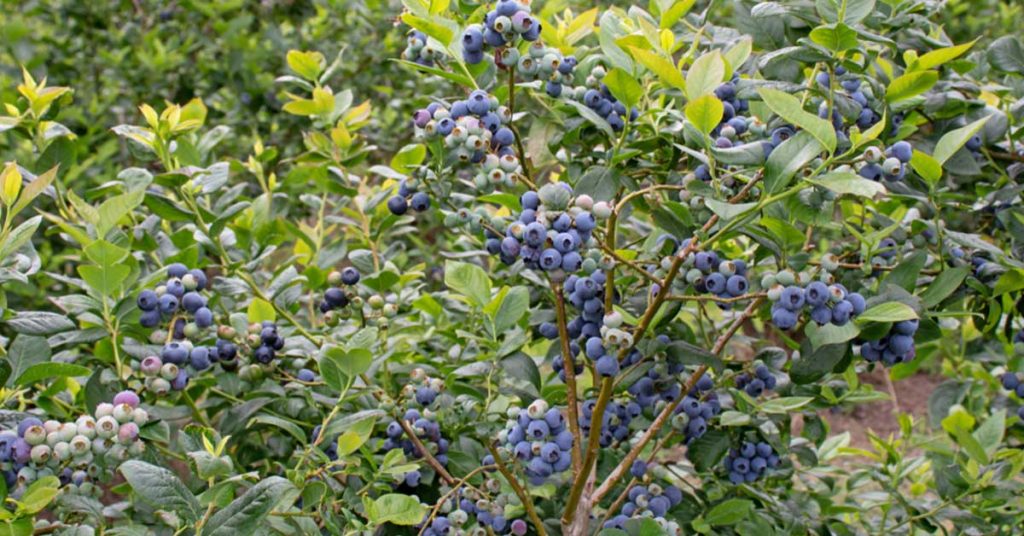
Blueberries hold cultural and nutritional significance for many Indigenous tribes, including the Wampanoag and Mi’kmaq. The berries are harvested for food, and their leaves and roots are used in traditional medicine to treat various ailments, including diarrhea and infections. Blueberries are also featured in numerous cultural stories and ceremonies.
Native to North America, blueberries thrive in acidic soils and are commonly found in forests and bogs. They are a valuable food source for both humans and wildlife, providing essential nutrients and antioxidants. Cultivating blueberries can help preserve these native species and support local ecosystems. Their cultural and nutritional importance underscores their value in Indigenous traditions.
Bearberry (Arctostaphylos uva-ursi)

Bearberry, also known as kinnikinnick, is significant to many Indigenous peoples, including the Cree and Navajo. The leaves of bearberry are used in traditional smoking blends and for medicinal purposes, such as treating urinary tract infections and respiratory issues. The plant’s bright red berries are also edible and used in various culinary applications.
Native to North America, bearberry thrives in dry, sandy soils and is often found in forests and alpine regions. Its evergreen leaves and trailing habit make it a popular ground cover in gardens. Bearberry’s resilience and medicinal properties make it a valuable plant in both traditional and modern contexts. Ensuring its sustainable use and cultivation helps preserve its cultural significance.
Willow (Salix spp.)

Willow trees hold significant importance for Indigenous tribes such as the Blackfoot, Ojibwe, and Navajo. Willow bark contains salicin, which is used to treat pain, fever, and inflammation. The flexible branches are also used in basketry, making tools, and constructing traditional shelters like wigwams and sweat lodges.
Native to the Northern Hemisphere, willows thrive in moist environments, such as riverbanks and wetlands. Their ability to stabilize soil and prevent erosion makes them ecologically valuable. For Indigenous communities, willow trees are not just a resource but a symbol of resilience and adaptability. The cultural and medicinal uses of willow underscore its importance in traditional practices.
Black Cohosh (Actaea racemosa)

Black cohosh is a medicinal plant used by Indigenous tribes such as the Cherokee and Iroquois. Known for its use in treating menstrual and menopausal symptoms, black cohosh is a staple in traditional herbal medicine. The plant’s tall, white flower spikes and fern-like leaves make it a striking addition to gardens.
Native to eastern North America, black cohosh thrives in woodland environments with rich, well-drained soil. Its popularity in modern herbal medicine has led to concerns about overharvesting, making sustainable cultivation practices essential. Indigenous knowledge emphasizes the importance of using black cohosh responsibly to ensure its availability for future generations.
Sweet Flag (Acorus calamus)
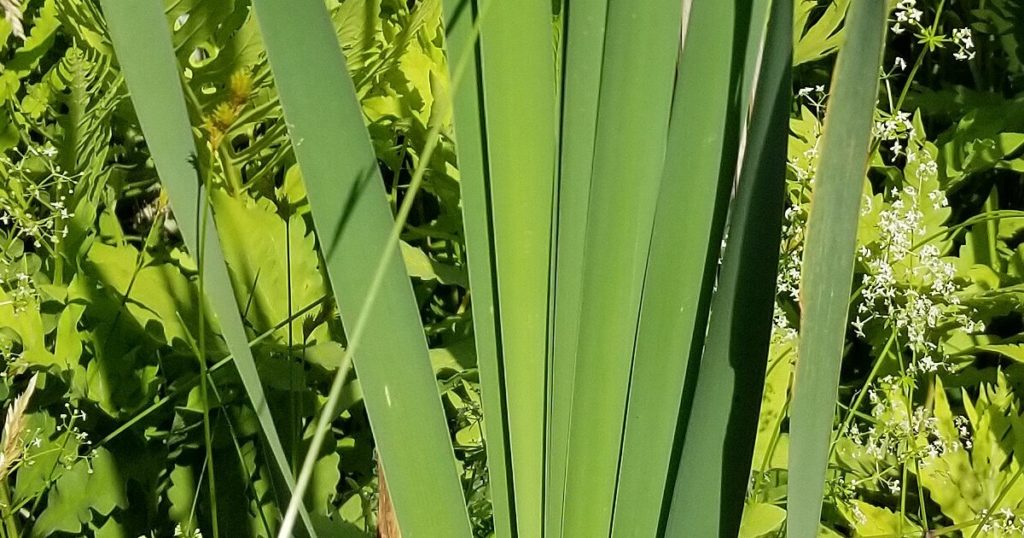
Sweet flag, also known as calamus, is used by Indigenous tribes such as the Cree and Ojibwe for its medicinal and spiritual properties. The rhizomes are used to treat digestive issues, respiratory ailments, and as a stimulant. Sweet flag is also used in ceremonial practices, where its aromatic properties are believed to purify and protect.
Native to wetlands in North America, Europe, and Asia, sweet flag thrives in marshy environments and along stream banks. Its tall, grass-like leaves and distinctive scent make it a valuable plant in both traditional and modern contexts. Sustainable harvesting practices are crucial to preserving sweet flag’s cultural and ecological significance. Cultivating sweet flag in gardens can help ensure its continued availability.
Sassafras (Sassafras albidum)

Sassafras holds cultural and medicinal significance for Indigenous tribes such as the Cherokee and Choctaw. The leaves, bark, and roots are used to treat various ailments, including colds, fevers, and digestive issues. Sassafras tea, made from the roots, is a traditional beverage with both medicinal and culinary uses.
Native to eastern North America, sassafras thrives in well-drained soils and is commonly found in forests and along streams. Its aromatic leaves and distinctive, mitten-shaped foliage make it a unique addition to gardens. While sassafras has been used for centuries, it’s important to note that the FDA has raised concerns about the safety of its use due to the presence of safrole, a potentially carcinogenic compound. Indigenous knowledge and sustainable practices emphasize the responsible use of sassafras to ensure its continued availability and safety.
Sumac (Rhus spp.)
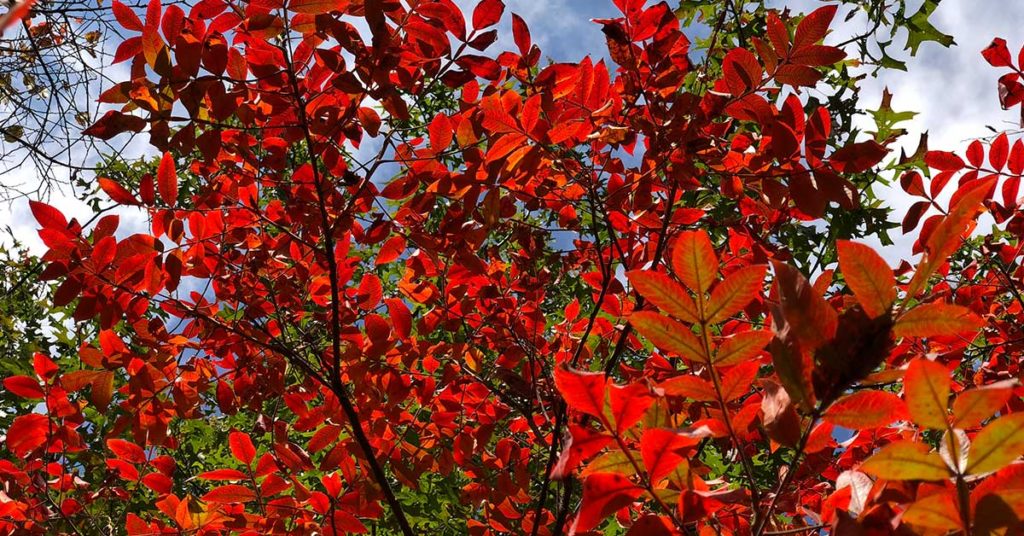
Sumac is used by Indigenous tribes such as the Iroquois and Cherokee for its medicinal and culinary properties. The bright red berries are used to make a tart beverage, often referred to as “sumac lemonade.” The leaves and bark are used in traditional medicine to treat respiratory issues, digestive problems, and as an astringent.
Native to North America, sumac thrives in a variety of environments, from dry, rocky soils to forest edges. Its vibrant red berries and striking fall foliage make it a popular ornamental plant. While sumac is generally non-invasive, it can spread aggressively in some areas, so it’s important to manage its growth in gardens. Sumac’s versatility and cultural significance make it a valuable plant in both traditional and modern contexts.
Wild Bergamot (Monarda fistulosa)

Wild bergamot, also known as bee balm, is used by Indigenous tribes such as the Osage and Menominee for its medicinal properties. The leaves and flowers are used to make a tea that treats colds, respiratory issues, and digestive problems. Wild bergamot is also valued for its aromatic qualities and is often used in smudging ceremonies.
Native to North America, wild bergamot thrives in prairies, meadows, and woodland edges. Its showy, lavender flowers attract pollinators like bees and butterflies, making it a valuable addition to gardens. Wild bergamot’s resilience and medicinal properties highlight its importance in Indigenous traditions. Ensuring its sustainable use and cultivation helps preserve its cultural significance.
Devil’s Club (Oplopanax horridus)
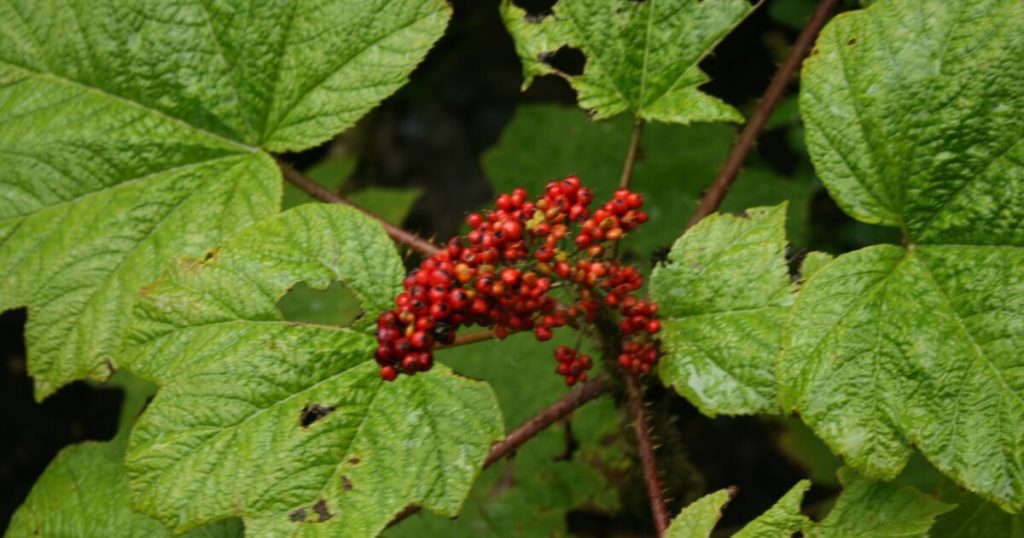
Devil’s Club is a powerful medicinal plant used by Indigenous tribes in the Pacific Northwest, such as the Tlingit and Haida. The roots and bark are used to treat arthritis, digestive issues, and respiratory ailments. Devil’s Club is also used in spiritual practices, where it is believed to offer protection and strength.
Native to the temperate rainforests of western North America, Devil’s Club thrives in moist, shaded environments. Its large, spiny leaves and distinctive red berries make it a striking plant. Harvesting Devil’s Club requires careful management to ensure its sustainability and protect its ecological and cultural importance. Indigenous knowledge emphasizes the respectful and responsible use of this powerful plant.
Nettle (Urtica dioica)

Nettle is used by Indigenous tribes such as the Cherokee and Coast Salish for its nutritional and medicinal properties. The leaves are rich in vitamins and minerals and can be used to make a nutritious tea or cooked as a vegetable. Nettle is also used to treat arthritis, allergies, and skin conditions.
Native to temperate regions of the Northern Hemisphere, nettle thrives in moist, nutrient-rich soils. While its stinging hairs can be a deterrent, proper handling and preparation make it a valuable plant. Nettle’s resilience and versatility underscore its importance in traditional practices. Cultivating nettle in gardens can provide a sustainable source of this beneficial plant while preserving its cultural significance.
Solomon’s Seal (Polygonatum spp.)
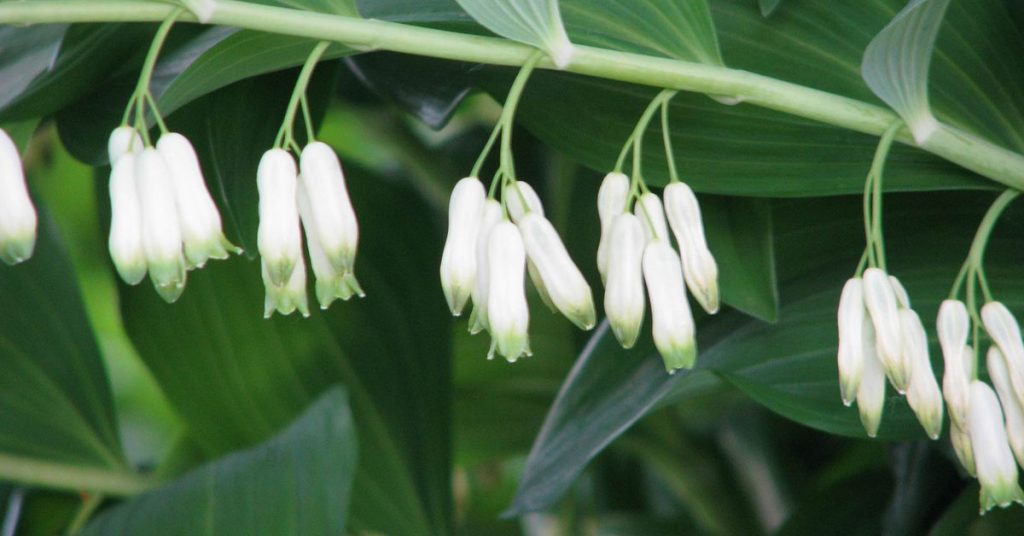
Solomon’s Seal is used by Indigenous tribes such as the Cherokee and Chippewa for its medicinal properties. The roots are used to treat joint pain, respiratory issues, and digestive problems. Solomon’s Seal is also valued for its ornamental qualities, with its arching stems and bell-shaped flowers adding elegance to gardens.
Native to temperate regions of the Northern Hemisphere, Solomon’s Seal thrives in shaded, woodland environments with rich, well-drained soil. Its rhizomes spread slowly, making it a non-invasive addition to gardens. Solomon’s Seal’s cultural and medicinal uses highlight its significance in Indigenous traditions. Sustainable cultivation practices ensure its continued availability for future generations.
Milkweed (Asclepias spp.)
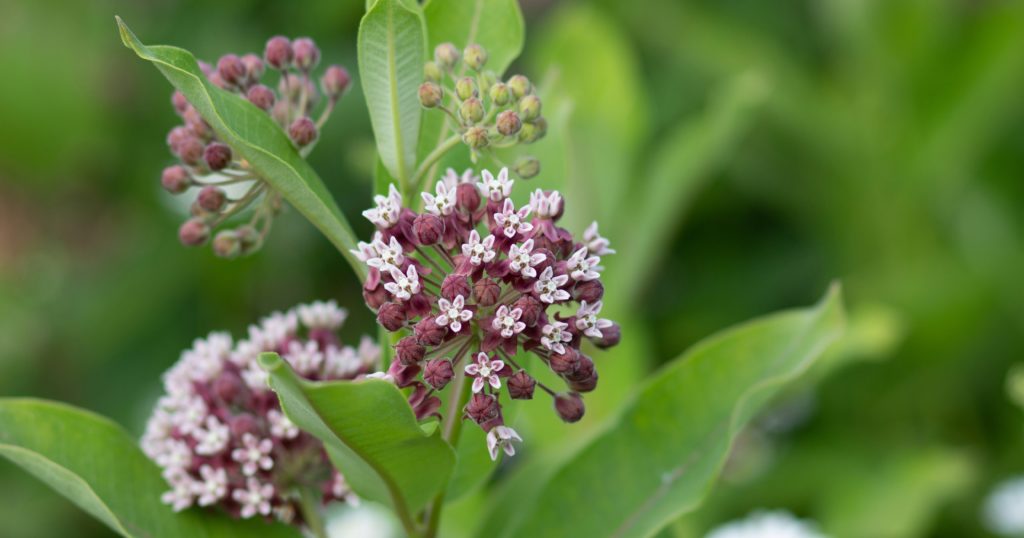
Milkweed holds cultural and ecological significance for Indigenous tribes such as the Apache and Zuni. The plant’s fibrous stems are used to make twine and textiles, while the leaves and flowers are used in traditional medicine to treat respiratory issues and skin conditions. Milkweed is also the primary food source for monarch butterfly larvae, making it a crucial plant for pollinator conservation.
Native to North America, milkweed thrives in prairies, meadows, and open woodlands. Its clusters of pink or orange flowers attract a variety of pollinators, making it a valuable addition to gardens. While some species of milkweed can spread aggressively, proper management ensures their benefits outweigh any potential drawbacks. Milkweed’s versatility and importance in traditional practices underscore its cultural and ecological value.
Goldenseal (Hydrastis canadensis)
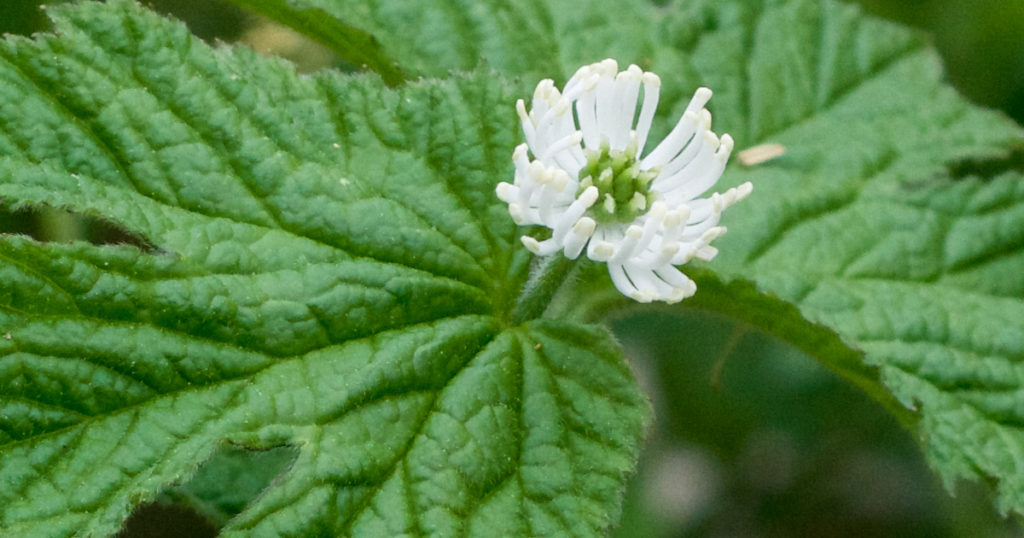
Goldenseal is a medicinal plant used by Indigenous tribes such as the Cherokee and Iroquois for its powerful healing properties. The root is used to treat digestive issues, skin conditions, and infections. Goldenseal is also valued for its antimicrobial properties, making it a staple in traditional herbal medicine.
Native to the hardwood forests of eastern North America, goldenseal thrives in rich, well-drained soil and shaded environments. Its bright yellow rhizomes and distinctive, palm-shaped leaves make it a unique addition to gardens. Overharvesting has led to concerns about goldenseal’s sustainability, emphasizing the importance of ethical sourcing and cultivation. Preserving goldenseal ensures its continued availability for both traditional and modern medicinal uses.
Prairie Sage (Artemisia ludoviciana)
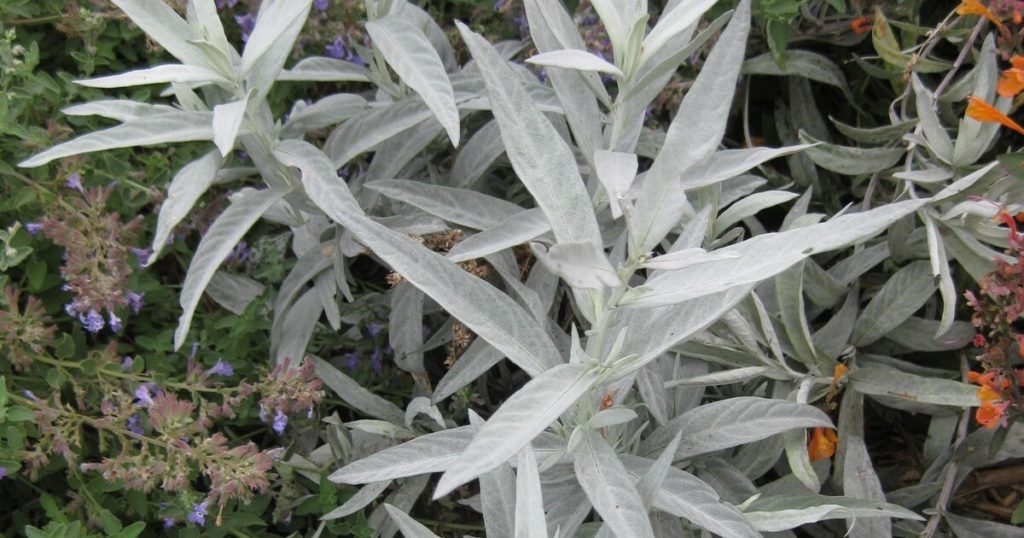
Prairie sage, also known as white sagebrush, is used by Indigenous tribes such as the Lakota and Cheyenne for its medicinal and spiritual properties. The leaves are used in smudging ceremonies to purify and protect, while the plant is also used to treat respiratory and digestive issues. Prairie sage’s aromatic qualities make it a valued plant in various cultural practices.
Native to the plains and prairies of North America, prairie sage thrives in dry, sunny environments with well-drained soil. Its silvery, soft leaves and resilience to drought make it a valuable addition to gardens. Prairie sage’s cultural and medicinal uses highlight its significance in Indigenous traditions. Ensuring its sustainable use and cultivation helps preserve its cultural importance.
Wild Ginger (Asarum canadense)

Wild ginger is used by Indigenous tribes such as the Cherokee and Menominee for its medicinal properties. The root is used to treat digestive issues, colds, and fevers. Wild ginger is also valued for its aromatic qualities and is used as a spice in cooking.
Native to the woodlands of eastern North America, wild ginger thrives in shaded, moist environments with rich soil. Its heart-shaped leaves and unique, cup-shaped flowers make it an attractive addition to gardens. Wild ginger’s resilience and versatility underscore its importance in traditional practices. Cultivating wild ginger in gardens can provide a sustainable source of this beneficial plant while preserving its cultural significance.
Marsh Marigold (Caltha palustris)
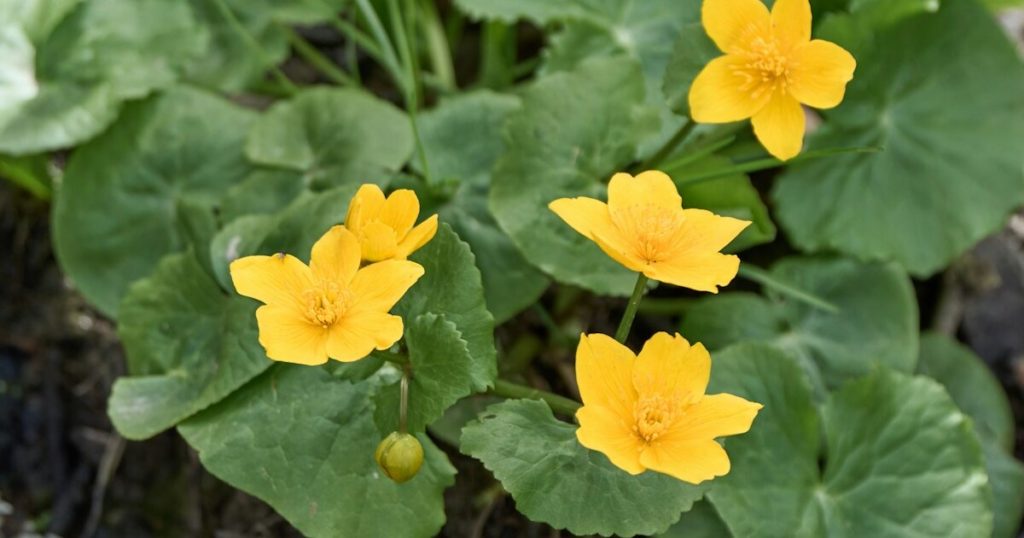
Marsh marigold is used by Indigenous tribes such as the Ojibwe and Mi’kmaq for its medicinal properties. The leaves and flowers are used to treat respiratory issues, skin conditions, and digestive problems. Marsh marigold is also valued for its bright, cheerful flowers that signal the arrival of spring.
Native to wetlands in North America and Europe, marsh marigold thrives in moist, marshy environments. Its bright yellow flowers and glossy green leaves make it a popular ornamental plant for water gardens and ponds. While marsh marigold can spread in wet conditions, it is generally non-invasive. Its cultural and medicinal uses highlight its significance in Indigenous traditions and underscore the importance of sustainable harvesting practices.
Bee Balm (Monarda didyma)

Bee balm, also known as Oswego tea, is used by Indigenous tribes such as the Oswego and Menominee for its medicinal and culinary properties. The leaves and flowers are used to make a tea that treats colds, respiratory issues, and digestive problems. Bee balm is also valued for its aromatic qualities and is often used in smudging ceremonies.
Native to North America, bee balm thrives in prairies, meadows, and woodland edges. Its showy, red flowers attract pollinators like bees and butterflies, making it a valuable addition to gardens. Bee balm’s resilience and medicinal properties highlight its importance in Indigenous traditions. Ensuring its sustainable use and cultivation helps preserve its cultural significance.
Licorice Root (Glycyrrhiza lepidota)
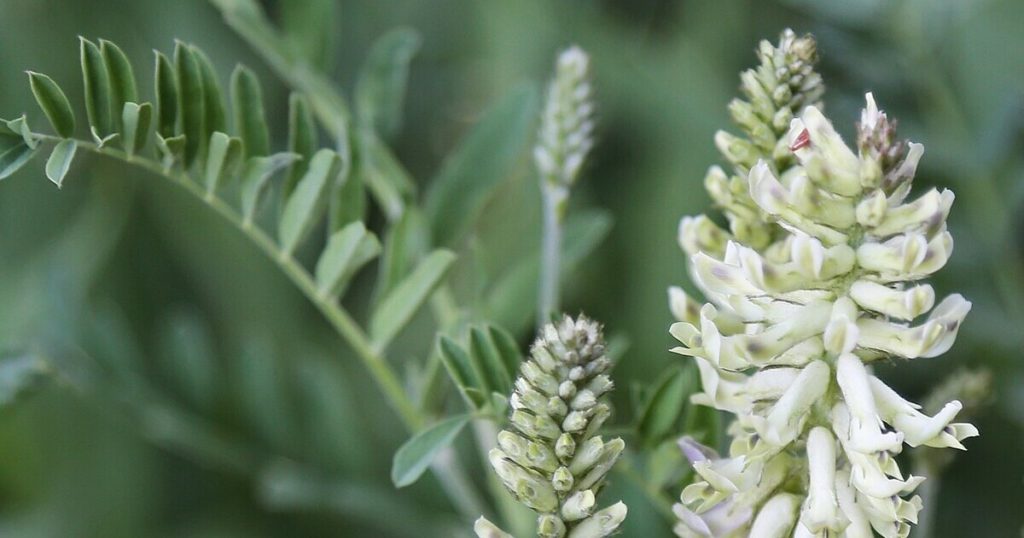
Licorice root is used by Indigenous tribes such as the Lakota and Cheyenne for its medicinal properties. The root is used to treat respiratory issues, digestive problems, and as a natural sweetener. Licorice root is also valued for its anti-inflammatory and soothing properties.
Native to the Great Plains and western United States, licorice root thrives in sandy, well-drained soils. Its deep roots and distinctive, compound leaves make it a unique addition to gardens. Overharvesting has led to concerns about licorice root’s sustainability, emphasizing the importance of ethical sourcing and cultivation. Preserving licorice root ensures its continued availability for both traditional and modern medicinal uses.
Witch Hazel (Hamamelis virginiana)

Witch hazel is used by Indigenous tribes such as the Cherokee and Mohegan for its medicinal properties. The bark and leaves are used to treat skin conditions, inflammation, and as an astringent. Witch hazel is also valued for its unique yellow flowers that bloom in late fall and early winter.
Native to the eastern United States, witch hazel thrives in shaded, woodland environments with rich, well-drained soil. Its spreading branches and fragrant flowers make it a valuable ornamental plant. Witch hazel’s resilience and medicinal properties highlight its importance in traditional practices. Cultivating witch hazel in gardens can provide a sustainable source of this beneficial plant while preserving its cultural significance.
Mullein (Verbascum thapsus)
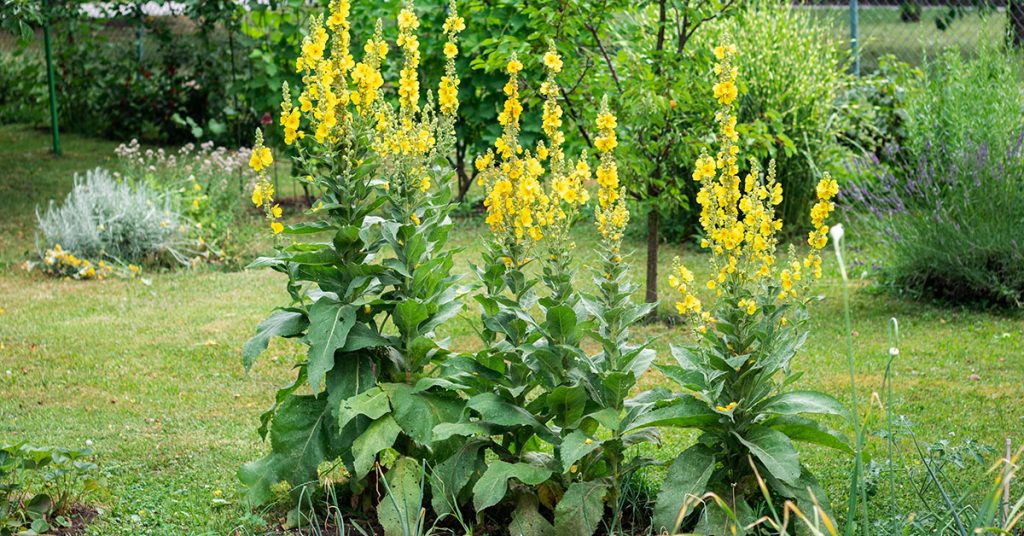
Mullein is used by Indigenous tribes such as the Zuni and Navajo for its medicinal properties. The leaves and flowers are used to treat respiratory issues, skin conditions, and as a soothing tea. Mullein is also valued for its tall, woolly stems and bright yellow flowers.
Native to Europe and Asia, mullein has naturalized in North America and thrives in dry, sunny environments with well-drained soil. Its resilience and versatility make it a valuable plant in both traditional and modern contexts. While mullein can spread aggressively, proper management ensures its benefits outweigh any potential drawbacks. Mullein’s cultural and medicinal uses underscore its importance in Indigenous traditions.
Plantain (Plantago major)

Plantain is used by Indigenous tribes such as the Cherokee and Iroquois for its medicinal properties. The leaves are used to treat wounds, insect bites, and respiratory issues. Plantain is also valued for its anti-inflammatory and soothing properties.
Native to Europe and Asia, plantain has naturalized in North America and thrives in a variety of environments, from lawns to disturbed soils. Its broad, green leaves and resilience make it a common and valuable plant. Plantain’s versatility and importance in traditional practices highlight its significance in Indigenous traditions. Ensuring its sustainable use and cultivation helps preserve its cultural and medicinal value.