

Plants have played a significant role in spiritual and religious practices throughout history. Their unique qualities and symbolic meanings have made them integral to various rituals, traditions, and beliefs around the world. From sacred groves to temple gardens, these plants are revered for their spiritual significance and their ability to connect humanity with the divine. This article explores 30 plants that hold spiritual and religious importance, providing a rich tapestry of cultural and botanical knowledge.
Whether you’re a gardener looking to add a touch of sacredness to your garden or someone interested in the spiritual meanings behind these plants, understanding their significance can deepen your appreciation for the natural world. Let’s dive into the fascinating world of plants with spiritual and religious significance, celebrating their unique qualities and the rich traditions they embody.
Tulsi (Ocimum sanctum)
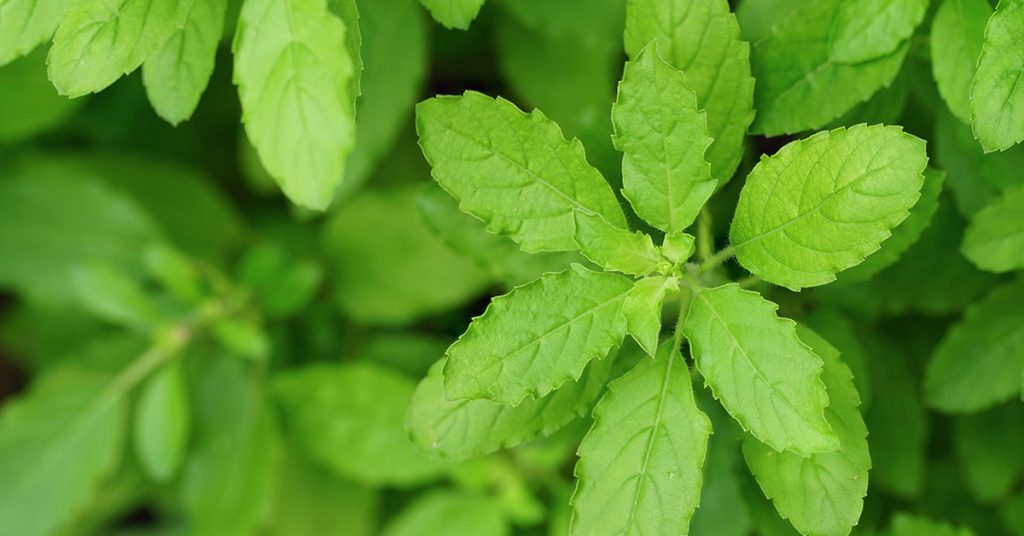
Tulsi, also known as Holy Basil, is native to India and holds a special place in Hinduism. It is considered an earthly manifestation of the goddess Tulsi and is worshipped for its spiritual and medicinal properties. Tulsi is often planted around Hindu temples and homes, where it is believed to purify the surroundings and bring good fortune. The plant is also used in various religious rituals and is an essential part of daily prayers.
One of my favorite aspects of Tulsi is its versatile use in Ayurveda, where it is revered for its healing properties. The leaves are used to make herbal teas, which are believed to boost immunity and promote overall well-being. Growing Tulsi in your garden not only enhances its spiritual ambiance but also provides you with a valuable herb for holistic health. Its aromatic leaves and small purple flowers add a touch of beauty and sacredness to any garden.
Olive Tree (Olea europaea)

The Olive Tree is native to the Mediterranean region and has been a symbol of peace, wisdom, and fertility for thousands of years. In Christianity, the olive branch is a symbol of peace and was brought back to Noah’s Ark by a dove, signifying the end of the flood. Olive oil, derived from the tree’s fruit, is used in various religious rituals, including anointing and blessings.
One of the remarkable qualities of the Olive Tree is its longevity and resilience. Some olive trees are known to be over a thousand years old, standing as silent witnesses to history. The tree’s gnarled trunk and silver-green leaves add a timeless beauty to the landscape. Planting an olive tree in your garden can create a serene and meditative space, connecting you to ancient traditions and the enduring spirit of peace.
Lotus (Nelumbo nucifera)
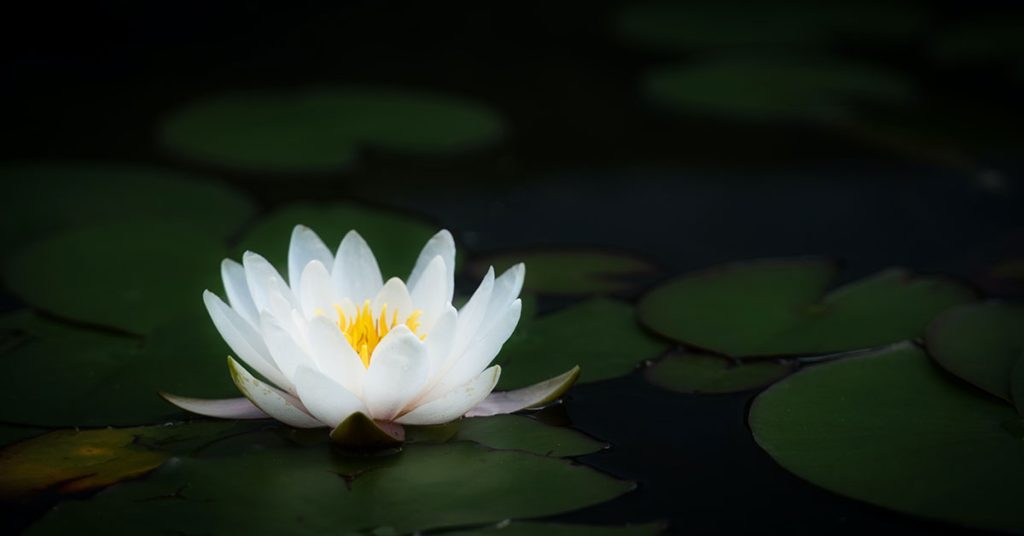
The Lotus is native to Asia and holds profound spiritual significance in Hinduism, Buddhism, and other Eastern religions. In Hinduism, the lotus is associated with several deities, including Vishnu and Lakshmi, symbolizing purity, beauty, and divine creation. In Buddhism, the lotus represents enlightenment, as it rises from the muddy waters to bloom in immaculate beauty.
What fascinates me about the Lotus is its symbolic journey from darkness to light. This journey mirrors the spiritual path of rising above worldly struggles to attain spiritual enlightenment. The lotus flowers, with their delicate petals and serene presence, make a stunning addition to water gardens. Growing lotus plants not only enhances the visual appeal of your garden but also infuses it with a sense of tranquility and spiritual depth.
Frankincense (Boswellia sacra)
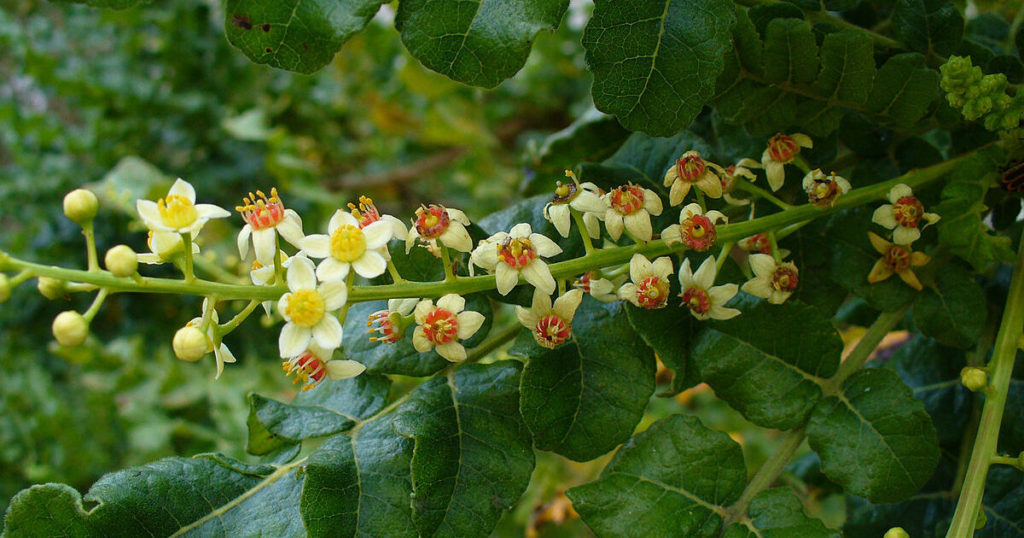
Frankincense is native to the Arabian Peninsula and parts of Africa. It has been highly valued for its aromatic resin, which is harvested from the bark of the tree. Frankincense has been used in religious and spiritual rituals for thousands of years, particularly in Christian, Jewish, and Islamic traditions. It is often burned as incense in religious ceremonies, symbolizing purification and the presence of the divine.
One of the most captivating aspects of Frankincense is its rich, woody aroma, which can create a calming and meditative atmosphere. The resin is also used in traditional medicine for its anti-inflammatory and healing properties. Growing a Frankincense tree can be a challenge outside its native range, but its resin can be used to make incense, bringing the ancient and sacred fragrance into your home. Its historical significance and soothing properties make Frankincense a truly special plant.
Sacred Fig (Ficus religiosa)
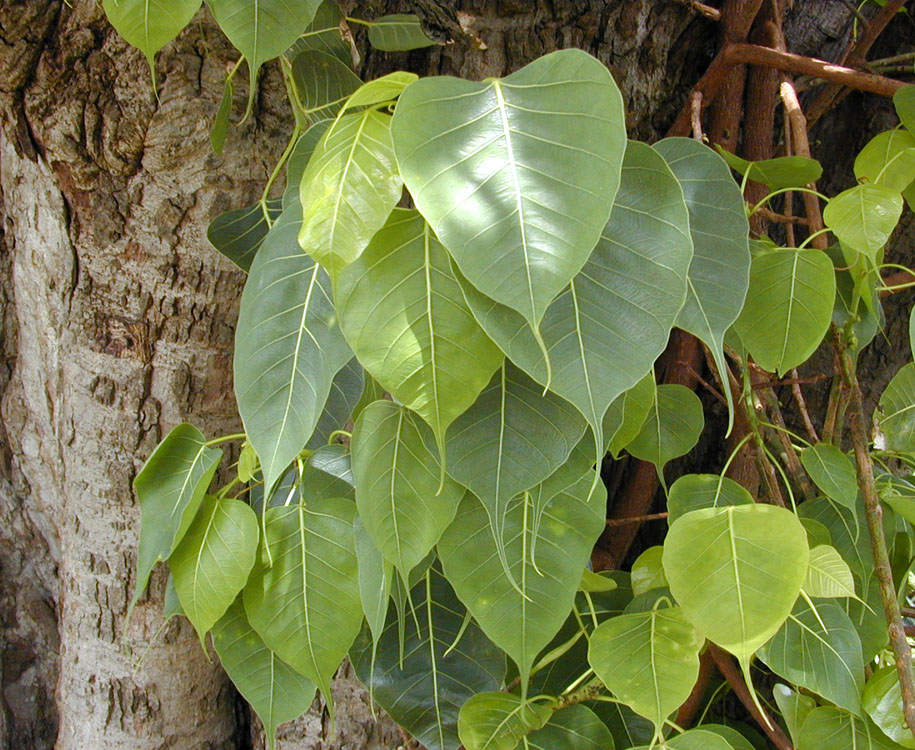
The Sacred Fig, also known as the Bodhi Tree, is native to the Indian subcontinent and is highly revered in Buddhism and Hinduism. It is under a Bodhi Tree that Siddhartha Gautama, the Buddha, attained enlightenment. The tree is often planted near temples and monasteries, where it is worshipped as a symbol of enlightenment, peace, and knowledge.
One of the enchanting aspects of the Sacred Fig is its heart-shaped leaves, which rustle gently in the wind, creating a soothing sound. The tree can grow to be quite large, providing ample shade and creating a peaceful environment. Planting a Sacred Fig in your garden can create a spiritual retreat, offering a place for meditation and reflection. Its connection to enlightenment and its serene presence make it a cherished addition to any sacred space.
Sandalwood (Santalum album)
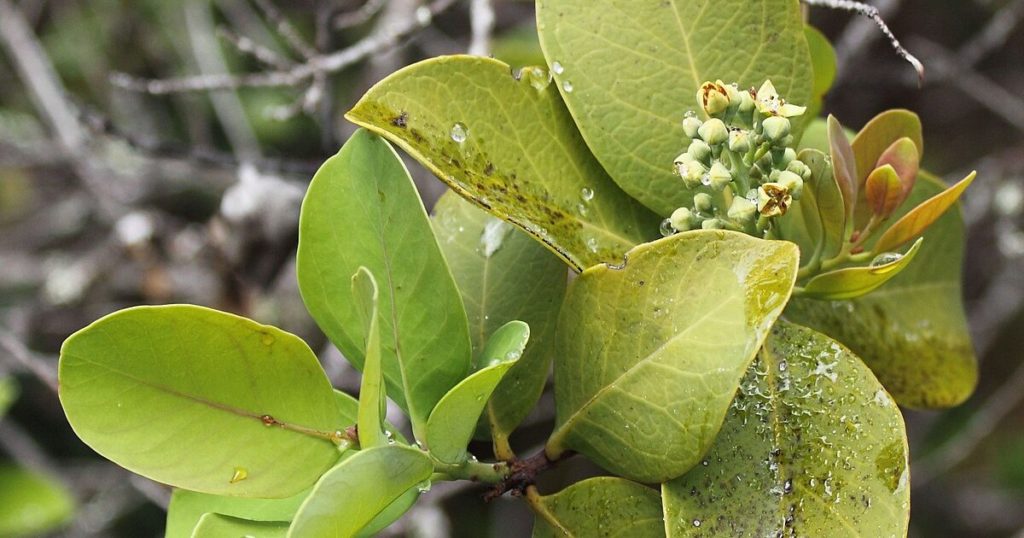
Sandalwood is native to South India and is renowned for its aromatic wood and oil. It holds a significant place in Hindu, Buddhist, and other Asian religious practices. Sandalwood paste is often used in religious rituals and ceremonies, symbolizing purity and sanctity. The wood is also carved into religious artifacts and burned as incense during meditation and prayer.
What I find particularly captivating about Sandalwood is its soothing fragrance, which can create a calming and spiritual atmosphere. Sandalwood oil is also used in aromatherapy for its relaxing properties. Although growing Sandalwood can be challenging due to its parasitic nature, its products are widely available. Incorporating Sandalwood into your spiritual practices can enhance your sense of tranquility and connection to the divine.
Cedar (Cedrus)

Cedar trees are native to the mountains of the Western Himalayas and the Mediterranean region. They hold significant spiritual and religious importance in various cultures. In ancient Egypt, cedarwood was used in mummification, symbolizing immortality. In Native American traditions, cedar is considered a sacred plant used in purification rituals and ceremonies.
One of the remarkable qualities of Cedar is its durability and aromatic wood, which is resistant to decay. The tree’s majestic presence and evergreen foliage make it a symbol of strength and endurance. Planting a cedar tree in your garden can create a sense of protection and stability. Its fragrant wood and historical significance add a rich layer of meaning to your sacred space.
Rosemary (Rosmarinus officinalis)
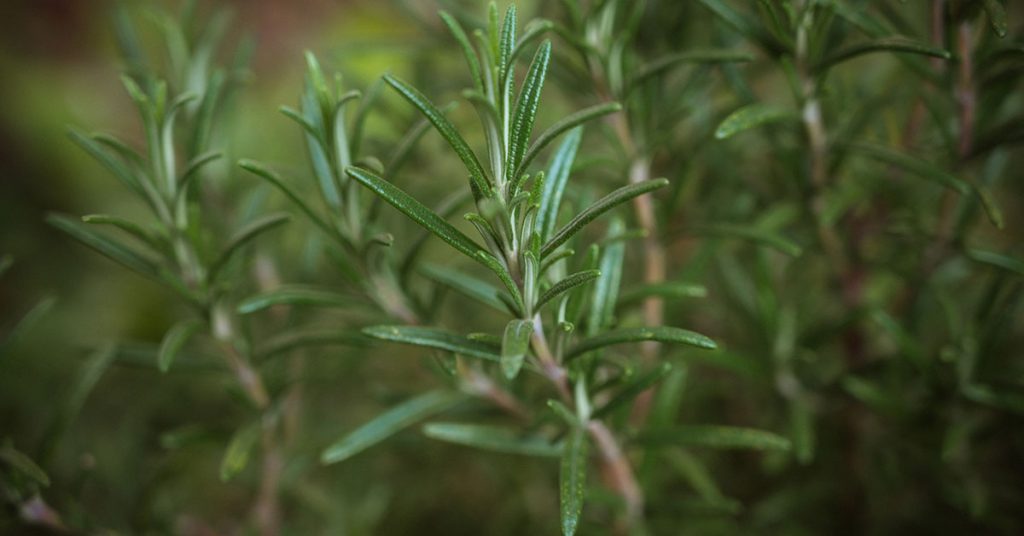
Rosemary, native to the Mediterranean region, is an herb that symbolizes remembrance and fidelity. It has been used in religious and spiritual practices for centuries. In ancient Greece, students wore rosemary garlands to enhance memory. In Christian traditions, rosemary is associated with the Virgin Mary and is used in various rituals and ceremonies.
One of the delightful aspects of Rosemary is its aromatic foliage, which can enhance the sensory experience of your garden. The herb is also used in cooking and traditional medicine, adding to its versatility. Planting rosemary in your garden not only provides a fragrant and useful herb but also connects you to ancient traditions of remembrance and spiritual significance.
Bamboo (Bambusoideae)
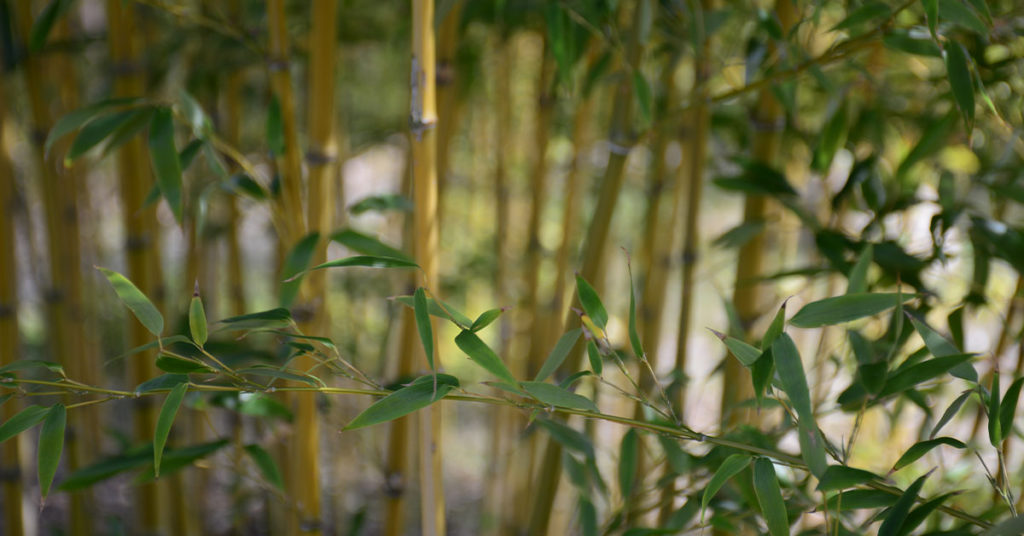
Bamboo, native to various regions around the world, including Asia, Africa, and the Americas, holds significant spiritual and cultural importance. In Chinese culture, bamboo symbolizes strength, flexibility, and resilience. It is often associated with Confucian virtues and is used in various ceremonies and rituals. In Buddhism, bamboo represents humility and simplicity.
One of the fascinating qualities of Bamboo is its rapid growth and versatility. It can be used for construction, crafting, and even as a food source. Bamboo’s tall, swaying stalks create a serene and meditative atmosphere, making it an excellent addition to a garden designed for spiritual practice. Planting bamboo can provide a sense of tranquility and connection to nature’s enduring strength and resilience.
Mistletoe (Viscum album)

Mistletoe is a parasitic plant native to Europe, North America, and Asia. It holds significant spiritual and religious symbolism, particularly in Druid and Norse traditions. In ancient Celtic culture, mistletoe was considered a sacred plant that symbolized life and fertility. It was used in rituals to bring good fortune and protection. In Norse mythology, mistletoe was associated with the god Balder and symbolized peace and love.
One of the intriguing aspects of Mistletoe is its unique growth habit, as it attaches to host trees and shrubs. During the winter season, its evergreen leaves and white berries stand out, making it a symbol of life during the cold months. Hanging mistletoe during the holiday season is a tradition that continues today, representing love and goodwill. Its ancient significance and unique characteristics make Mistletoe a fascinating plant with rich spiritual meaning.
Sage (Salvia officinalis)
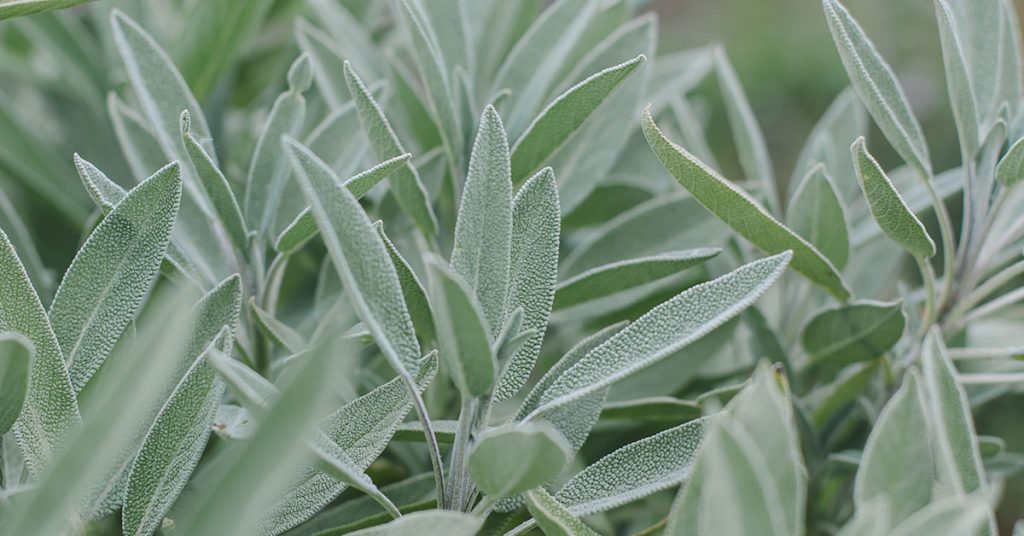
Sage, native to the Mediterranean region, is an herb often used for its culinary and medicinal properties. It also holds significant spiritual and religious importance, particularly in Native American traditions. Sage is commonly used in smudging rituals to cleanse a space of negative energy and promote healing and protection. The act of burning sage is believed to purify the environment and the spirit.
One of the practical benefits of Sage is its versatility in the kitchen, where its aromatic leaves enhance the flavor of many dishes. Sage is also known for its antimicrobial properties, which can benefit both culinary and medicinal uses. Growing sage in your garden not only adds a delightful scent but also provides a powerful tool for spiritual cleansing and protection. Its rich history and multifaceted uses make Sage a valuable addition to any sacred space.
Ashoka Tree (Saraca asoca)

The Ashoka Tree, native to the Indian subcontinent, holds significant religious and spiritual importance in Hinduism and Buddhism. In Hindu mythology, the tree is associated with the goddess Shakti and is believed to bring love and fertility. In Buddhism, the Ashoka tree is revered as the tree under which Queen Maya gave birth to Siddhartha Gautama, who later became the Buddha.
One of the enchanting features of the Ashoka Tree is its beautiful, fragrant flowers that bloom in clusters, creating a vibrant display. The tree’s lush foliage and graceful branches make it a symbol of love and prosperity. Planting an Ashoka tree in your garden can create a serene and sacred space, connecting you to its rich cultural and spiritual heritage. Its striking beauty and profound symbolism make it a cherished plant in many traditions.
Neem (Azadirachta indica)
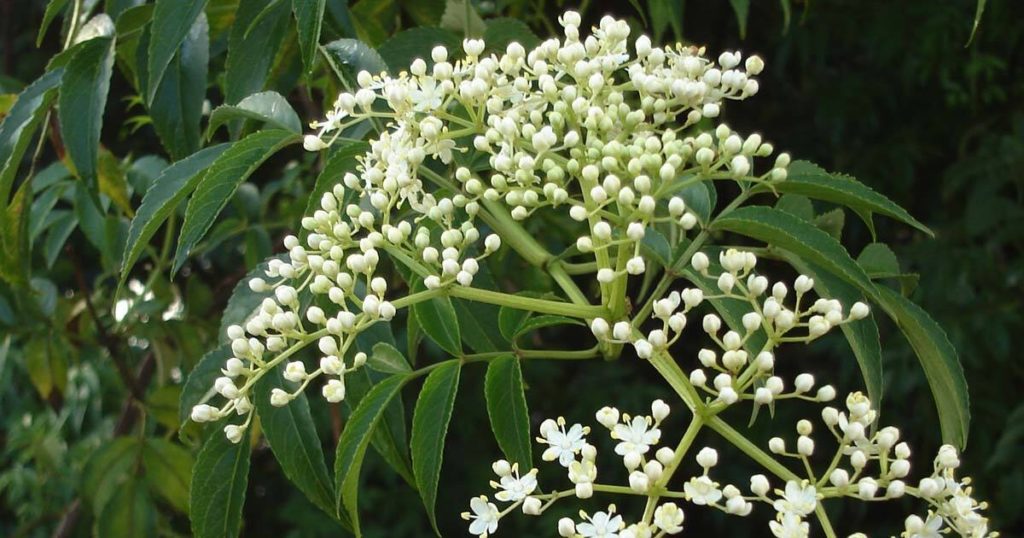
Neem, native to the Indian subcontinent, is a tree highly valued for its medicinal and spiritual properties. In Hinduism, Neem is considered a sacred tree and is associated with the goddess Durga. It is believed to purify the air and bring protection and healing. The tree’s leaves, bark, and oil are used in various traditional remedies for their antifungal, antibacterial, and antiviral properties.
One of the remarkable qualities of Neem is its ability to thrive in harsh conditions, symbolizing resilience and strength. Neem is often planted around homes and temples to ward off evil spirits and promote good health. Its multifaceted uses and spiritual significance make Neem a valuable addition to any garden. Growing a Neem tree not only provides natural remedies but also connects you to its rich spiritual traditions.
Fig Tree (Ficus carica)
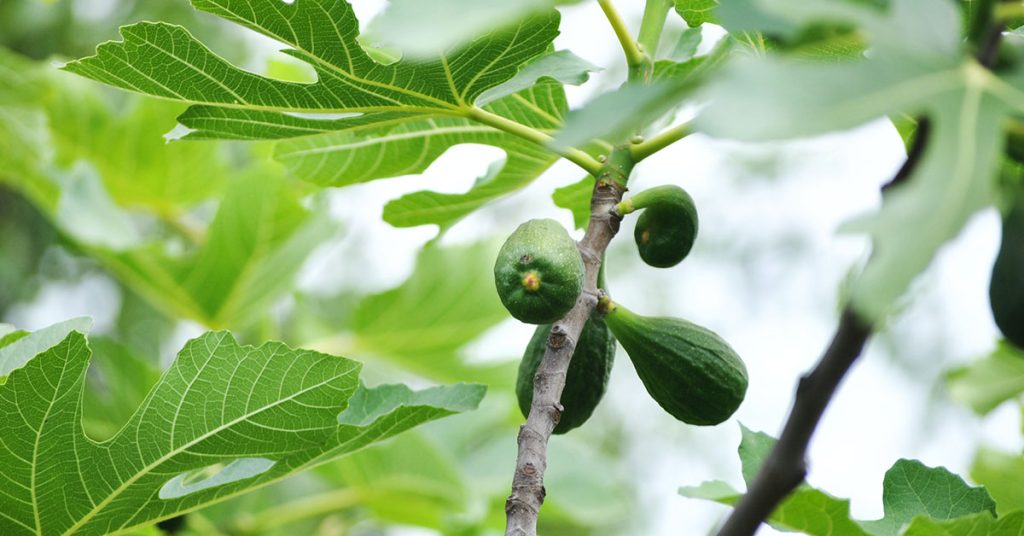
The Fig Tree, native to the Middle East and western Asia, holds significant religious and spiritual importance in various traditions. In the Bible, the fig tree is mentioned multiple times, symbolizing prosperity and peace. In Islam, the fig is considered a sacred fruit, and the tree is mentioned in the Quran. The Buddha is also said to have attained enlightenment under a fig tree, adding to its spiritual significance.
One of the fascinating aspects of the Fig Tree is its ability to produce fruit multiple times a year, symbolizing abundance and fertility. The tree’s large, lobed leaves and sweet, edible fruit make it a valuable addition to any garden. Planting a fig tree can create a sense of abundance and connection to ancient spiritual traditions. Its historical significance and fruitful nature make the Fig Tree a cherished plant.
Marigold (Tagetes)

Marigolds, native to Mexico and Central America, hold significant religious and spiritual importance in various cultures. In Hinduism, marigolds are used in religious ceremonies and decorations, symbolizing purity and the presence of the divine. In Mexican culture, marigolds are used during Dia de los Muertos (Day of the Dead) to honor deceased loved ones, believed to guide the spirits back to the living world.
One of the delightful aspects of Marigolds is their vibrant, cheerful flowers that can brighten any garden. They are also known for their pest-repelling properties, making them valuable companion plants. Planting marigolds in your garden not only adds a splash of color but also connects you to their rich cultural and spiritual heritage. Their versatility and symbolic meanings make Marigolds a cherished addition to sacred spaces.
Baobab (Adansonia)

The Baobab Tree, native to Africa, holds significant spiritual and cultural importance in various African traditions. Often referred to as the “Tree of Life,” the Baobab is revered for its longevity and ability to provide food, water, and shelter. In many African cultures, the Baobab is considered a sacred tree that connects the living with their ancestors and the spiritual world.
One of the remarkable qualities of the Baobab Tree is its unique, swollen trunk, which can store large amounts of water. The tree’s fruit, leaves, and bark are used for medicinal and nutritional purposes. Planting a Baobab tree, where possible, can create a connection to African traditions and the natural world. Its majestic presence and multifaceted uses make the Baobab a symbol of life and resilience.
Yew (Taxus baccata)
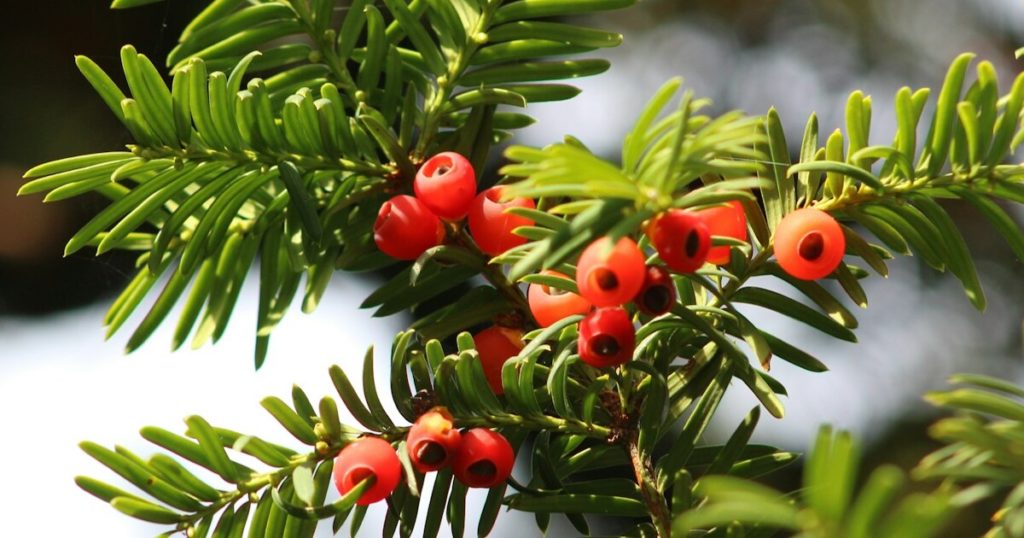
The Yew Tree, native to Europe, North Africa, and western Asia, holds significant spiritual and religious importance in various cultures. In ancient Celtic traditions, the Yew is considered a symbol of immortality and regeneration, often planted in churchyards and sacred sites. In Christianity, the Yew is associated with eternal life and resurrection, commonly found in old churchyards across Europe.
One of the remarkable qualities of the Yew Tree is its longevity, with some trees living for thousands of years. The tree’s dark green foliage and red berries create a striking contrast, adding to its mystical appearance. Planting a Yew Tree in your garden can create a sense of continuity and connection to ancient traditions. Its historical significance and enduring presence make the Yew a symbol of immortality and spiritual strength.
Pine (Pinus)

Pine Trees, native to the Northern Hemisphere, hold significant spiritual and religious importance in various cultures. In ancient Roman and Greek traditions, pine trees were associated with fertility and rebirth. In Taoism, the pine tree symbolizes longevity and resilience. Pine needles and cones are often used in rituals and as offerings.
One of the captivating aspects of Pine Trees is their evergreen nature, symbolizing eternal life and endurance. The scent of pine needles can create a refreshing and calming atmosphere, enhancing the sensory experience of your garden. Planting pine trees can provide shade, beauty, and a connection to their rich cultural and spiritual heritage. Their majestic presence and symbolic meanings make Pine Trees a cherished addition to sacred spaces.
Hibiscus (Hibiscus rosa-sinensis)

Hibiscus, native to tropical regions around the world, holds significant spiritual and religious importance in various cultures. In Hinduism, hibiscus flowers are offered to the goddess Kali and Lord Ganesha, symbolizing divine energy and purity. In Hawaiian culture, hibiscus represents delicate beauty and is often used in leis and traditional ceremonies.
One of the delightful aspects of Hibiscus is its vibrant, showy flowers that can add a tropical touch to any garden. The flowers come in a range of colors, each with its unique symbolic meaning. Planting hibiscus in your garden not only enhances its beauty but also connects you to its rich cultural and spiritual heritage. Their stunning blooms and versatile uses make Hibiscus a cherished plant in many traditions.
Banyan Tree (Ficus benghalensis)

The Banyan Tree, native to the Indian subcontinent, holds profound spiritual significance in Hinduism and Buddhism. In Hindu mythology, the Banyan tree is associated with the god Vishnu and symbolizes immortality and knowledge. In Buddhism, the tree is revered for its expansive canopy and aerial roots, symbolizing enlightenment and shelter.
One of the fascinating qualities of the Banyan Tree is its unique growth habit, with aerial roots that grow downwards to form new trunks. This creates a sprawling, interconnected structure that provides ample shade and a sense of grandeur. Planting a Banyan tree in your garden can create a sacred and meditative space, connecting you to its rich religious and cultural heritage. Its majestic presence and profound symbolism make the Banyan Tree a cherished plant in sacred traditions.
Holy Thorn (Crataegus monogyna)
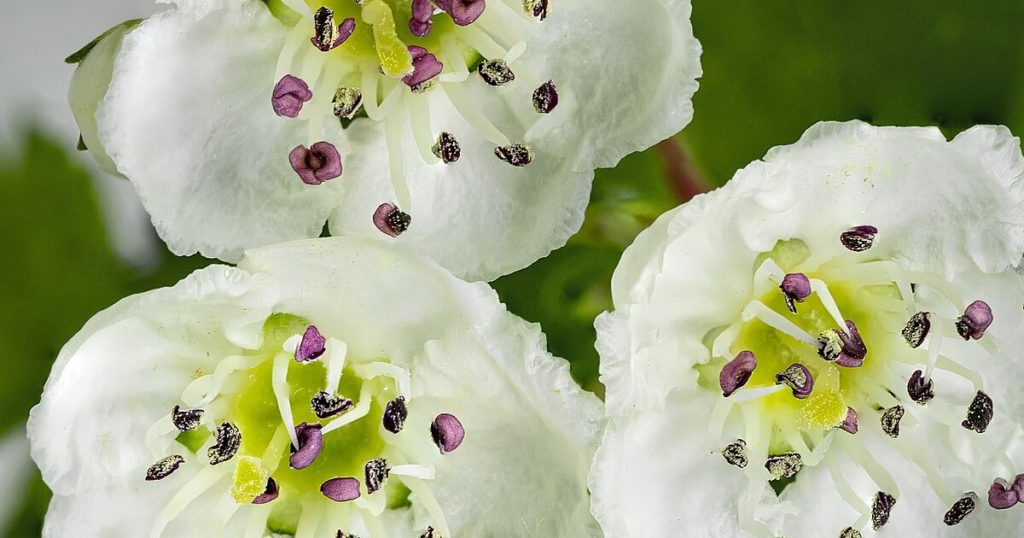
The Holy Thorn, a variety of hawthorn native to Europe, holds significant spiritual and religious importance in Christianity. According to legend, the Holy Thorn of Glastonbury in England grew from the staff of Joseph of Arimathea, who is said to have visited the area after the crucifixion of Jesus. The tree is considered a symbol of divine intervention and is venerated by pilgrims.
One of the enchanting aspects of the Holy Thorn is its beautiful white flowers that bloom in spring, followed by red berries in the fall. The tree’s thorny branches and historical significance add a mystical quality to any garden. Planting a Holy Thorn in your garden can create a connection to Christian legends and traditions. Its unique appearance and sacred history make the Holy Thorn a cherished plant.
Rue (Ruta graveolens)
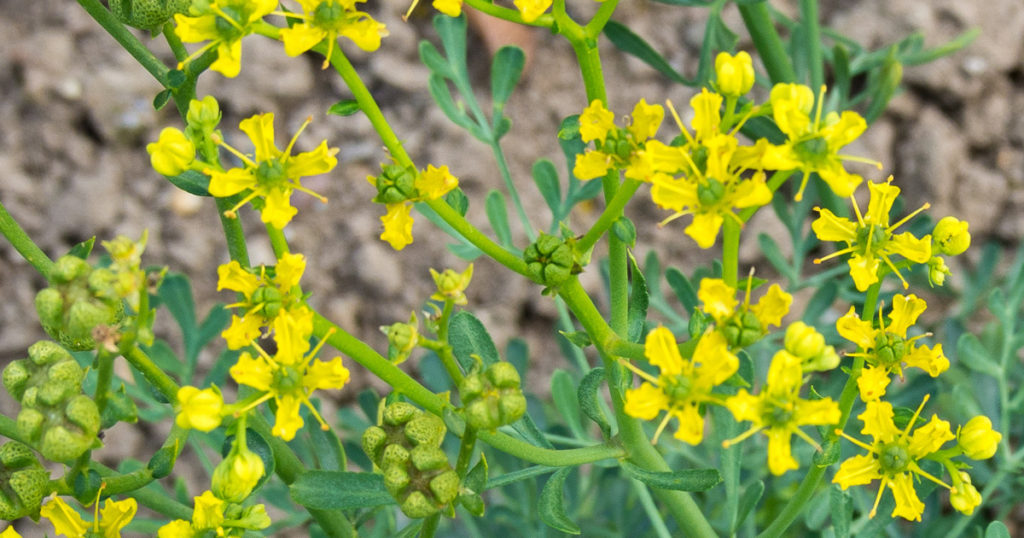
Rue, native to the Mediterranean region, holds significant spiritual and religious importance in various cultures. In ancient Roman and Greek traditions, rue was considered a protective herb used to ward off evil spirits and disease. In Christian symbolism, rue represents repentance and grace, often referred to as the “herb of grace.”
One of the practical benefits of Rue is its aromatic leaves, which can be used in culinary and medicinal applications. The plant’s blue-green foliage and yellow flowers add a unique touch to any garden. Planting rue not only provides a versatile herb but also connects you to its rich spiritual and cultural heritage. Its protective qualities and historical significance make Rue a valuable addition to sacred spaces.
Bay Laurel (Laurus nobilis)
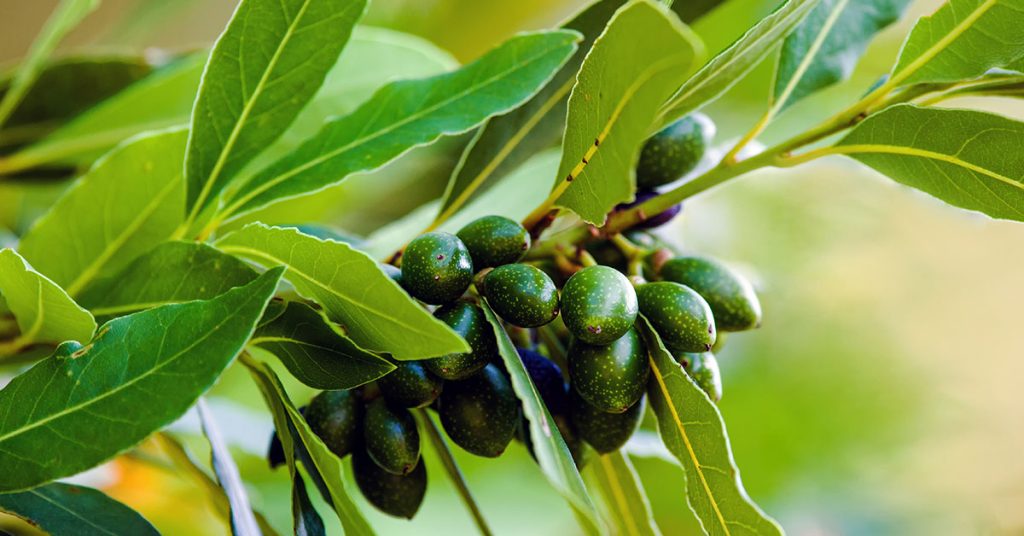
Bay Laurel, native to the Mediterranean region, holds significant spiritual and cultural importance. In ancient Greek and Roman traditions, bay laurel was associated with the god Apollo and symbolized victory and wisdom. Laurel wreaths were used to crown victors and scholars, symbolizing honor and achievement.
One of the delightful aspects of Bay Laurel is its aromatic leaves, which are commonly used in cooking to add flavor to various dishes. The plant’s glossy green foliage and historical significance add a touch of elegance and meaning to any garden. Planting bay laurel not only provides a useful herb but also connects you to its rich cultural and spiritual heritage. Its symbolic meanings and versatile uses make Bay Laurel a cherished plant.
Lemon Balm (Melissa officinalis)
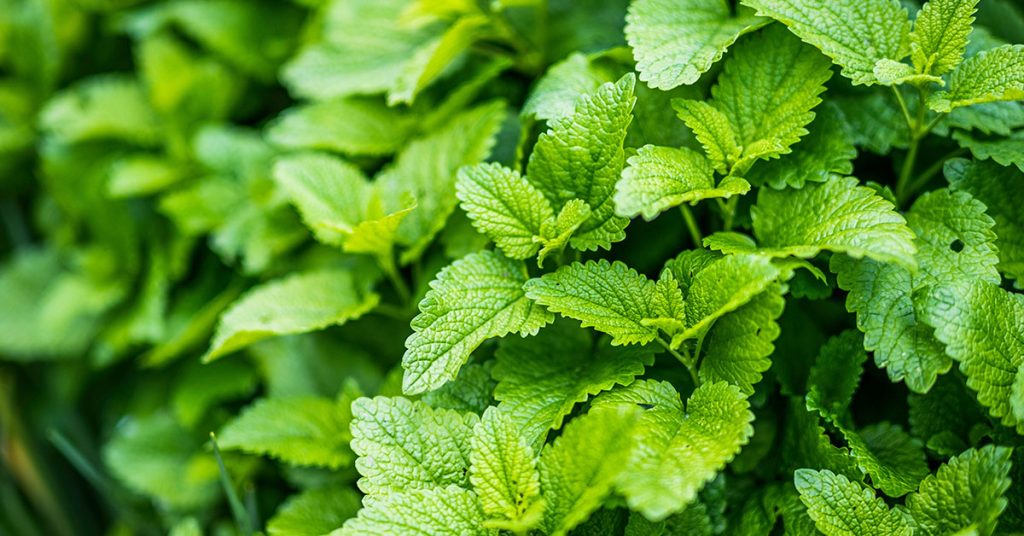
Lemon Balm, native to Southern Europe and the Mediterranean region, is a fragrant herb that symbolizes happiness and prosperity. This plant thrives in full sun to partial shade and prefers well-drained soil. Lemon Balm is easy to grow and can be a delightful addition to herb gardens, containers, or as a ground cover.
One of the great benefits of Lemon Balm is its calming and uplifting properties. Its lemon-scented leaves can be used in teas, salads, and potpourris to promote relaxation and joy. Lemon Balm is also believed to attract good fortune and improve mood, making it a wonderful plant to have around. By incorporating Lemon Balm into your garden, you can enjoy its refreshing fragrance and positive energy.
Marjoram (Origanum majorana)
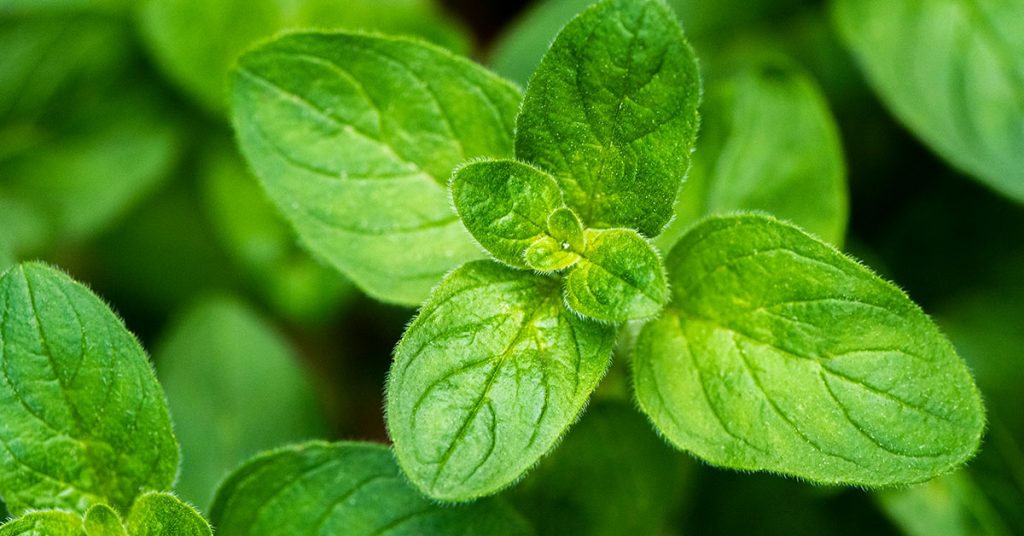
Marjoram, native to the Mediterranean region, holds significant spiritual and religious importance in various cultures. In ancient Greek and Roman traditions, marjoram was associated with love and happiness. It was believed to be a gift from the goddess Aphrodite and was used in wedding ceremonies to bless the union.
One of the delightful aspects of Marjoram is its aromatic leaves, which can be used in cooking to add flavor to various dishes. The plant’s small, white or pink flowers and fragrant foliage make it a charming addition to any garden. Planting marjoram not only provides a versatile herb but also connects you to its rich cultural and spiritual heritage. Its symbolic meanings and culinary uses make Marjoram a cherished plant.
Henna (Lawsonia inermis)
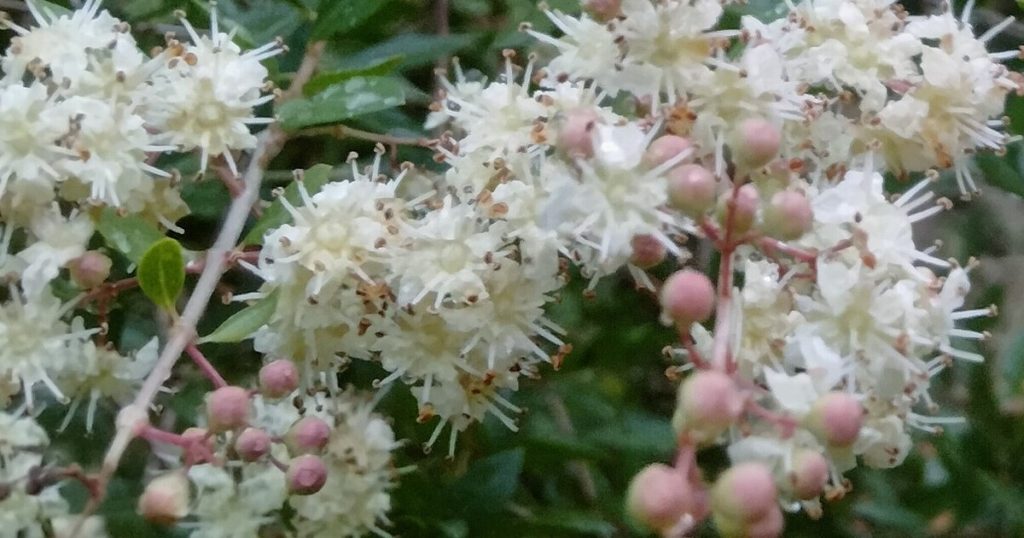
Henna, native to North Africa, the Middle East, and South Asia, holds significant spiritual and cultural importance. In many cultures, henna is used in religious ceremonies, weddings, and festivals to create intricate body art that symbolizes joy and blessings. In Hindu and Islamic traditions, henna is applied during significant life events to bring good fortune and protection.
One of the fascinating qualities of Henna is its ability to produce a natural dye from its leaves, which is used to create beautiful, temporary tattoos. The plant’s fragrant flowers and historical significance add a unique touch to any garden. Planting henna not only provides a source of natural dye but also connects you to its rich cultural and spiritual heritage. Its versatility and symbolic meanings make Henna a cherished plant in many traditions.
Parsley (Petroselinum crispum)
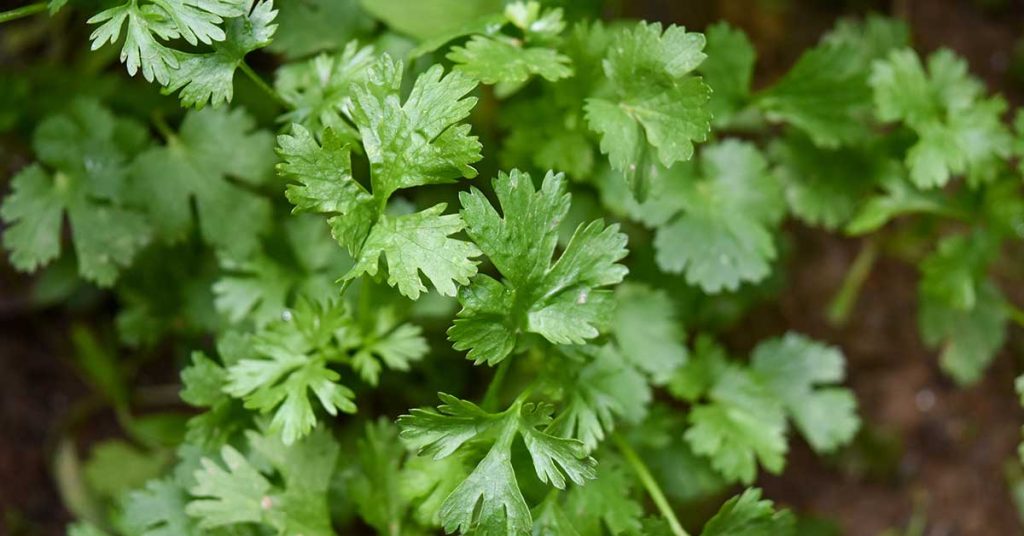
Parsley, native to the central Mediterranean region, holds significant spiritual and cultural importance. In ancient Greek and Roman traditions, parsley was associated with death and rebirth. It was used in funeral rites and placed on graves to honor the deceased and symbolize eternal life. In Christianity, parsley is used during Passover to represent spring and renewal.
One of the practical benefits of Parsley is its versatility in the kitchen, where its aromatic leaves enhance the flavor of many dishes. The plant’s bright green foliage and historical significance add a touch of freshness and meaning to any garden. Planting parsley not only provides a useful herb but also connects you to its rich cultural and spiritual heritage. Its symbolic meanings and culinary uses make Parsley a cherished plant.
Aloe Vera (Aloe barbadensis miller)
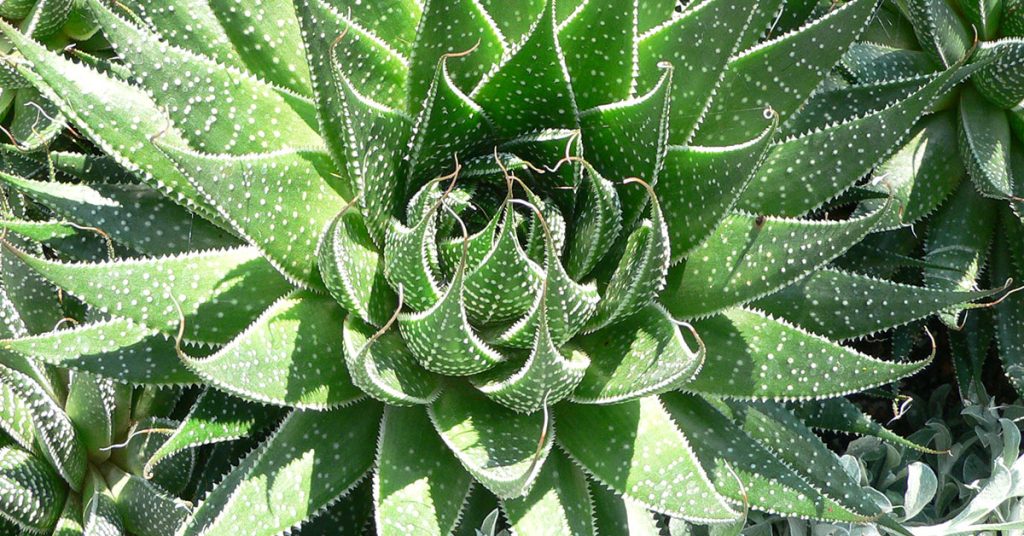
Aloe Vera, native to the Arabian Peninsula, is a succulent plant renowned for its healing properties. It’s often associated with good luck and protection due to its ability to purify the air and provide natural remedies for skin ailments. Aloe Vera thrives in bright, indirect light and requires minimal watering, making it an easy-care plant for any home.
One of the practical benefits of growing Aloe Vera is its use in natural skincare. The gel inside the leaves can be applied to burns, cuts, and dry skin, offering a soothing and healing effect. Additionally, Aloe Vera plants are believed to bring positive energy and good fortune to the home. By keeping an Aloe Vera plant, you not only have a natural first aid kit but also a symbol of health and prosperity.
Lotus (Nelumbo nucifera)
The Lotus is native to Asia and holds profound spiritual significance in Hinduism, Buddhism, and other Eastern religions. In Hinduism, the lotus is associated with several deities, including Vishnu and Lakshmi, symbolizing purity, beauty, and divine creation. In Buddhism, the lotus represents enlightenment, as it rises from the muddy waters to bloom in immaculate beauty.
What fascinates me about the Lotus is its symbolic journey from darkness to light. This journey mirrors the spiritual path of rising above worldly struggles to attain spiritual enlightenment. The lotus flowers, with their delicate petals and serene presence, make a stunning addition to water gardens. Growing lotus plants not only enhances the visual appeal of your garden but also infuses it with a sense of tranquility and spiritual depth.
Holy Basil (Ocimum sanctum)
Holy Basil, also known as Tulsi, is native to India and holds a special place in Hinduism. It is considered an earthly manifestation of the goddess Tulsi and is worshipped for its spiritual and medicinal properties. Tulsi is often planted around Hindu temples and homes, where it is believed to purify the surroundings and bring good fortune. The plant is also used in various religious rituals and is an essential part of daily prayers.
One of my favorite aspects of Holy Basil is its versatile use in Ayurveda, where it is revered for its healing properties. The leaves are used to make herbal teas, which are believed to boost immunity and promote overall well-being. Growing Holy Basil in your garden not only enhances its spiritual ambiance but also provides you with a valuable herb for holistic health. Its aromatic leaves and small purple flowers add a touch of beauty and sacredness to any garden.
These plants with spiritual and religious significance not only enhance the beauty of your garden but also connect you to ancient traditions and beliefs. By incorporating these plants into your living space, you can create a sacred and meaningful environment that promotes peace, well-being, and a deeper connection to the divine.