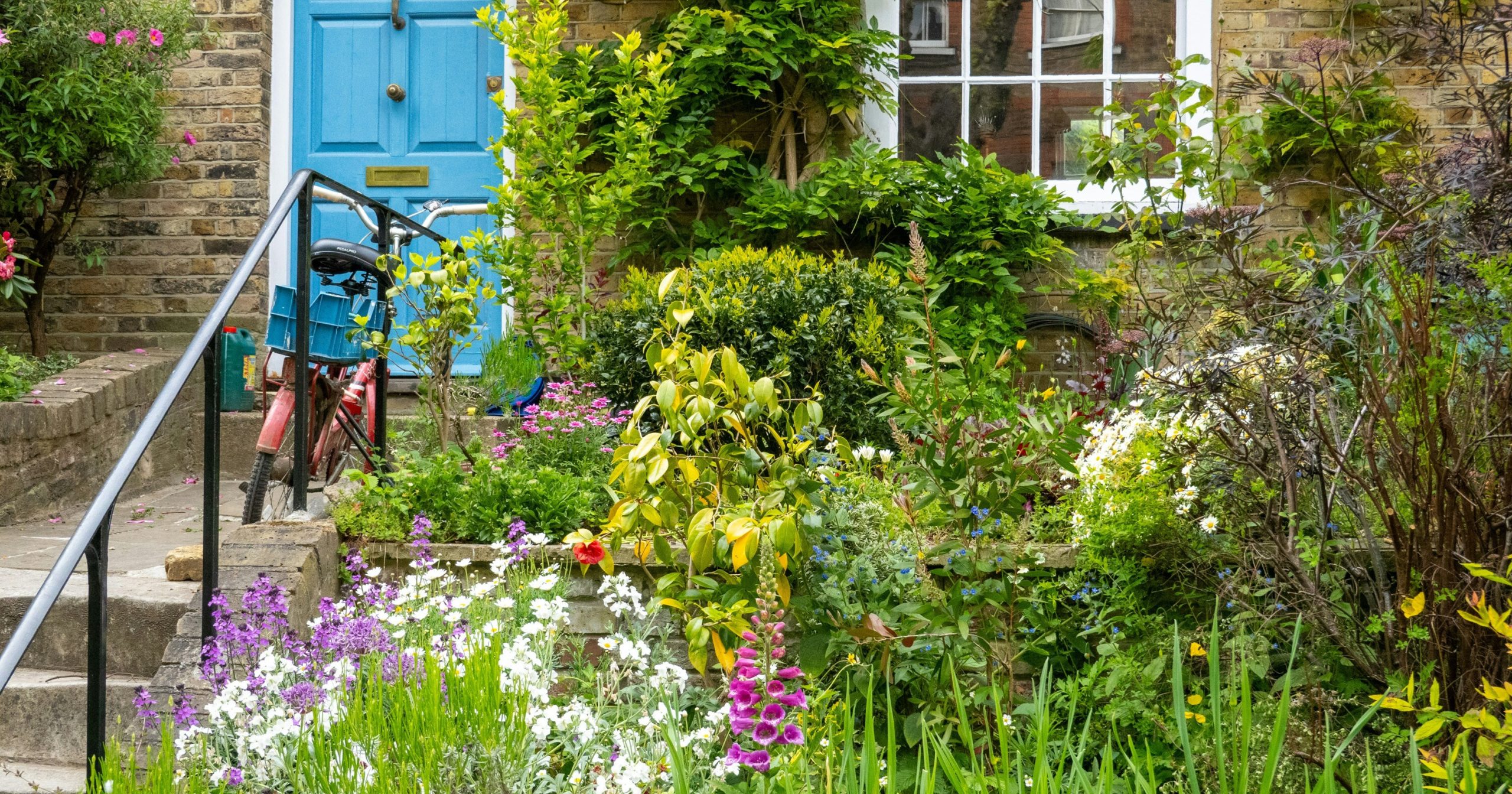

Late summer is a crucial time for gardeners to ensure their plants remain healthy and productive as they transition into the cooler months. Proper fertilization during this period can significantly impact your garden’s performance, enhancing both growth and yield. As a passionate gardener, I’ve found that understanding the specific needs of your plants and the best practices for fertilization can make all the difference.
In this article, we’ll explore effective strategies for fertilizing your garden in late summer. These tips will help you provide the necessary nutrients to keep your plants thriving. Let’s dive into these best practices to maximize the beauty and productivity of your garden!
Understanding Plant Needs

Different plants have varying nutrient requirements, so it’s essential to understand what each type of plant in your garden needs. For example, flowering plants may require a fertilizer with a higher phosphorus content to promote blooms, while leafy greens benefit more from nitrogen-rich fertilizers. Knowing these specific needs allows you to choose the right fertilizer for each plant.
In late summer, many plants begin to shift their focus from growth to preparing for the cooler months ahead. This transition period means they might need a different balance of nutrients than they did in the spring or early summer. Paying attention to these changing needs ensures your plants get the support they need to stay healthy and productive.
Using Organic Fertilizers
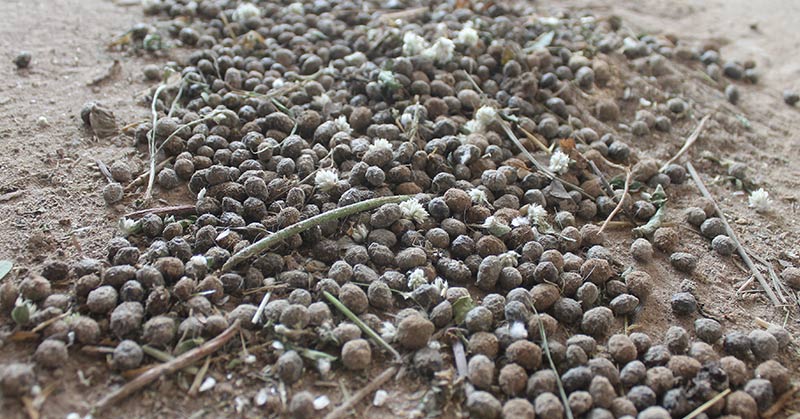
Organic fertilizers are an excellent choice for late summer fertilization. They release nutrients slowly, providing a steady supply over time, which is perfect for supporting your plants as they prepare for fall. Compost, well-rotted manure, and bone meal are great options for enriching your soil naturally.
Using organic fertilizers also benefits the overall health of your garden ecosystem. They improve soil structure, promote microbial activity, and reduce the risk of nutrient runoff, which can harm local waterways. By opting for organic options, you’re not only feeding your plants but also enhancing the long-term fertility and sustainability of your garden soil.
Applying Slow-Release Fertilizers

Slow-release fertilizers are particularly beneficial in late summer. These fertilizers gradually release nutrients over several weeks or months, ensuring that your plants receive a consistent supply without the risk of over-fertilization. This steady nutrient release is crucial for maintaining plant health during the transitional period into fall.
When using slow-release fertilizers, it’s essential to follow the manufacturer’s instructions regarding application rates and methods. Over-application can still lead to nutrient imbalances and potential harm to your plants. Properly applied slow-release fertilizers provide a balanced, long-term feeding solution that supports sustained growth and resilience.
Timing Your Fertilization

Timing is critical when fertilizing in late summer. It’s best to apply fertilizers early in the morning or late in the afternoon when temperatures are cooler. This timing helps prevent fertilizer burn, which can occur when the sun is too intense. It also allows plants to absorb nutrients more efficiently.
Additionally, watering your garden before and after applying fertilizer ensures that nutrients are distributed evenly and reach the plant roots effectively. Moist soil helps fertilizers dissolve and integrate into the soil more readily, providing immediate benefits to your plants. Proper timing and watering practices are key to successful late summer fertilization.
Balancing Nutrients
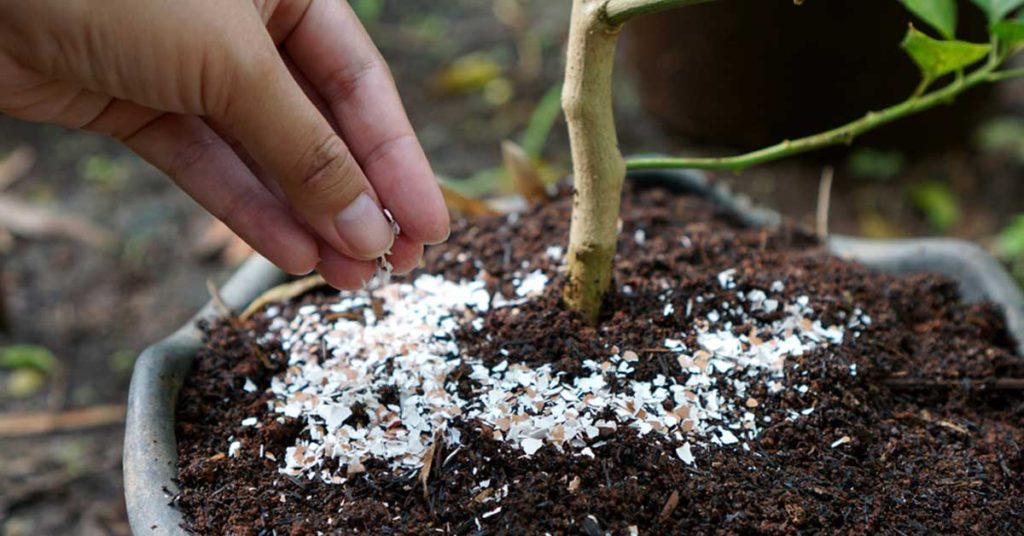
Balancing the nutrients in your soil is essential for maintaining plant health. A soil test can provide valuable insights into which nutrients are deficient or in excess. Based on the test results, you can choose a fertilizer with the appropriate nutrient balance to address any deficiencies and promote overall garden health.
In late summer, focusing on balanced fertilization helps plants build up reserves for the winter. Nitrogen supports foliage growth, phosphorus promotes root development and flowering, and potassium enhances overall plant vigor and resistance to stress. Ensuring a balanced supply of these nutrients prepares your garden for a successful transition into fall.
Avoiding Over-Fertilization
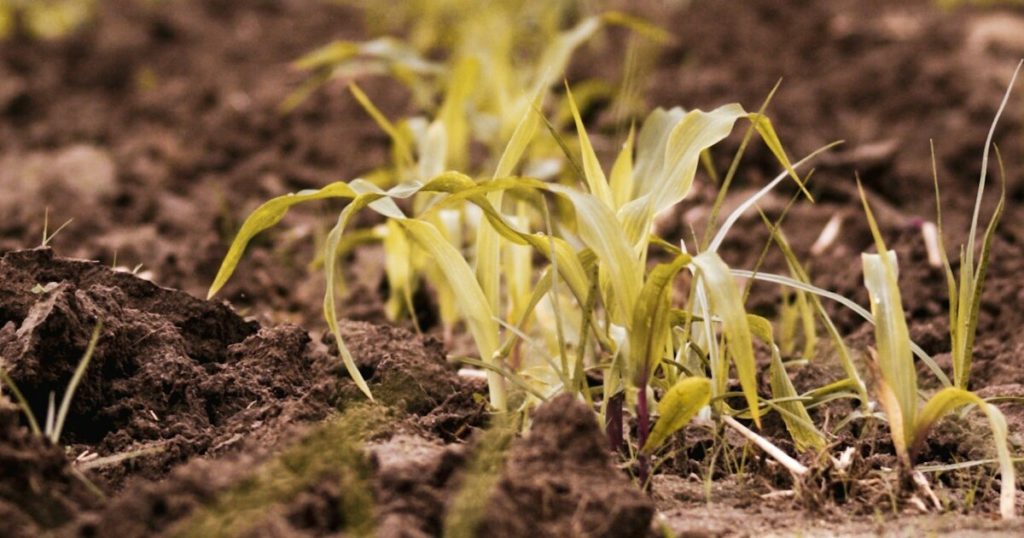
Over-fertilization is a common mistake that can harm your plants and the environment. Excess nutrients can lead to nutrient burn, where plants show scorched leaves and stunted growth. It can also result in nutrient runoff, contaminating local water sources and harming aquatic ecosystems.
To avoid over-fertilization, always follow recommended application rates and avoid applying fertilizers more frequently than necessary. Using slow-release or organic fertilizers can also reduce the risk of over-fertilization. Monitoring your plants for signs of nutrient excess, such as yellowing leaves or poor growth, helps you adjust your fertilization practices as needed.
Mulching for Nutrient Retention
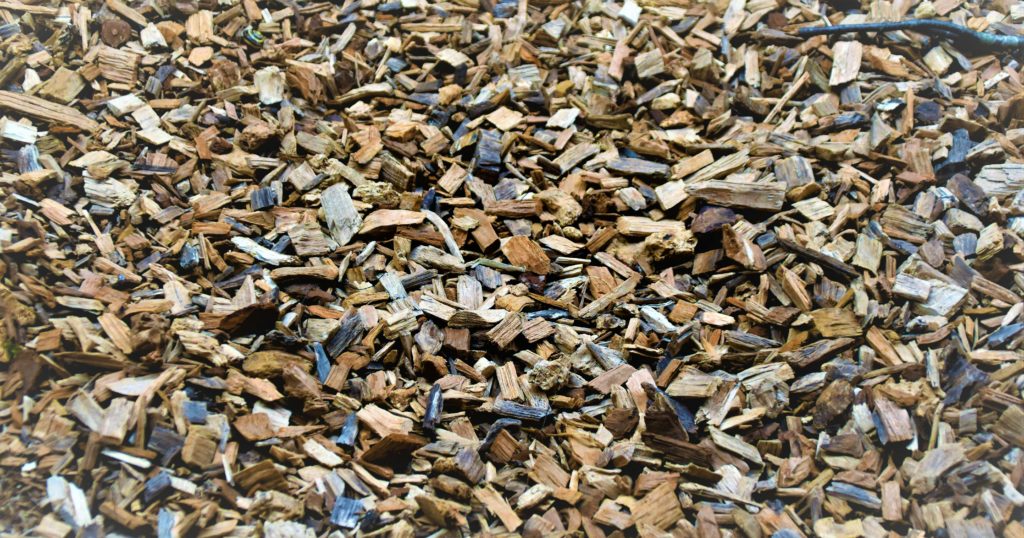
Mulching is an excellent practice for retaining soil moisture and regulating temperature, but it also plays a vital role in nutrient retention. Organic mulches, such as straw, wood chips, or grass clippings, decompose over time, adding valuable nutrients to the soil. This slow release of nutrients supports plant health and reduces the need for additional fertilization.
Applying a layer of mulch around your plants in late summer helps protect the soil from temperature fluctuations and retains moisture, ensuring that your plants remain hydrated and healthy. Mulch also suppresses weeds, which compete with your plants for nutrients and water. Overall, mulching is a simple yet effective way to enhance your garden’s nutrient profile.
Using Liquid Fertilizers

Liquid fertilizers are another option for late summer fertilization, offering the advantage of quick nutrient absorption. These fertilizers can be applied directly to the soil or as a foliar spray, providing an immediate nutrient boost to your plants. Liquid fertilizers are particularly useful for addressing specific nutrient deficiencies identified through soil testing.
When using liquid fertilizers, it’s essential to dilute them according to the manufacturer’s instructions to prevent nutrient burn. Applying them in the early morning or late afternoon, when temperatures are cooler, ensures that plants can absorb the nutrients efficiently. Liquid fertilizers can complement slow-release or organic fertilizers, providing a balanced approach to late summer feeding.
Fertilizing Container Plants
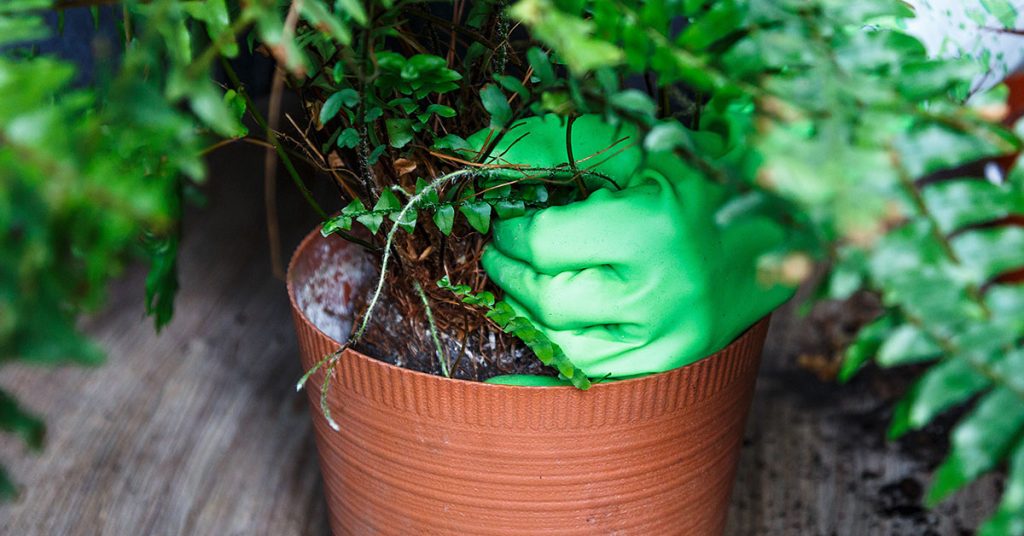
Container plants have different nutrient needs compared to those grown in the ground. The limited soil volume in containers means nutrients can be depleted more quickly, requiring more frequent fertilization. Using a balanced, water-soluble fertilizer every two to four weeks in late summer ensures that container plants receive the nutrients they need to thrive.
It’s important to monitor container plants for signs of nutrient deficiency, such as yellowing leaves or poor growth. Adjusting your fertilization schedule and using a mix of slow-release and liquid fertilizers can help maintain healthy, vibrant container plants. Ensuring proper drainage and avoiding over-watering also contribute to successful container gardening.
Preparing for Fall
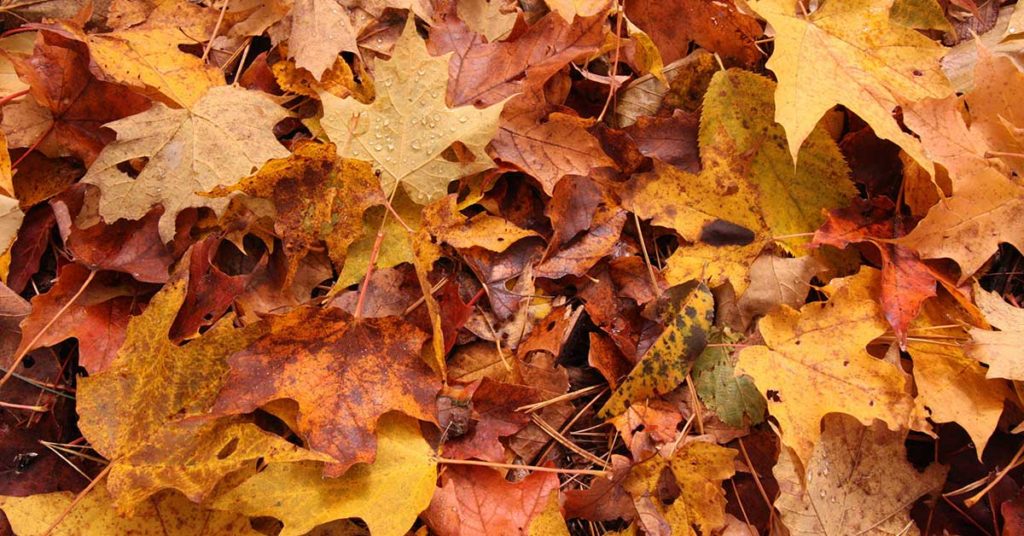
Late summer fertilization sets the stage for a healthy transition into fall and winter. Providing the right nutrients during this time helps plants build up reserves that support root growth and overall resilience. Focusing on balanced fertilization, proper timing, and appropriate application methods ensures that your garden remains vibrant and productive.
Incorporating organic matter, such as compost or well-rotted manure, into your soil improves its structure and nutrient-holding capacity. This preparation not only benefits your plants now but also enhances soil fertility for future growing seasons. By following these best practices, you can enjoy a thriving garden well into the cooler months and beyond.