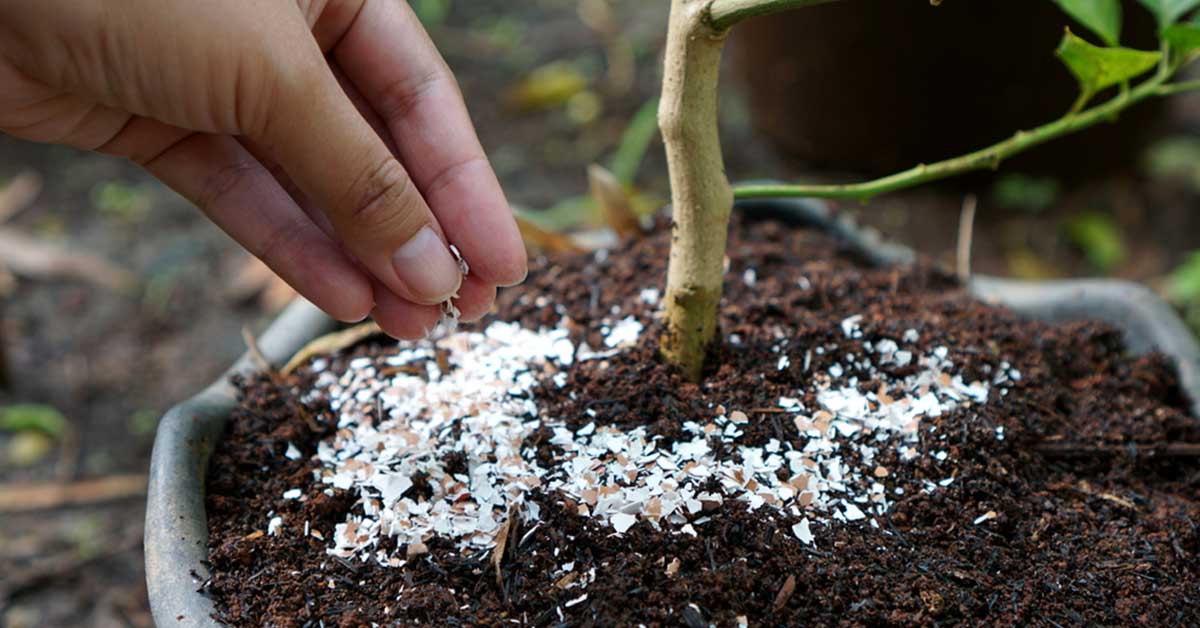

Epsom salts, also known as magnesium sulfate, are a versatile and beneficial tool for gardeners. This natural mineral compound has been used for centuries to enhance plant growth and improve garden health. As a passionate gardener, I find that keeping Epsom salts handy is a game-changer for various gardening tasks.
In this article, we’ll explore ten compelling reasons why every gardener should have Epsom salts on hand. From boosting plant health to repelling pests, these tips will help you make the most of this natural resource. Let’s dive into the numerous benefits of Epsom salts and discover how they can enhance your gardening experience!
Boosting Seed Germination
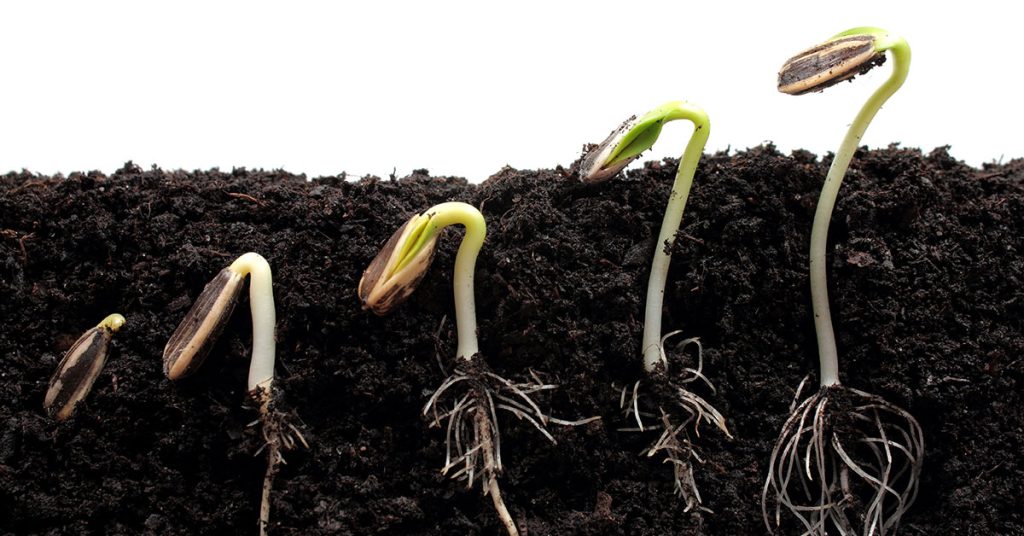
One of the primary benefits of Epsom salts is their ability to enhance seed germination. Magnesium, a key component of Epsom salts, plays a vital role in seed germination and the development of strong seedlings. By adding Epsom salts to your soil or soaking seeds in a solution before planting, you can improve the chances of successful germination.
To use Epsom salts for seed germination, dissolve a tablespoon of Epsom salts in a gallon of water and use this solution to water your seeds. The magnesium helps activate enzymes that are crucial for seed germination, ensuring that your plants get off to a strong start. This simple step can lead to healthier, more vigorous plants right from the beginning.
Enhancing Nutrient Absorption
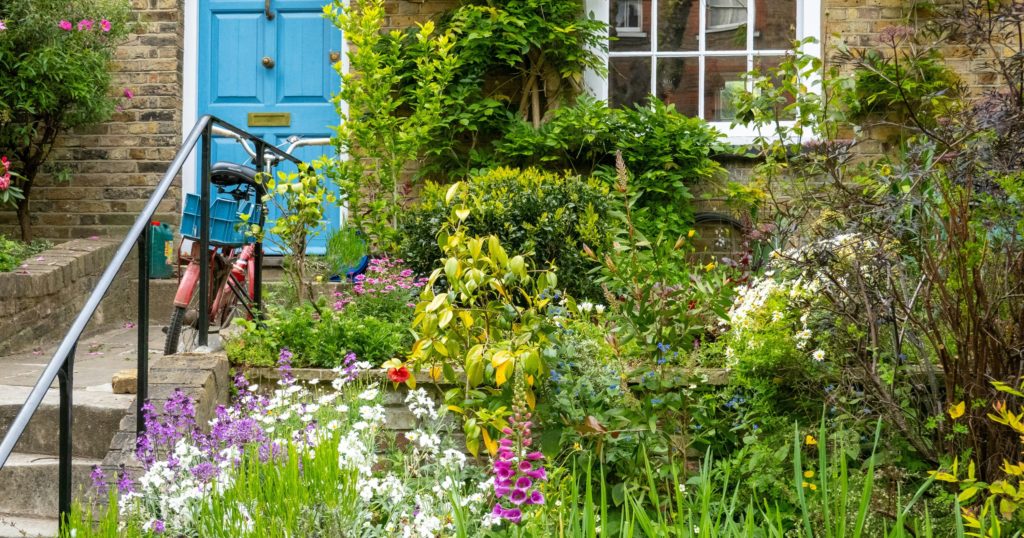
Epsom salts can significantly improve nutrient absorption in plants, particularly for essential nutrients like nitrogen and phosphorus. Magnesium acts as a carrier, helping plants absorb and utilize these nutrients more efficiently. This can lead to stronger, healthier plants with better growth and development.
To enhance nutrient absorption, you can apply Epsom salts directly to the soil or as a foliar spray. For soil application, mix a tablespoon of Epsom salts into the soil at the base of your plants. For a foliar spray, dissolve a tablespoon of Epsom salts in a gallon of water and spray the leaves. This method is especially beneficial for plants that show signs of nutrient deficiencies, such as yellowing leaves or stunted growth.
Improving Flower Bloom
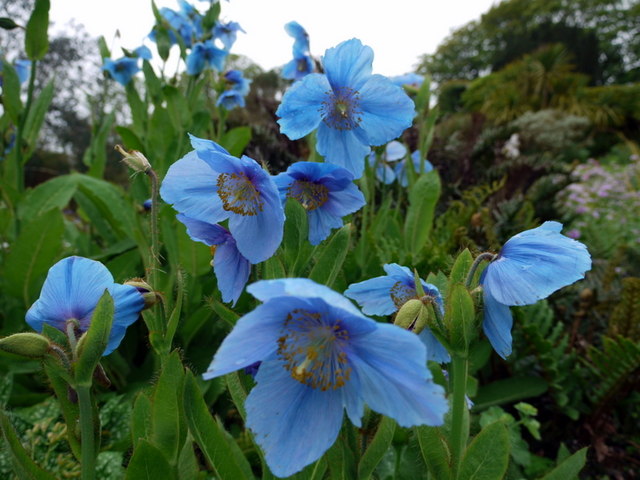
Epsom salts are known to enhance flower blooming, making them a great addition to your gardening routine if you want more vibrant and abundant blooms. Magnesium sulfate promotes the production of chlorophyll, which is essential for photosynthesis and healthy plant growth. This, in turn, leads to more prolific flowering.
To improve flower bloom, sprinkle a tablespoon of Epsom salts around the base of your flowering plants and water thoroughly. Repeat this process every two weeks during the growing season. You can also use a foliar spray to apply Epsom salts directly to the leaves, which can be particularly effective for flowering shrubs and perennials. The result is a garden full of beautiful, healthy blooms that bring joy and color to your space.
Preventing Blossom End Rot
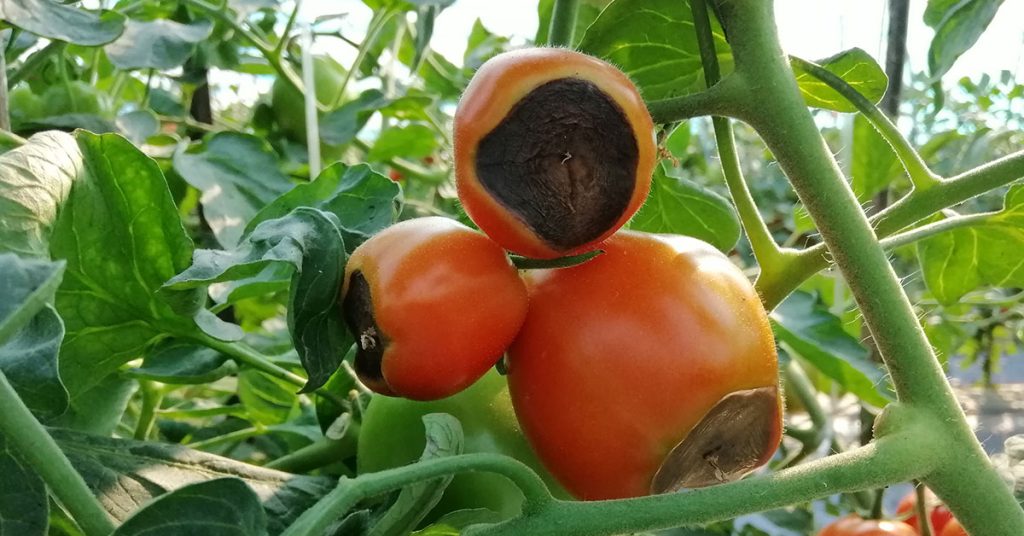
Blossom end rot is a common problem in tomatoes, peppers, and other fruiting vegetables, caused by a lack of calcium uptake in the plant. While Epsom salts don’t supply calcium directly, the magnesium in Epsom salts helps improve the plant’s ability to absorb calcium from the soil, thereby preventing blossom end rot.
To prevent blossom end rot, mix a tablespoon of Epsom salts into the soil at the base of each plant at planting time. You can also water your plants with an Epsom salt solution (one tablespoon per gallon of water) every two weeks. This practice helps ensure that your plants have access to the nutrients they need to produce healthy, rot-free fruits.
Deterring Pests

Epsom salts can act as a natural pest deterrent in your garden. While they won’t eliminate all pests, they can help reduce the population of common garden nuisances like slugs and beetles. The sharp crystals of Epsom salts irritate the soft bodies of slugs, keeping them away from your plants.
To deter pests, sprinkle Epsom salts around the base of your plants or create a barrier around the perimeter of your garden beds. Reapply after heavy rain or watering to maintain effectiveness. Using Epsom salts as a pest deterrent is a natural and environmentally friendly alternative to chemical pesticides, helping to keep your garden healthy and thriving.
Enhancing Green Foliage

Magnesium is essential for the production of chlorophyll, the compound that gives plants their green color and is crucial for photosynthesis. Plants with magnesium deficiency often exhibit yellowing leaves, a condition known as chlorosis. Adding Epsom salts to your garden can help maintain lush, green foliage.
To enhance green foliage, dissolve a tablespoon of Epsom salts in a gallon of water and use this solution to water your plants once a month. You can also apply it as a foliar spray for faster absorption. This treatment helps ensure that your plants have the magnesium they need to produce healthy, vibrant leaves, making your garden look lush and green.
Aiding Transplant Shock Recovery
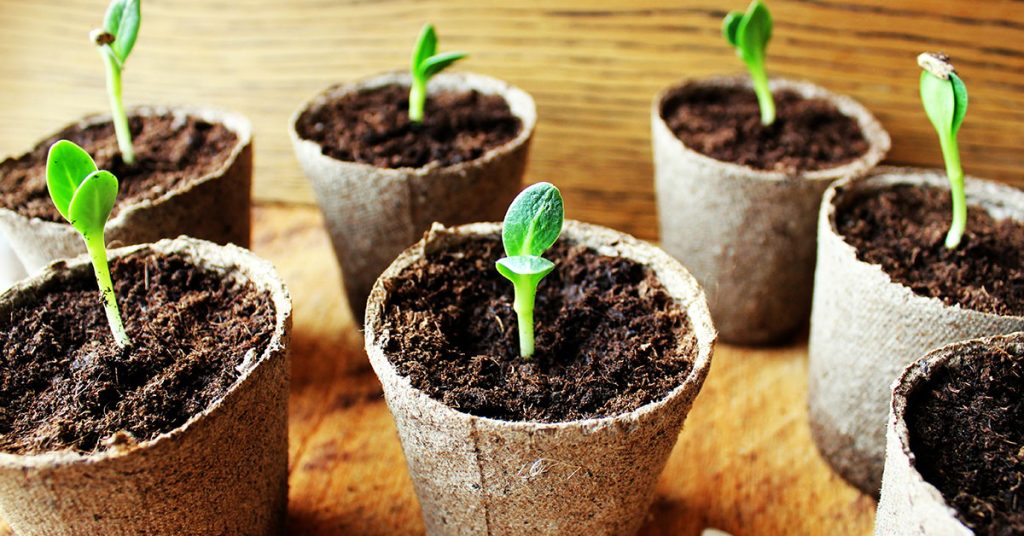
Transplanting can be stressful for plants, leading to transplant shock, which manifests as wilting, yellowing leaves, and stunted growth. Epsom salts can help reduce transplant shock by providing essential nutrients that support recovery and new root growth.
To aid in transplant shock recovery, mix a tablespoon of Epsom salts into the soil at the base of each transplanted plant or water them with a solution of one tablespoon of Epsom salts per gallon of water. This practice helps plants establish more quickly in their new location, promoting healthy growth and reducing stress.
Encouraging Fruit Production

For fruiting plants like tomatoes, peppers, and fruit trees, Epsom salts can boost fruit production by improving nutrient uptake and overall plant health. Magnesium plays a vital role in energy production and the synthesis of proteins, both of which are essential for fruit development.
To encourage fruit production, apply Epsom salts to the soil at the base of your fruiting plants or use a foliar spray during the growing season. Mix a tablespoon of Epsom salts in a gallon of water and water your plants with this solution every two weeks. This practice helps ensure that your plants have the nutrients they need to produce abundant, healthy fruits.
Reducing Yellowing Leaves

Yellowing leaves can be a sign of magnesium deficiency, which Epsom salts can help remedy. Magnesium is crucial for chlorophyll production, and a deficiency can lead to chlorosis, where the leaves turn yellow while the veins remain green.
To reduce yellowing leaves, dissolve a tablespoon of Epsom salts in a gallon of water and water your plants with this solution. You can also apply it as a foliar spray for faster results. Treating magnesium deficiency with Epsom salts helps restore the health and color of your plants’ leaves, ensuring they look their best.
Improving Soil Health
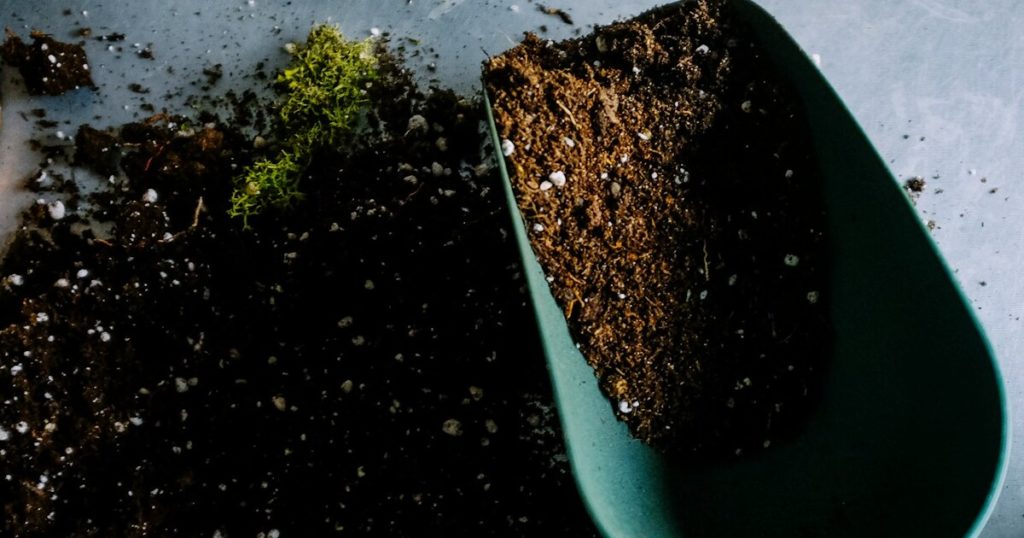
Epsom salts can improve overall soil health by increasing the magnesium content, which is essential for many plant processes. Magnesium helps activate enzymes involved in photosynthesis, respiration, and the synthesis of DNA and RNA. By improving soil health, Epsom salts support the overall well-being of your garden.
To improve soil health, mix Epsom salts into your garden soil before planting or apply it as a top dressing during the growing season. Use about a tablespoon of Epsom salts per square foot of soil and water thoroughly. Regular use of Epsom salts can help maintain a healthy, nutrient-rich soil environment, promoting robust plant growth and a thriving garden.