
Growing your own vegetables indoors is a fantastic way to enjoy fresh produce all year round, regardless of the weather outside. Whether you have limited outdoor space, live in a harsh climate, or simply want the convenience of harvesting vegetables right from your kitchen, indoor gardening can be a rewarding experience. As an enthusiastic gardener, I’m thrilled to share some of my favorite vegetables that thrive indoors, along with detailed tips on how to cultivate them successfully.
In this article, we’ll explore various vegetables that can be grown indoors throughout the year. From leafy greens to root vegetables, these plants are well-suited for indoor environments and can provide a steady supply of fresh, nutritious produce. Let’s dive into the world of indoor gardening and discover how to turn your home into a mini farm!
Lettuce
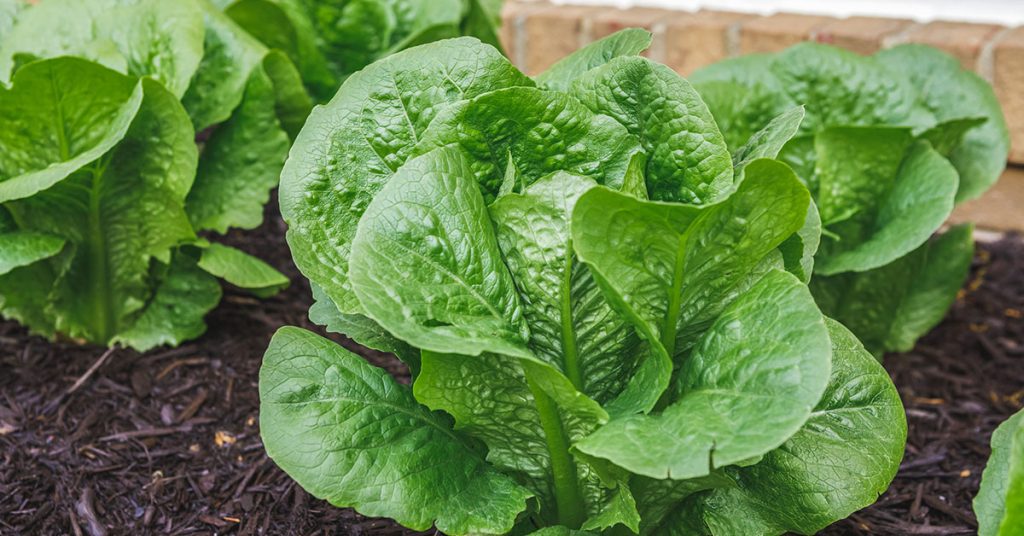
Lettuce is a versatile and quick-growing vegetable that’s perfect for indoor gardening. Native to the Mediterranean region, lettuce comes in various types, including romaine, butterhead, and loose-leaf, each with its unique flavor and texture. Lettuce thrives in cooler temperatures and doesn’t require a lot of sunlight, making it ideal for indoor cultivation.
To grow lettuce indoors, start with a shallow container filled with well-draining potting soil. Sow the seeds thinly, cover them lightly with soil, and water gently. Place the container in a location with indirect light or under grow lights. Keep the soil consistently moist, but not waterlogged. Within a few weeks, you’ll have fresh lettuce leaves ready to harvest. For a continuous supply, plant new seeds every couple of weeks.
Spinach
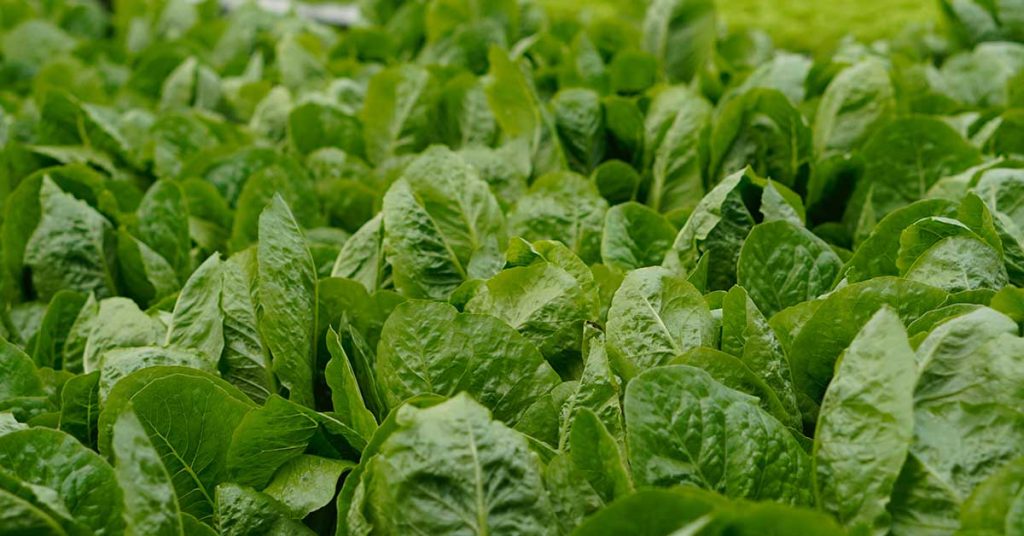
Spinach is another leafy green that flourishes indoors, providing a rich source of vitamins and minerals. Native to central and southwestern Asia, spinach prefers cooler temperatures and indirect light, making it well-suited for indoor growth. It’s a fast-growing vegetable, allowing you to enjoy multiple harvests throughout the year.
To grow spinach indoors, use a deep container with good drainage. Fill it with rich, well-draining potting soil, and sow the seeds about half an inch deep. Place the container in a cool spot with indirect sunlight or under fluorescent grow lights. Keep the soil consistently moist. Spinach will be ready to harvest in about 6-8 weeks. Regularly snip the outer leaves to encourage continuous growth.
Radishes
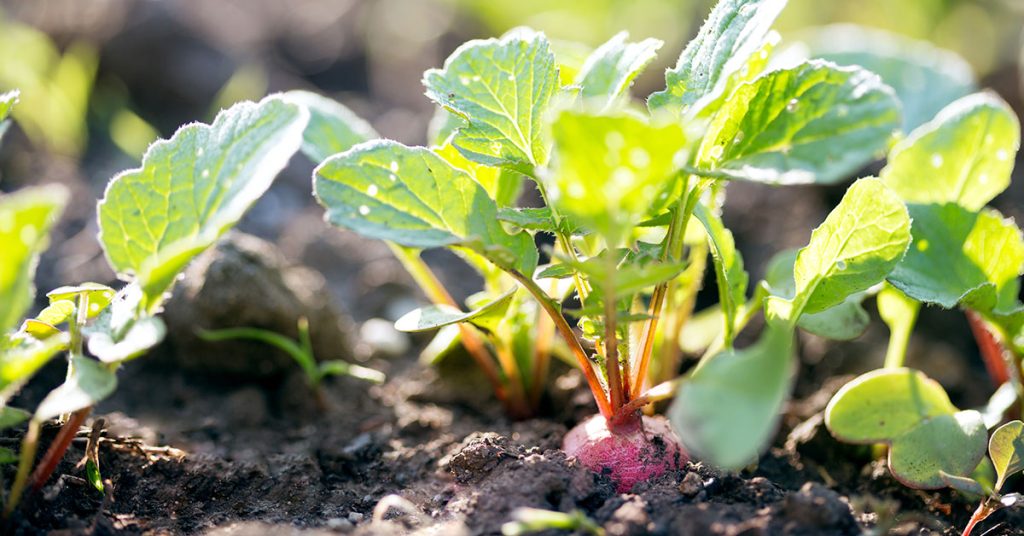
Radishes are one of the quickest and easiest vegetables to grow indoors. Native to Southeast Asia, radishes thrive in cooler temperatures and can mature in as little as 25-30 days. Their crunchy, peppery roots are perfect for salads, sandwiches, and snacks.
To grow radishes indoors, choose a deep container with good drainage to accommodate their root development. Fill the container with a light, well-draining potting mix. Sow the seeds about half an inch deep and space them about an inch apart. Place the container in a sunny spot or under grow lights. Water regularly to keep the soil moist. Radishes will be ready to harvest when their roots are about an inch in diameter.
Carrots
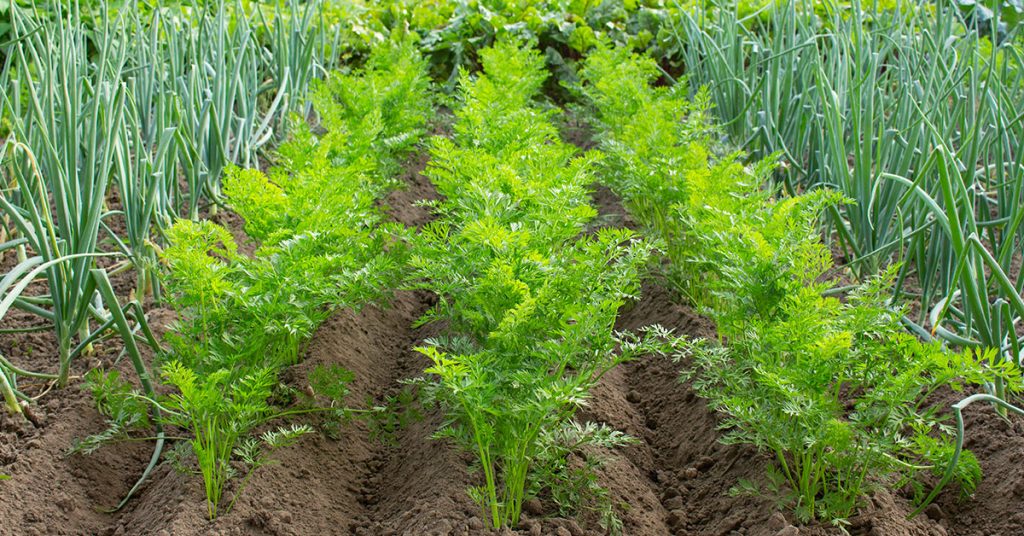
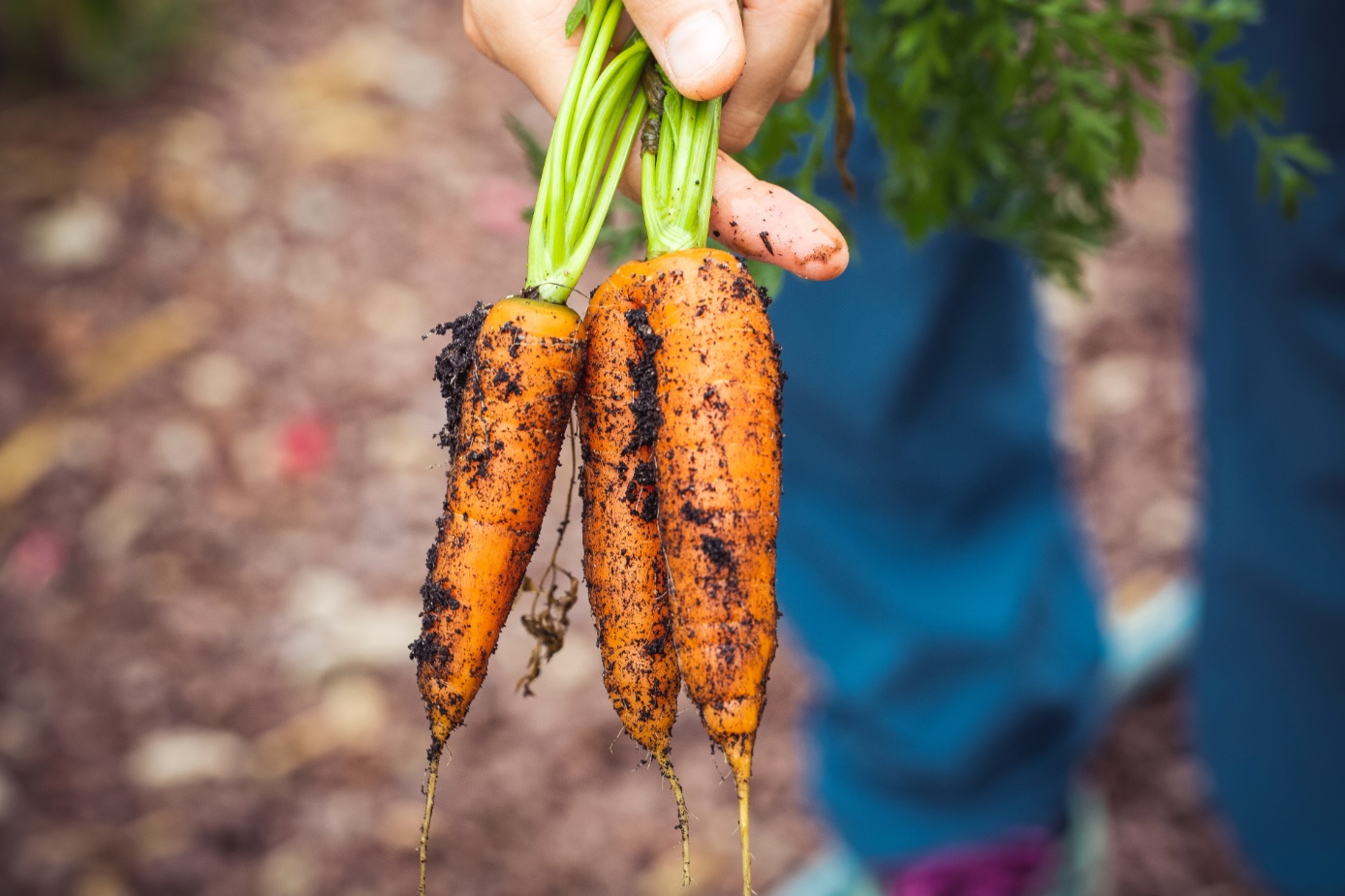
Carrots are a root vegetable that can be successfully grown indoors with the right conditions. Native to Persia, carrots come in various colors and sizes, each with its unique flavor profile. They require deep containers and plenty of light to grow well indoors.
To grow carrots indoors, choose a container that is at least 12 inches deep to allow for proper root development. Fill it with loose, sandy potting soil to facilitate root growth. Sow the seeds about half an inch deep and space them an inch apart. Place the container in a sunny spot or under strong grow lights. Keep the soil consistently moist. Carrots will be ready to harvest in about 70-80 days, depending on the variety.
Herbs (Basil, Parsley, and Cilantro)
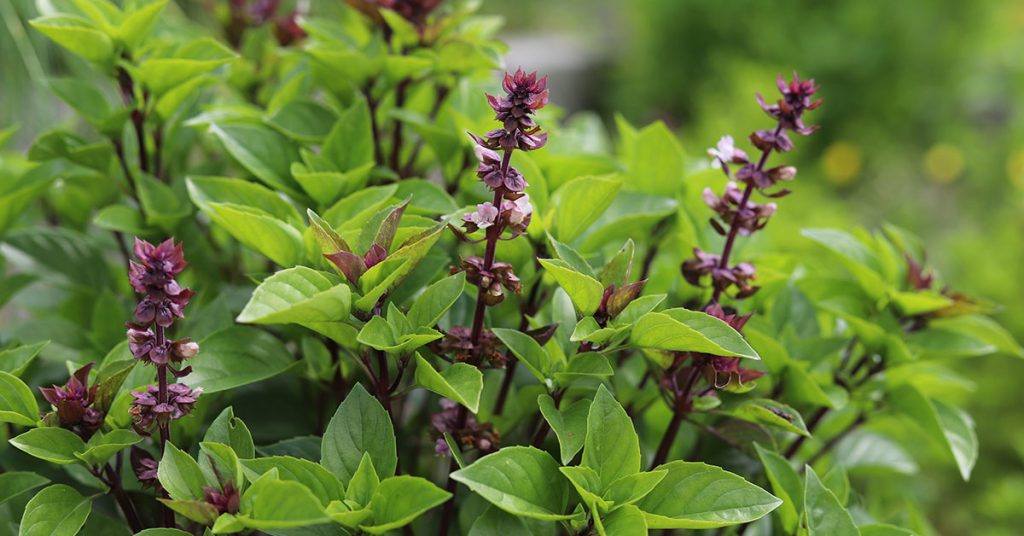
Herbs like basil, parsley, and cilantro are perfect for indoor gardening, providing fresh flavors for your culinary creations. Basil, native to tropical regions from central Africa to Southeast Asia, thrives in warm conditions with plenty of sunlight. Parsley, native to the central Mediterranean region, and cilantro, native to regions spanning from Southern Europe to Western Asia, both prefer cooler temperatures and indirect light.
To grow these herbs indoors, use small pots or containers with good drainage. Fill them with well-draining potting soil and sow the seeds according to their depth requirements (basil and parsley about a quarter inch deep, cilantro about half an inch). Place basil in a sunny spot or under grow lights, while parsley and cilantro can tolerate lower light levels. Keep the soil consistently moist. Regularly harvest the leaves to encourage new growth and enjoy fresh herbs year-round.
Tomatoes
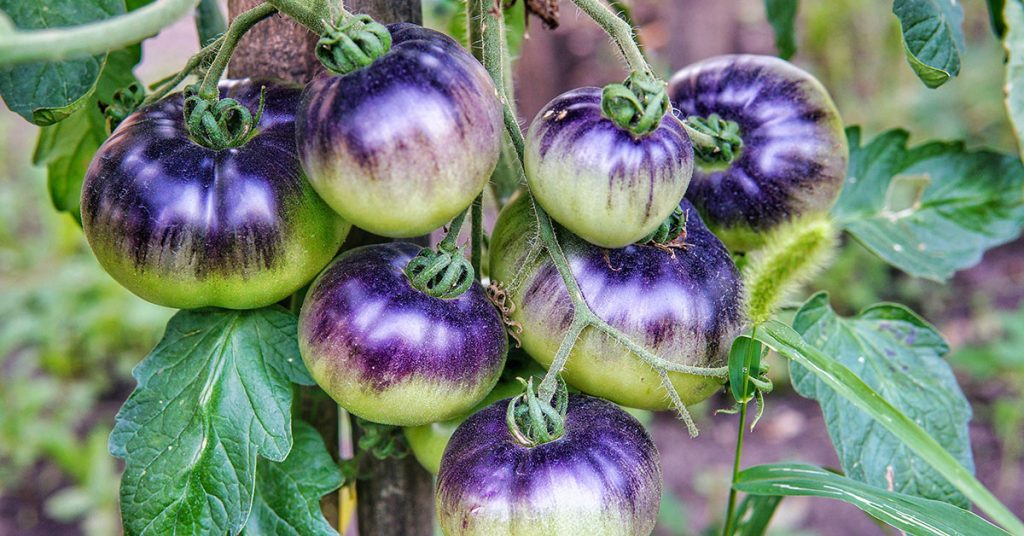
Tomatoes are a popular indoor vegetable, though they require more care and attention compared to leafy greens and herbs. Native to western South America, tomatoes need plenty of sunlight, warmth, and space to thrive indoors. With the right setup, you can enjoy fresh tomatoes throughout the year.
To grow tomatoes indoors, choose a compact or dwarf variety that is well-suited for containers. Use a large pot with good drainage and fill it with rich, well-draining potting soil. Sow the seeds or transplant seedlings into the pot. Place the container in a sunny spot where it receives at least 8 hours of sunlight per day, or use strong grow lights. Water regularly and provide support for the plant as it grows. Tomatoes typically take about 60-80 days to mature, depending on the variety.
Peppers
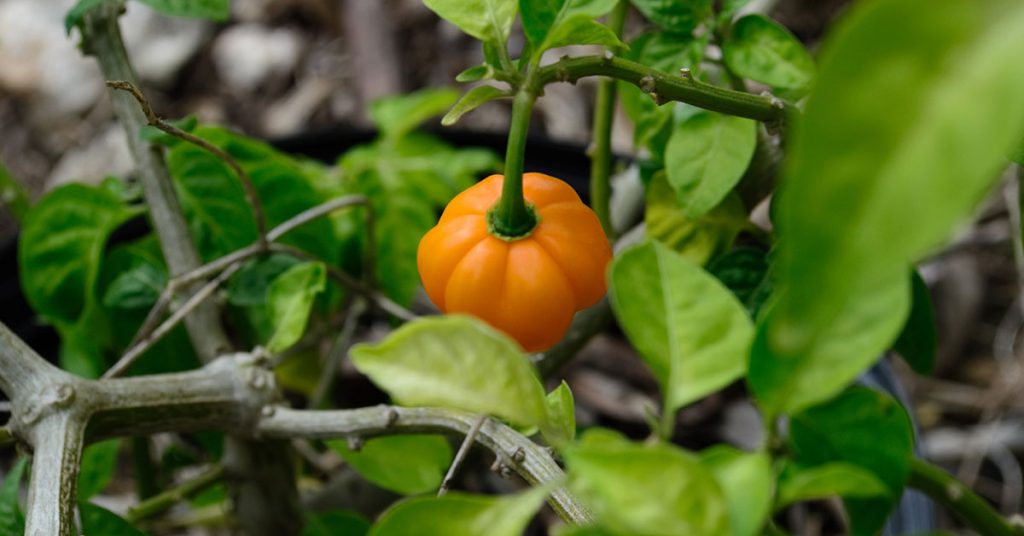
Peppers, both sweet and hot, can be grown indoors with great success. Native to Central and South America, peppers thrive in warm conditions and require plenty of light. They come in various shapes, sizes, and flavors, adding a colorful and spicy touch to your indoor garden.
To grow peppers indoors, choose a compact variety that suits container growing. Use a pot with good drainage and fill it with well-draining potting soil. Sow the seeds or transplant seedlings into the pot. Place the container in a sunny spot or under grow lights, ensuring the plant gets at least 8 hours of light daily. Keep the soil consistently moist but not waterlogged. Peppers will be ready to harvest in about 70-90 days, depending on the variety.
Green Onions
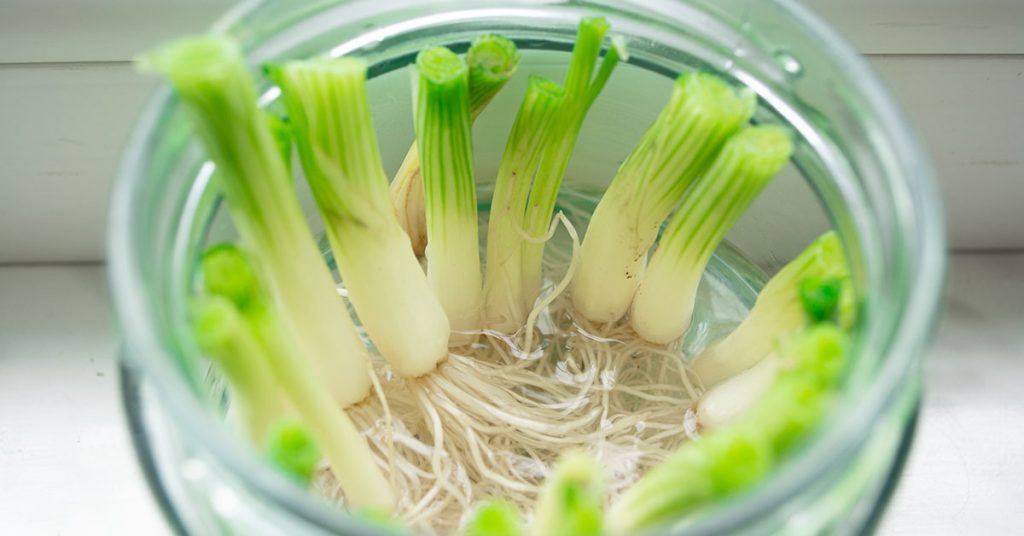
Green onions, also known as scallions, are easy to grow indoors and provide a continuous supply of fresh, mild onion flavor. Native to Central Asia, green onions thrive in cool conditions and require minimal care, making them perfect for indoor gardening.
To grow green onions indoors, use a shallow container with good drainage. Fill it with well-draining potting soil and sow the seeds about a quarter inch deep. Place the container in a sunny spot or under grow lights. Keep the soil consistently moist. Green onions can be harvested in about 30 days when the tops reach about 6 inches tall. Cut the green tops as needed, and they will continue to grow back.
Kale
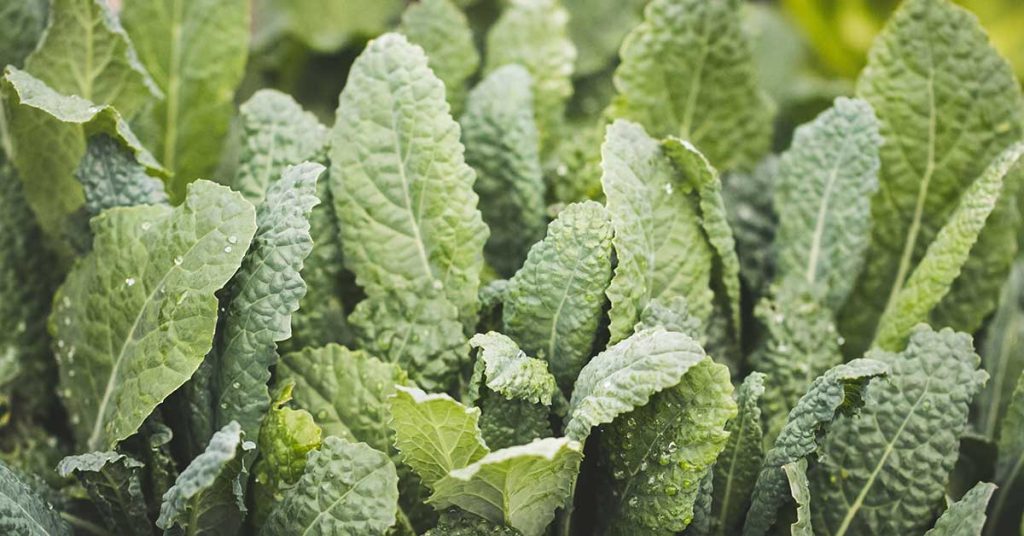
Kale is a nutrient-dense leafy green that can be grown indoors year-round. Native to the eastern Mediterranean and Asia Minor, kale thrives in cooler temperatures and does well in partial shade, making it suitable for indoor cultivation.
To grow kale indoors, choose a deep container with good drainage. Fill it with rich, well-draining potting soil and sow the seeds about half an inch deep. Place the container in a spot with indirect sunlight or under grow lights. Keep the soil consistently moist. Kale can be harvested in about 50-70 days, depending on the variety. Regularly pick the outer leaves to encourage continuous growth.
Swiss Chard
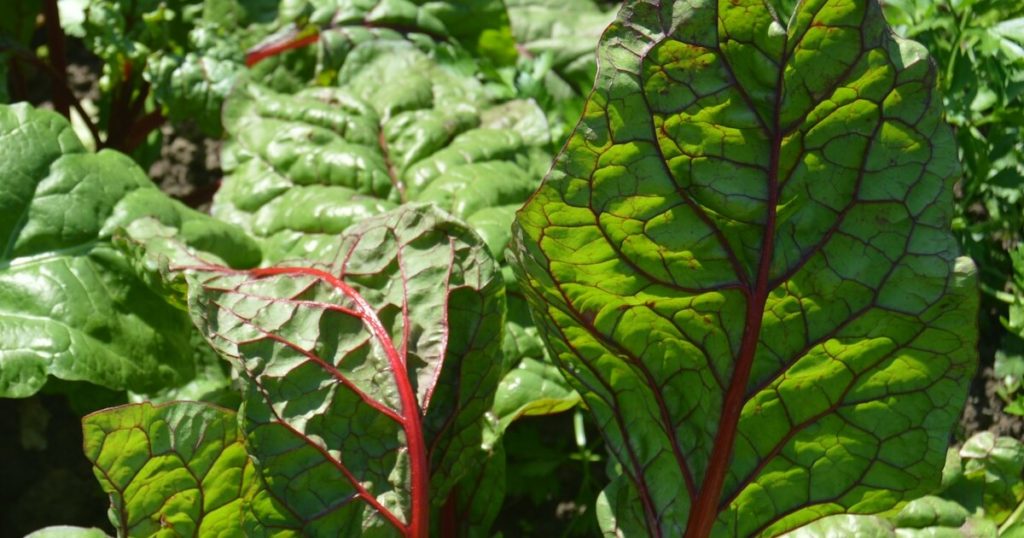
Swiss chard is a versatile leafy green that adds color and nutrition to your indoor garden. Native to the Mediterranean region, Swiss chard thrives in cooler temperatures and can tolerate partial shade, making it ideal for indoor growth.
To grow Swiss chard indoors, use a deep container with good drainage. Fill it with well-draining potting soil and sow the seeds about half an inch deep. Place the container in a spot with indirect sunlight or under grow lights. Keep the soil consistently moist. Swiss chard can be harvested in about 50-60 days. Pick the outer leaves regularly to encourage new growth and enjoy a continuous supply of fresh greens.
Microgreens
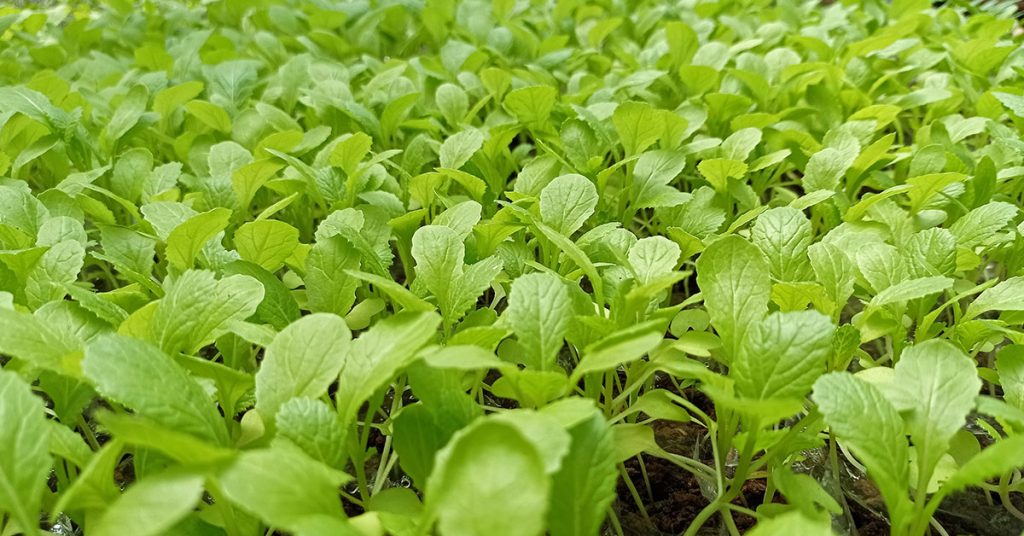
Microgreens are young, tender plants that are harvested at an early stage of growth. They can be grown from various vegetable seeds, including radishes, kale, arugula, and more. Microgreens are packed with nutrients and add a burst of flavor to salads, sandwiches, and other dishes.
To grow microgreens indoors, use a shallow tray with good drainage and fill it with a light, well-draining potting mix. Sow the seeds densely on the surface and cover them lightly with soil. Place the tray in a sunny spot or under grow lights. Keep the soil consistently moist. Microgreens can be harvested in about 1-3 weeks, depending on the type. Simply snip the greens at the base with scissors when they reach 1-3 inches tall.
Arugula
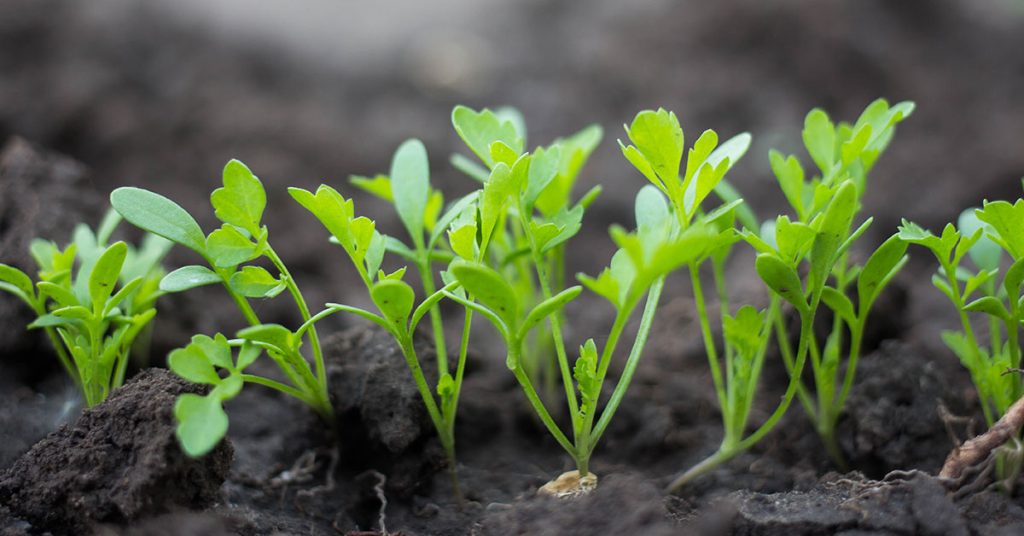
Arugula, also known as rocket, is a fast-growing leafy green with a peppery flavor that’s perfect for salads and garnishes. Native to the Mediterranean region, arugula thrives in cooler temperatures and does well in partial shade, making it ideal for indoor gardening.
To grow arugula indoors, use a shallow container with good drainage. Fill it with well-draining potting soil and sow the seeds about a quarter inch deep. Place the container in a spot with indirect sunlight or under grow lights. Keep the soil consistently moist. Arugula can be harvested in about 30-40 days. Regularly pick the outer leaves to encourage continuous growth and enjoy fresh arugula year-round.
By growing these vegetables indoors, you can enjoy fresh, nutritious produce throughout the year. Each of these vegetables is well-suited for indoor cultivation and can provide a steady supply of greens, roots, and herbs.