
Gardening is an age-old practice that has been refined and perfected over centuries. Ancient civilizations developed innovative and effective techniques to grow abundant and healthy crops, many of which are still relevant today. By incorporating these time-tested methods into your garden, you can improve your harvest and connect with gardening traditions from around the world.
In this article, I’ll share several ancient vegetable growing practices that can enhance your garden’s productivity. These methods have been used for generations and are rooted in the wisdom of our ancestors. Let’s explore these fascinating techniques and see how they can help you achieve a bountiful harvest!
Companion Planting
Companion planting is an ancient practice that dates back to indigenous cultures in North America, particularly the Native American Three Sisters method. This technique involves growing corn, beans, and squash together in a mutually beneficial arrangement. The corn provides a natural trellis for the beans, the beans fix nitrogen in the soil to fertilize all three plants, and the squash spreads along the ground to suppress weeds and retain moisture.
One of the reasons I love companion planting is its ability to maximize space and resources while naturally deterring pests. Different plants can repel insects, attract beneficial pollinators, or provide shade and support for each other. By carefully selecting companion plants, you can create a harmonious garden ecosystem that boosts overall health and productivity. Try combining tomatoes with basil to repel pests or planting carrots with onions to improve flavor and growth.
Hugelkultur

Hugelkultur is an ancient German gardening technique that involves creating raised garden beds filled with decaying wood and organic matter. This method mimics the natural process of decomposition in forest ecosystems. As the wood breaks down, it releases nutrients, retains moisture, and improves soil structure. Hugelkultur beds can last for years, providing a rich, self-sustaining environment for your vegetables.
One of the reasons I enjoy using hugelkultur is its ability to recycle garden waste and reduce the need for irrigation. The decomposing wood acts like a sponge, absorbing and retaining water, which is especially beneficial in dry climates. Building a hugelkultur bed is simple and can be customized to fit any garden space. Start by layering logs, branches, and twigs, then cover with compost and soil. Plant your vegetables on top, and watch them thrive!
Chinampas

Chinampas, often referred to as “floating gardens,” were developed by the Aztecs in the lake regions of central Mexico. This ingenious method involves creating small, rectangular islands in shallow water, surrounded by canals. These raised beds are built with layers of mud, aquatic plants, and other organic materials, creating highly fertile and well-watered growing areas. Chinampas allowed the Aztecs to cultivate crops intensively and sustainably.
What fascinates me about chinampas is their ability to make efficient use of available water resources while providing rich soil for crops. This method can be adapted for modern gardens by building raised beds with good drainage near water sources or incorporating water features. Chinampas are particularly effective for growing vegetables that thrive in moist, nutrient-rich conditions, such as lettuce, spinach, and watercress.
Terra Preta

Terra Preta, or “black earth,” is an ancient soil management technique used by indigenous peoples in the Amazon Basin. This practice involves enriching the soil with biochar, a form of charcoal made from organic materials. Biochar improves soil fertility, retains moisture, and enhances microbial activity, leading to healthier and more productive plants. Terra Preta soils have been found to remain fertile for thousands of years.
I’m excited about Terra Preta because it offers a sustainable way to improve soil health and sequester carbon. To create your own Terra Preta, add biochar to your compost or directly to your garden beds. Biochar can be made by burning organic materials like wood, crop residues, or manure in a low-oxygen environment. This method not only boosts your harvest but also helps mitigate climate change by storing carbon in the soil.
Biodynamic Farming
Biodynamic farming, developed by Rudolf Steiner in the early 20th century, is based on principles that integrate spiritual, cosmic, and ecological elements into agriculture. This practice involves using natural preparations, such as compost teas and herbal sprays, and following a planting calendar based on lunar and astrological cycles. Biodynamic farming emphasizes the importance of biodiversity, soil health, and the interconnectedness of all living things.
One of the reasons I’m drawn to biodynamic farming is its holistic approach to gardening. By considering the rhythms of nature and the cosmos, you can create a more balanced and resilient garden ecosystem. Biodynamic preparations, like compost made with specific herbs, enhance soil fertility and plant health. This method encourages you to see your garden as a living organism, fostering a deeper connection with the earth and your plants.
Raised Bed Gardening
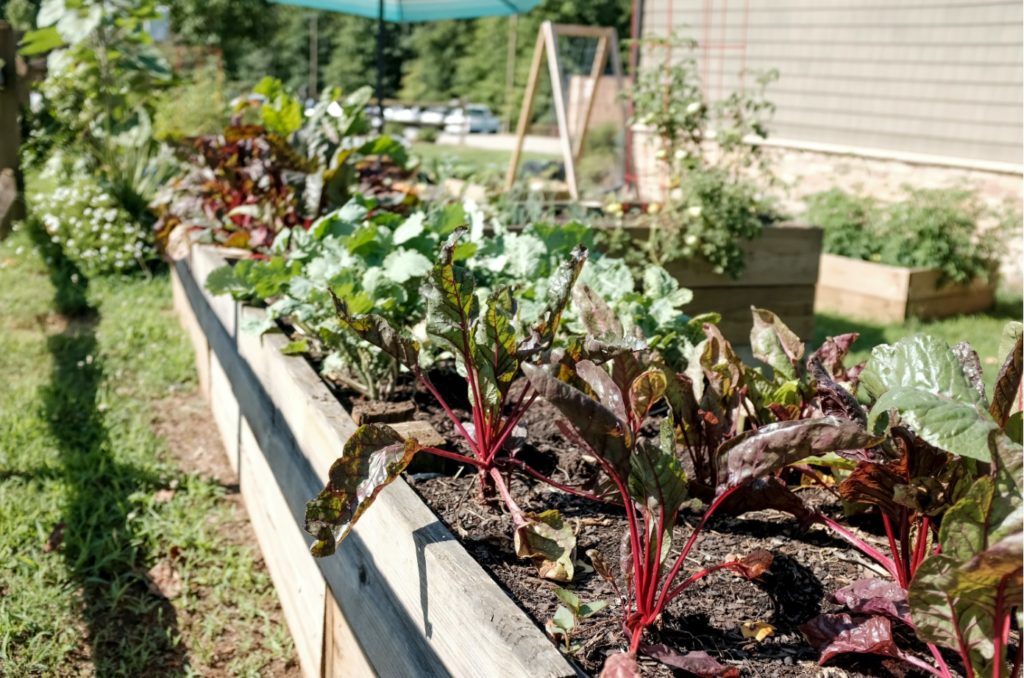
Raised bed gardening has been practiced for centuries in various cultures, including ancient China and medieval Europe. This method involves creating elevated garden beds filled with high-quality soil and compost. Raised beds offer several advantages, such as improved drainage, better soil structure, and easier access for planting and harvesting. They can also extend the growing season by warming up faster in the spring.
I love raised bed gardening for its versatility and practicality. Raised beds can be built from various materials, including wood, stone, or metal, and can be customized to fit any garden space. They are particularly useful for growing root vegetables, such as carrots and potatoes, that require loose, well-drained soil. Raised beds also reduce soil compaction and make it easier to control weeds and pests, leading to healthier and more productive plants.
Crop Rotation

Crop rotation is an ancient agricultural practice used by civilizations such as the Romans and Chinese to maintain soil fertility and prevent disease. This method involves growing different types of crops in the same area in sequential seasons. By rotating crops, you can disrupt the life cycles of pests and diseases, reduce soil depletion, and improve nutrient availability. Common crop rotation plans include alternating between legumes, root crops, and leafy greens.
One of the reasons I advocate for crop rotation is its ability to enhance soil health and increase yields. Rotating crops helps balance nutrient levels in the soil and minimizes the need for chemical fertilizers. For example, planting nitrogen-fixing legumes after heavy-feeding crops like corn can replenish soil nutrients. Crop rotation also encourages biodiversity, which can lead to a more resilient garden ecosystem. Planning a crop rotation schedule is a simple yet effective way to improve your garden’s productivity.
Lasagna Gardening
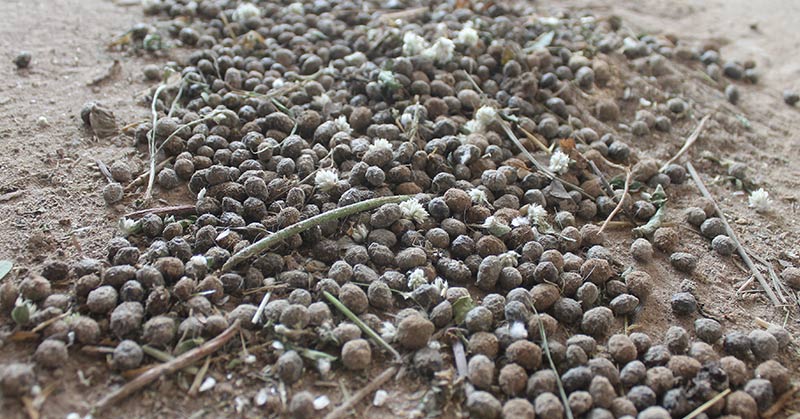
Lasagna gardening, also known as sheet composting, is a no-till gardening method that involves layering organic materials to create rich, fertile soil. This technique is similar to composting and can be traced back to ancient agricultural practices. Lasagna gardening is an excellent way to recycle garden waste and build healthy soil without the need for digging or tilling. The layers decompose over time, providing nutrients and improving soil structure.
I’m a big fan of lasagna gardening because it’s easy to implement and incredibly effective. Start by laying down cardboard or newspaper to smother weeds, then alternate layers of green (nitrogen-rich) and brown (carbon-rich) materials. You can include kitchen scraps, grass clippings, leaves, straw, and compost. This method not only enriches the soil but also retains moisture and suppresses weeds. Lasagna gardening is perfect for busy gardeners looking to create a productive and low-maintenance garden.
Forest Gardening
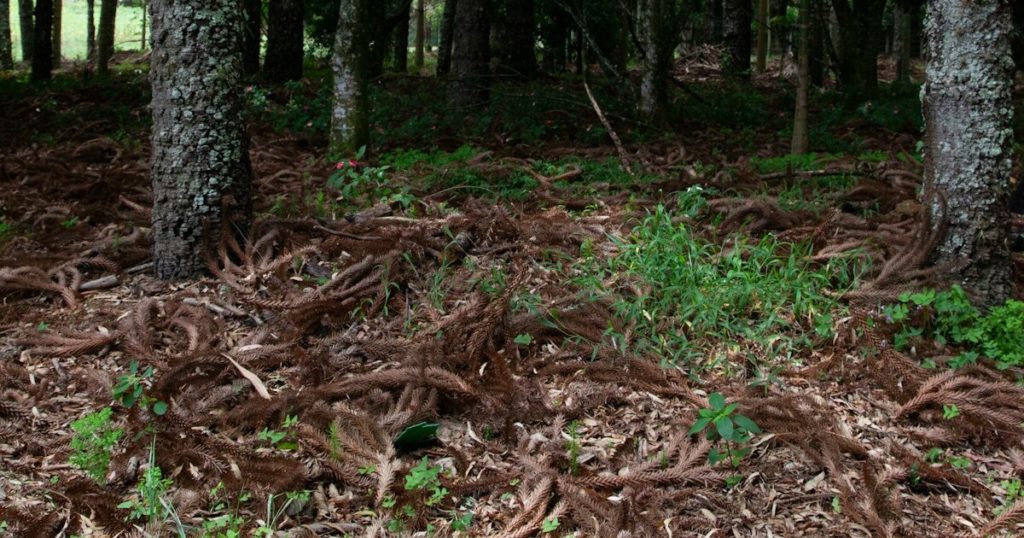
Forest gardening, inspired by the ancient agroforestry practices of indigenous cultures, involves creating a multi-layered garden that mimics a natural forest ecosystem. This method includes growing a diverse range of plants, including trees, shrubs, herbs, and ground covers, in a way that maximizes space and resources. Forest gardens are designed to be self-sustaining, with plants providing mutual benefits such as shade, nutrients, and pest control.
What excites me about forest gardening is its ability to create a diverse and resilient garden ecosystem. By mimicking the natural structure of a forest, you can create a garden that requires less maintenance and provides a variety of yields. Forest gardening promotes biodiversity, improves soil health, and enhances water retention. It’s a sustainable way to grow food while fostering a deeper connection with nature. Start small by incorporating a few layers, such as fruit trees, berry bushes, and herbs, and gradually expand your forest garden.
Keyhole Gardening

Keyhole gardening is an innovative technique that originated in Africa and has been used for centuries to maximize productivity in small spaces. This method involves creating a raised, circular garden bed with a central composting basket. The bed is shaped like a keyhole, allowing easy access to the center for adding compost and watering. Keyhole gardens are designed to be highly efficient, retaining moisture and nutrients while reducing waste.
I love keyhole gardening for its practicality and efficiency, especially in arid regions or areas with poor soil. The central compost basket continuously enriches the soil, providing nutrients directly to the plants. The raised bed design improves drainage and makes gardening more accessible. Keyhole gardens are perfect for growing a variety of vegetables and herbs, making the most of limited space and resources. They are also a great way to recycle kitchen and garden waste, contributing to a more sustainable gardening practice.