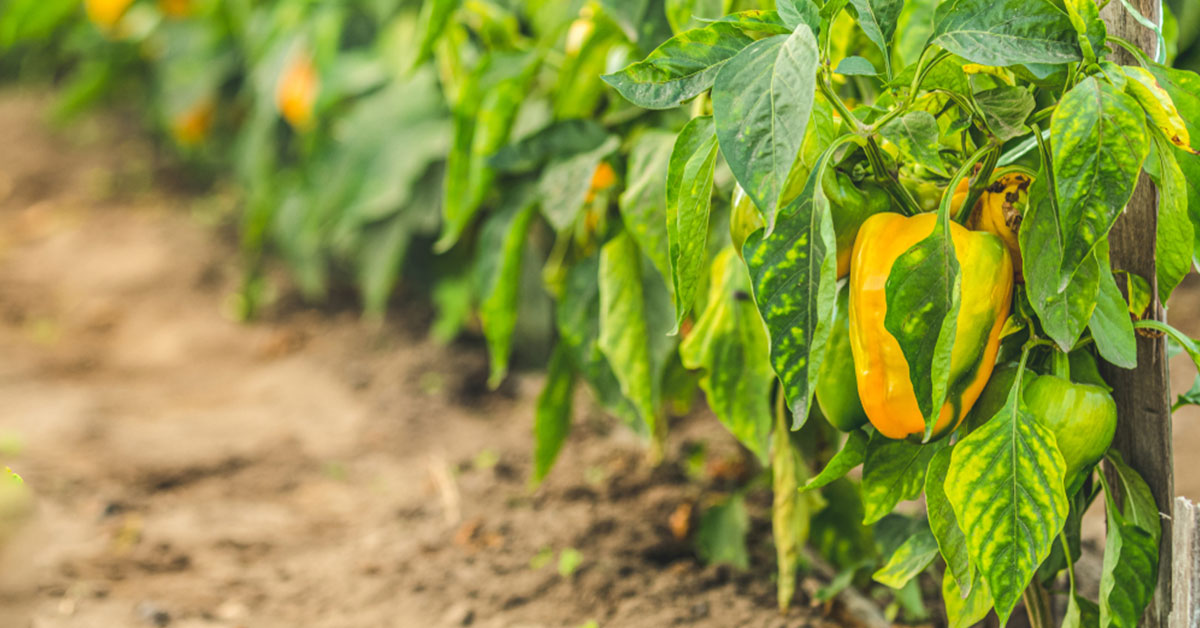

Using salt to kill weeds in your garden might seem like a simple and natural solution, but this method can come with serious consequences. While it’s true that salt can be effective at eradicating unwanted plants, it also poses significant risks to your soil, surrounding plants, and local environment. As a gardener, it’s important to understand the potential downsides of using salt before you decide to incorporate it into your weed management strategy.
In this article, we’ll explore the various negative impacts of using salt to kill weeds in your garden. From soil degradation to harm to beneficial organisms, the dark side of this practice can outweigh its benefits. Let’s dive into the reasons why you might want to reconsider using salt in your garden.
Soil Degradation
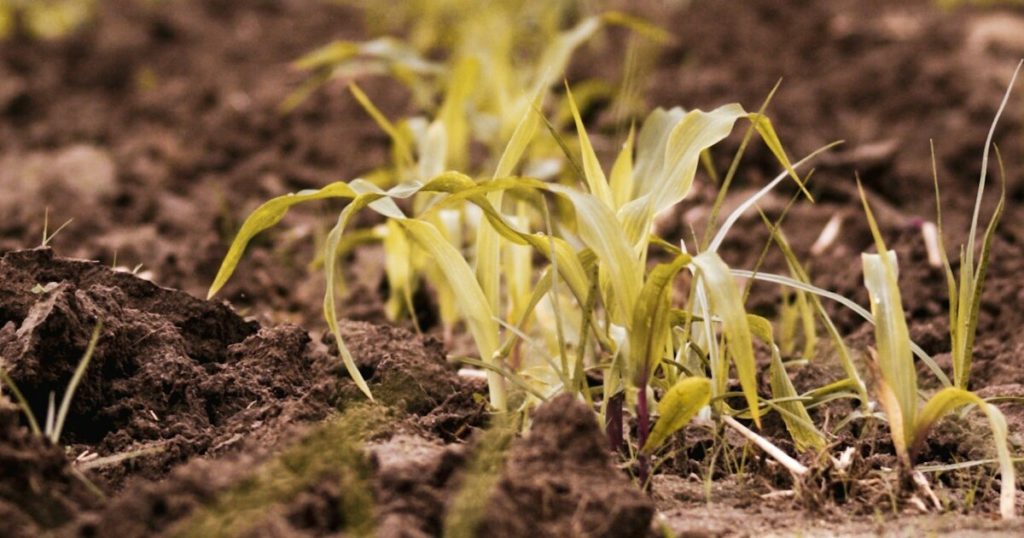
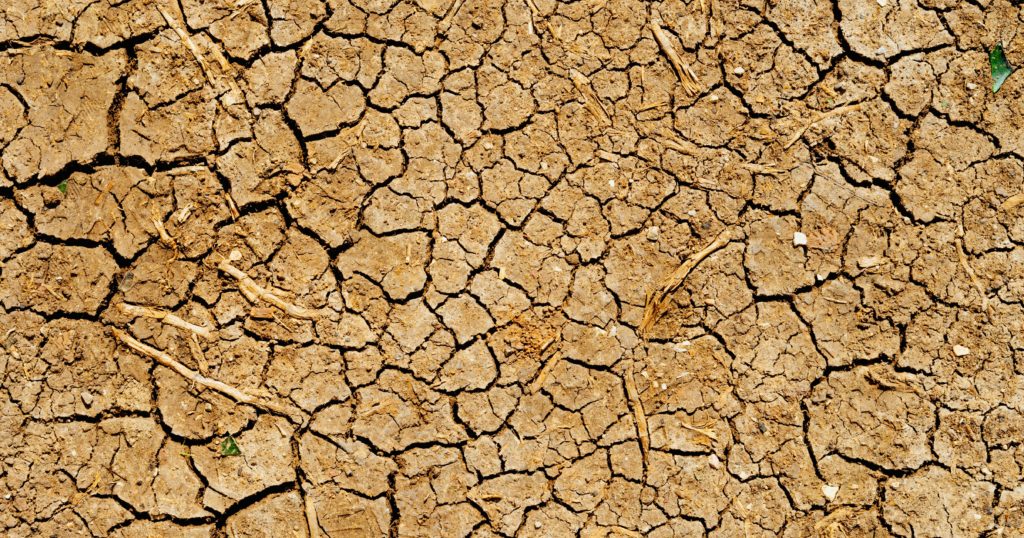
Salt is a potent substance that can severely degrade the quality of your soil. When you use salt to kill weeds, it doesn’t just target the unwanted plants; it also affects the surrounding soil. High concentrations of salt can lead to soil compaction, which reduces its ability to retain water and nutrients. Over time, this can create a hard, crusty surface that prevents plant roots from accessing essential resources.
One of the most concerning aspects of soil degradation caused by salt is its long-term impact. Once salt has penetrated the soil, it can remain there for years, continuing to harm the soil’s structure and fertility. This makes it difficult for new plants to establish themselves, leading to a barren and unproductive garden. As a gardener, maintaining healthy soil is crucial for the success of your plants, so it’s important to avoid practices that can cause long-lasting damage.
Harm to Beneficial Microorganisms
A healthy garden relies on a thriving ecosystem of beneficial microorganisms that support plant growth. These microorganisms, including bacteria, fungi, and earthworms, play a vital role in decomposing organic matter, recycling nutrients, and improving soil structure. Unfortunately, salt can be highly toxic to these beneficial organisms, disrupting the delicate balance of your garden’s ecosystem.
When you use salt to kill weeds, it doesn’t discriminate between harmful and beneficial organisms. The salt can create a hostile environment for the microorganisms that help keep your soil healthy and fertile. This can lead to a decline in soil health, making it more difficult for your plants to thrive. By choosing alternative weed control methods, you can protect the beneficial microorganisms that are essential for a productive garden.
Water Contamination
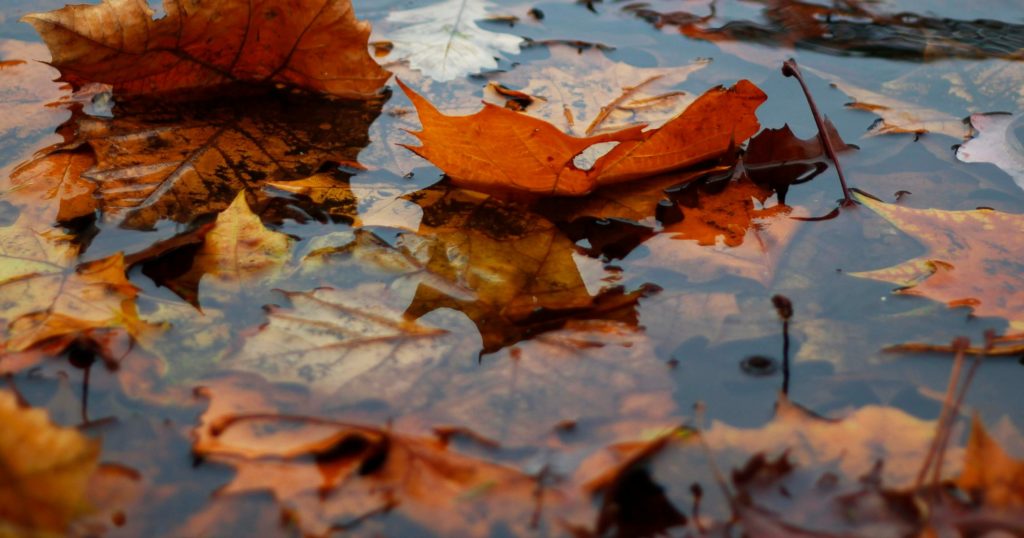
Using salt in your garden can also contribute to water contamination. When it rains, or when you water your garden, the salt can be washed away into nearby water sources such as rivers, lakes, and groundwater. This runoff can increase the salinity of these water bodies, which can be harmful to aquatic life and ecosystems.
Increased salinity in water sources can also have a negative impact on human health. Contaminated water can affect drinking water supplies, making it less safe for consumption. By avoiding the use of salt in your garden, you can help protect local water quality and contribute to a healthier environment for both wildlife and people.
Damage to Desirable Plants
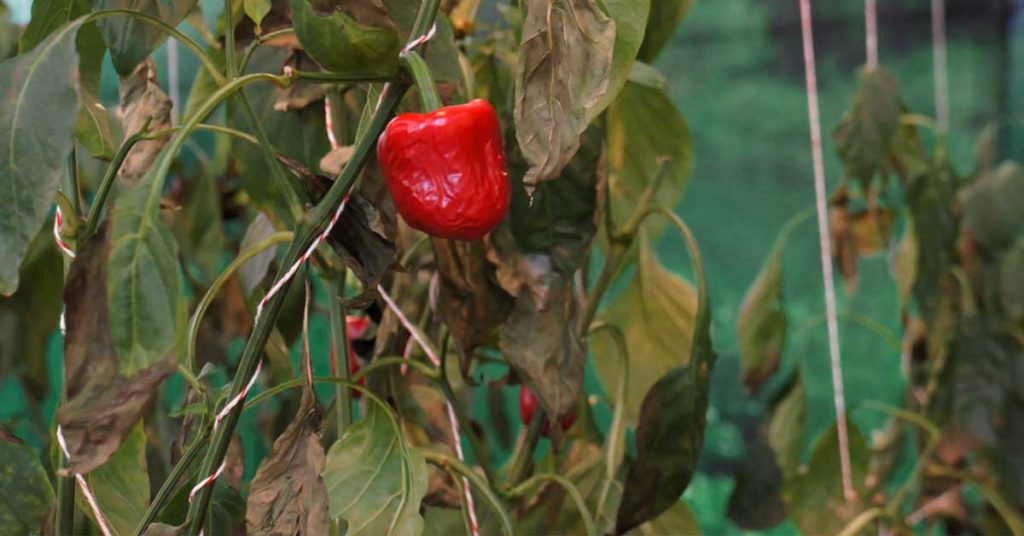
Salt doesn’t just kill weeds; it can also harm the plants you want to keep. When salt is applied to the soil, it can be absorbed by the roots of nearby plants, leading to salt stress. This can cause symptoms such as wilting, yellowing leaves, and stunted growth. In severe cases, salt exposure can even kill your plants.
As a gardener, it’s disheartening to see your beloved plants suffer due to unintended salt exposure. Whether you’re growing flowers, vegetables, or ornamental plants, the risk of collateral damage is high when using salt as a weed killer. Opting for more targeted and less harmful weed control methods can help ensure that your desirable plants remain healthy and vibrant.
Reduced Soil Fertility
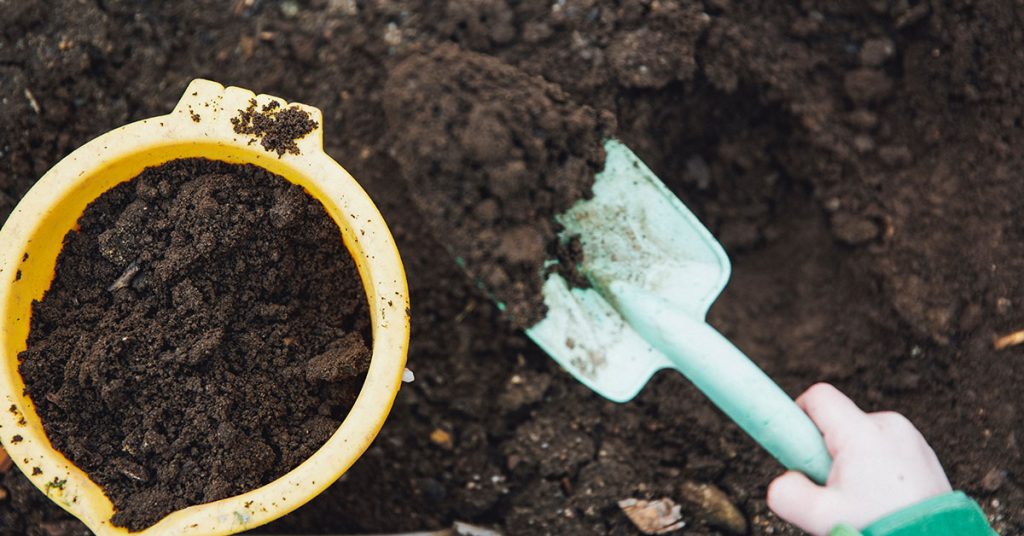
Salt can significantly reduce the fertility of your soil by disrupting the balance of essential nutrients. High levels of salt can interfere with the uptake of nutrients such as potassium, calcium, and magnesium, which are crucial for plant growth. This nutrient imbalance can lead to poor plant health and reduced yields in your garden.
One of the long-term effects of using salt in your garden is the difficulty in restoring soil fertility. Once the soil’s nutrient balance has been disrupted, it can take years to rebuild a healthy, productive environment. This can be especially problematic for gardeners who rely on their plots for food production. By avoiding salt and focusing on soil health, you can maintain a fertile and productive garden for years to come.
Impact on Soil pH
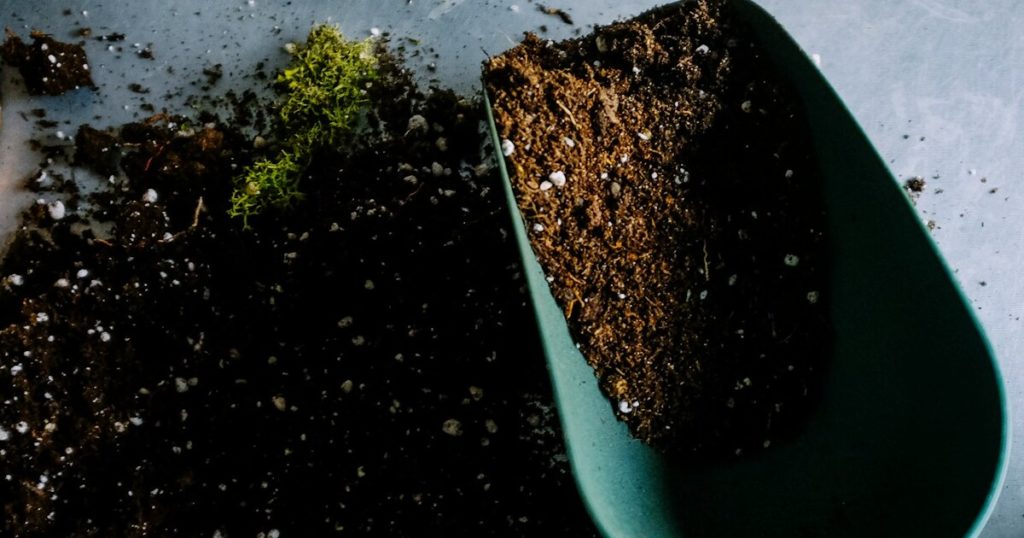
The use of salt can also alter the pH of your soil, making it more alkaline. Most plants prefer a slightly acidic to neutral pH range (around 6.0 to 7.0), and significant changes in soil pH can affect their ability to absorb nutrients. An increase in soil alkalinity can make certain nutrients less available to plants, leading to nutrient deficiencies and poor growth.
Monitoring and maintaining the correct soil pH is an essential part of successful gardening. Using salt to kill weeds can disrupt this balance and create a less hospitable environment for your plants. Instead, consider using organic mulch or manual weeding to control unwanted plants without affecting your soil’s pH.
Long-Term Environmental Impact
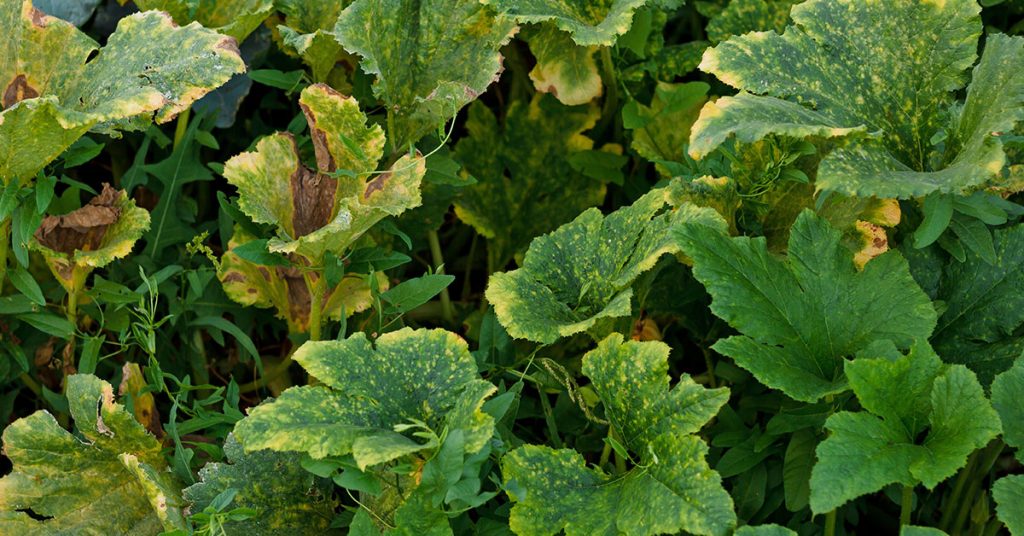
The environmental impact of using salt to kill weeds extends beyond your garden. Excessive salt can lead to the salinization of surrounding land and water bodies, affecting local ecosystems and biodiversity. High salinity levels can inhibit plant growth and reduce the availability of freshwater, which is essential for many species.
Protecting the environment is a key responsibility for gardeners. By avoiding harmful practices like using salt, you can contribute to the preservation of local ecosystems and support a more sustainable approach to gardening. There are many alternative methods for weed control that are less damaging to the environment and can help you maintain a healthy, thriving garden.
Ineffectiveness on Certain Weeds
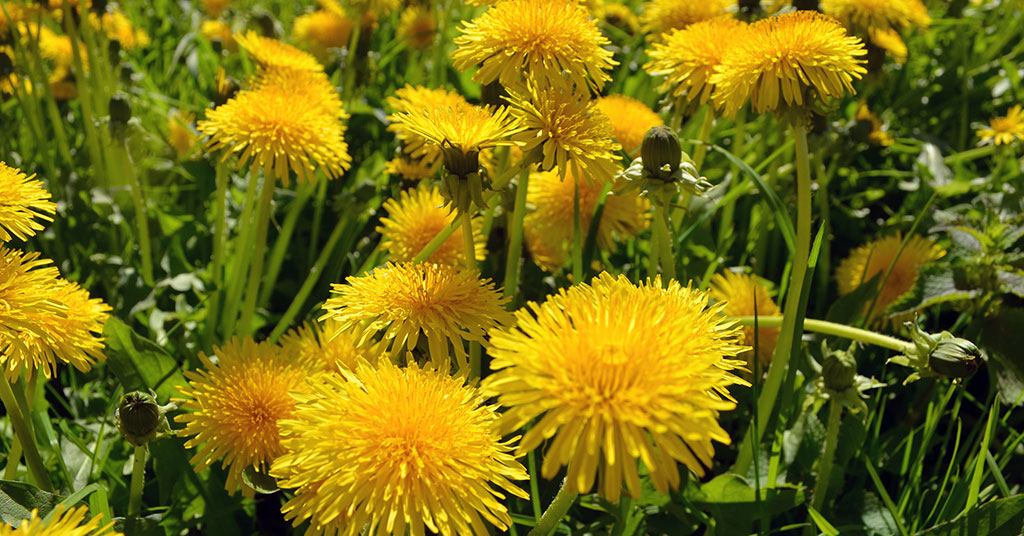
While salt can be effective against some weeds, it is not a universal solution. Certain weeds have a high tolerance to salt and can continue to thrive even in salty conditions. This means that you may still have to deal with persistent weed problems, despite the use of salt.
Using ineffective methods can lead to frustration and wasted effort. As a gardener, it’s important to choose weed control strategies that are effective and sustainable. Exploring other options such as mulching, hand weeding, or using natural herbicides can provide better results without the negative side effects associated with salt.
Potential Harm to Pets and Wildlife
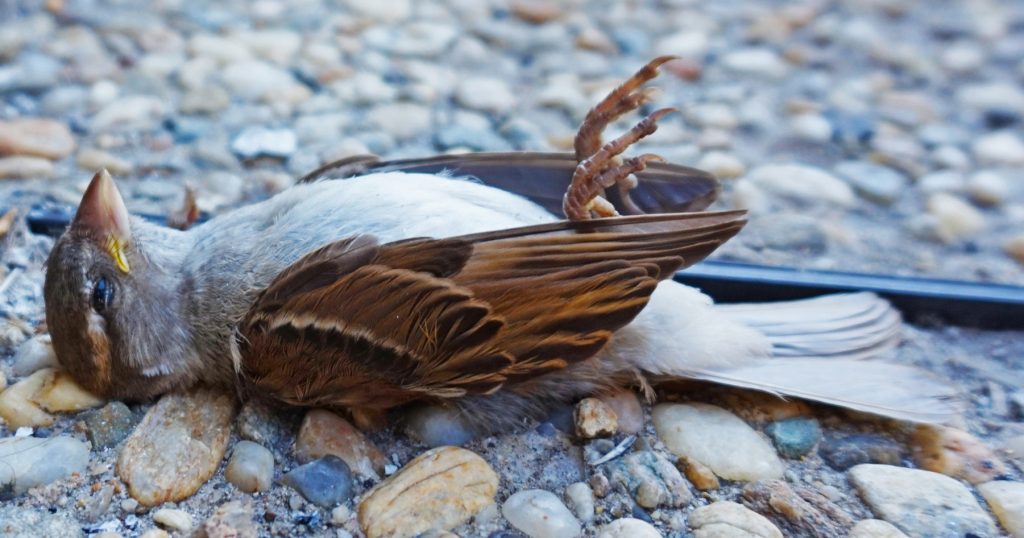
Using salt in your garden can also pose a risk to pets and wildlife. Animals that come into contact with or ingest salt-contaminated soil or plants can suffer from salt toxicity. This can cause symptoms such as vomiting, diarrhea, and in severe cases, can be fatal.
As a pet owner and wildlife enthusiast, it’s important to consider the safety of the animals that visit your garden. By avoiding the use of salt, you can create a safer environment for your pets and local wildlife. There are many pet-friendly and wildlife-friendly alternatives for weed control that can help you maintain a beautiful garden without compromising the safety of the animals you care about.
Alternatives to Using Salt
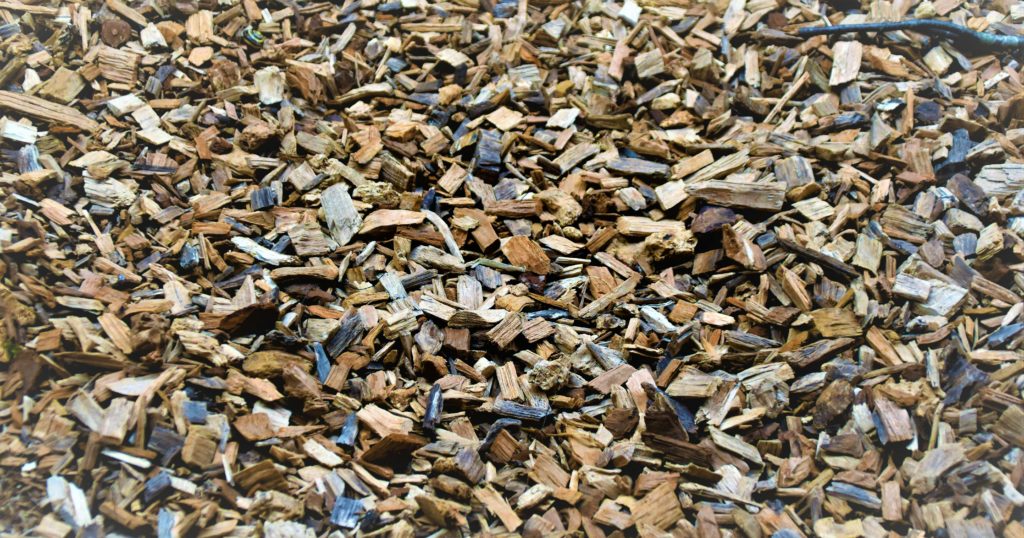
Given the numerous drawbacks of using salt, it’s worth exploring alternative methods for weed control. Hand weeding, mulching, and using natural herbicides are all effective ways to manage weeds without the negative side effects. Organic mulch, such as straw, wood chips, or compost, can suppress weed growth, improve soil health, and retain moisture.
Hand weeding is a labor-intensive but highly effective method, especially for small gardens. Using tools like hoes or weed pullers can make the task easier. Natural herbicides, such as vinegar or boiling water, can also be effective for spot-treating weeds. By opting for these alternatives, you can maintain a healthy and thriving garden without the risks associated with salt.
While salt may seem like a simple solution for weed control, the long-term negative impacts on your garden and the environment far outweigh the benefits. By choosing more sustainable and less harmful methods, you can ensure the health and productivity of your garden for years to come.