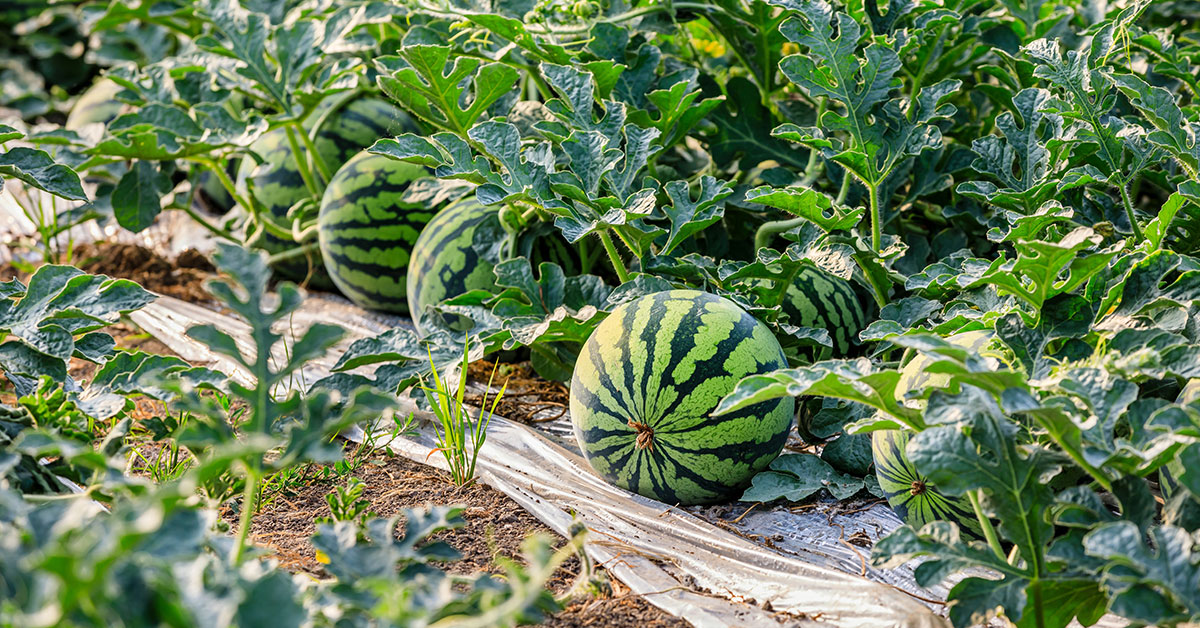

Growing watermelons can be a delightful experience, especially when you get to savor the sweet, juicy fruit you’ve nurtured from a tiny seed. However, watermelons can be somewhat challenging to grow due to their long growing season and specific care requirements. As a gardener, knowing how to properly cultivate watermelons can make all the difference in achieving a successful and bountiful harvest.
In this article, I’ll answer the top ten questions about growing watermelons, providing detailed insights and tips to help you cultivate these delicious fruits. From planting to harvesting, these expert answers will guide you through the entire process. Let’s dive into the world of watermelons and get your garden thriving with these summertime favorites!
When Is the Best Time to Plant Watermelons?
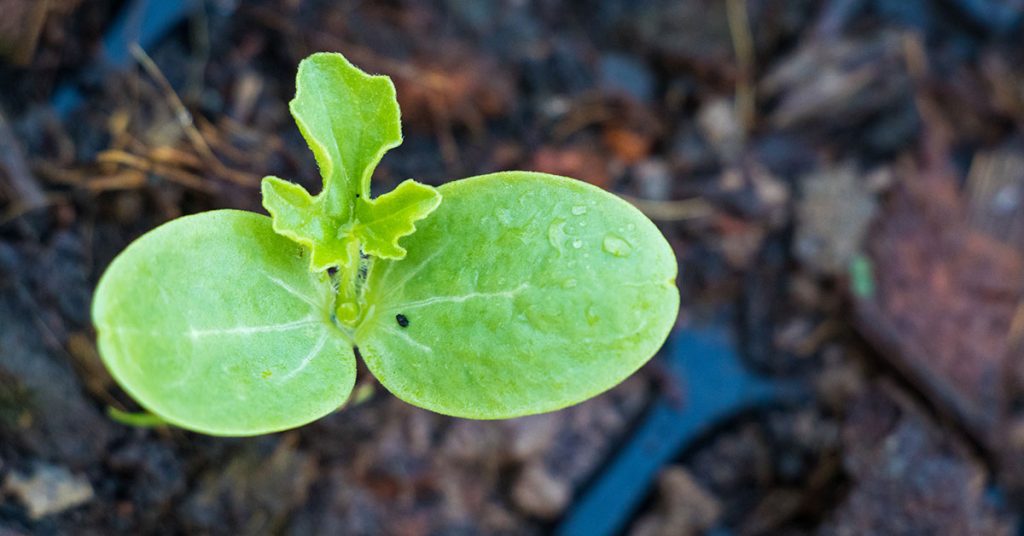
Watermelons are warm-season crops that require a long growing season with plenty of sunshine and warm temperatures. The best time to plant watermelons is after the danger of frost has passed and the soil has warmed to at least 70°F (21°C). This is typically in late spring to early summer, depending on your local climate.
One of my favorite tips is to start watermelon seeds indoors about 3-4 weeks before the last expected frost date. This gives the plants a head start and allows you to transplant sturdy seedlings into the garden once the weather is consistently warm. Transplant seedlings carefully to avoid disturbing their roots, which can stunt their growth. By timing your planting correctly, you’ll set the stage for a bountiful watermelon harvest.
How Should I Prepare the Soil for Watermelons?
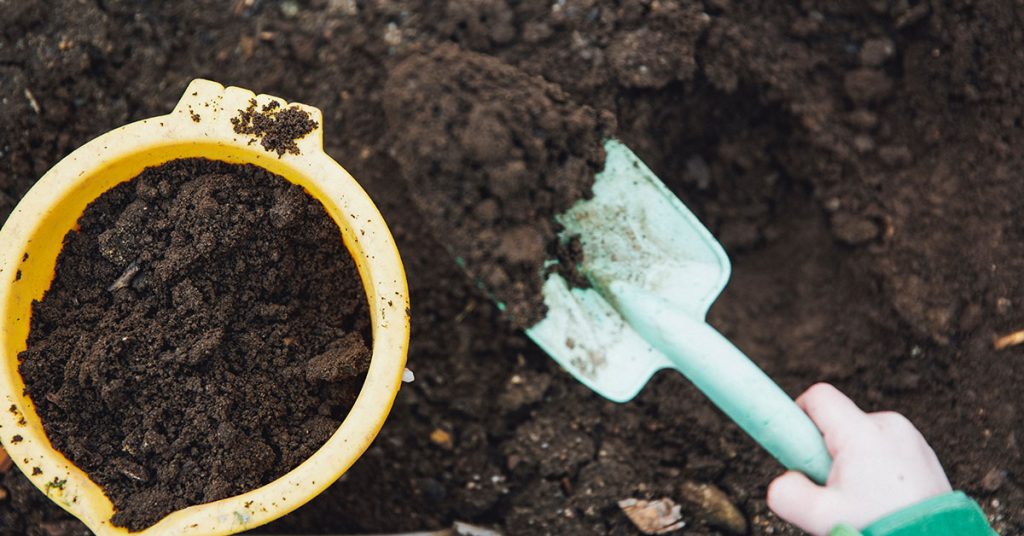
Watermelons thrive in well-drained, sandy loam soil with a pH between 6.0 and 7.0. Before planting, prepare the soil by removing any rocks or debris and working in plenty of organic matter, such as compost or well-rotted manure. This improves soil structure and fertility, providing the ideal environment for watermelon roots to develop.
Ensure the soil is loose and well-aerated, as compacted soil can hinder root growth and water penetration. If your soil is heavy clay or tends to retain water, consider planting watermelons in raised beds or hills to improve drainage. Proper soil preparation is key to growing healthy, vigorous watermelon plants that produce large, sweet fruit.
How Often Should I Water My Watermelons?
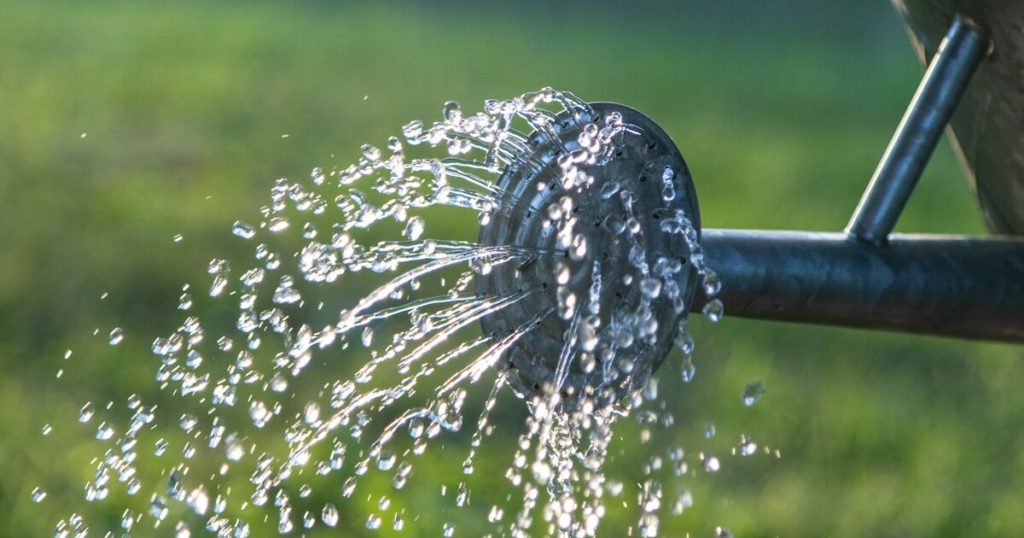
Watermelons require consistent moisture to grow well, especially during the flowering and fruiting stages. Aim to provide about 1-2 inches of water per week, depending on weather conditions. Water deeply and less frequently to encourage deep root growth, which helps the plants access moisture during dry spells.
Water watermelons in the morning to reduce the risk of fungal diseases and allow the foliage to dry out during the day. Using drip irrigation or a soaker hose can deliver water directly to the soil, minimizing wet foliage. As the fruit begins to ripen, reduce watering to prevent the fruit from becoming waterlogged and splitting. Consistent, deep watering is crucial for healthy watermelon growth and fruit development.
What Are the Common Pests and How Do I Control Them?
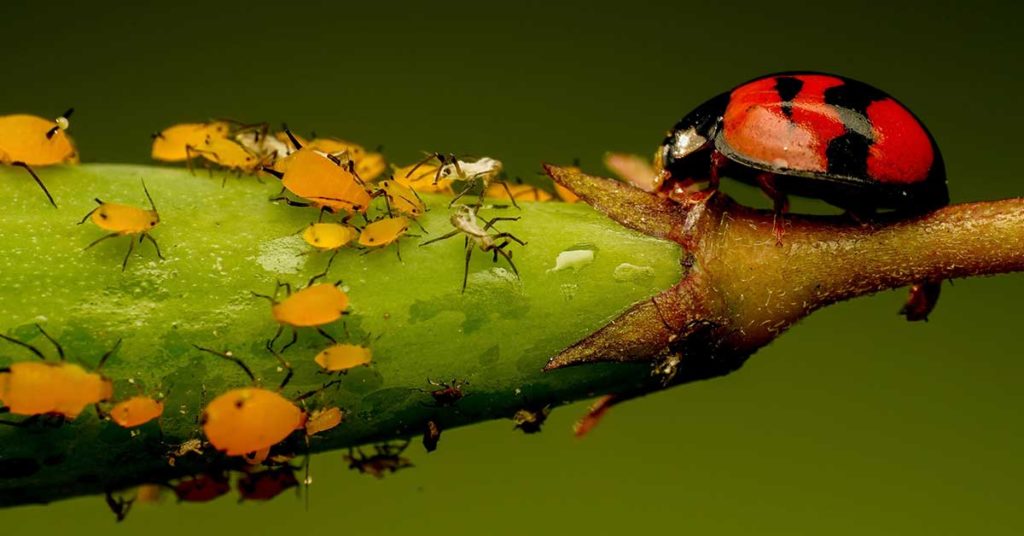
Watermelons can attract a variety of pests, including aphids, cucumber beetles, and squash bugs. Regularly inspect your plants for signs of pest activity, such as holes in the leaves, wilting, or sticky residue. Early detection and intervention are key to preventing severe infestations.
Introducing beneficial insects, such as ladybugs and lacewings, can help control pest populations naturally. For heavier infestations, consider using organic insecticides like neem oil or insecticidal soap. Crop rotation and interplanting with pest-repelling plants, like marigolds and nasturtiums, can also help reduce pest problems. Maintaining a healthy, pest-free environment is essential for successful watermelon cultivation.
How Can I Prevent Diseases in My Watermelon Plants?
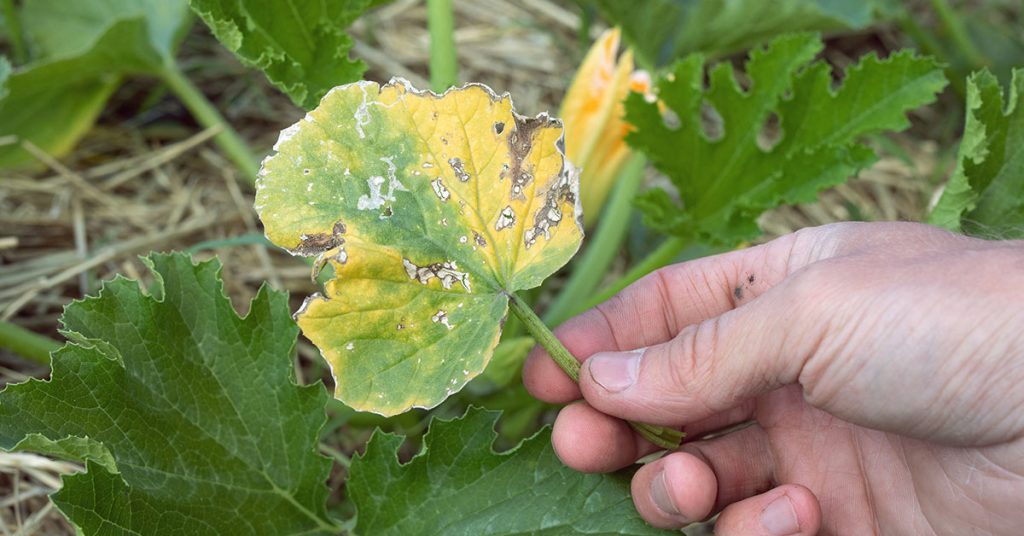
Preventing diseases in watermelon plants starts with selecting disease-resistant varieties and practicing good garden hygiene. Watermelons are susceptible to fungal diseases such as powdery mildew and fusarium wilt, which thrive in wet, poorly drained conditions. Ensure proper spacing between plants to promote good air circulation and reduce humidity around the plants.
Water watermelons at the base of the plants to keep the foliage dry and reduce the risk of fungal infections. Rotate crops yearly, avoiding planting watermelons in the same spot where other cucurbit family crops (like squash and cucumbers) have grown in the past two years. Removing any diseased plant material promptly can prevent the spread of pathogens. These practices help maintain a healthy environment for your watermelon plants.
Should I Prune My Watermelon Plants?
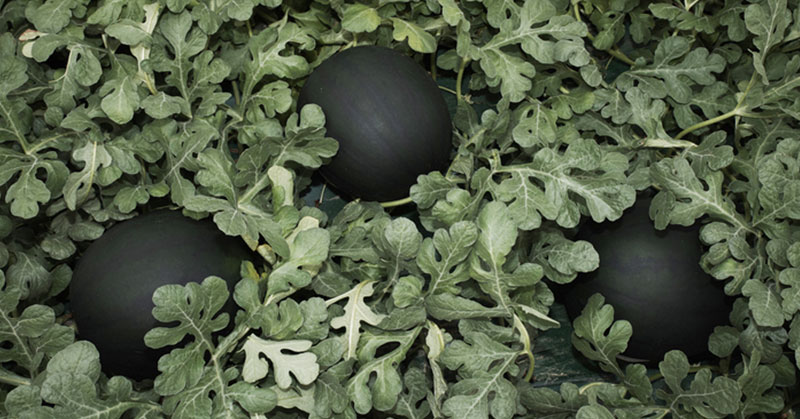
Pruning watermelon plants can help improve air circulation, reduce disease risk, and encourage the plant to focus on fruit production. Remove any dead or yellowing leaves and any secondary vines that grow beyond the main vine. This helps direct the plant’s energy toward developing fruit rather than excess foliage.
Additionally, limiting the number of fruits on each plant can result in larger, sweeter watermelons. Typically, 2-3 fruits per plant are ideal. Prune off any additional fruits and secondary vines to allow the plant to concentrate its resources on the remaining watermelons. Proper pruning and management can lead to healthier plants and better-quality fruit.
How Can I Improve Pollination?
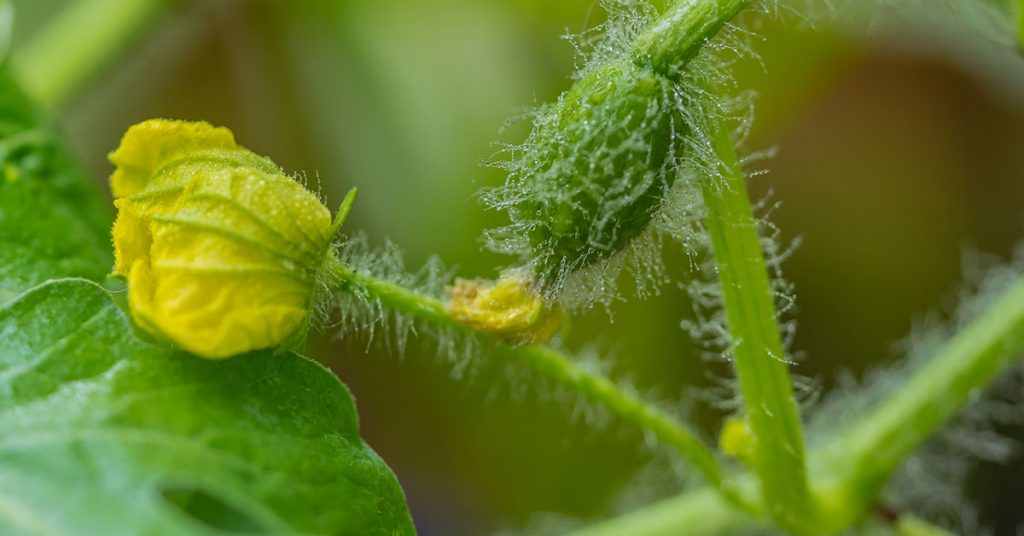
Watermelons require good pollination to produce fruit, as they are pollinated by bees and other insects. Planting flowers such as marigolds, zinnias, and sunflowers nearby can attract pollinators to your garden. You can also hand-pollinate by transferring pollen from the male flowers to the female flowers using a small brush or cotton swab.
Ensuring good air circulation around your plants can also help with natural pollination. If you notice poor fruit set or deformed fruits, it might be due to poor pollination. By encouraging more pollinators and assisting with manual pollination, you can maximize the number of healthy watermelons your plants produce.
When and How Should I Fertilize My Watermelons?
Watermelons are heavy feeders and benefit from regular fertilization. Start by incorporating a balanced fertilizer into the soil at planting time. Once the plants start to vine, switch to a fertilizer with higher phosphorus and potassium content to support fruit development. Apply liquid fertilizers every 2-3 weeks or use slow-release granular fertilizers according to the package instructions.
Avoid over-fertilizing with nitrogen, as this can lead to lush foliage but fewer fruits. Organic options like compost tea or fish emulsion provide essential nutrients and improve soil health. Always follow the recommended application rates to prevent nutrient imbalances and ensure healthy, productive plants.
How Do I Know When My Watermelons Are Ready to Harvest?
Knowing when to harvest your watermelons ensures the best flavor and sweetness. One of the most reliable indicators is the tendril nearest the fruit, which will turn brown and dry out when the watermelon is ripe. Additionally, the underside of the fruit that rests on the ground will change from white to a creamy yellow color.
Another method is to gently thump the watermelon with your knuckles. A ripe watermelon will produce a deep, hollow sound. The skin of a ripe watermelon will also become dull and resistant to penetration by your thumbnail. Harvest watermelons by cutting the stem with a sharp knife, leaving a small portion of the stem attached to the fruit. Enjoy your freshly harvested watermelons soon after picking for the best flavor and texture.
What Varieties of Watermelons Should I Grow?

The variety of watermelons you choose to grow depends on your taste preferences and growing conditions. Popular varieties include ‘Sugar Baby,’ known for its small, sweet fruit, and ‘Crimson Sweet,’ which produces large, juicy watermelons with a classic flavor. For something different, consider growing seedless varieties like ‘Seedless Wonder’ or unique types like the yellow-fleshed ‘Yellow Crimson.’
Selecting early-maturing varieties, such as ‘Bush Sugar Baby,’ can be beneficial if you have a shorter growing season. Experimenting with different types can add variety and interest to your garden and table. Choosing the right varieties for your garden ensures a diverse and enjoyable watermelon harvest.