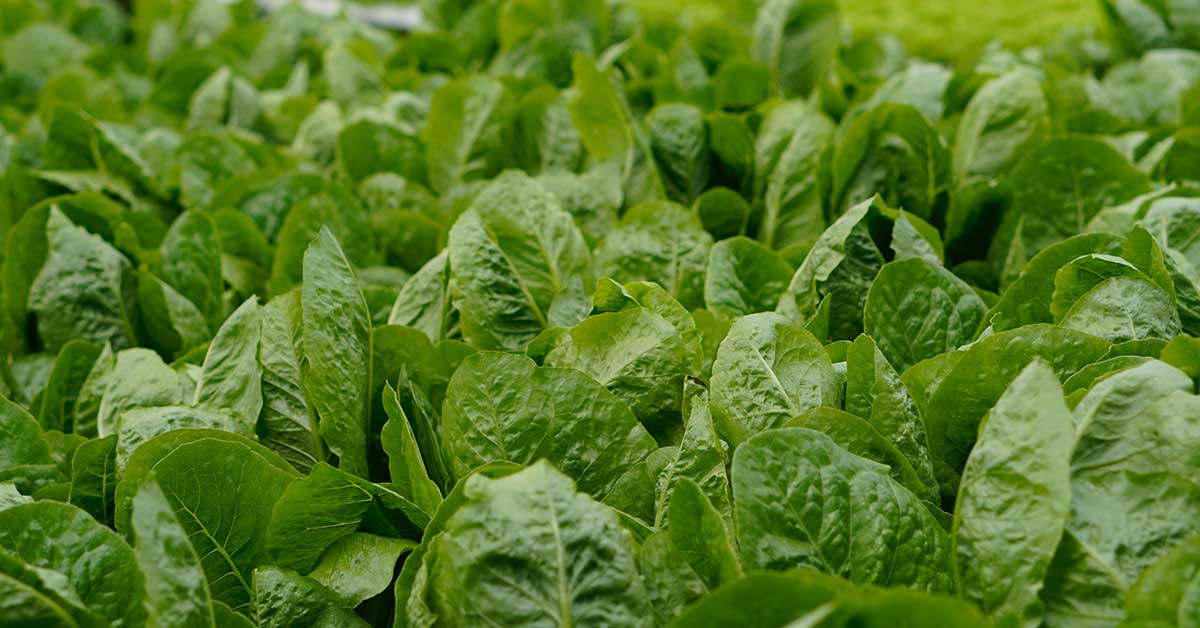

Spinach is a versatile and nutrient-dense leafy green that’s perfect for any garden. Whether you’re growing it for salads, smoothies, or cooked dishes, spinach can provide a delicious and healthy addition to your meals. However, growing spinach can sometimes be challenging due to issues like pests, bolting, or soil conditions. As an enthusiastic gardener, I’m here to share expert tips and insights to help you successfully grow this wonderful plant.
In this article, I’ll answer the top ten questions about growing spinach, offering detailed advice to guide you through every step of the process. From planting to harvesting, these expert tips will ensure your spinach plants thrive. Let’s dive into the world of growing spinach and discover how to achieve a bountiful harvest!
When Is the Best Time to Plant Spinach?
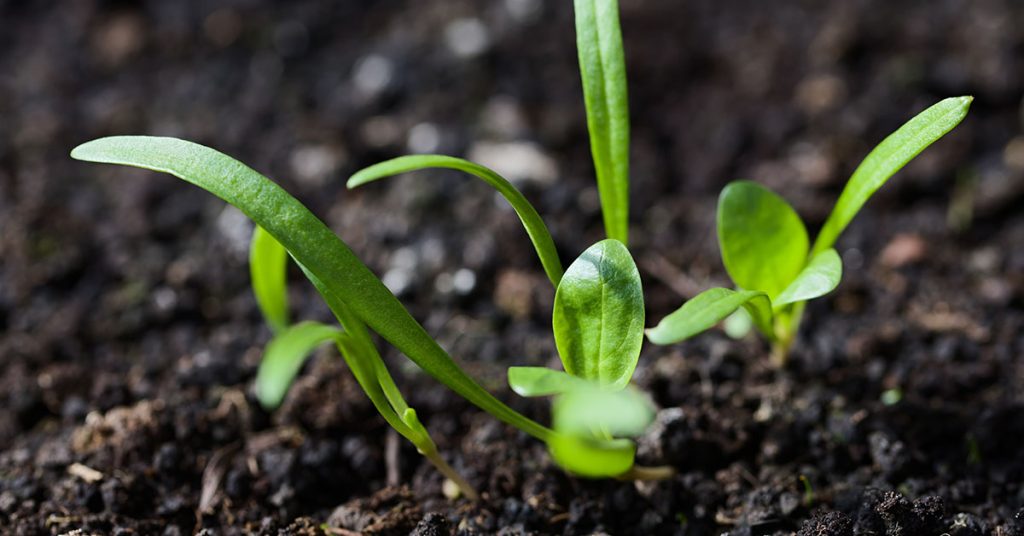
Spinach is a cool-season crop that thrives in cooler temperatures. The best time to plant spinach is in early spring, as soon as the soil can be worked, or in late summer for a fall harvest. In most regions, you can plant spinach seeds directly in the garden 4-6 weeks before the last expected frost date in spring or 6-8 weeks before the first expected frost date in fall.
One of the great things about spinach is its tolerance for cold weather. Spinach can even survive light frosts, which can enhance its flavor. If you live in a region with mild winters, you can also plant spinach in the fall for a winter harvest. By timing your plantings correctly, you can enjoy fresh spinach almost year-round.
How Should I Prepare the Soil for Spinach?
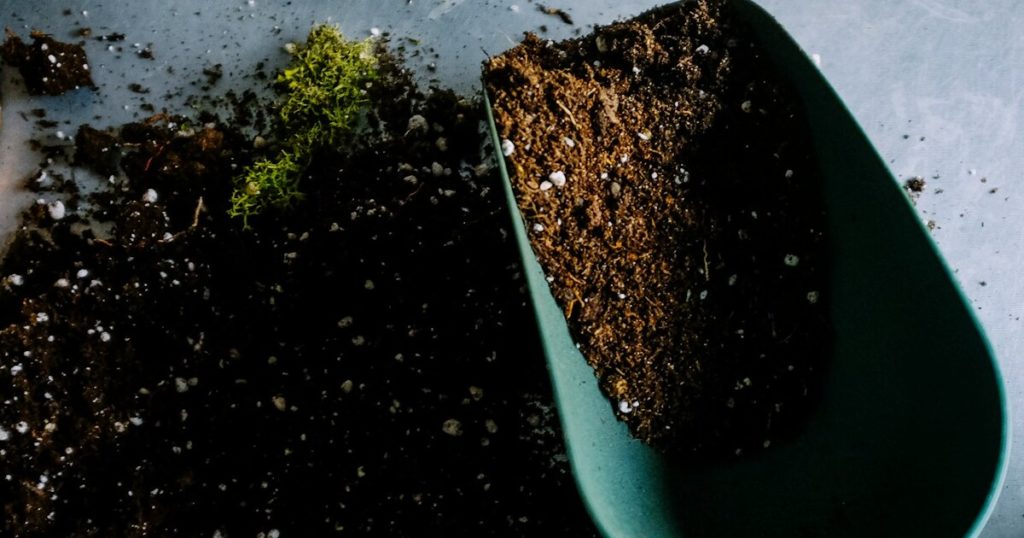
Spinach prefers well-drained, fertile soil with a pH between 6.0 and 7.5. Before planting, prepare the soil by working in plenty of organic matter, such as compost or well-rotted manure. This not only improves soil structure and fertility but also helps retain moisture, which is crucial for spinach growth. Avoid using fresh manure, as it can burn young plants and introduce pathogens.
Conduct a soil test to determine the pH and nutrient levels, adjusting as necessary. If the soil is too acidic, you can add lime to raise the pH. Spinach also benefits from a balanced fertilizer applied at planting time. By ensuring your soil is rich and well-prepared, you provide the optimal conditions for your spinach to thrive.
How Often Should I Water My Spinach?
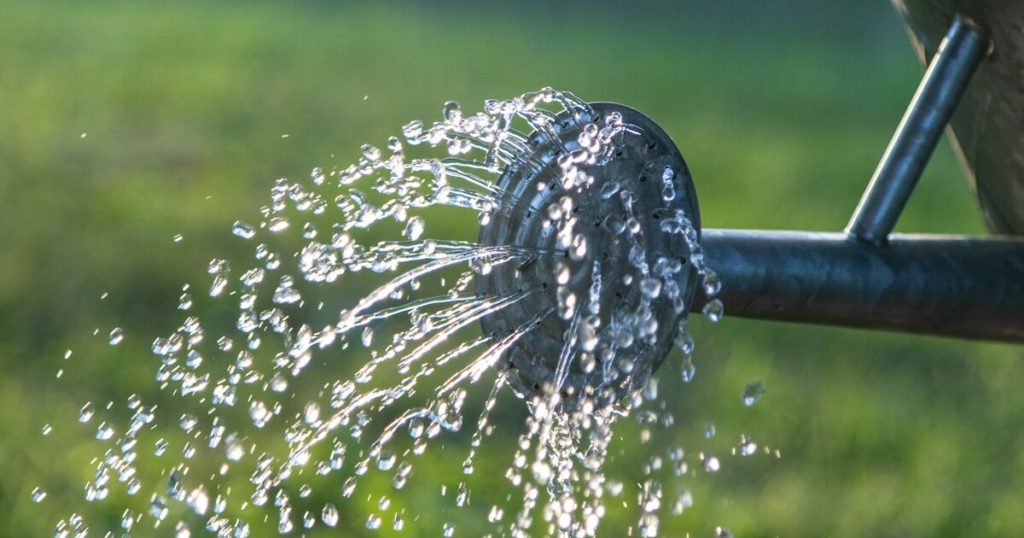
Consistent moisture is key to growing healthy spinach. Spinach plants need about 1-1.5 inches of water per week, depending on rainfall and soil conditions. It’s essential to keep the soil consistently moist but not waterlogged. Mulching around the plants can help retain soil moisture and keep the roots cool, especially during warmer weather.
Water your spinach early in the day to reduce the risk of fungal diseases and allow the foliage to dry out before nightfall. Avoid overhead watering, as wet leaves can promote disease. Instead, use drip irrigation or a soaker hose to deliver water directly to the soil. By maintaining consistent moisture, you can ensure your spinach plants stay healthy and productive.
How Can I Prevent Spinach from Bolting?
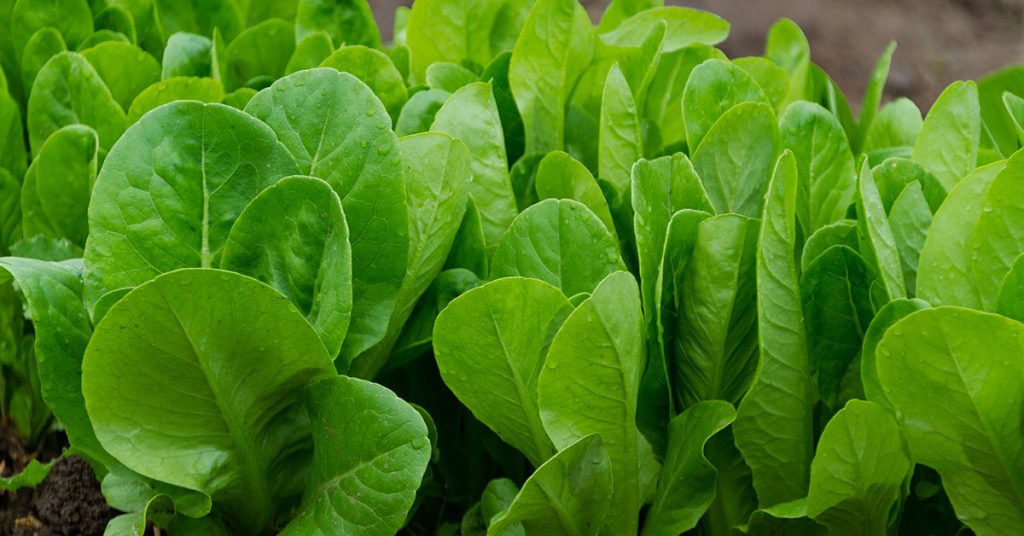
Bolting occurs when spinach plants start to flower and set seed prematurely, usually triggered by warm temperatures and long daylight hours. To prevent bolting, plant spinach in early spring or late summer when temperatures are cooler. Choose bolt-resistant spinach varieties, such as ‘Bloomsdale Long Standing’ or ‘Tyee,’ which are more tolerant of warmer conditions.
Providing shade during hot weather can also help reduce the risk of bolting. Use shade cloth or plant taller crops nearby to create a cooler environment for your spinach. Additionally, keeping the soil consistently moist and mulching can help regulate soil temperature and prevent stress that may lead to bolting. By managing growing conditions carefully, you can extend your spinach harvest and enjoy more leafy greens.
What Are the Common Pests and How Do I Control Them?

Spinach can be affected by several pests, including aphids, leaf miners, and slugs. Aphids are small, sap-sucking insects that can cause leaves to curl and distort. To control aphids, introduce beneficial insects like ladybugs and lacewings, or spray with insecticidal soap. Leaf miners tunnel through spinach leaves, creating unsightly trails. Floating row covers can prevent adult flies from laying eggs on the plants.
Slugs and snails are common pests in damp conditions, feeding on spinach leaves and leaving holes. Handpicking, setting up slug traps, and using diatomaceous earth around the plants can help control these pests. Regularly inspecting your spinach and taking early action can keep pest populations under control and ensure a healthy crop.
How Can I Prevent Diseases in My Spinach Plants?
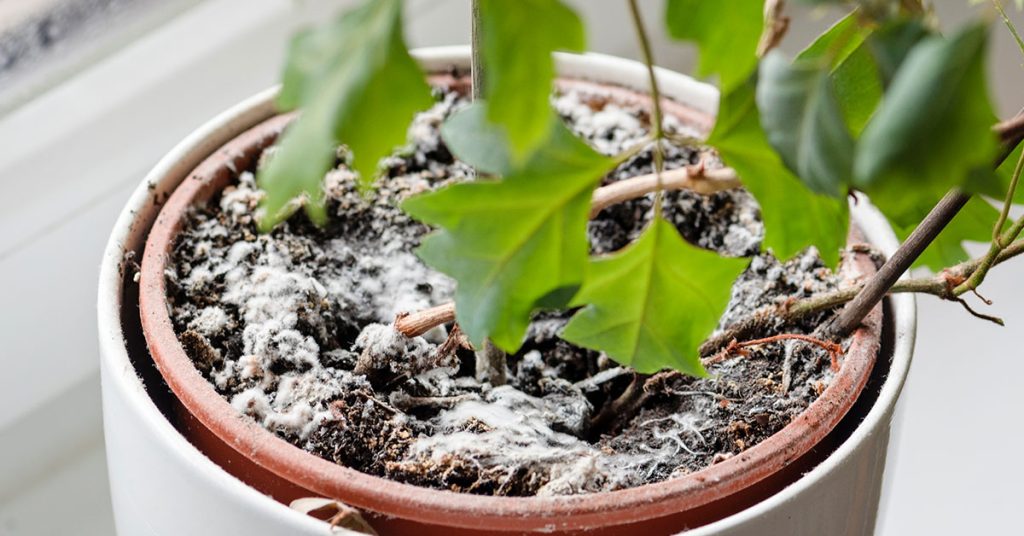
Spinach is susceptible to several diseases, including downy mildew, leaf spot, and Fusarium wilt. Preventing these diseases starts with selecting disease-resistant varieties and practicing good garden hygiene. Avoid overhead watering to keep the foliage dry and reduce the risk of fungal diseases. Water at the base of the plants using drip irrigation or a soaker hose.
Rotate crops yearly, avoiding planting spinach in the same spot where other leafy greens have grown in the past few years. This helps reduce the buildup of soil-borne pathogens. Ensure proper spacing between plants to promote good air circulation, and remove and dispose of any infected plants promptly. Healthy gardening practices and vigilant monitoring are key to preventing and managing spinach diseases.
When and How Should I Fertilize My Spinach?
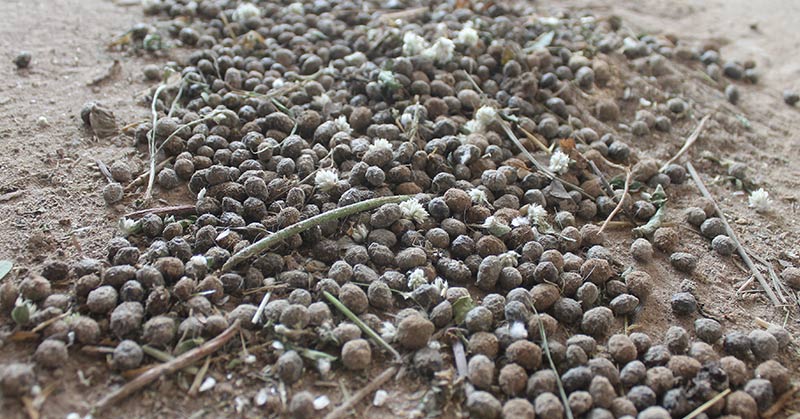
Spinach is a heavy feeder and benefits from regular fertilization. Before planting, incorporate a balanced fertilizer or compost into the soil to provide essential nutrients. Once the plants are established, side-dress with a nitrogen-rich fertilizer, such as fish emulsion or blood meal, every 2-3 weeks to promote healthy leaf growth.
Avoid over-fertilizing, as too much nitrogen can lead to lush foliage but weak roots. Follow the recommended application rates and water the fertilizer in well to ensure it reaches the root zone. Organic options like compost tea are excellent for providing nutrients without the risk of over-fertilization. Proper fertilization supports vigorous growth and improves your spinach harvest.
How Do I Harvest Spinach?
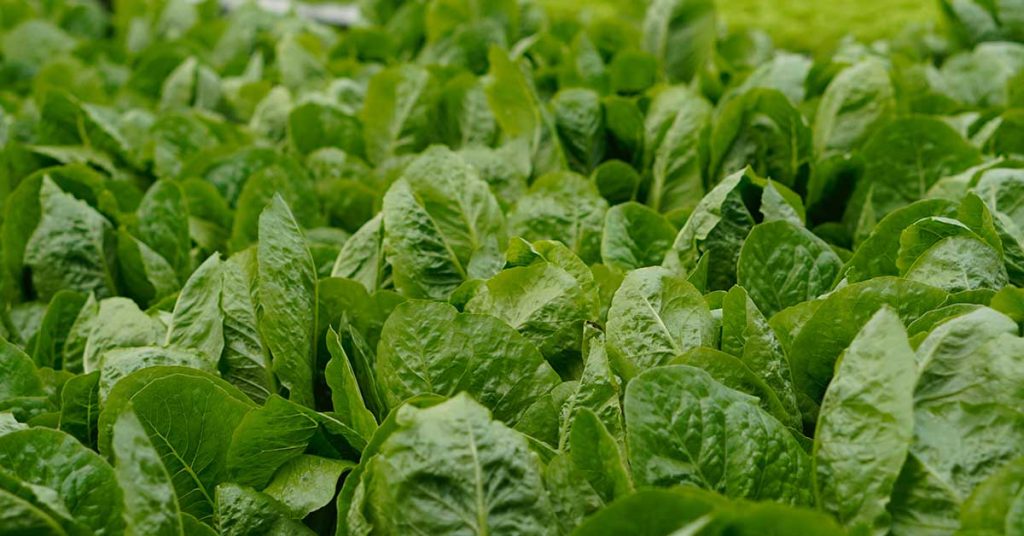
Knowing when and how to harvest spinach ensures you get the best quality and flavor. You can start harvesting spinach leaves as soon as they are large enough to eat, usually about 4-6 weeks after planting. For baby spinach, pick the outer leaves when they reach 2-4 inches in length. For mature leaves, wait until they are about 4-6 inches long.
To harvest, use scissors or a sharp knife to cut the outer leaves about 1 inch above the soil, allowing the inner leaves to continue growing. This method, known as “cut and come again,” allows you to harvest multiple times from the same plant. For a full harvest, cut the entire plant at the base. Regular harvesting encourages new growth and extends the harvest period.
How Should I Store Harvested Spinach?
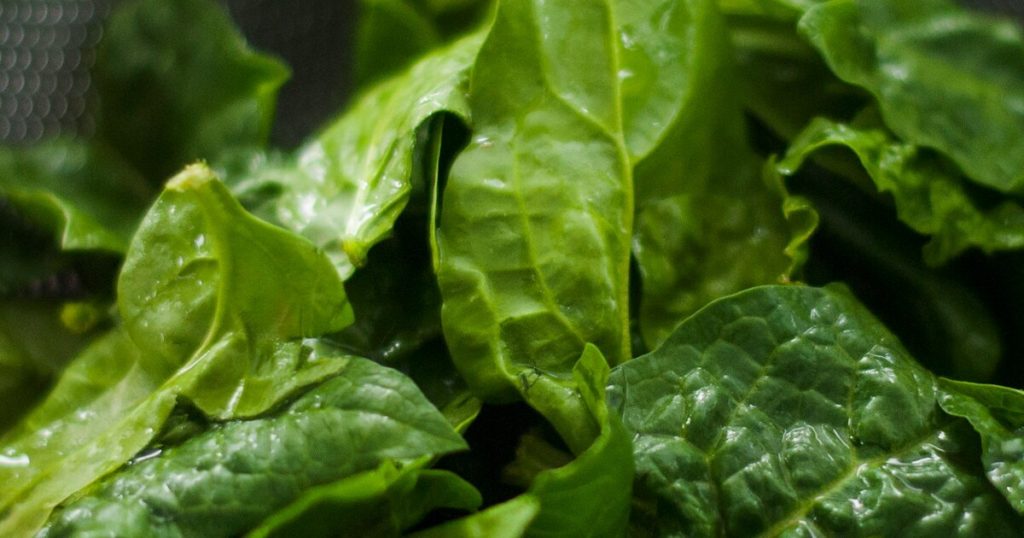
Proper storage is essential to keep your harvested spinach fresh and crisp. After harvesting, rinse the leaves to remove any dirt or debris and let them dry completely. Store the spinach in a plastic bag or a container with a loose-fitting lid in the refrigerator. Adding a paper towel to the bag can help absorb excess moisture and keep the leaves fresh.
For longer storage, spinach can be blanched and frozen. To blanch, briefly boil the leaves for 2 minutes, then plunge them into ice water to stop the cooking process. Drain and pack the spinach into airtight containers or freezer bags. Properly stored spinach retains its flavor and nutritional value, providing a delicious addition to your meals.
What Varieties of Spinach Should I Grow?
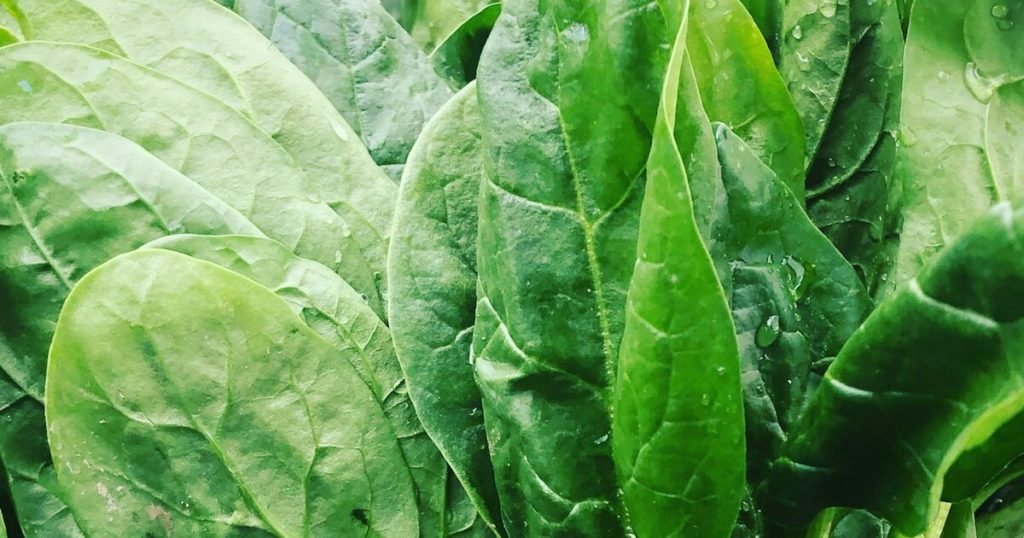
Choosing the right spinach variety depends on your growing conditions and culinary preferences. For cool-season planting, try classic varieties like ‘Bloomsdale Long Standing’ or ‘Tyee,’ which are known for their bolt resistance and excellent flavor. If you’re looking for a fast-growing variety, ‘Space’ is a great option, maturing in just 39 days.
For a unique twist, consider growing Asian spinach varieties like ‘Tatsoi’ or ‘Komatsuna,’ which offer slightly different flavors and textures. These varieties are also more heat-tolerant, making them suitable for warmer climates. Experimenting with different types of spinach can add variety to your garden and your meals, ensuring a continuous supply of fresh, nutritious greens.