

Growing radishes is a delight for gardeners of all levels. These fast-growing, vibrant vegetables add a spicy crunch to salads and dishes and can be harvested in as little as three weeks! Whether you’re a beginner or a seasoned gardener, radishes are a rewarding crop that offers quick results. However, to achieve the best quality and flavor, there are a few important factors to consider.
In this article, I’ll answer the top ten questions about growing radishes, providing detailed insights and tips to help you cultivate a successful radish crop. From planting to harvesting, these expert answers will guide you through the entire process. Let’s dive into the wonderful world of radishes and get your garden thriving!
When Is the Best Time to Plant Radishes?

Radishes are cool-season crops, meaning they thrive in cooler temperatures. The best time to plant radishes is in early spring and again in late summer to early fall. In spring, sow seeds as soon as the soil can be worked, which is typically 4-6 weeks before the last expected frost. For a fall crop, plant radishes 4-6 weeks before the first expected frost.
One of my favorite aspects of growing radishes is their quick turnaround time. Since they mature in just a few weeks, you can enjoy multiple harvests throughout the growing season. Radishes don’t perform well in hot weather, as high temperatures can cause them to bolt and become pithy. By planting them during the cooler parts of the year, you’ll ensure a crisp, flavorful harvest.
How Should I Prepare the Soil for Radishes?
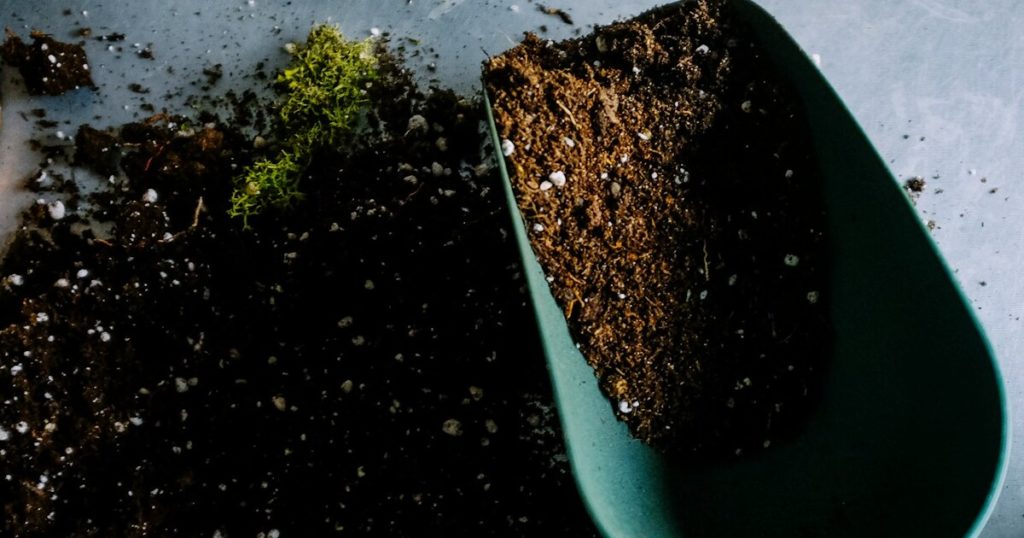
Radishes prefer loose, well-drained soil with a pH between 6.0 and 7.0. Before planting, prepare the soil by removing any rocks or debris and working in plenty of organic matter, such as compost or well-rotted manure. This improves soil structure and fertility, providing the ideal environment for radish roots to develop.
Ensure the soil is not compacted, as radishes need loose soil to grow properly. If your soil is heavy clay or tends to retain water, consider planting radishes in raised beds or containers to improve drainage. Proper soil preparation is key to growing healthy radishes with smooth, well-formed roots.
How Often Should I Water My Radishes?
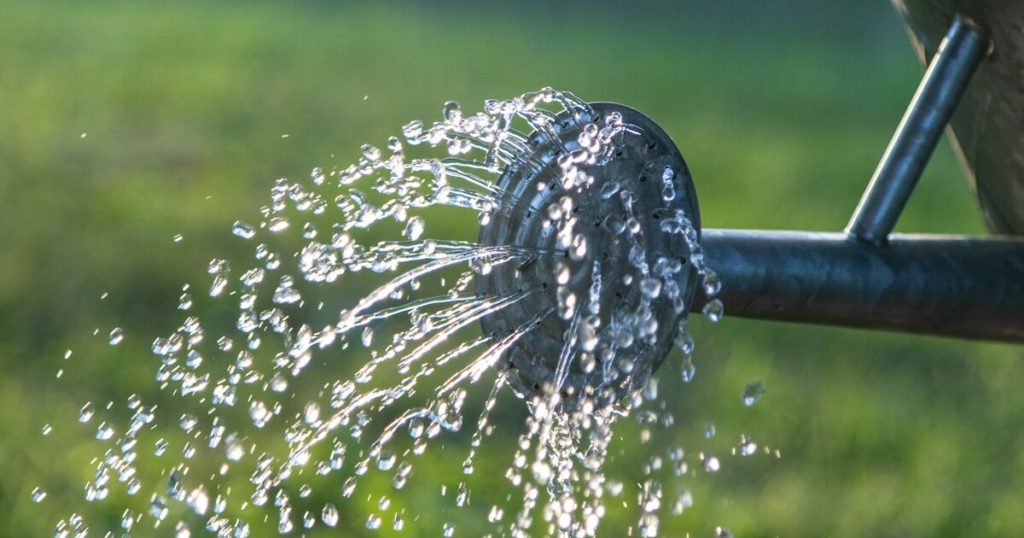
Radishes require consistent moisture to grow well. Water them regularly, ensuring the soil stays evenly moist but not waterlogged. Aim to provide about 1 inch of water per week, adjusting based on rainfall and soil conditions. Watering deeply and less frequently encourages deep root growth, which helps the plants access moisture more effectively.
Watering in the morning is best, as it allows the foliage to dry out during the day and reduces the risk of fungal diseases. Mulching around the radish plants can help retain soil moisture and regulate soil temperature. By maintaining consistent moisture, you’ll ensure your radishes grow quickly and develop the best flavor and texture.
What Are the Common Pests and How Do I Control Them?

Radishes can attract a few common pests, including flea beetles, root maggots, and aphids. Regularly inspect your plants for signs of pest activity, such as holes in the leaves or stunted growth. Flea beetles can be particularly troublesome, causing tiny holes in the leaves that can reduce plant vigor.
To control pests, consider using row covers to protect your radish plants from insects. Introducing beneficial insects, like ladybugs and predatory nematodes, can help control aphid populations naturally. For flea beetles, applying diatomaceous earth around the plants can deter them. Keeping the garden clean and removing any plant debris can also reduce pest habitats. By staying vigilant and using a combination of methods, you can keep your radishes healthy and pest-free.
How Can I Prevent Diseases in My Radish Plants?
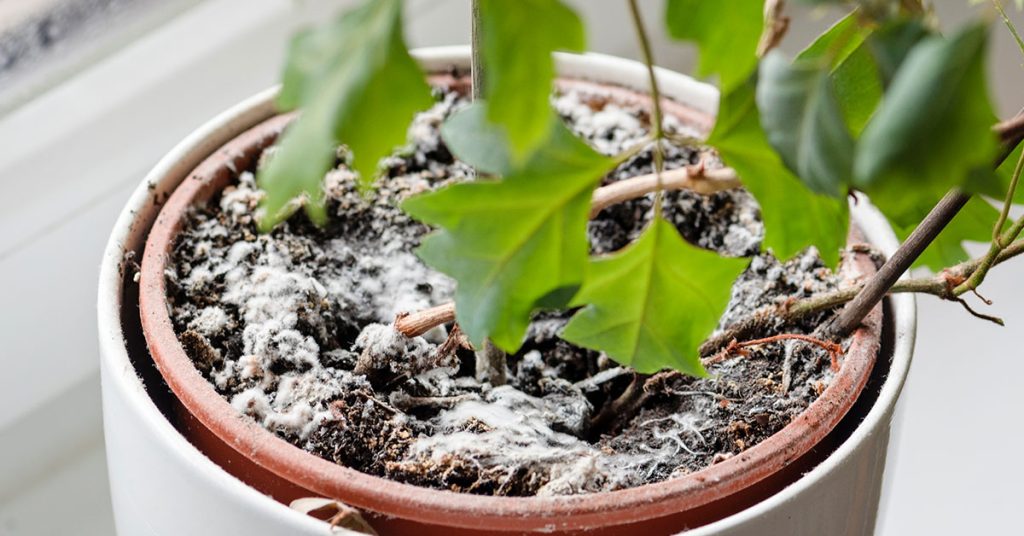
Preventing diseases in radish plants starts with good garden hygiene and proper growing practices. Radishes are susceptible to fungal diseases such as downy mildew and root rot, which thrive in wet, poorly drained conditions. Ensure proper spacing between plants to promote good air circulation and reduce humidity around the plants.
Water radishes at the base of the plants to keep the foliage dry and reduce the risk of fungal infections. Rotate crops yearly, avoiding planting radishes in the same spot where other brassicas have grown in the past two years. Removing any diseased plant material promptly can prevent the spread of pathogens. These practices help maintain a healthy environment for your radish plants.
Should I Thin My Radish Seedlings?
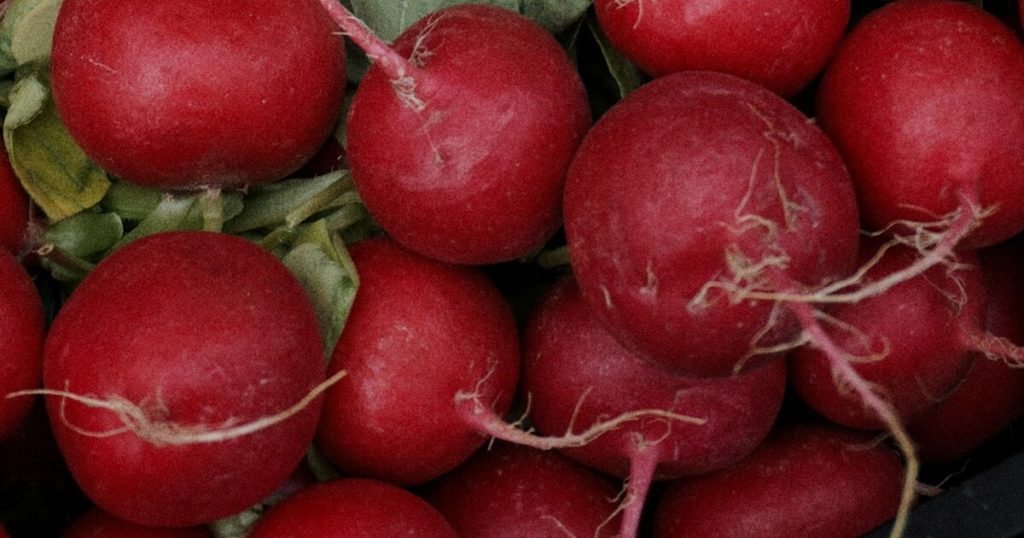
Thinning radish seedlings is crucial for proper root development. Once the seedlings are a few inches tall, thin them to about 2 inches apart, depending on the variety. This ensures that each plant has enough space to grow and develop a well-formed root. Crowded plants compete for nutrients, water, and light, resulting in smaller, less desirable roots.
Thinning can be done by gently pulling out the excess seedlings or snipping them at the soil line with scissors to avoid disturbing the roots of the remaining plants. Proper spacing is key to growing healthy radishes with the best size and quality. By thinning your seedlings, you’ll ensure that each radish has enough room to thrive.
How Do I Know When My Radishes Are Ready to Harvest?
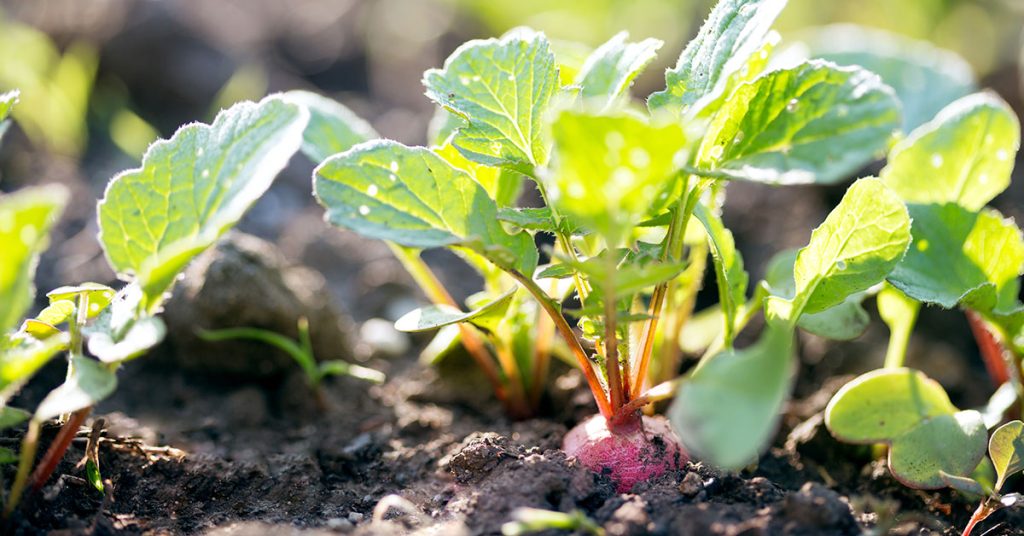
Radishes are ready to harvest when they reach their mature size, which varies depending on the variety. Generally, this is about 3-4 weeks after planting. The roots should be firm and about 1 inch in diameter for most varieties. You can gently pull one or two radishes to check their size and readiness.
Harvest radishes promptly, as they can become pithy and woody if left in the ground too long. If you notice the tops beginning to push out of the soil, it’s a good sign they are ready to be harvested. Use a garden fork or your hands to carefully lift the radishes from the soil. Enjoy your fresh, crisp radishes soon after harvesting for the best flavor and texture.
Can I Grow Radishes Indoors?
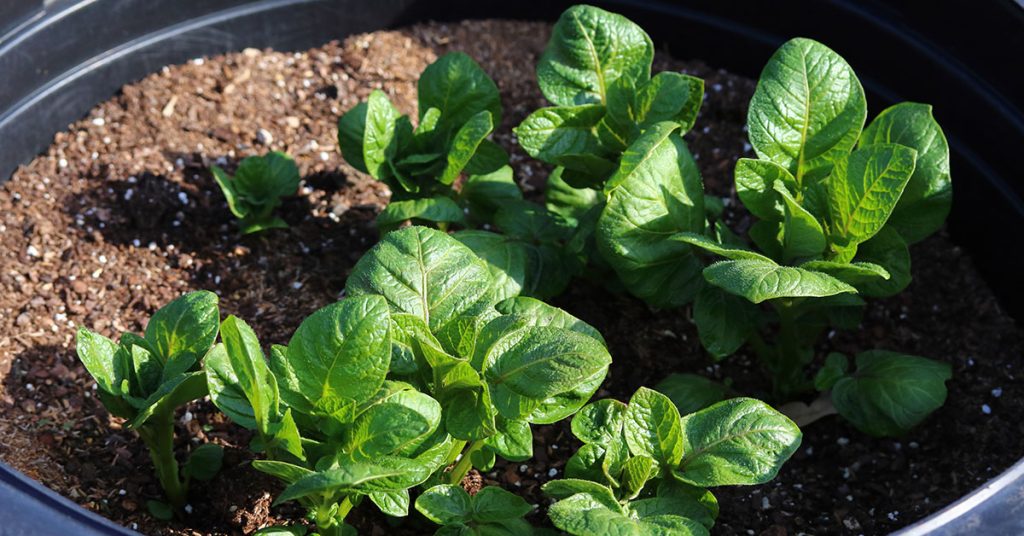
Yes, you can grow radishes indoors! They are one of the few root vegetables that can be successfully grown indoors, provided they receive enough light. Use a deep container with good drainage and fill it with loose, well-drained soil. Plant the seeds about 1/2 inch deep and keep the soil consistently moist.
Place the container in a sunny spot where the radishes can receive at least 6 hours of direct sunlight per day. Alternatively, use grow lights to provide the necessary light. Radishes grown indoors will still mature quickly, typically in about 4 weeks. Indoor gardening allows you to enjoy fresh radishes year-round, regardless of the outdoor weather conditions.
What Varieties of Radishes Should I Grow?

There are many varieties of radishes to choose from, each with its unique flavor, color, and shape. For a classic radish, the Cherry Belle variety is a popular choice, known for its bright red skin and crisp, white flesh. If you’re looking for something different, consider growing Easter Egg radishes, which come in a mix of colors including purple, pink, and white.
Daikon radishes, such as the Miyashige White variety, are long and white with a milder flavor, making them ideal for pickling and Asian dishes. French Breakfast radishes are another favorite, with their elongated shape and mild, slightly sweet flavor. Experimenting with different varieties can add diversity and interest to your garden and kitchen.
How Can I Store My Harvested Radishes?

Storing radishes properly ensures they stay fresh and crisp for as long as possible. After harvesting, remove the greens to prevent them from drawing moisture away from the roots. Wash the radishes thoroughly to remove any soil and pat them dry. Place the radishes in a plastic bag or a sealed container with a damp paper towel to maintain humidity.
Store the radishes in the refrigerator, where they can stay fresh for up to two weeks. If you want to extend their shelf life, consider pickling the radishes. Pickled radishes can last for several months and add a tangy, crunchy element to salads and sandwiches. Proper storage techniques will allow you to enjoy your radish harvest for weeks to come.