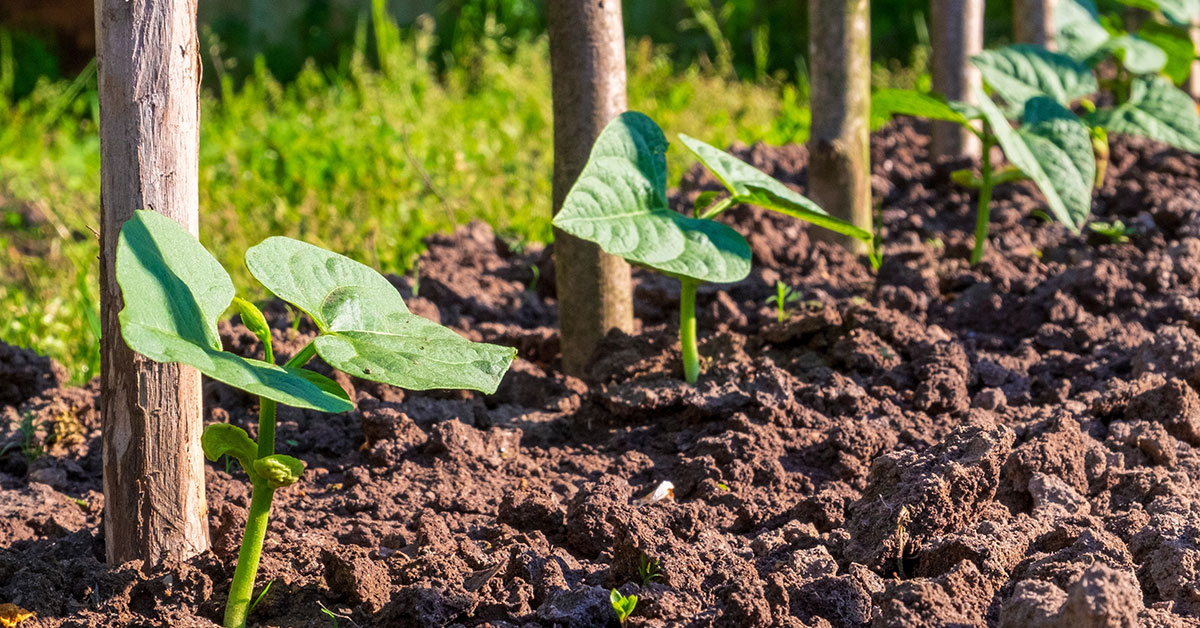

Growing green beans can be incredibly rewarding, whether you’re a novice gardener or an experienced green thumb. These versatile vegetables are a staple in many gardens due to their easy-growing nature and delicious taste. However, to achieve a bountiful harvest, it’s essential to understand the specific needs of green beans. From planting tips to pest management, getting the answers to your most pressing questions can make all the difference.
In this article, I’ll address the top ten questions about growing green beans, providing detailed answers to help you cultivate healthy, productive plants. Let’s dive into the world of green beans and explore how to maximize your yield and enjoy a successful gardening season!
What Are the Best Varieties of Green Beans to Grow?

There are two main types of green beans: bush beans and pole beans. Bush beans are compact and do not require support, making them ideal for smaller spaces and container gardens. Some popular bush bean varieties include ‘Blue Lake Bush’, ‘Provider’, and ‘Contender’. These beans mature quickly, usually in about 50-60 days, and produce a concentrated harvest over a few weeks.
Pole beans, on the other hand, are climbing plants that need a trellis or support system. They tend to produce higher yields over a longer period, which can be advantageous if you want a steady supply of beans throughout the season. Some excellent pole bean varieties are ‘Kentucky Wonder’, ‘Scarlet Runner’, and ‘Blue Lake Pole’. Choose the variety that best suits your garden space and harvesting preferences for a successful green bean crop.
When Should I Plant Green Beans?
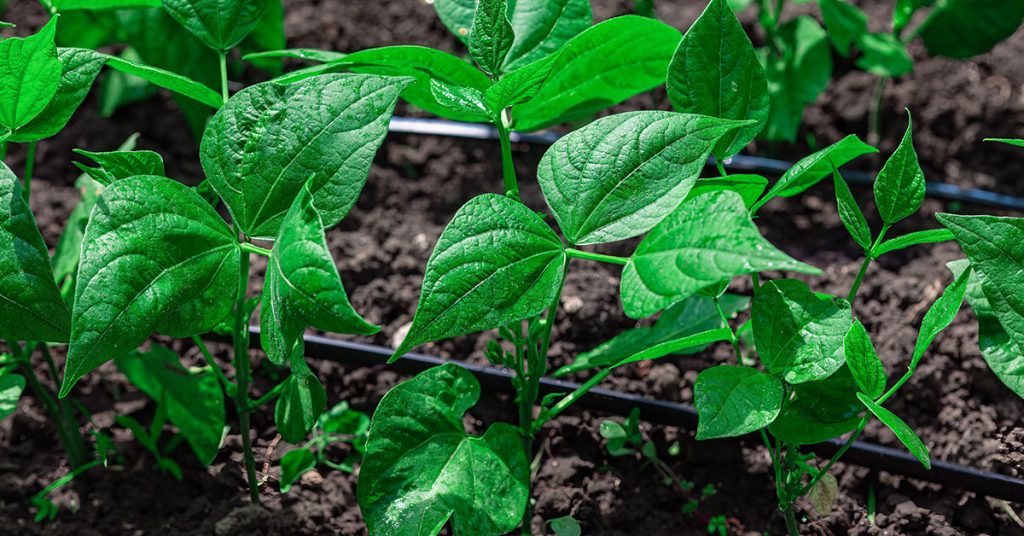
Green beans thrive in warm soil and should be planted after the last frost date in your area. They need soil temperatures of at least 60°F (15°C) to germinate properly. In most regions, this means planting green beans in late spring. It’s a good idea to wait until the soil has warmed up sufficiently to ensure successful germination and early growth.
One of my favorite tips is to plant green beans in succession, every two weeks, to extend the harvest period. This way, you can enjoy fresh beans throughout the summer and into early fall. Green beans typically take 50-70 days to mature, depending on the variety, so plan your planting schedule accordingly to maximize your harvest.
How Should I Prepare the Soil for Green Beans?
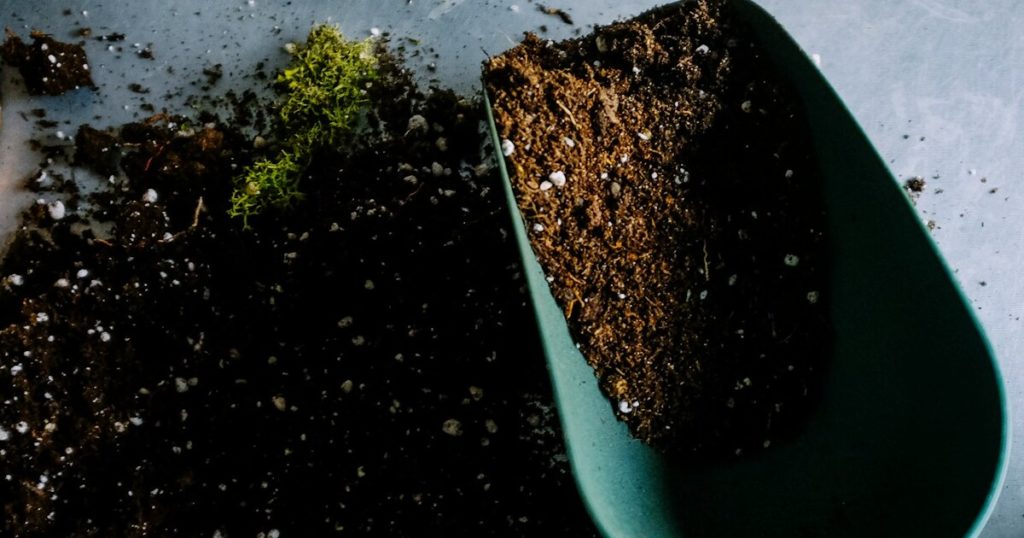
Green beans grow best in well-drained, fertile soil with a pH between 6.0 and 7.0. Before planting, enrich your soil with organic matter such as compost or well-rotted manure. This improves soil structure, provides essential nutrients, and enhances moisture retention. Avoid using too much nitrogen fertilizer, as this can lead to excessive foliage growth at the expense of bean production.
I love using raised beds for growing green beans because they ensure good drainage and make soil preparation easier. If you’re planting in the ground, consider adding a layer of mulch around the plants to help retain moisture and suppress weeds. Mulching also helps maintain a more consistent soil temperature, which is beneficial for the growth of your green beans.
How Often Should I Water My Green Beans?
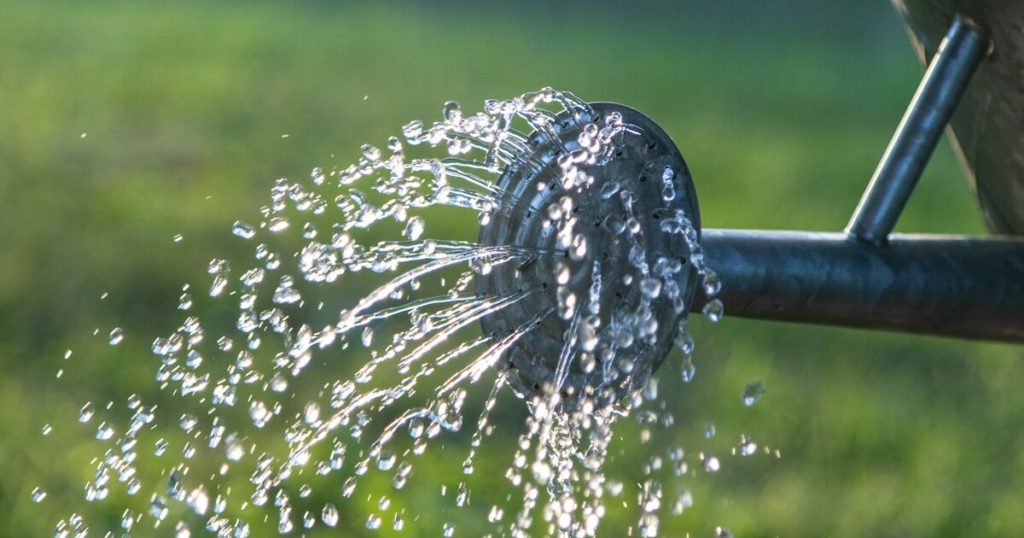
Green beans need consistent moisture to grow well, especially during flowering and pod development. Aim to provide about 1 inch of water per week, either from rainfall or supplemental watering. Water deeply and less frequently to encourage deep root growth, which helps the plants withstand dry spells.
Water your green beans in the morning to allow the foliage to dry out during the day, reducing the risk of fungal diseases. Avoid overhead watering if possible; using drip irrigation or a soaker hose can deliver water directly to the soil and roots, minimizing leaf wetness. Consistent, adequate watering is key to healthy green bean plants and a bountiful harvest.
Should I Fertilize My Green Beans?
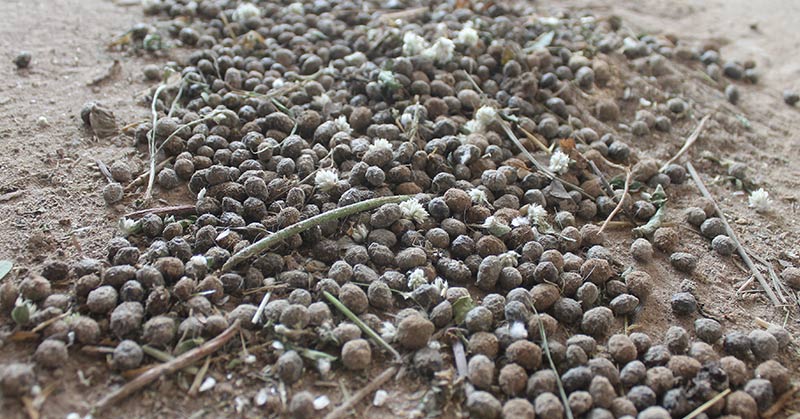
Green beans generally do not require heavy fertilization, especially if your soil is rich in organic matter. Before planting, you can incorporate a balanced fertilizer or compost into the soil. Once the plants are established, they typically only need a light side-dressing of compost or a balanced fertilizer midway through the growing season.
One of my favorite approaches is to use organic fertilizers, which improve soil health and provide a slow-release source of nutrients. Be cautious with nitrogen-heavy fertilizers, as they can promote excessive leafy growth rather than bean production. Focus on maintaining healthy soil with good organic content to support your green beans throughout the season.
How Do I Support Pole Beans?

Supporting pole beans is essential for their growth and productivity. Use a sturdy trellis, teepee, or other support structures to allow the vines to climb. Plant the beans at the base of the support and gently guide the vines onto it as they grow. Proper support ensures good air circulation, reduces disease risk, and makes harvesting easier.
One method I enjoy is using bamboo stakes or a cattle panel trellis. These provide strong support and can be reused season after season. As the beans climb, they will create a green wall that is not only productive but also visually appealing in your garden. Regularly check the vines and help them stay attached to the support, ensuring they grow upward effectively.
How Can I Prevent Pests on My Green Beans?

Green beans can be susceptible to pests such as aphids, bean beetles, and spider mites. Regularly inspect your plants for signs of pest activity, such as holes in leaves, yellowing foliage, or the presence of insects. Early detection allows for timely intervention, which is crucial for minimizing damage.
I prefer using organic pest control methods to protect green beans. Introducing beneficial insects like ladybugs and lacewings can help control aphid populations. Neem oil and insecticidal soap are effective against many common pests and are safe for use in vegetable gardens. Additionally, practicing crop rotation and planting pest-repellent companion plants like marigolds and basil can help reduce pest issues.
How Do I Prevent Diseases in My Green Beans?
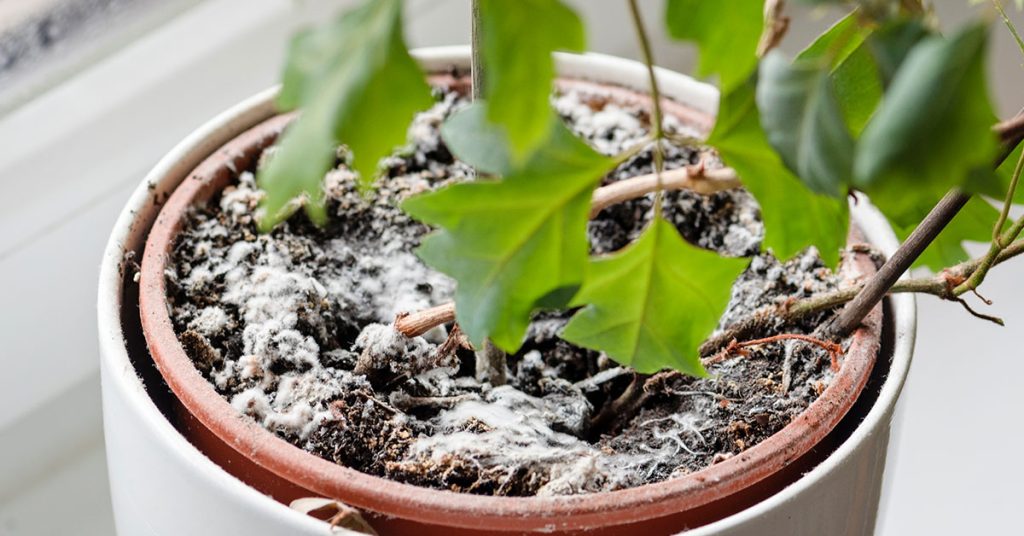
Preventing diseases in green beans starts with proper spacing and good cultural practices. Space your plants adequately to ensure good air circulation, which helps reduce the risk of fungal diseases such as powdery mildew and rust. Water at the base of the plants rather than overhead to keep the foliage dry.
Using disease-resistant varieties is another effective strategy. Clean up plant debris at the end of the season to prevent disease carryover. Rotate crops annually to avoid planting beans in the same spot where related plants were grown the previous year. Healthy, well-maintained plants are less susceptible to diseases, ensuring a productive growing season.
When and How Should I Harvest Green Beans?

Harvesting green beans at the right time ensures the best flavor and texture. Beans are typically ready for harvest about 50-70 days after planting, depending on the variety. Pick the beans when they are firm, crisp, and about the size of a pencil. For the best taste, harvest beans in the morning after the dew has dried but before the heat of the day sets in.
Use two hands to harvest green beans to avoid damaging the plant. Hold the stem with one hand and gently pull the bean with the other. Regular harvesting encourages the plant to produce more beans, extending your harvest period. Check your plants every few days during peak production to ensure you pick beans at their prime.
How Can I Store Green Beans After Harvest?

Proper storage of green beans preserves their freshness and flavor. After harvesting, rinse the beans in cool water to remove any dirt or debris. Pat them dry with a clean towel or let them air dry. Store fresh beans in a perforated plastic bag or a breathable container in the refrigerator, where they can stay fresh for up to a week.
For longer storage, blanch the beans in boiling water for 2-3 minutes, then transfer them to an ice water bath to stop the cooking process. Drain and dry the beans thoroughly before freezing them in airtight containers or freezer bags. Blanching helps retain the beans’ color, texture, and nutrients, allowing you to enjoy your homegrown green beans for months.
Can I Grow Green Beans in Containers?
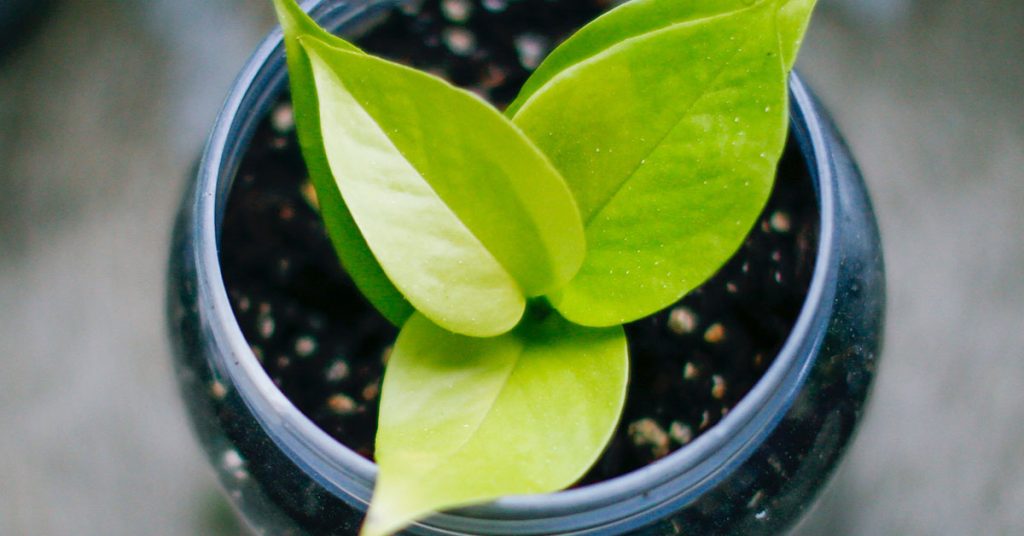
Absolutely! Green beans can be successfully grown in containers, making them a great option for gardeners with limited space. Choose a container that is at least 12 inches deep and has good drainage. Bush beans are generally more suitable for containers due to their compact growth habit, but pole beans can also be grown if you provide adequate support.
Use high-quality potting soil and ensure the container receives plenty of sunlight, ideally 6-8 hours per day. Water the plants consistently, as containers can dry out more quickly than garden beds. Fertilize with a balanced, slow-release fertilizer to keep the plants healthy and productive. Growing green beans in containers can be a convenient and rewarding way to enjoy fresh beans, even if you don’t have a traditional garden space.