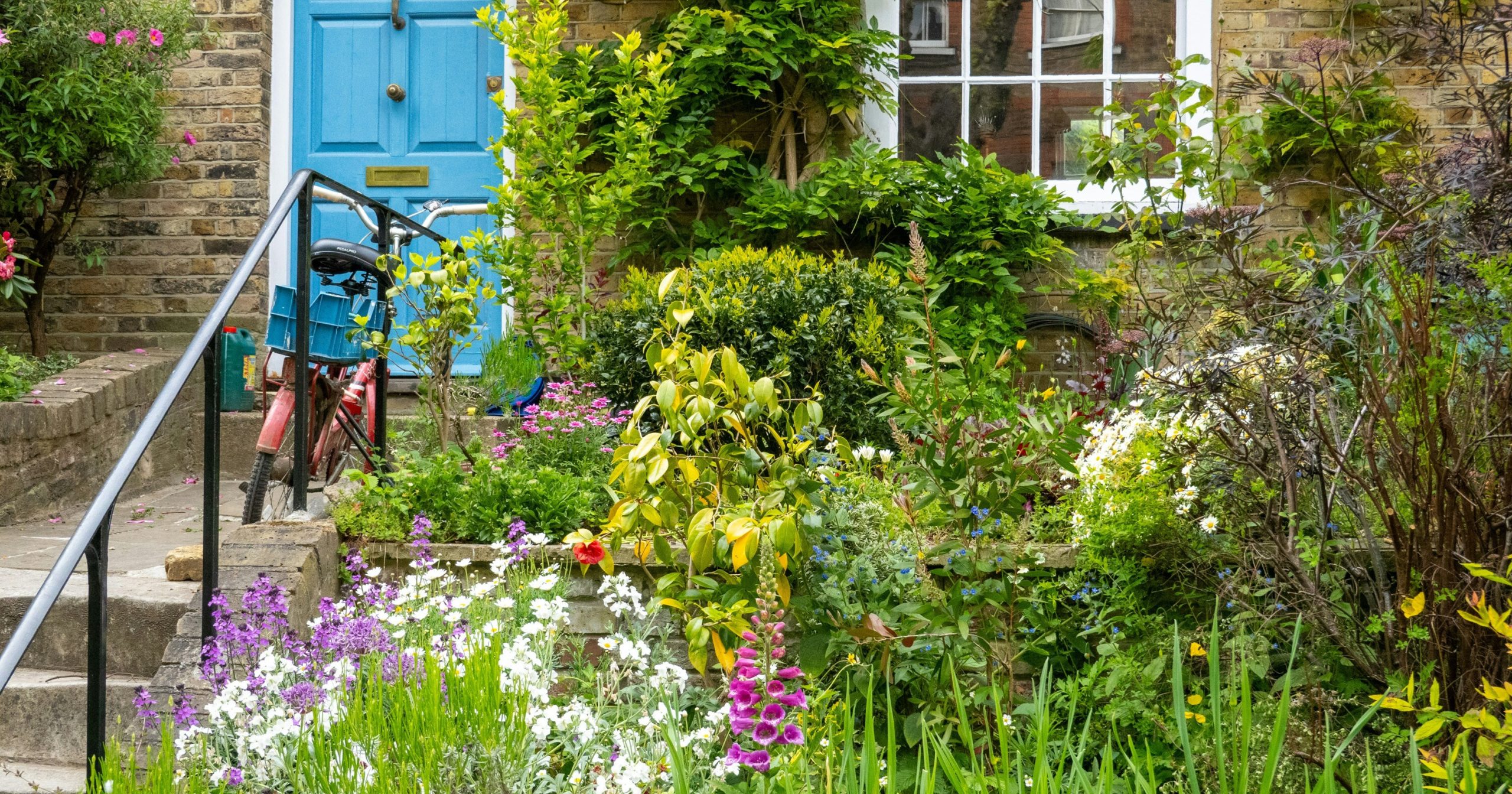

Artificial turf might seem like an attractive option for a low-maintenance, green lawn all year round. However, as appealing as it sounds, there are significant downsides to using synthetic grass in your yard or garden. From environmental concerns to practical issues, artificial turf can cause more problems than it solves. As a gardener, I understand the desire for a lush, green space, but there are better, more sustainable ways to achieve this.
In this article, we’ll explore the reasons why artificial turf should be avoided and why natural solutions are preferable. Whether you’re considering artificial turf for its low maintenance or its aesthetic appeal, it’s essential to understand the full impact it can have on your garden and the environment. Let’s dive into the details and see why real plants and natural lawns are always the better choice!
Environmental Impact
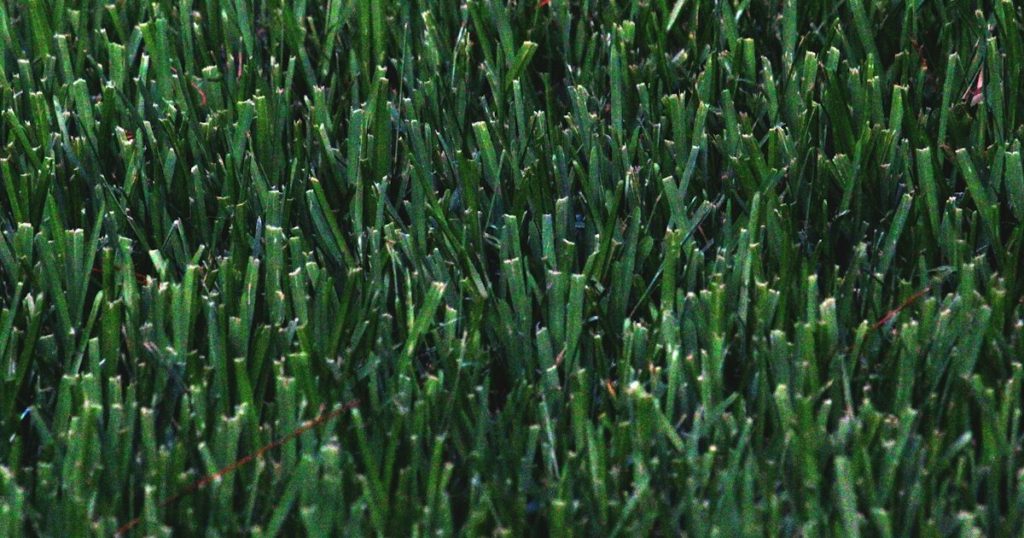
Artificial turf may seem eco-friendly because it doesn’t require watering, but the environmental impact of producing, installing, and maintaining synthetic grass is substantial. The production of artificial turf involves the use of non-renewable resources like petroleum, and it releases significant greenhouse gases into the atmosphere. Additionally, once installed, artificial turf can end up in landfills after its lifespan, contributing to plastic pollution.
Natural grass, on the other hand, plays a crucial role in the ecosystem by absorbing carbon dioxide, producing oxygen, and supporting biodiversity. Real grass helps filter pollutants from the air and water, contributes to soil health, and provides habitat for insects and small animals. By opting for natural lawns, you support the environment and contribute to the ecological balance of your garden.
Heat Retention

One of the significant drawbacks of artificial turf is its tendency to retain heat. Synthetic grass can get extremely hot, especially during the summer months. Unlike natural grass, which cools the environment through a process called evapotranspiration, artificial turf absorbs and retains heat, creating uncomfortable conditions for people and pets.
This heat retention not only makes it unpleasant to walk or play on but can also increase the ambient temperature around your home. In contrast, natural grass and plants help keep your garden cool and comfortable, providing a pleasant outdoor space even during the hottest days. Choosing real grass ensures a more enjoyable and hospitable environment in your yard.
Lack of Biodiversity

Artificial turf creates a sterile environment that does not support biodiversity. Natural lawns and gardens provide habitat and food sources for a wide range of insects, birds, and small mammals. These creatures play vital roles in pollination, pest control, and maintaining the health of your garden ecosystem.
When you replace natural grass with artificial turf, you eliminate these habitats, disrupting local biodiversity. Encouraging a diverse range of plants and grasses in your yard helps support wildlife and creates a vibrant, dynamic ecosystem. Embracing natural solutions fosters a healthier and more resilient garden environment.
Soil Health
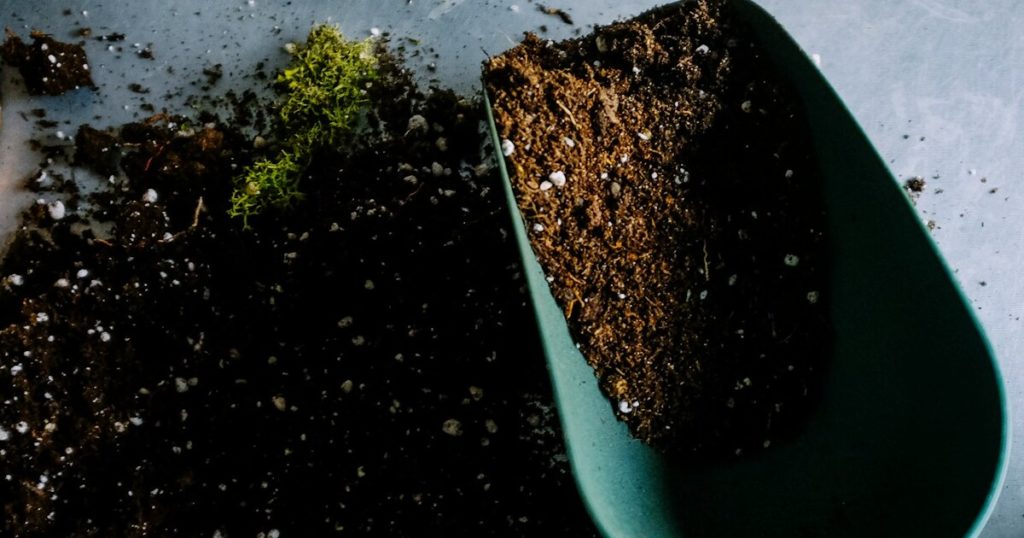
Soil health is fundamental to a thriving garden, but artificial turf can severely degrade soil quality. Synthetic grass acts as a barrier, preventing the natural exchange of air and water with the soil. This lack of interaction can lead to compacted soil, poor drainage, and reduced microbial activity, all of which are detrimental to plant health.
Healthy soil is teeming with microorganisms that break down organic matter, recycle nutrients, and improve soil structure. Natural lawns contribute to this process by allowing organic matter to decompose and enrich the soil. By maintaining a natural lawn, you support the vitality of your soil and ensure a fertile foundation for all your gardening endeavors.
Water Runoff
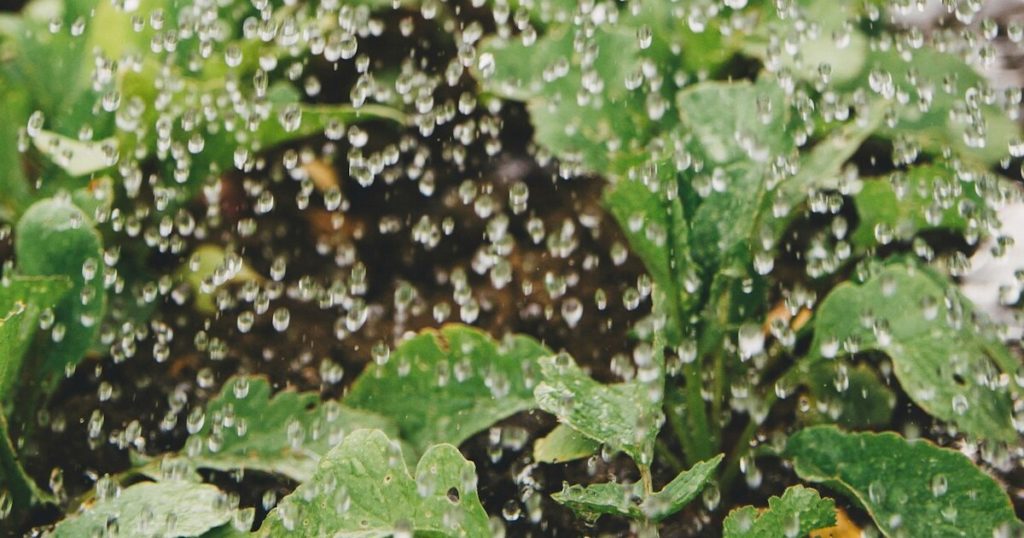
Artificial turf can exacerbate water runoff issues. Unlike natural grass, which absorbs and filters rainwater, synthetic grass is impermeable. This means that during heavy rainfall, water quickly runs off the surface, potentially leading to erosion, flooding, and the contamination of local waterways with pollutants.
Natural grass helps to mitigate these issues by slowing down water runoff, allowing it to percolate into the soil and recharge groundwater supplies. This natural filtration process helps to purify water and reduce the risk of flooding. By opting for a natural lawn, you contribute to healthier water management in your garden and community.
Maintenance Misconceptions
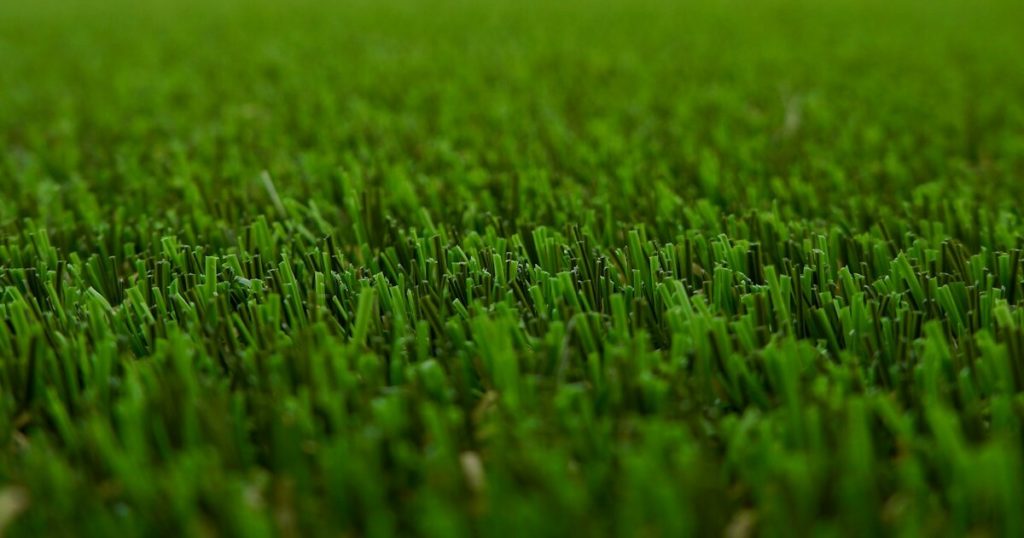
One of the main selling points of artificial turf is its low maintenance appeal. However, synthetic grass is not maintenance-free. It requires regular cleaning to remove debris, pet waste, and prevent mold and bacteria buildup. In addition, it may need brushing to maintain its appearance and periodic repairs to address wear and tear.
Natural lawns do require mowing, watering, and occasional fertilizing, but they offer numerous environmental and aesthetic benefits that artificial turf cannot match. Embracing natural grass allows you to create a healthier, more dynamic garden space with less environmental impact. Plus, many maintenance tasks can be reduced by choosing low-maintenance grass varieties and employing sustainable gardening practices.
Aesthetic Limitations

While artificial turf can look green and uniform, it often lacks the natural beauty and variation of real grass. Synthetic grass can appear overly perfect and unnatural, detracting from the organic look and feel of a garden. Natural lawns, with their slight variations in color and texture, provide a more authentic and visually appealing landscape.
In addition, natural grass changes with the seasons, adding to the dynamic and evolving nature of your garden. The sight of fresh green shoots in spring or the soft brown hues of a dormant winter lawn contributes to the overall charm and interest of your outdoor space. Choosing natural grass ensures a more beautiful and engaging garden throughout the year.
Impact on Pets

Artificial turf can be problematic for pets. The surface can become uncomfortably hot for their paws in the summer, and the lack of natural cooling can make it an unpleasant area for them to play. Additionally, cleaning up pet waste on synthetic grass can be more challenging and less hygienic compared to natural grass.
Pets enjoy the cool, soft texture of natural grass, which provides a comfortable and safe environment for them to explore and play. Real grass also offers a natural, pesticide-free surface that is better for their health. By choosing natural lawns, you create a pet-friendly garden that is safer and more enjoyable for your furry friends.
Long-Term Costs
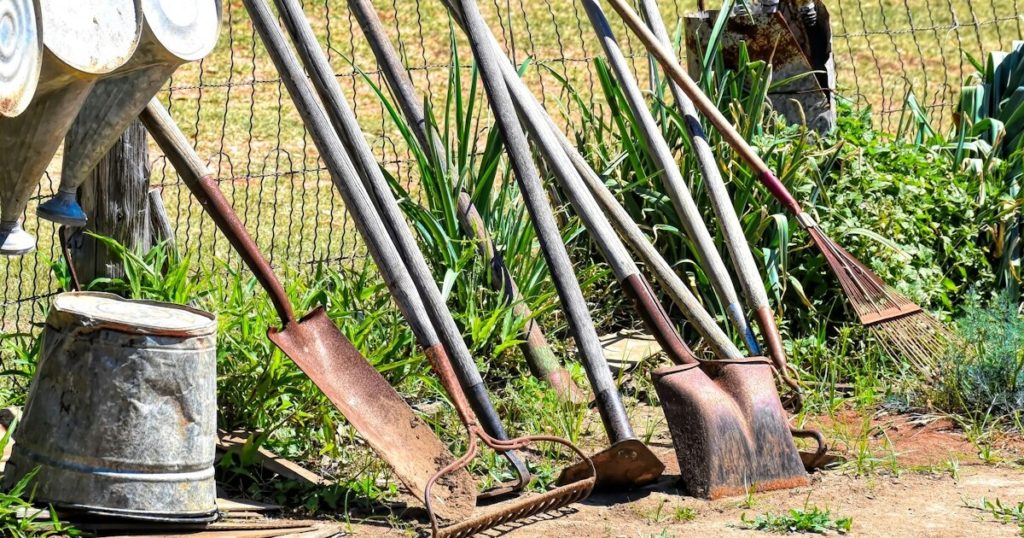
Although artificial turf might seem like a cost-effective solution initially, the long-term expenses can add up. The installation cost of synthetic grass is often high, and over time, it may require repairs or replacement. Additionally, there are ongoing costs associated with cleaning and maintenance to keep it looking its best.
Natural lawns, while requiring regular care, tend to have lower long-term costs. Grass seeds or sod are relatively inexpensive, and routine maintenance can be managed with basic gardening tools and supplies. By investing in a natural lawn, you can enjoy a beautiful and sustainable garden without the high costs associated with artificial turf.
Fire Hazard
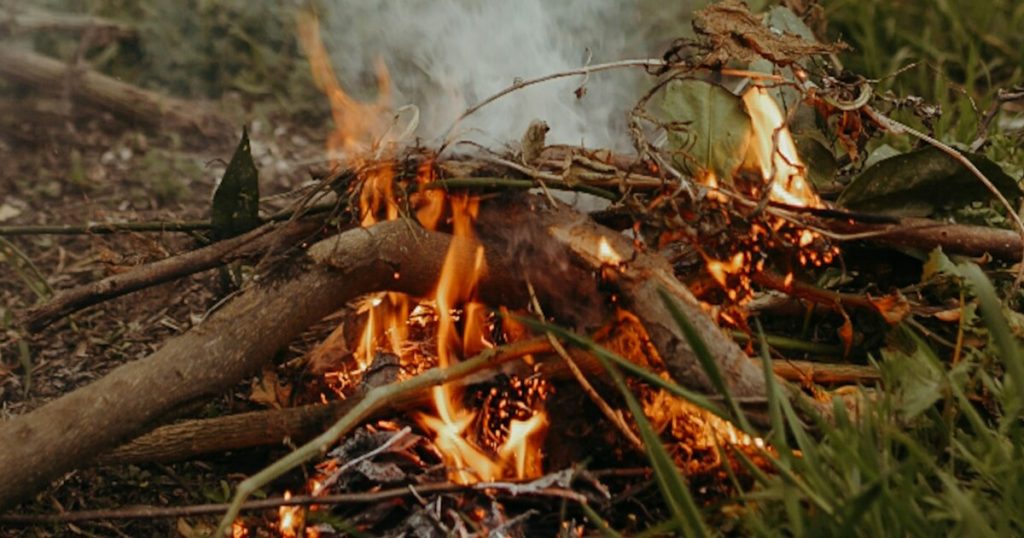
Artificial turf can pose a fire hazard, especially in hot, dry climates. Synthetic grass is made from plastic materials that can melt or catch fire when exposed to high temperatures or open flames. This risk is particularly concerning if you live in an area prone to wildfires or if you enjoy outdoor activities like grilling.
Natural grass, although not entirely fireproof, is less likely to ignite and spread flames compared to artificial turf. Maintaining a healthy, green lawn with adequate moisture reduces the risk of fire and creates a safer environment for outdoor activities. Choosing natural grass helps mitigate fire hazards and protects your property.
Personal Connection to Gardening
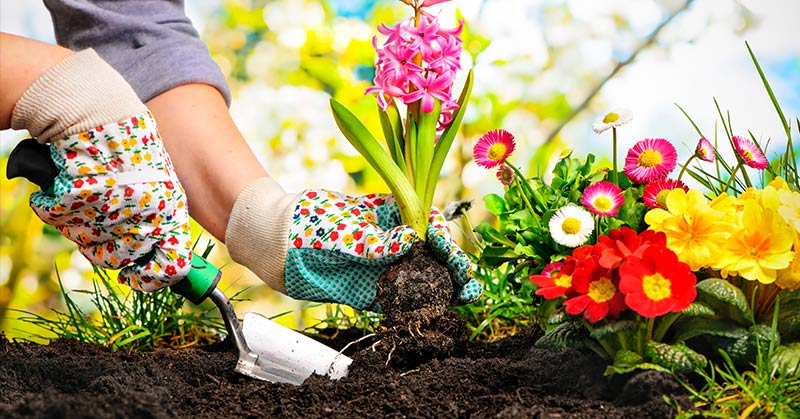
As a gardener, one of the most fulfilling aspects of maintaining a garden is the personal connection you develop with the plants and soil. Artificial turf removes this element, creating a static and unchanging landscape. Natural gardening allows you to engage with the earth, observe the growth and changes of your plants, and experience the satisfaction of nurturing a living ecosystem.
There’s a special joy in feeling the soil between your fingers, watching seedlings sprout, and harvesting produce from your garden. These experiences foster a deeper appreciation for nature and the environment. By choosing natural grass and plants, you can cultivate a more meaningful and rewarding gardening experience.