

Garden lighting can transform your outdoor space into a magical oasis at night, highlighting plants, pathways, and water features. However, artificial lighting can have serious consequences for wildlife. Many creatures rely on natural darkness for navigation, feeding, and breeding. Excessive or poorly placed lights can disrupt these activities, leading to negative impacts on local ecosystems.
As gardeners who love and appreciate nature, it’s essential to find a balance between enjoying our gardens at night and protecting the wildlife that shares these spaces with us. In this article, I’ll share practical tips on how to light your garden responsibly, ensuring you can enjoy its beauty without harming the nocturnal habits of local fauna. Let’s explore how we can create an enchanting yet wildlife-friendly garden!
Use Motion-Sensor Lights

One of the most effective ways to minimize the impact of garden lighting on wildlife is by using motion-sensor lights. These lights only turn on when movement is detected, providing illumination when you need it and remaining off the rest of the time. This reduces the amount of artificial light in your garden, allowing nocturnal animals to go about their activities with minimal disruption.
Motion-sensor lights are also energy-efficient, saving you money on electricity bills and reducing your environmental footprint. Place these lights strategically along pathways, near entryways, and around garden features you might need to access at night. By using motion-sensor lights, you can strike a balance between safety, aesthetics, and wildlife conservation.
Choose Warm, Low-Intensity Lights

The type of light you use can make a big difference in minimizing disruption to wildlife. Warm, low-intensity lights are less likely to interfere with the natural behaviors of nocturnal animals. Cool, bright white lights mimic daylight and can confuse wildlife, leading to disorientation and altered activity patterns. Opt for bulbs that emit a warm, amber glow to create a more wildlife-friendly environment.
When selecting garden lights, look for options with lower lumens and avoid overly bright fixtures. Shielded lights that direct illumination downward can further reduce light pollution, keeping the light focused where it’s needed and minimizing sky glow. By choosing warm, low-intensity lights, you can create a pleasant ambiance that is gentle on the eyes and kind to wildlife.
Install Timers or Smart Lighting Systems

Installing timers or smart lighting systems in your garden can help ensure that lights are only on when necessary. Set timers to turn off lights at a certain hour each night, allowing your garden to return to its natural state of darkness during the late hours. Smart lighting systems can be programmed to adjust based on the time of year, automatically reducing light pollution during key wildlife activities such as migration or breeding seasons.
Using timers and smart systems can also enhance the security and convenience of your garden lighting. You won’t have to remember to turn lights on and off manually, and you can adjust settings remotely if needed. This level of control allows you to enjoy your garden lighting responsibly while minimizing its impact on wildlife.
Use Path Lighting Sparingly

While path lighting can enhance the safety and aesthetic appeal of your garden, it’s important to use it sparingly. Over-lighting pathways can create unnecessary light pollution and disrupt wildlife. Consider using small, low-intensity lights placed at ground level to guide your way. This type of lighting is less intrusive and provides sufficient illumination without overwhelming the natural darkness.
Another effective approach is to use solar-powered path lights that store energy during the day and emit a soft glow at night. These lights are often dimmer than electric lights, reducing their impact on wildlife. Additionally, they are energy-efficient and environmentally friendly. By using path lighting sparingly and thoughtfully, you can enjoy a well-lit garden that respects the needs of nocturnal animals.
Shield Lights to Reduce Glare

Shielding your garden lights is a simple yet effective way to reduce glare and direct light where it’s needed. Unshielded lights can scatter light in all directions, creating excessive illumination and light pollution. Use fixtures with built-in shields or add external shields to existing lights to focus the beam downward and limit its spread.
By directing light only to specific areas, you minimize the amount of artificial light spilling into surrounding habitats. This focused lighting approach not only benefits wildlife but also enhances the visual appeal of your garden by creating defined, dramatic lighting effects. Shielded lights provide a more controlled and environmentally conscious lighting solution.
Integrate Natural Barriers
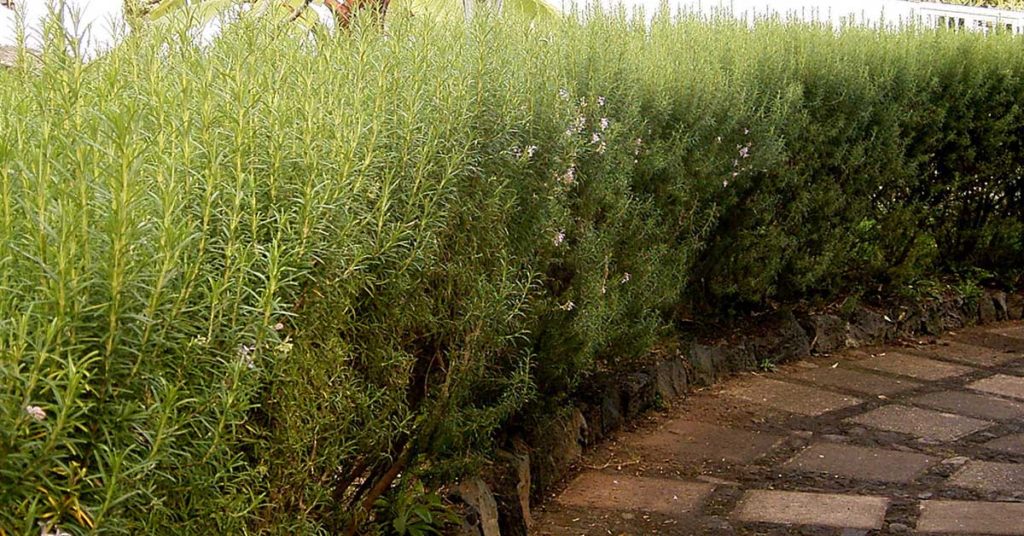
Integrating natural barriers such as shrubs, hedges, and trees into your garden design can help mitigate the impact of artificial lighting. These barriers can block or filter light, reducing its spread into areas where wildlife is active. Planting dense vegetation around light sources can create shaded zones that provide refuge for nocturnal animals.
Natural barriers also enhance the overall aesthetics and biodiversity of your garden. They offer additional habitats for birds, insects, and small mammals, promoting a healthy and balanced ecosystem. By thoughtfully incorporating natural elements, you can create a more harmonious environment that supports both your lighting needs and the well-being of local wildlife.
Avoid Uplighting

Uplighting, which involves placing lights at the base of trees or structures to illuminate them from below, can significantly contribute to light pollution. This type of lighting can disorient nocturnal wildlife, particularly birds and insects, and disrupt their natural behaviors. Instead of uplighting, consider using downlighting or moonlighting techniques that mimic natural light patterns.
Downlighting involves placing lights above the feature you wish to highlight and directing the light downward. Moonlighting is achieved by placing lights high in trees to cast soft, natural-looking shadows on the ground. These techniques create a more subtle and natural ambiance in your garden while minimizing the impact on wildlife.
Create Dark Zones

Creating dark zones in your garden is an excellent way to provide safe havens for wildlife. Identify areas where you can avoid installing any artificial lights, allowing these zones to remain naturally dark. Dark zones can be especially beneficial near water features, dense vegetation, or areas known to be frequented by nocturnal animals.
By maintaining dark zones, you offer wildlife a refuge where they can carry out their natural behaviors without interference. These areas also contribute to the overall health of your garden ecosystem, promoting a balance between illuminated and dark spaces. Dark zones enhance the tranquility and biodiversity of your garden, providing a sanctuary for both plants and animals.
Educate and Advocate

As a gardener who values both aesthetics and wildlife, it’s important to educate others about the impacts of garden lighting and advocate for responsible practices. Share information with neighbors, friends, and community members about the importance of minimizing light pollution. Encourage them to adopt wildlife-friendly lighting techniques and discuss the benefits of reducing artificial light for both humans and wildlife.
By raising awareness and promoting responsible garden lighting, you can help create a larger impact in your community. Support local initiatives and organizations that focus on wildlife conservation and light pollution reduction. Together, we can foster a greater appreciation for the natural world and ensure our gardens are safe havens for all living creatures.
Regularly Review and Adjust Lighting

Garden lighting needs can change over time, so it’s essential to regularly review and adjust your setup. Assess how your lights are affecting wildlife and whether they are still serving their intended purpose. Make changes as needed to reduce light pollution, such as dimming lights, adjusting timers, or repositioning fixtures.
Stay informed about new technologies and best practices for wildlife-friendly lighting. Innovations in lighting design and control can offer more efficient and less intrusive options. By remaining proactive and adaptable, you can continue to enjoy a beautifully lit garden that respects and protects the natural environment.