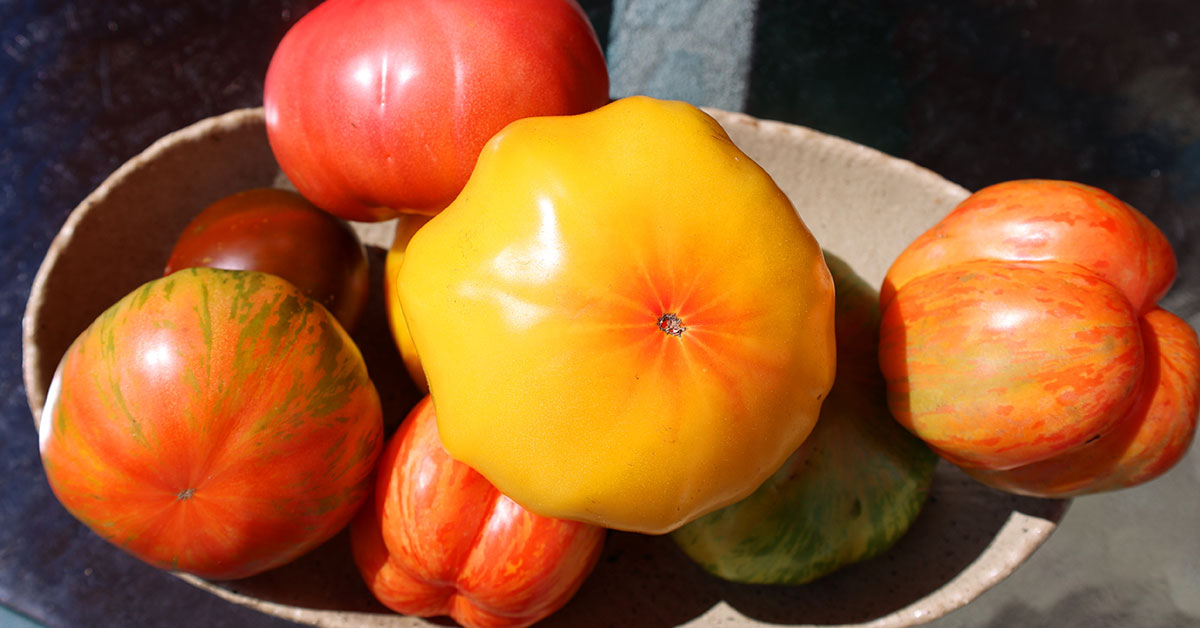

July is a critical month for tomato gardeners. As the summer heat ramps up, so does the growth and production of your tomato plants. This is the time when your efforts in the garden can pay off with a bountiful harvest. However, it also means staying on top of essential tasks to ensure your plants remain healthy and productive. Whether you’re a seasoned gardener or new to growing tomatoes, these tips will help you get the best results from your tomato plants in July.
I can’t tell you how much I look forward to July in my garden. The sight of tomatoes ripening on the vine is incredibly rewarding, but it takes some effort to keep everything in top shape. Let’s dive into the ten things you need to do this month to keep your tomato plants thriving and producing delicious, juicy fruits.
Water Deeply and Consistently
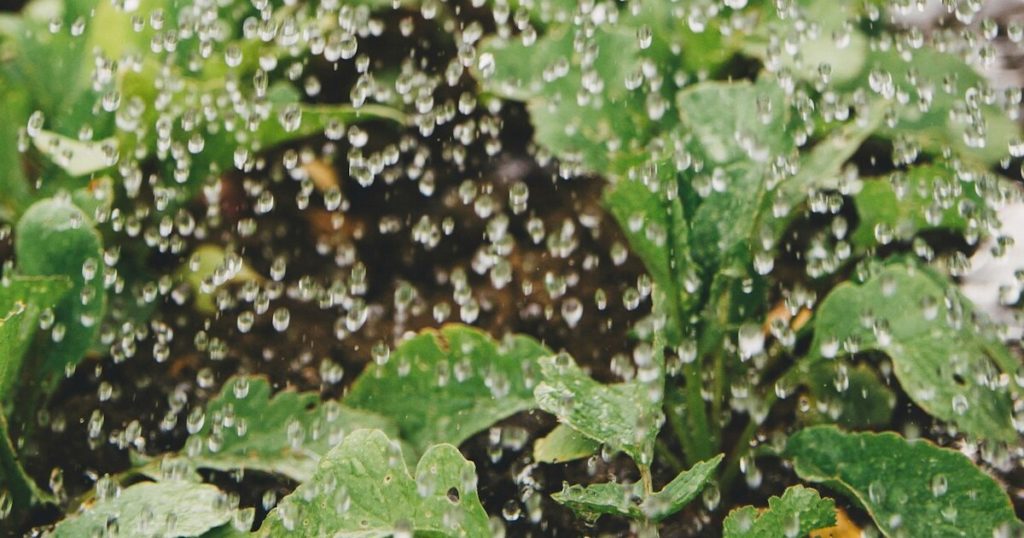
One of the most important tasks in July is ensuring your tomato plants receive consistent and deep watering. Tomatoes need about 1-2 inches of water per week, delivered deeply to encourage strong root development. Watering in the morning is best to reduce evaporation and help prevent diseases caused by wet foliage overnight. Mulching around the plants can also help retain moisture and reduce the frequency of watering.
I love seeing my tomato plants thrive with regular watering. It’s such a bummer when inconsistent watering leads to issues like blossom end rot. Using a soaker hose or drip irrigation can be especially effective, as it delivers water directly to the roots without wetting the leaves, keeping your plants healthier.
Prune and Train Your Plants
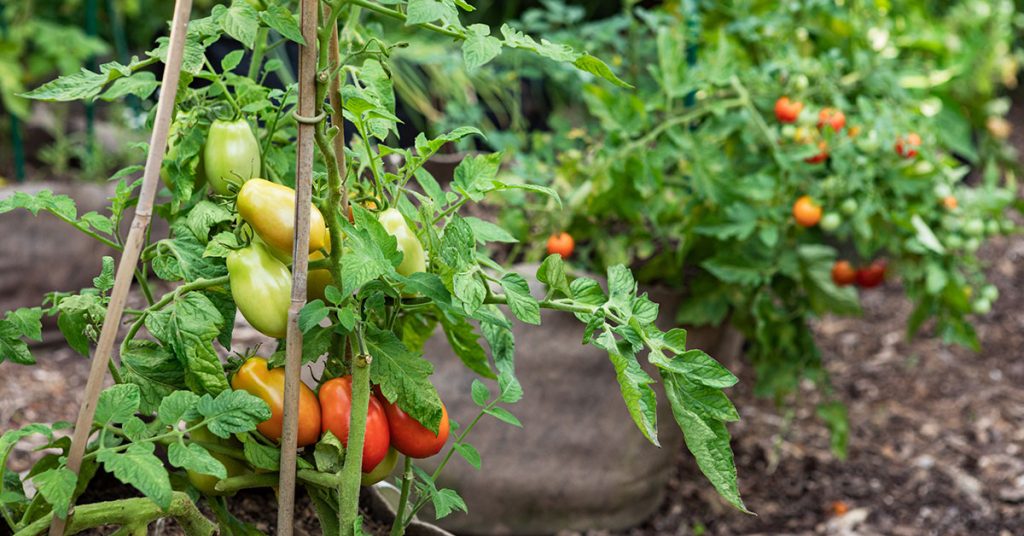
Pruning and training tomato plants help maintain their shape, improve air circulation, and direct the plant’s energy towards producing fruit rather than excess foliage. Remove the suckers, which are the small shoots that grow in the junctions between the main stem and branches. Also, ensure your plants are securely tied to stakes, cages, or trellises to keep them upright and prevent the fruit from lying on the ground.
I find pruning to be one of the most satisfying tasks in the garden. It’s amazing how much it improves the health and productivity of the plants. By keeping the plants well-supported and pruned, you also make it easier to spot any potential problems, such as pests or diseases, early on.
Fertilize Appropriately
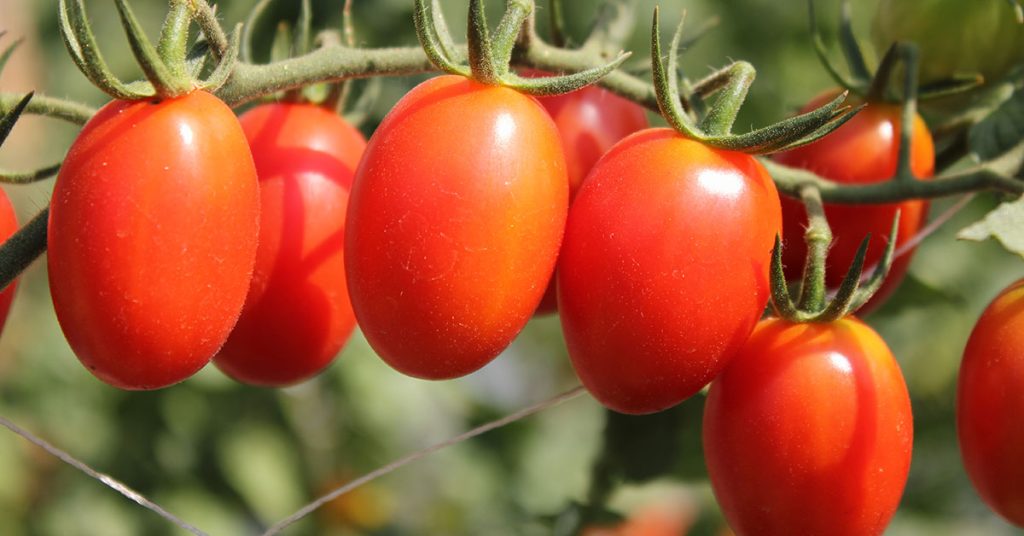
In July, your tomato plants are likely in full swing of fruit production, and they need plenty of nutrients to support this. Use a balanced fertilizer or one specifically designed for tomatoes. Be sure to follow the recommended application rates, as over-fertilizing can lead to excessive foliage growth at the expense of fruit production.
I always make sure to give my tomatoes a mid-season feeding to keep them vigorous. It’s fascinating to see the difference a good feeding can make in the number and size of the fruits. Organic options like compost tea or fish emulsion can also provide a gentle nutrient boost without the risk of burning the plants.
Monitor for Pests and Diseases
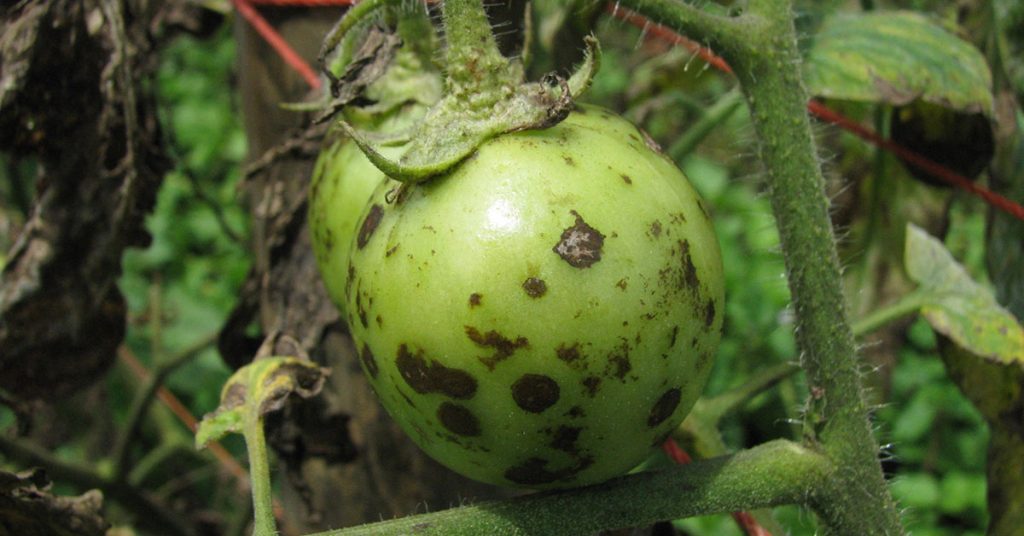
July can bring an influx of pests and diseases that threaten your tomato plants. Regularly inspect your plants for signs of common problems such as aphids, hornworms, and fungal diseases like blight. Remove any affected leaves and consider using organic or chemical treatments if the infestation is severe.
It’s such a bummer when pests or diseases take over your garden. Keeping a close eye on your plants can prevent minor issues from becoming major problems. I like to walk through my garden each morning, checking for any signs of trouble and taking action immediately to keep my plants healthy.
Mulch to Retain Moisture
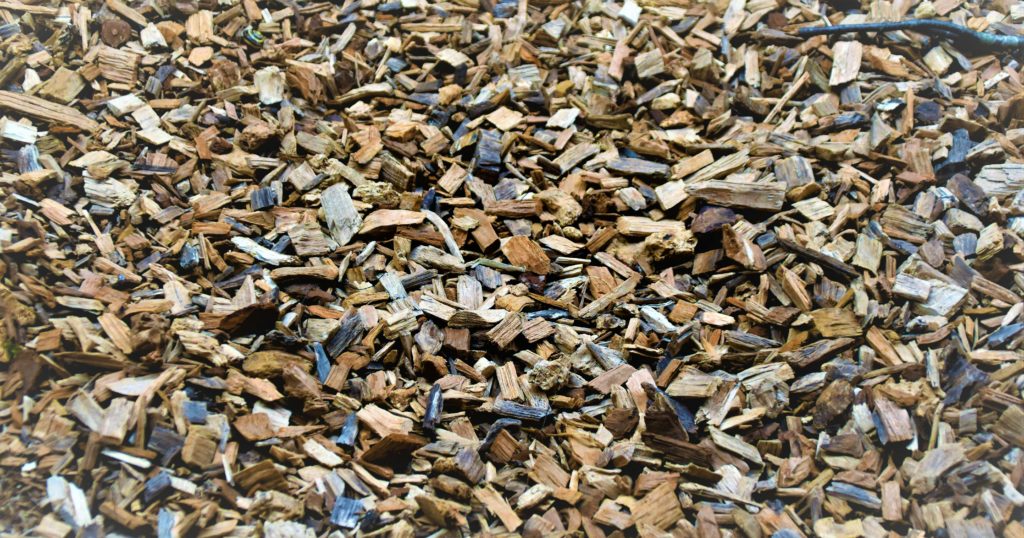
Applying mulch around your tomato plants helps retain soil moisture, suppress weeds, and regulate soil temperature. Organic mulches like straw, grass clippings, or shredded leaves are excellent choices. Spread a 2-3 inch layer around the base of your plants, keeping it a few inches away from the stems to prevent rot.
I love how mulching makes my garden look tidy and well-kept. Plus, it’s a great way to reduce the amount of time spent watering and weeding. Mulch also breaks down over time, adding organic matter to the soil and improving its structure and fertility.
Harvest Regularly
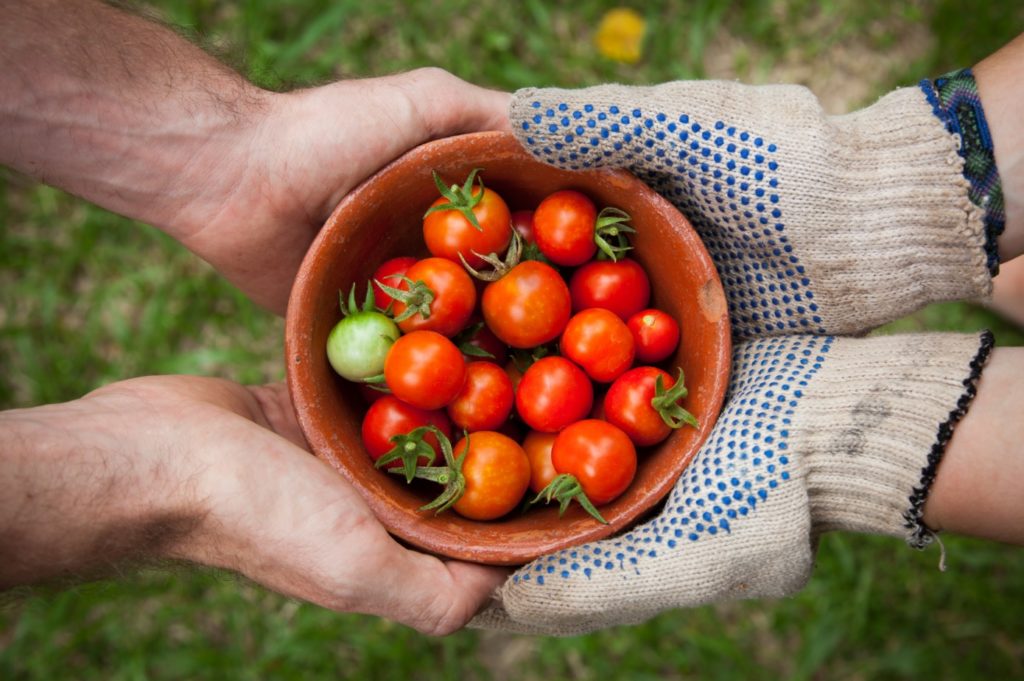
Regular harvesting encourages your tomato plants to continue producing fruit. Pick tomatoes when they are fully ripe but still firm, and handle them gently to avoid bruising. If you notice any overripe or damaged fruits, remove them promptly to prevent attracting pests or spreading disease.
There’s nothing quite like the taste of a freshly picked tomato from the garden. Harvesting regularly ensures you get the best flavor and texture from your tomatoes. It’s also a great way to keep the plants healthy and productive, as leaving overripe fruit on the vine can lead to rot and attract pests.
Provide Shade if Necessary

In regions with intense summer heat, providing some shade for your tomato plants during the hottest part of the day can help prevent heat stress and sunscald on the fruit. Use shade cloth or plant taller companion plants nearby to provide some relief from the scorching sun.
I know how frustrating it is to see sunscald damage on your tomatoes. Providing a little shade can make a big difference in keeping your plants healthy and your fruits perfect. It’s a simple step that can save a lot of heartache and keep your harvest looking beautiful.
Ensure Proper Air Circulation

Good air circulation around your tomato plants helps reduce the risk of fungal diseases and promotes healthier growth. Space your plants adequately and prune excess foliage to allow air to move freely through the canopy. Avoid planting tomatoes too close together to ensure each plant gets enough light and air.
I’ve found that giving my plants plenty of space and keeping them well-pruned makes a noticeable difference in their overall health. It’s amazing how much better they grow when they have good air circulation. This simple practice helps prevent many common problems and keeps my garden thriving.
Apply Calcium to Prevent Blossom End Rot
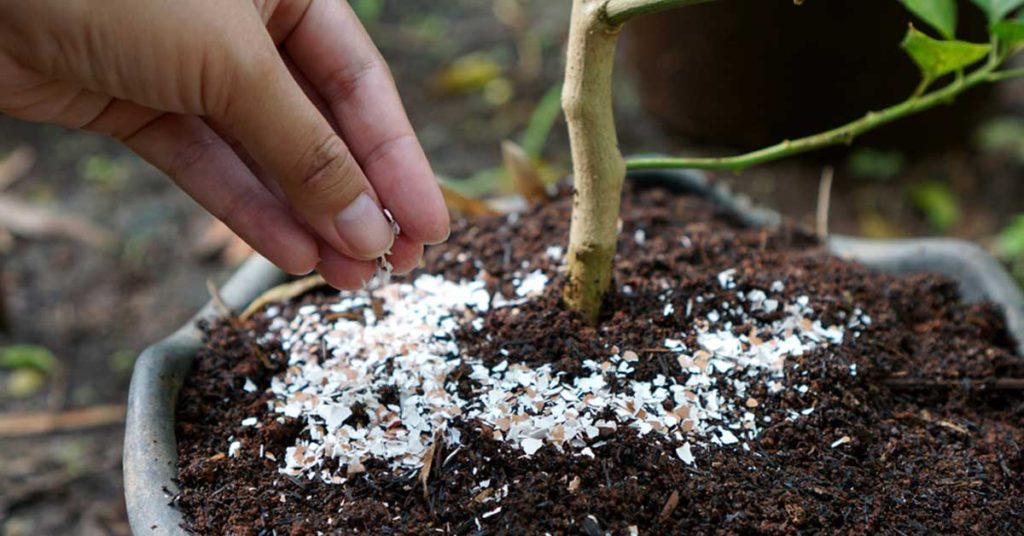
Blossom end rot is a common problem caused by calcium deficiency and inconsistent watering. To prevent this, ensure your plants receive even moisture and consider adding a calcium supplement to the soil. Crushed eggshells, bone meal, or commercial calcium sprays can help maintain adequate calcium levels.
Seeing blossom end rot on your tomatoes is such a disappointment. Taking steps to prevent it can save you a lot of frustration. I like to mix crushed eggshells into the soil when planting and water consistently to keep my plants healthy and my fruits perfect.
Keep an Eye on Weather Changes
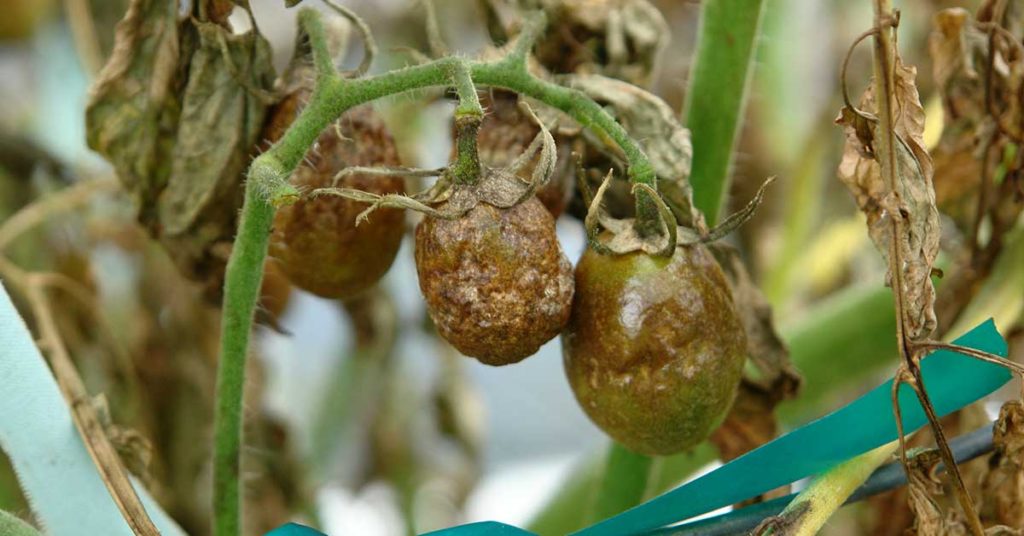
July weather can be unpredictable, with sudden storms or heatwaves. Stay informed about the weather forecast and be prepared to protect your tomato plants from extreme conditions. Use row covers to shield plants from heavy rain or wind and provide extra watering during heatwaves.
I always keep an eye on the weather to ensure my garden is prepared for whatever comes. It’s amazing how quickly conditions can change, and being proactive helps protect your plants and your harvest. A little extra effort can make a big difference in keeping your garden thriving through July.
By following these ten tips, you can ensure your tomato plants stay healthy and productive throughout July.