

Bumblebees play a crucial role in our ecosystems, pollinating plants and crops that we rely on for food. However, many bumblebee species are now endangered due to various human activities. As a passionate gardener, I’m here to shed light on some common home and garden mistakes that negatively impact bumblebees and offer tips on how to rectify them. Let’s work together to create a more bee-friendly environment!
Understanding the mistakes we make in our gardens and homes is the first step towards protecting these vital pollinators. By avoiding these errors and adopting more sustainable practices, we can help ensure that bumblebees continue to thrive. Here are some of the key mistakes to avoid:
Overuse of Pesticides/Herbicides

The overuse of pesticides is one of the most significant threats to bumblebees. These chemicals, designed to kill pests, can also harm beneficial insects like bumblebees. Pesticides can contaminate nectar and pollen, which bees collect and bring back to their colonies, leading to weakened or dying colonies.
To protect bumblebees, avoid using broad-spectrum pesticides and opt for organic or natural pest control methods. Companion planting, using insecticidal soaps, and encouraging beneficial insects like ladybugs can help manage pests without harming bumblebees. One of my favorite plants for natural pest control is marigold, which repels many harmful insects!
Lack of Floral Diversity
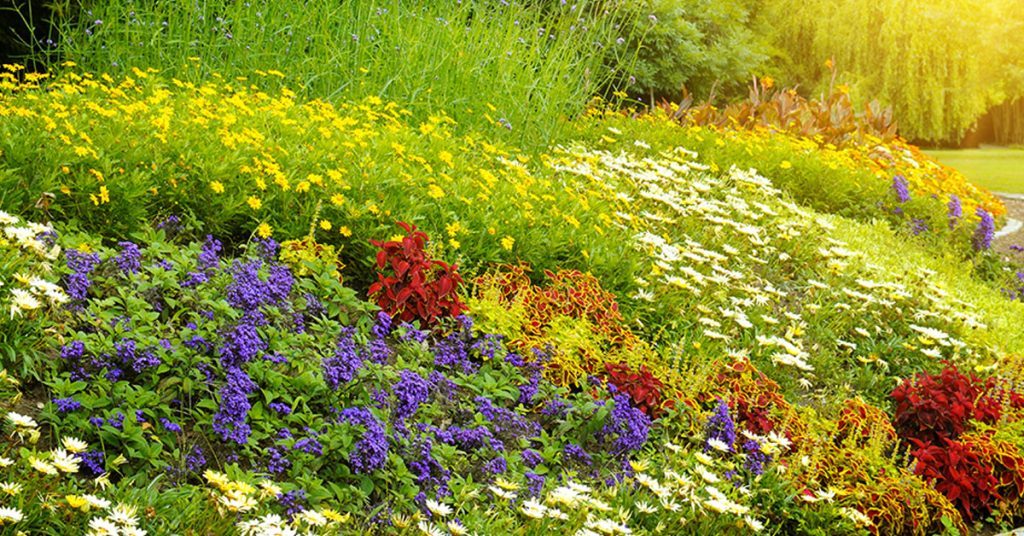
A garden lacking in floral diversity can negatively impact bumblebees. Bumblebees need a variety of flowers that bloom at different times to provide a continuous food source throughout the growing season. Without this diversity, bumblebees may struggle to find enough nectar and pollen.
To support bumblebees, plant a wide range of flowering plants that bloom from early spring to late fall. Include native plants and a mix of colors, shapes, and sizes to attract different bumblebee species. I love planting a mix of wildflowers like coneflowers, black-eyed Susans, and asters to create a vibrant and bee-friendly garden!
Removing Natural Habitats

Removing natural habitats such as hedgerows, wildflower meadows, and dead wood can deprive bumblebees of essential nesting and foraging sites. Bumblebees often nest in undisturbed ground or old rodent burrows, and the loss of these habitats can lead to a decline in their populations.
Preserve or create natural habitats in your garden by leaving some areas wild and undisturbed. Incorporate features like log piles, rock gardens, and native shrubs to provide nesting sites. I always leave a corner of my garden untouched, allowing nature to take its course and provide a haven for bumblebees!
Mowing the Lawn Too Frequently
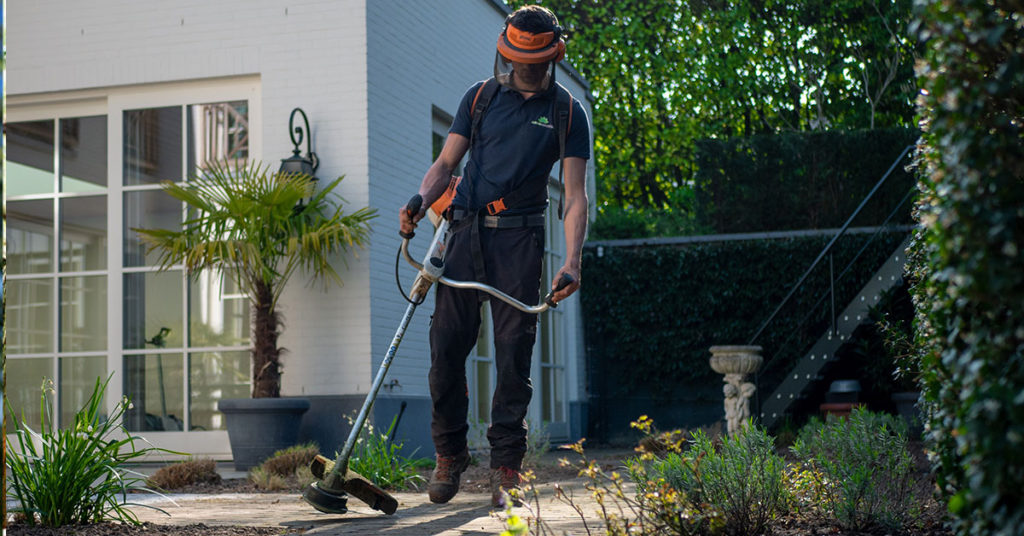
Frequent lawn mowing can be detrimental to bumblebees, especially if your lawn contains clover or other flowering plants. These low-growing flowers provide valuable nectar and pollen for bumblebees, and mowing them down regularly can reduce their food sources.
Reduce the frequency of mowing and allow patches of clover and wildflowers to grow in your lawn. You can also create designated wildflower areas that you leave unmowed. I enjoy the natural look of a slightly wild lawn, and the bumblebees seem to appreciate it too!
Using Non-Native Plants
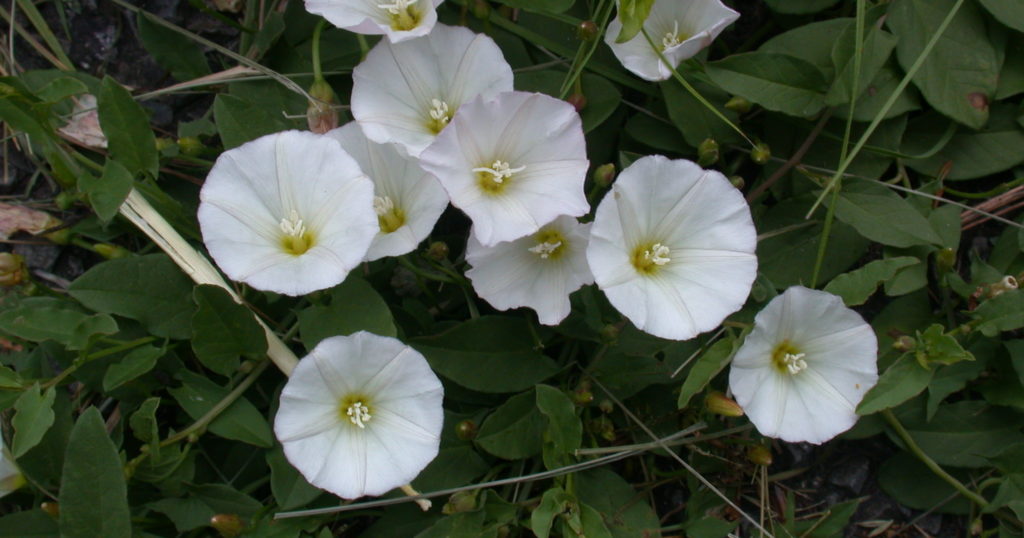
Planting non-native plants can negatively impact bumblebees if these plants do not provide the necessary nectar and pollen. Some non-native plants may also become invasive, outcompeting native species that are crucial for bumblebees.
Focus on planting native flowers and shrubs that have co-evolved with local bumblebee species. Native plants are often more beneficial and better suited to the needs of local wildlife. One of my favorite native plants is the purple coneflower, which attracts bumblebees and other pollinators with its rich nectar!
Ignoring Weeds
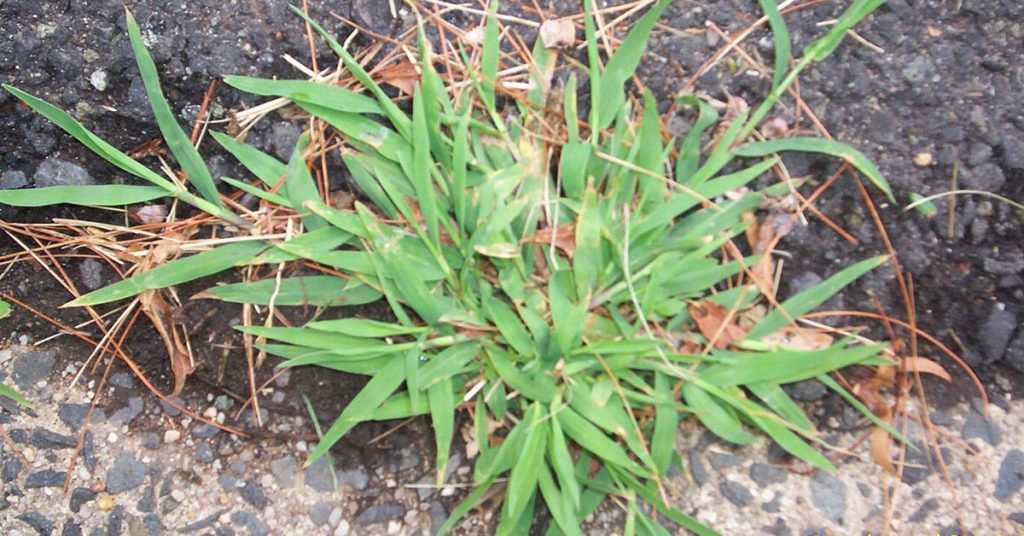
While we often think of weeds as unwanted plants, many weeds are valuable food sources for bumblebees. Dandelions, for example, provide early spring nectar when few other flowers are blooming. Removing all weeds from your garden can deprive bumblebees of these essential resources.
Allow some “weeds” to grow in your garden, especially those that flower early in the season. You can manage weeds by selectively removing those that compete with your garden plants while leaving others for the bees. I always let a few dandelions bloom in my garden to support early spring pollinators!
Over-Mulching
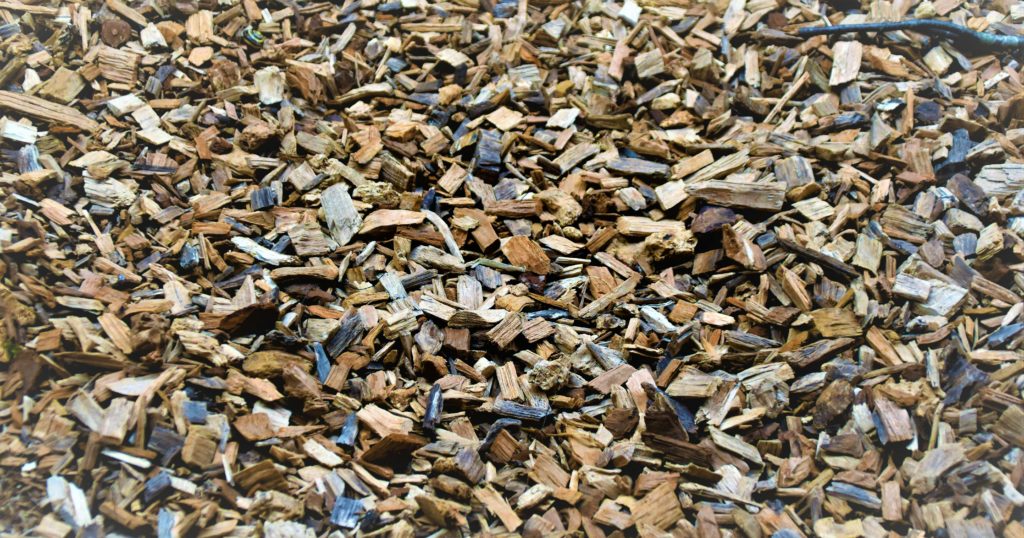
Over-mulching can prevent bumblebees from nesting in the ground, as they often prefer bare soil or sparsely vegetated areas. A thick layer of mulch can make it difficult for bumblebees to access these nesting sites, leading to a decline in their populations.
Use mulch sparingly and leave some areas of bare soil in your garden. You can also create designated nesting sites by placing shallow trays filled with soil or sand in sheltered spots. I like to balance mulched areas with patches of exposed soil to provide diverse habitats for bumblebees!
Planting Single-Species Gardens
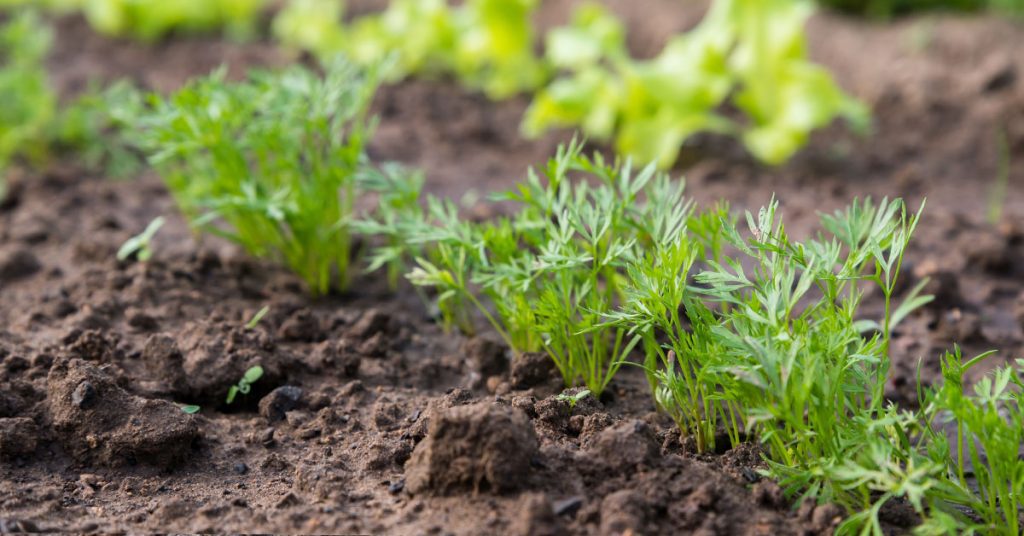
Gardens dominated by a single plant species may not provide enough variety to support bumblebees. Bumblebees need a range of flowers to meet their nutritional needs and to ensure that food is available throughout the growing season.
Create a diverse garden by incorporating a variety of flowering plants, including perennials, annuals, and shrubs. Aim for a mix of colors, shapes, and bloom times to attract and support bumblebees. I enjoy experimenting with different plant combinations to create a dynamic and bee-friendly garden!
Overwatering
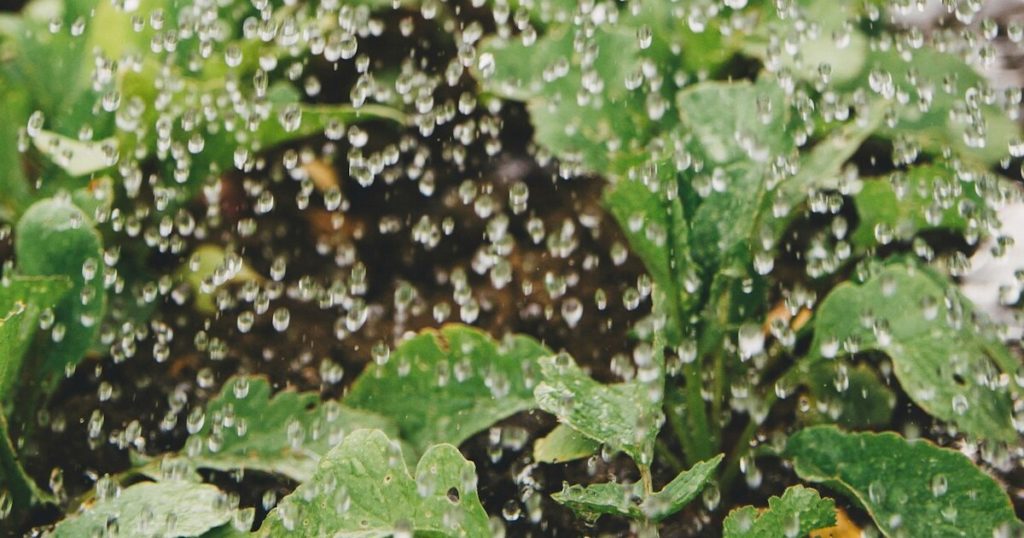
Overwatering can lead to waterlogged soil, which is not only detrimental to plants but also to bumblebees that nest in the ground. Waterlogged soil can drown bumblebee nests, leading to the loss of entire colonies.
Water your garden mindfully, ensuring that the soil has good drainage and does not become waterlogged. Use drip irrigation or soaker hoses to deliver water directly to the roots and reduce excess moisture. I find that proper watering not only benefits my plants but also helps protect the bumblebees in my garden!
Using Artificial Lighting
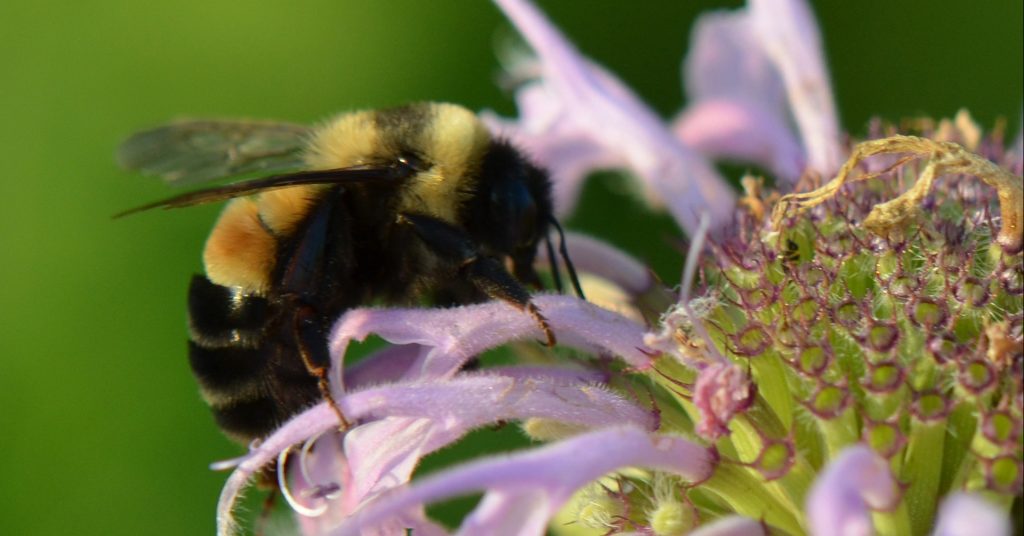
Artificial lighting at night can disrupt the natural behaviors of bumblebees and other pollinators. Light pollution can interfere with their navigation and foraging, leading to disorientation and reduced food intake.
Minimize the use of outdoor lighting, especially near flowering plants. Use motion sensors or timers to reduce unnecessary light exposure. I prefer using solar-powered lights with motion sensors to minimize light pollution while still providing illumination when needed!
By avoiding these common home and garden mistakes, we can create a more supportive environment for bumblebees. Each small change we make can contribute to the well-being of these essential pollinators and help ensure their survival.