
Gardening can be both rewarding and economical, especially when you realize that many vegetables can be regrown from kitchen scraps. This practice not only saves money but also reduces waste and keeps your garden producing fresh vegetables year-round. As an enthusiastic gardener, I’m excited to share how you can turn your vegetable scraps into a continuous harvest.
In this article, we’ll explore ten vegetables that are particularly easy to regrow from scraps. Each of these plants can thrive indoors or outdoors with minimal effort, providing you with a sustainable way to keep your kitchen stocked with fresh produce. Let’s dive in and discover how you can start regrowing your vegetables today!
Read More: 12 Garden Mistakes That Kill Bees – Avoid These!
Green Onions
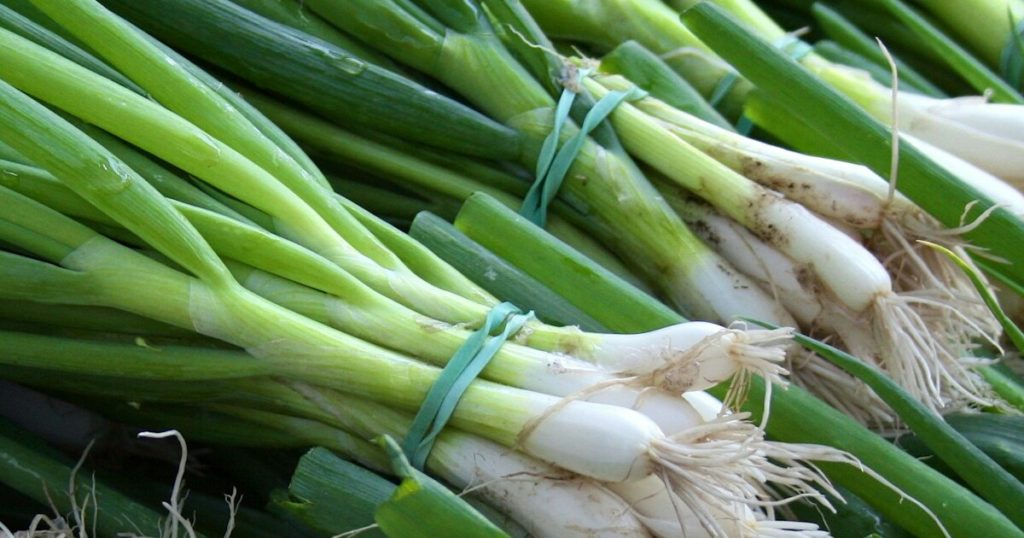
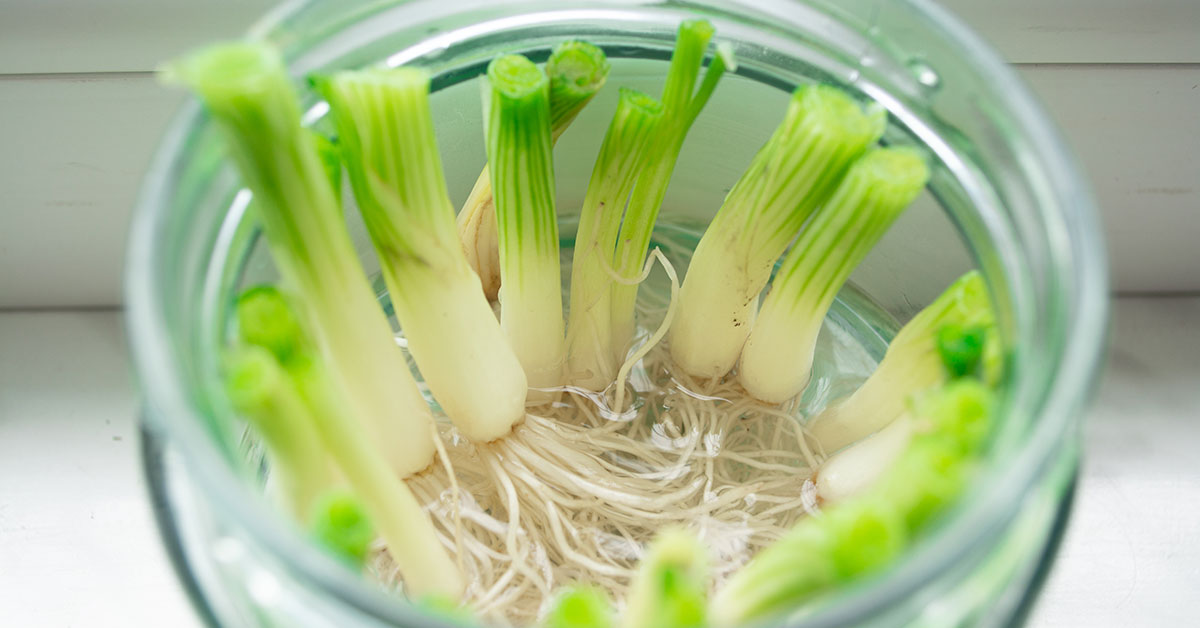
Green onions, or scallions, are incredibly easy to regrow from scraps. Simply save the white root ends and place them in a glass of water with the roots facing down. Place the glass on a sunny windowsill, and within a few days, you’ll see new green shoots emerging. Change the water every few days to keep it fresh.
Once the green shoots are a few inches tall, you can either harvest them directly from the water or plant them in soil for continued growth. Green onions are perfect for adding a mild onion flavor to a variety of dishes, and they can be harvested repeatedly. I love having a constant supply of green onions right in my kitchen!
Lettuce
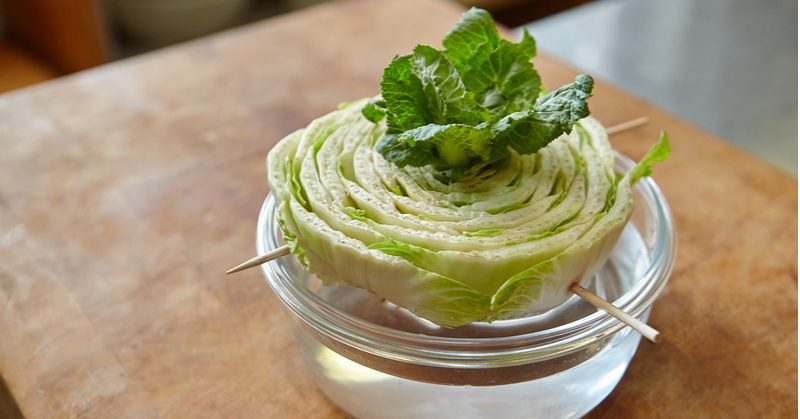
Regrowing lettuce from scraps is both fun and easy. Save the base of a head of lettuce and place it in a shallow dish with about half an inch of water. Keep the dish in a sunny spot, and change the water every couple of days. New leaves will start to sprout from the center in just a few days.
Once the new leaves are a few inches tall, you can transplant the lettuce base into soil for continued growth. Lettuce is a cool-weather crop that thrives indoors, making it an excellent choice for year-round gardening. I enjoy watching lettuce regrow and having fresh greens available for salads and sandwiches!
Celery
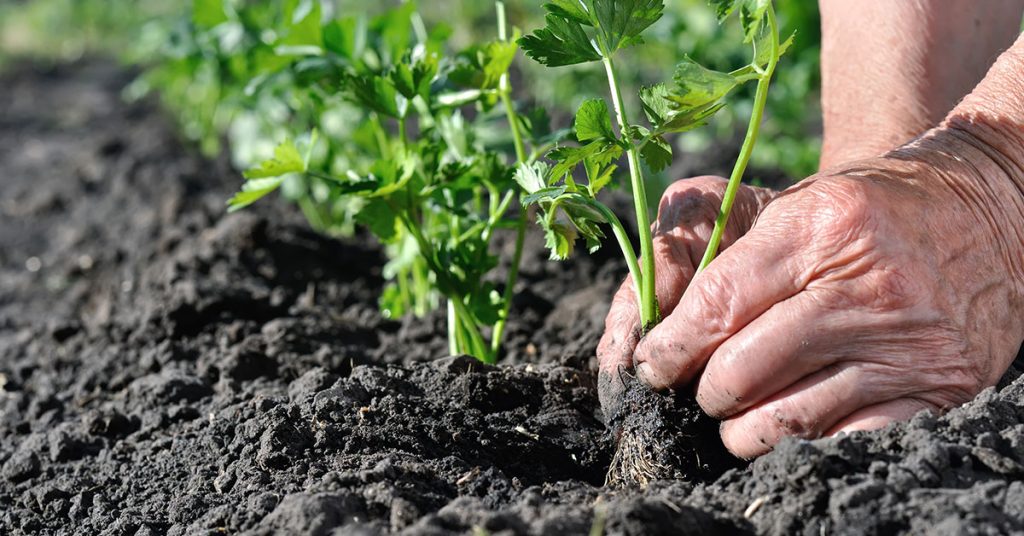
Celery is another vegetable that can be easily regrown from scraps. Save the base of the celery stalk and place it in a shallow dish of water. Keep the dish in a sunny location and change the water regularly. New leaves and stems will start to grow from the center of the base.
After a week or so, you can transplant the celery base into soil, where it will continue to grow. Celery requires plenty of sunlight and regular watering to thrive. I love the convenience of having fresh celery on hand for cooking, and it’s fascinating to watch it regrow from kitchen scraps!
Carrots
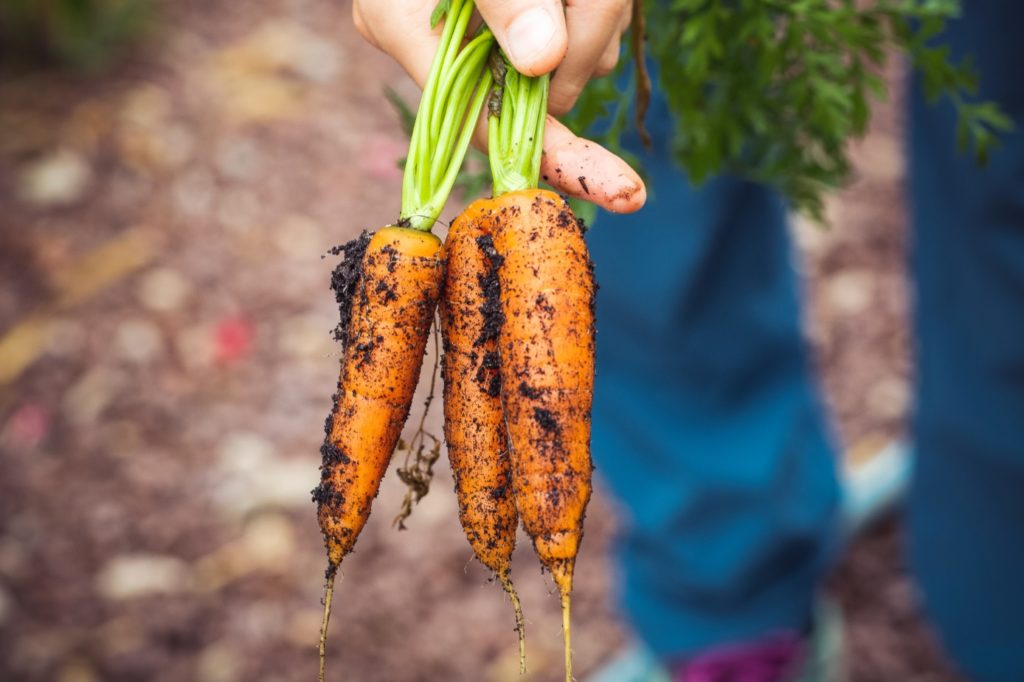
While you can’t regrow full carrots from scraps, you can regrow their tasty greens. Save the tops of your carrots and place them in a shallow dish with water. Keep the dish in a sunny spot and change the water every few days. In a short time, you’ll see new green shoots emerging from the tops.
These carrot greens are edible and can be used in salads, pesto, or as a garnish. They add a fresh, slightly bitter flavor to dishes. I enjoy the vibrant greenery they bring to my windowsill, and it’s a great way to make the most of every part of the carrot!
Garlic
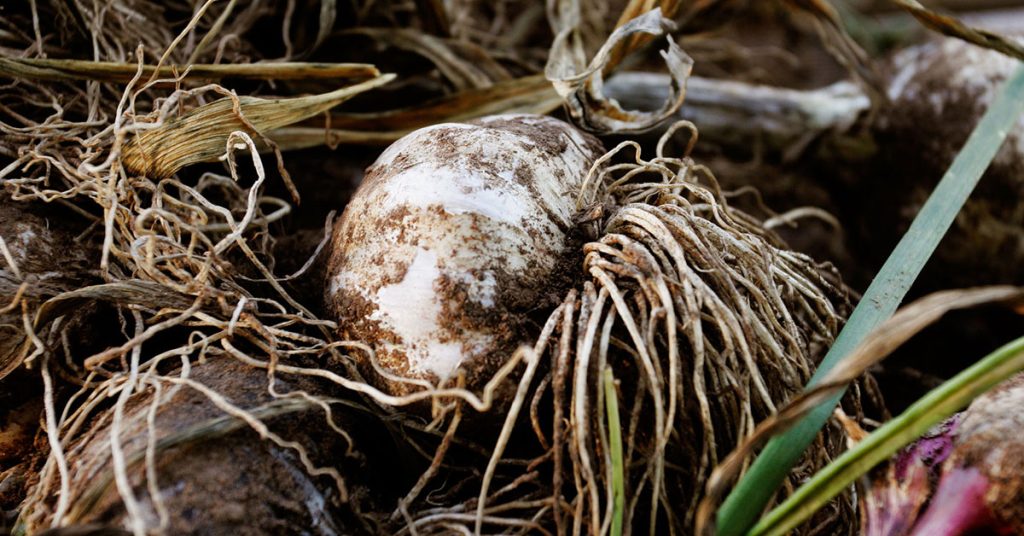
Garlic is an easy vegetable to regrow from individual cloves. Plant a garlic clove, pointed end up, in a pot of soil and place it in a sunny spot. Water it regularly, and soon you’ll see green shoots emerging from the soil. Each clove can grow into a new garlic bulb over time.
Garlic also produces flavorful greens, known as garlic scapes, which can be harvested and used in cooking. They have a mild garlic flavor and are perfect for adding to stir-fries and soups. I love the dual harvest of garlic bulbs and scapes, making it a highly rewarding plant to regrow!
Basil
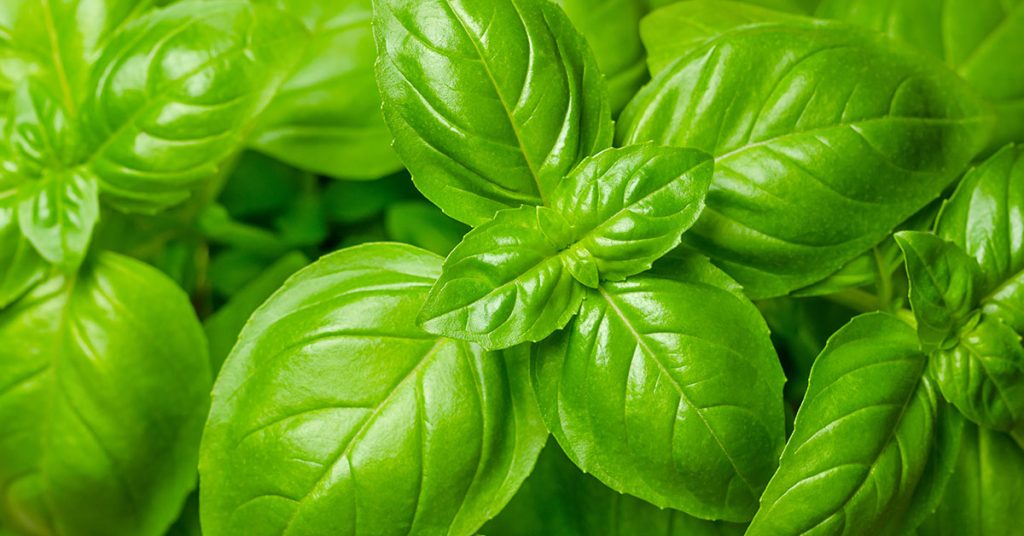
Basil is a popular herb that can be easily regrown from cuttings. Take a 4-inch cutting from a healthy basil plant, remove the lower leaves, and place the stem in a glass of water. Keep the glass in a sunny spot and change the water regularly. In a week or so, you’ll see roots developing.
Once the roots are about an inch long, transplant the cutting into soil. Basil grows best in warm, sunny conditions and requires regular watering. I love having fresh basil on hand for making pesto, adding to pasta dishes, or garnishing salads. It’s one of my favorite herbs to regrow for its delightful aroma and flavor!
Romaine Lettuce
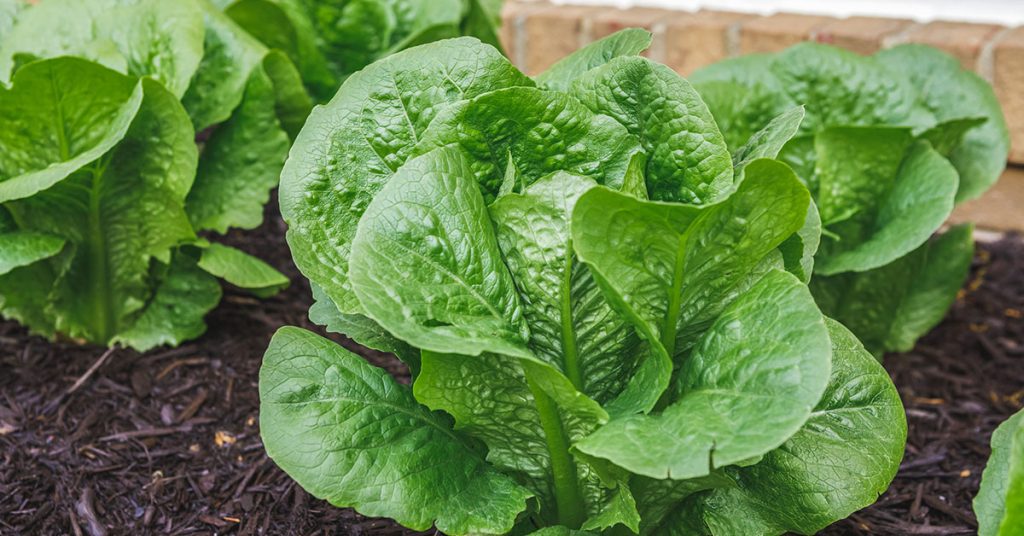
Romaine lettuce can be regrown similarly to other lettuces. Save the base of a romaine head and place it in a shallow dish of water. Keep the dish in a sunny spot and change the water every few days. New leaves will start to grow from the center of the base.
Once the new leaves are a few inches tall, you can transplant the romaine base into soil for continued growth. Romaine lettuce is a hardy vegetable that thrives in cool weather and partial shade. I love the crisp, fresh leaves that regrow from romaine scraps, perfect for salads and wraps!
Bok Choy
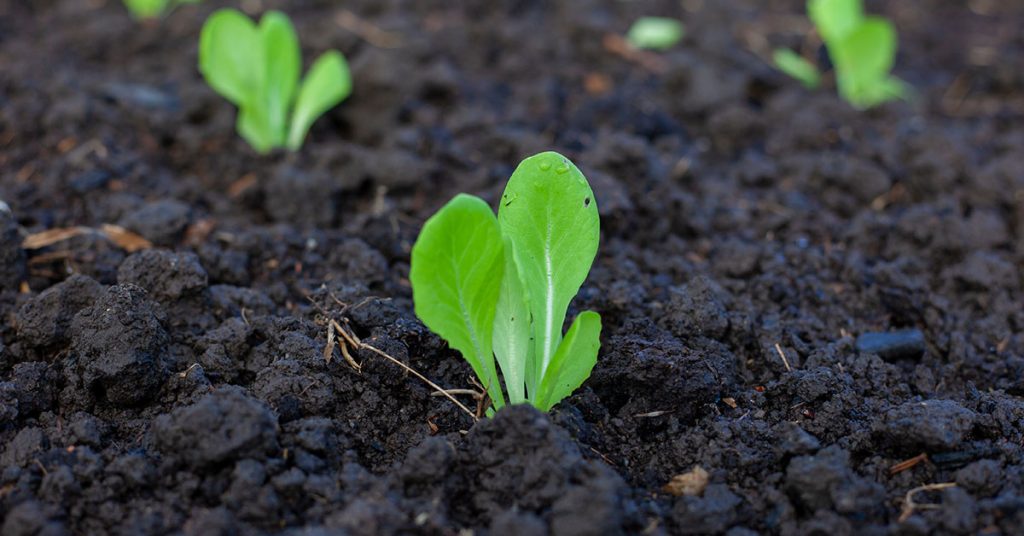
Bok choy is a leafy green that’s easy to regrow from its base. Place the base of the bok choy in a shallow dish of water and keep it in a sunny spot. Change the water every couple of days, and new leaves will begin to sprout from the center.
After a week or so, you can transplant the bok choy base into soil for continued growth. Bok choy grows best in cool weather and partial shade, making it an excellent choice for indoor gardening. I enjoy the tender, flavorful leaves of regrown bok choy in stir-fries and soups!
Ginger
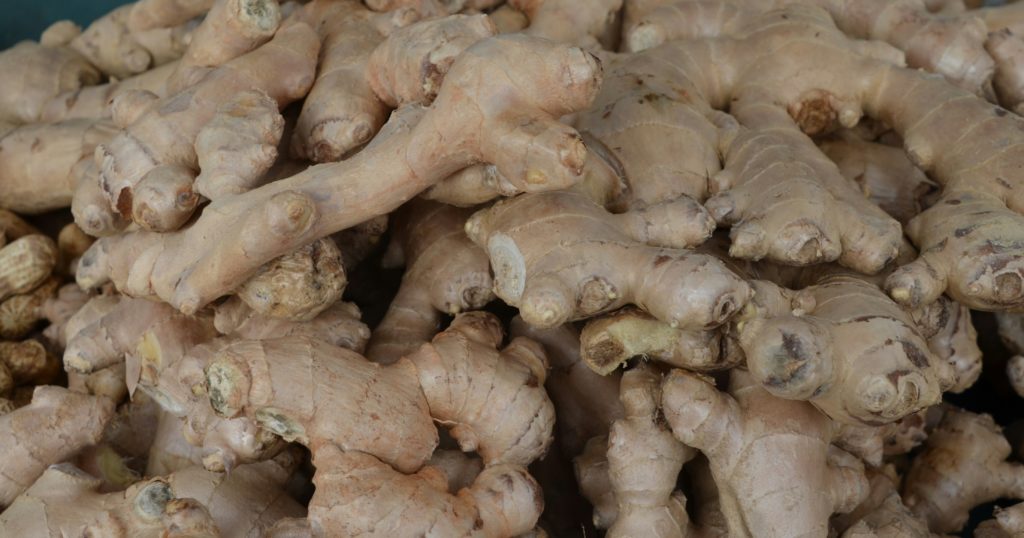
Ginger is a versatile root that can be regrown from a small piece of the rhizome. Choose a piece with visible “eyes” or growth buds and plant it in a pot of soil, with the buds facing upward. Place the pot in a warm, sunny spot and water it regularly.
Ginger plants will grow new shoots and roots over time. You can harvest small pieces of the rhizome as needed, allowing the plant to continue growing. I love having fresh ginger available for teas, cooking, and even baking. It’s a wonderful spice to regrow and use in various recipes!
Potatoes
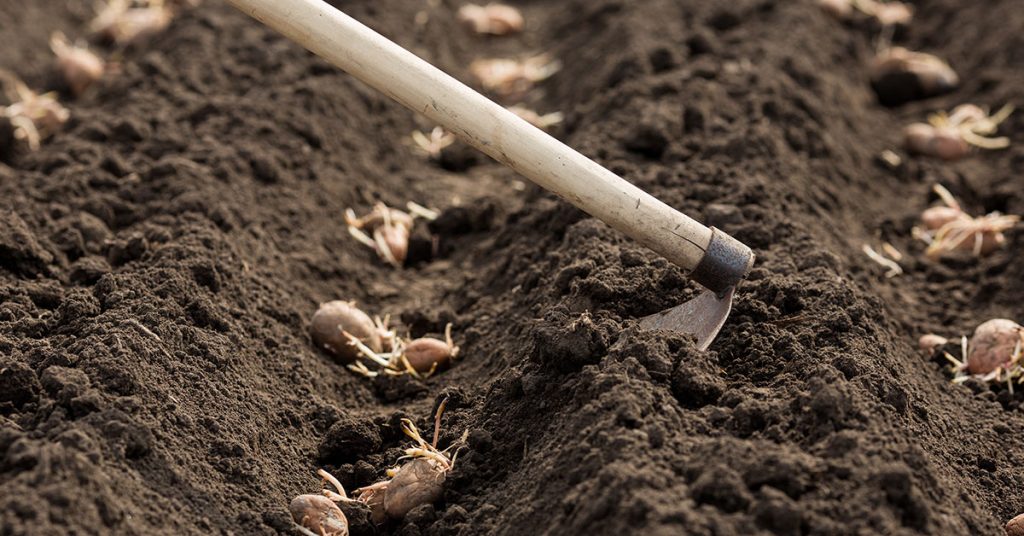
Potatoes are a classic vegetable that can be easily regrown from scraps. Save a piece of potato with at least one “eye” or bud and plant it in a pot of soil. Cover the piece with about an inch of soil and place the pot in a sunny spot. Water regularly to keep the soil moist.
New potato plants will sprout from the buds, eventually producing a fresh crop of potatoes. Potatoes require plenty of sunlight and space to grow, making them suitable for larger indoor containers or outdoor gardens. I enjoy the process of growing potatoes from scraps and the satisfaction of harvesting homegrown spuds!
By regrowing these vegetables from scraps, you can enjoy fresh produce while reducing waste and saving money. Each of these plants is easy to regrow and can thrive with minimal effort.