

If you’re tired of pesky mosquitoes ruining your outdoor time, attracting dragonflies to your garden might be the perfect solution! Dragonflies are natural predators of mosquitoes, and they can eat hundreds of them each day. By planting specific plants that attract dragonflies, you can create a beautiful, mosquito-free environment.
In this article, I’m thrilled to share eight plants that will help you attract dragonflies to your garden. These plants not only add beauty to your outdoor space but also create a habitat that supports dragonflies throughout their life cycle. Let’s dive into these fantastic plant choices and discover how you can enjoy a garden filled with dragonflies!
Water Lilies
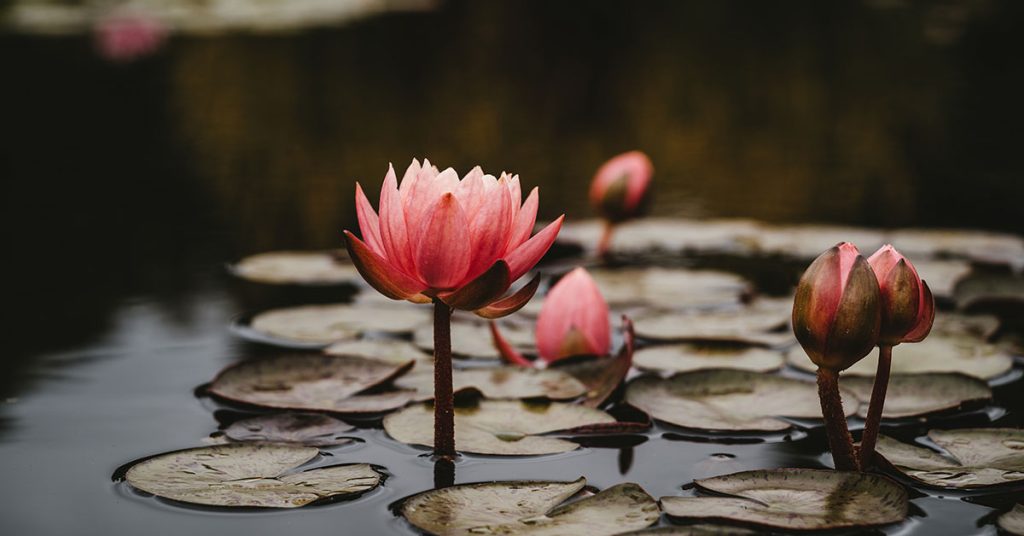
Water lilies are one of my favorite plants for attracting dragonflies! These stunning aquatic plants provide excellent egg-laying sites for dragonflies. The large, floating leaves offer a perfect resting spot for adult dragonflies, while the flowers add a pop of color to your water garden.
To grow water lilies, plant them in containers filled with heavy clay soil and submerge the containers in a pond or water feature. Water lilies prefer full sun and should be planted in still or slow-moving water. They require regular fertilization during the growing season. The beautiful blooms and broad leaves of water lilies create an ideal habitat for dragonflies and add a serene touch to your garden!
Arrowhead
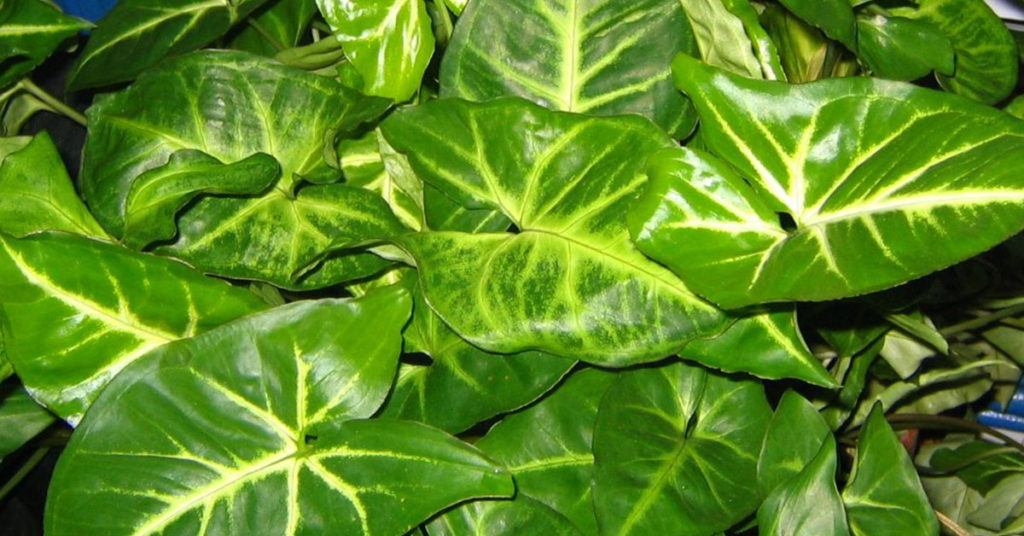
Arrowhead, also known as Sagittaria, is another excellent aquatic plant that attracts dragonflies. This plant features arrow-shaped leaves and produces small, white flowers that add charm to any water garden. Arrowhead provides ideal egg-laying sites for dragonflies and offers shelter for their larvae.
To grow arrowhead, plant it in shallow water or along the edges of a pond in containers filled with heavy clay soil. Arrowhead prefers full sun to partial shade and should be kept in consistently moist conditions. This plant can tolerate a range of water depths, making it versatile for different water features. Arrowhead’s unique foliage and dragonfly-attracting qualities make it a wonderful addition to your garden!
Pickerelweed

Pickerelweed is a lovely aquatic plant that produces vibrant purple-blue flowers, attracting dragonflies with its tall, sturdy stems. This plant provides excellent perching and egg-laying sites for dragonflies, making it a valuable addition to any water garden.
To grow pickerelweed, plant it in shallow water or along the edges of a pond in containers filled with heavy clay soil. Pickerelweed prefers full sun and should be kept in consistently moist conditions. This plant can grow up to 3 feet tall, adding height and color to your water garden. The beautiful flowers and robust growth of pickerelweed create an inviting habitat for dragonflies!
Cattails
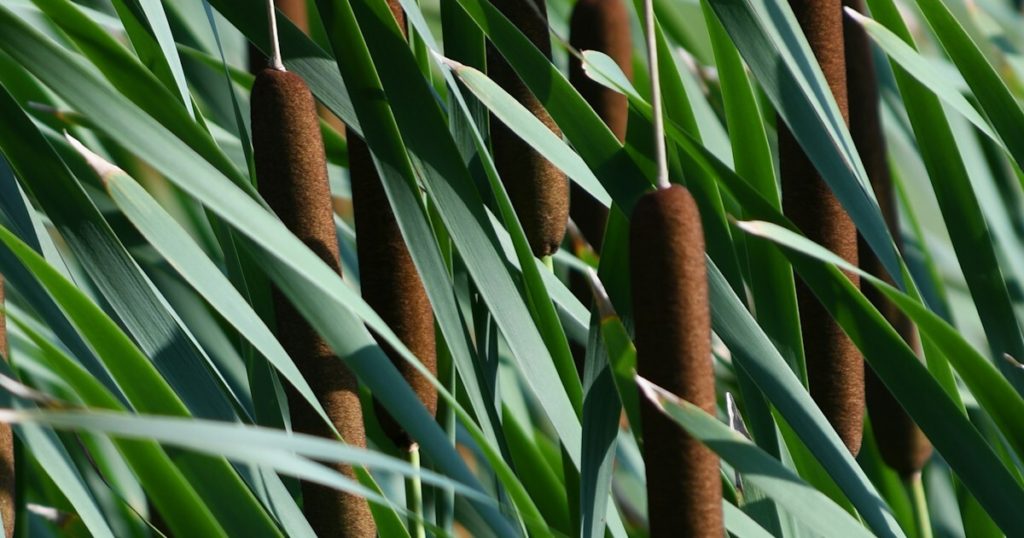
Cattails are classic water plants that are perfect for attracting dragonflies. Their tall, slender stalks provide excellent perching sites for adult dragonflies, while the dense foliage offers shelter for dragonfly larvae. Cattails also add a natural, wild look to your water garden.
To grow cattails, plant them in shallow water or along the edges of a pond in containers filled with heavy clay soil. Cattails prefer full sun and should be kept in consistently moist conditions. These plants can grow quite tall, so ensure they have enough space to spread. With their iconic appearance and dragonfly-friendly habitat, cattails are a must-have for any water garden!
Swamp Milkweed

Swamp milkweed is a beautiful native plant that attracts dragonflies with its tall, sturdy stems and clusters of pink flowers. This plant provides excellent perching sites for adult dragonflies and supports a variety of pollinators.
To grow swamp milkweed, plant it in well-drained soil in a sunny location. Swamp milkweed prefers moist conditions but can tolerate periodic drying. It can grow up to 5 feet tall, adding height and color to your garden. The attractive flowers and robust growth of swamp milkweed create an inviting habitat for dragonflies and other beneficial insects!
Joe-Pye Weed

Joe-Pye weed is a tall perennial that produces clusters of pinkish-purple flowers, attracting dragonflies and other pollinators. This plant provides excellent perching sites for adult dragonflies and adds a natural, meadow-like look to your garden.
To grow Joe-Pye weed, plant it in well-drained soil in a sunny or partially shaded location. Joe-Pye weed prefers moist conditions and can grow up to 7 feet tall, making it a striking focal point in your garden. The beautiful flowers and towering stems of Joe-Pye weed create an inviting habitat for dragonflies and add a touch of wild beauty to your outdoor space!
Yarrow
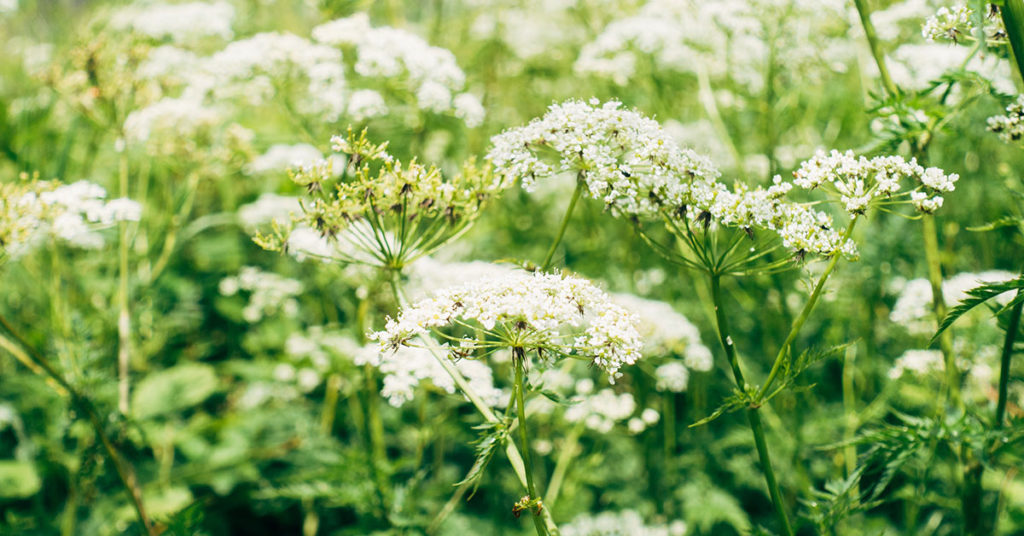
Yarrow is a hardy perennial that produces clusters of small, white, yellow, pink, or red flowers. This plant attracts dragonflies with its tall, sturdy stems and provides excellent perching sites for adult dragonflies. Yarrow also supports a variety of pollinators and beneficial insects.
To grow yarrow, plant it in well-drained soil in a sunny location. Yarrow is drought-tolerant and requires minimal maintenance once established. It can grow up to 3 feet tall, adding height and color to your garden. The attractive flowers and robust growth of yarrow create an inviting habitat for dragonflies and enhance the overall beauty of your garden!
Wild Celery

Wild celery, also known as eelgrass, is an excellent aquatic plant that attracts dragonflies with its long, ribbon-like leaves. This plant provides ideal egg-laying sites for dragonflies and offers shelter for their larvae. Wild celery also helps improve water quality by absorbing excess nutrients.
To grow wild celery, plant it in shallow water or along the edges of a pond in containers filled with heavy clay soil. Wild celery prefers full sun to partial shade and should be kept in consistently moist conditions. The unique foliage and dragonfly-attracting qualities of wild celery make it a wonderful addition to your water garden!
Tips for Growing Dragonfly-Attracting Plants Effectively
- Choose the Right Location: Ensure that your water garden or pond receives adequate sunlight, as most dragonfly-attracting plants prefer full sun to partial shade.
- Provide Clean Water: Keep your water feature clean and free of debris to create a healthy environment for dragonflies and their larvae.
- Use Containers: Plant your aquatic plants in containers filled with heavy clay soil to prevent them from spreading uncontrollably and to make maintenance easier.
- Create Variety: Incorporate a mix of plants with different heights and growth habits to provide various perching and egg-laying sites for dragonflies.
- Avoid Chemicals: Refrain from using pesticides and herbicides near your water garden, as these can harm dragonflies and other beneficial insects.
By incorporating these dragonfly-attracting plants into your garden, you can enjoy a beautiful, mosquito-free outdoor space filled with these fascinating and beneficial insects.