
Growing your own vegetables can be incredibly rewarding, especially when you have limited garden space but still want to maximize your harvest. Whether you’re working with a small backyard plot, raised beds, or even containers, selecting high-yield vegetables can make the most of your efforts and space. There’s nothing quite like the satisfaction of picking fresh produce from your garden and knowing you’ve made the most of every inch of soil!
As an enthusiastic gardener, I’m excited to share with you 15 high-yield vegetables that are perfect for small gardens. These vegetables are not only prolific but also easy to grow, ensuring you get the best return on your gardening investment. Let’s dive into these productive plants and discover how to achieve a bountiful harvest even in the smallest of spaces!
Cherry Tomatoes
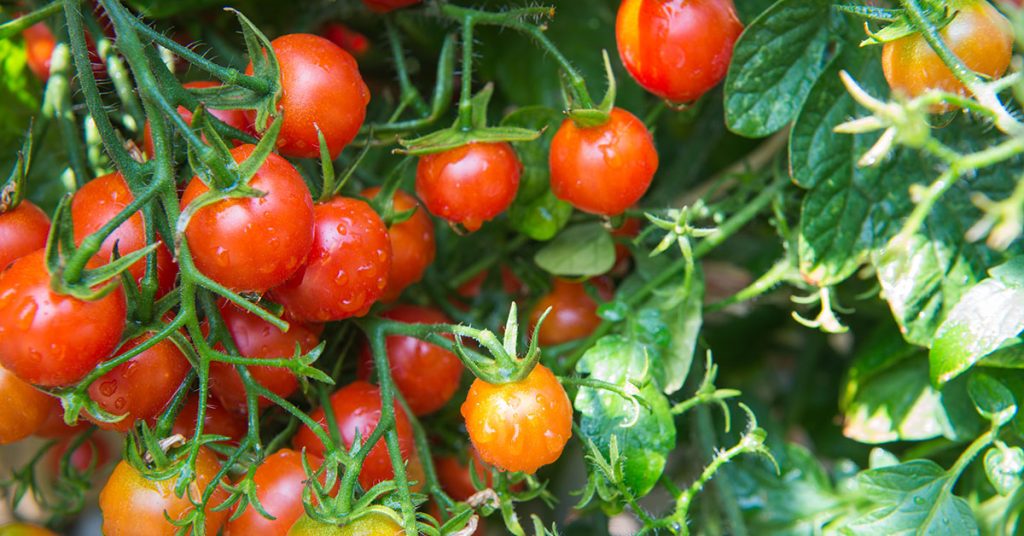
Cherry tomatoes are one of my favorite plants to grow in a small garden because they produce an abundance of bite-sized fruits over a long growing season. These compact plants can thrive in containers or small garden beds and require minimal space. Varieties like ‘Sweet 100’ or ‘Sun Gold’ are known for their prolific yields and deliciously sweet flavor.
To grow cherry tomatoes, plant them in well-drained soil in a sunny location that receives at least 6 hours of sunlight daily. Regular watering and feeding with a balanced fertilizer will encourage healthy growth and fruit production. Cherry tomato plants can yield hundreds of tomatoes per season, ensuring you have plenty to enjoy fresh, in salads, or even roasted!
Zucchini
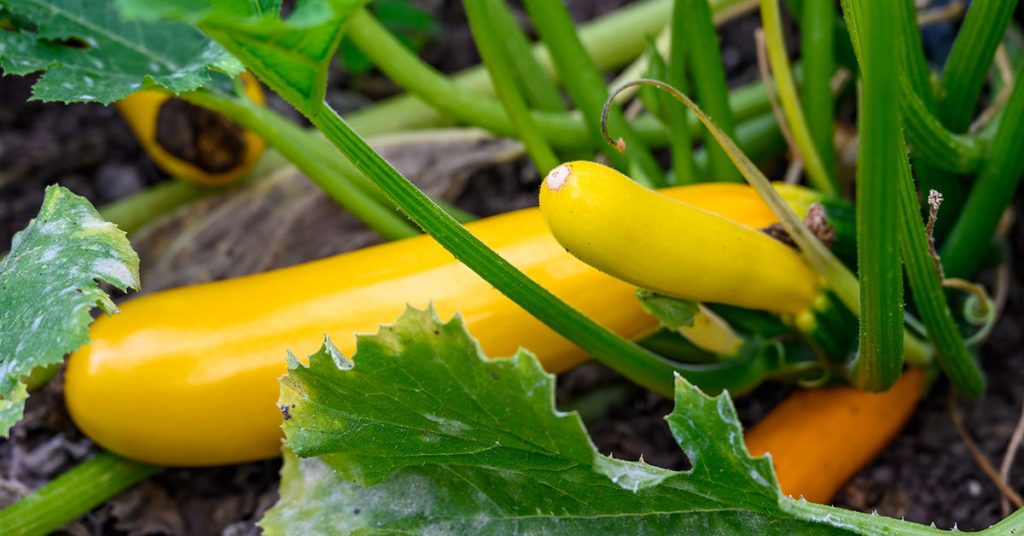
Zucchini is a high-yield vegetable that can produce an impressive amount of fruit from just a single plant. These versatile squash are perfect for small gardens as they can be grown vertically with the support of a trellis, maximizing your space. Varieties like ‘Black Beauty’ or ‘Cocozelle’ are particularly productive.
To grow zucchini, plant seeds directly in well-drained soil in a sunny spot. Zucchini needs regular watering to keep the soil consistently moist. Once the plants start flowering, they will quickly produce fruits, and you can expect to harvest several zucchinis per week from each plant. Regular harvesting encourages the plants to produce even more!
Green Beans
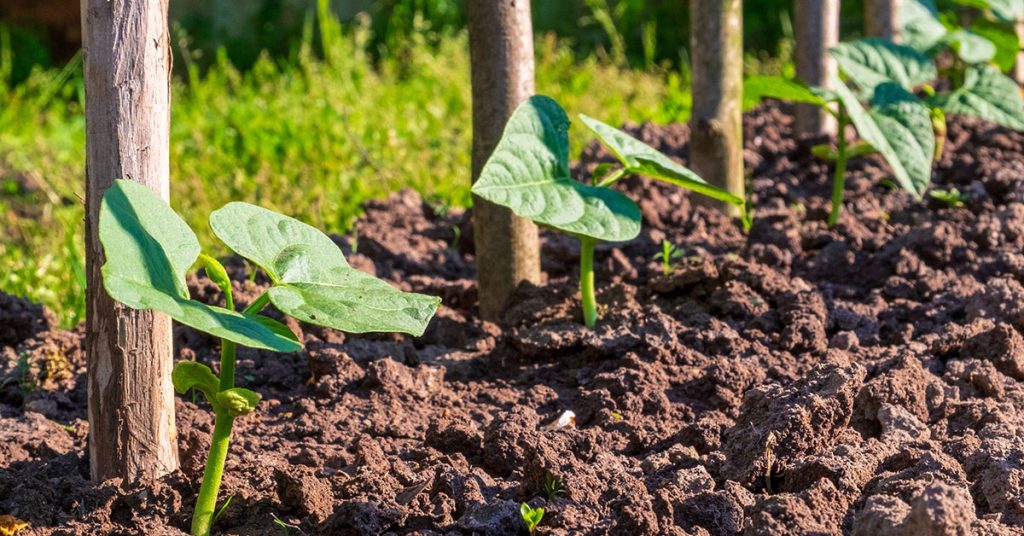
Green beans are another excellent choice for small gardens due to their high yield and compact growth habit. Bush varieties like ‘Provider’ or pole varieties like ‘Kentucky Wonder’ are both productive and space-efficient. Green beans can be grown in containers, raised beds, or traditional garden plots.
To grow green beans, plant seeds directly in the soil after the last frost. Ensure they receive plenty of sunlight and regular watering. For pole beans, provide a trellis or support for the vines to climb. Green beans typically start producing about 50 to 60 days after planting, and with regular harvesting, you can enjoy continuous production throughout the season.
Spinach
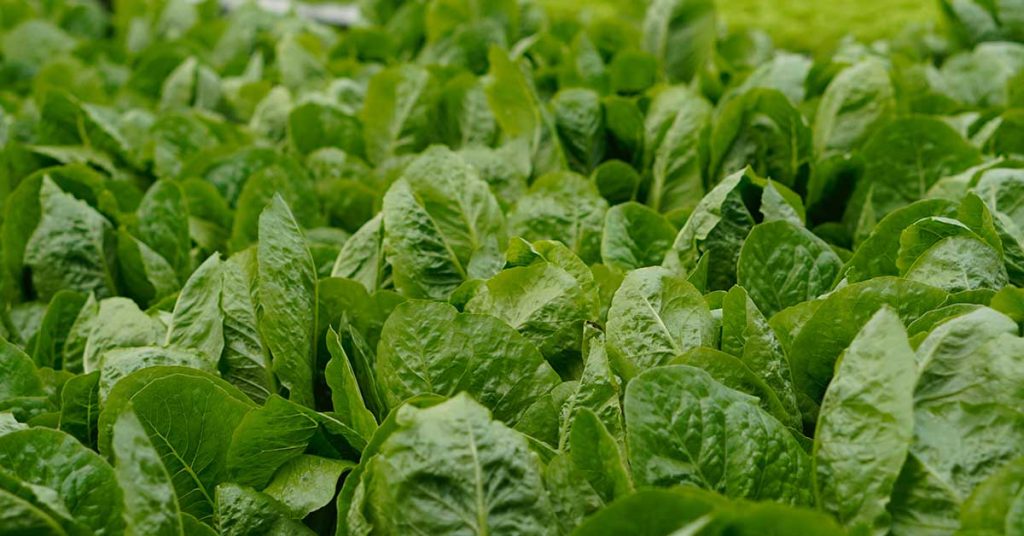
Spinach is a fast-growing leafy green that can provide multiple harvests in a small space. This nutrient-packed vegetable can be grown in garden beds, containers, or even window boxes. Varieties like ‘Bloomsdale’ or ‘Space’ are known for their high yields and tender leaves.
To grow spinach, plant seeds directly in well-drained soil in a spot that receives partial to full sun. Keep the soil consistently moist to ensure rapid growth. Spinach can be harvested as baby greens in just a few weeks or allowed to mature for larger leaves. Regular harvesting of outer leaves encourages continuous production, making spinach a fantastic high-yield option for small gardens.
Radishes
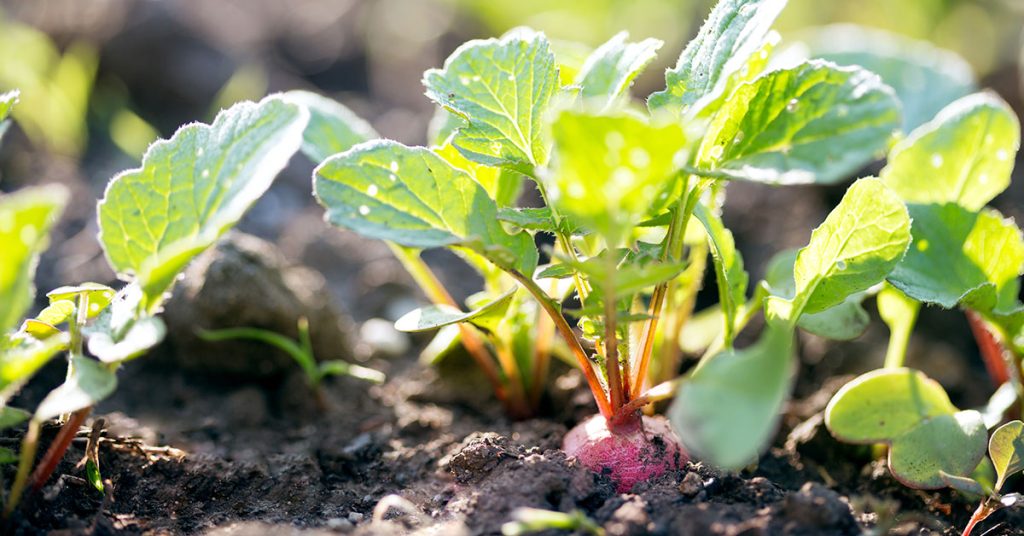
Radishes are one of the quickest vegetables to grow, making them ideal for small gardens where space and time are limited. These root vegetables can be harvested in as little as 3 to 4 weeks from planting, providing a quick and satisfying yield. Varieties like ‘Cherry Belle’ or ‘French Breakfast’ are both productive and flavorful.
To grow radishes, plant seeds directly in well-drained soil in a sunny or partially shaded spot. Keep the soil consistently moist to ensure rapid growth and tender roots. Thin the seedlings to about 2 inches apart once they sprout. You can succession plant radishes every few weeks to maintain a steady supply throughout the growing season. The quick turnaround time and high yield make radishes a great choice for small gardens.
Lettuce
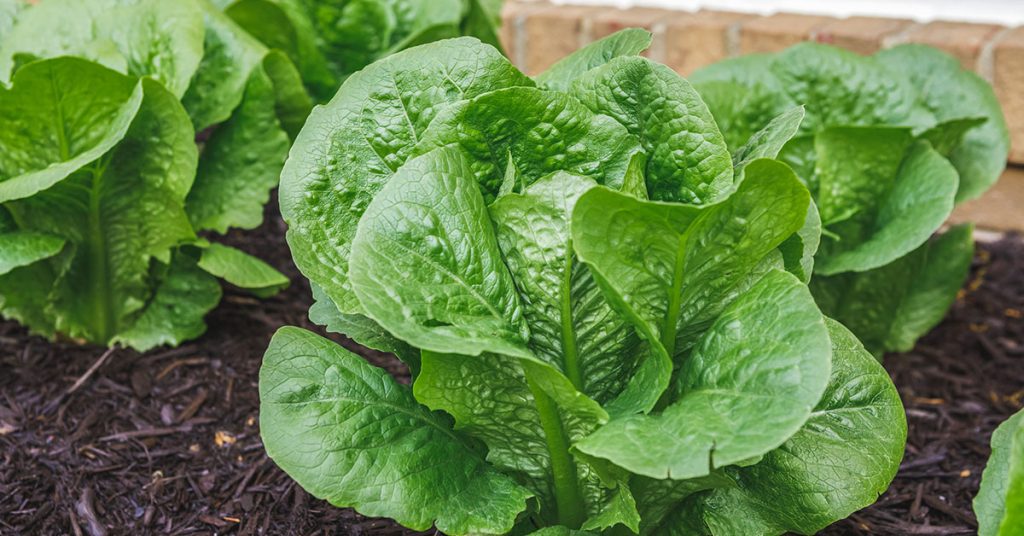
Lettuce is a versatile and high-yield vegetable that can thrive in small gardens. With a variety of types to choose from, including leaf, romaine, and butterhead, you can enjoy fresh, crisp salads all season long. Varieties like ‘Black Seeded Simpson’ or ‘Little Gem’ are particularly well-suited for small spaces.
To grow lettuce, sow seeds directly in well-drained soil in a sunny or partially shaded spot. Lettuce prefers cooler temperatures, so it’s best to plant in early spring or fall. Keep the soil consistently moist to ensure tender leaves. You can start harvesting lettuce leaves when they are young and tender, and with regular cutting, the plants will continue to produce new growth.
Peppers

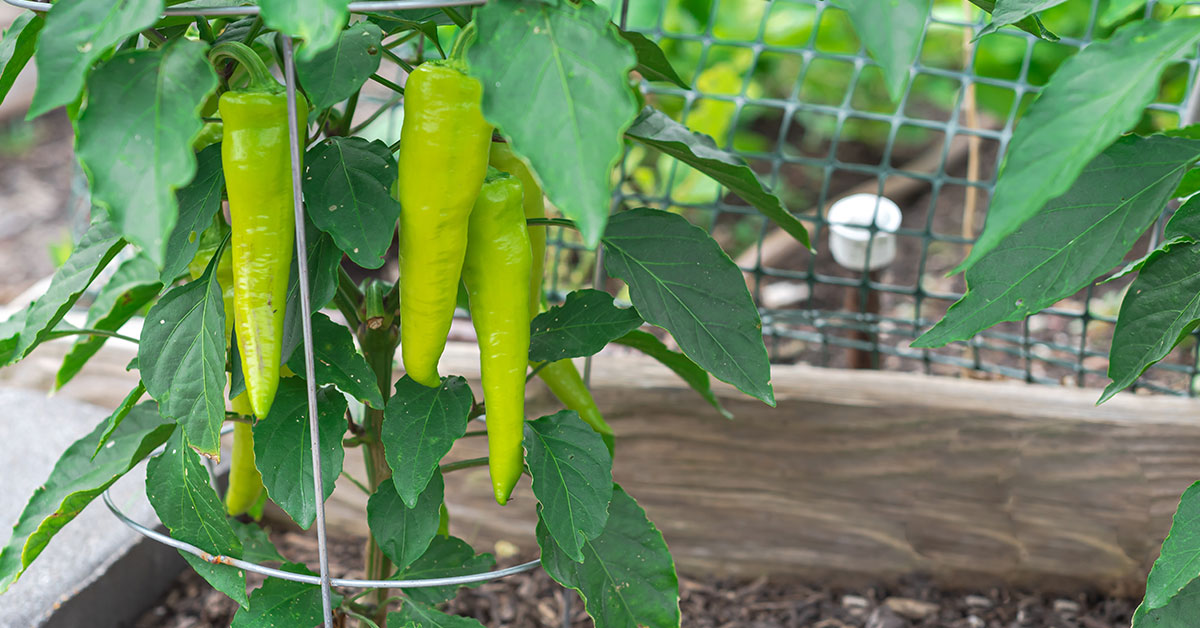
Peppers, whether sweet or hot, are prolific producers that can thrive in small garden spaces. Varieties like ‘Bell Boy’ for sweet peppers or ‘Jalapeno’ for hot peppers are known for their high yields and compact growth. Peppers are perfect for containers or small garden beds.
To grow peppers, start seeds indoors and transplant them outside after the last frost. Plant them in well-drained soil in a sunny location that receives at least 6 hours of sunlight daily. Peppers need regular watering and feeding with a balanced fertilizer to support fruit production. Each pepper plant can yield dozens of fruits over the growing season, ensuring a bountiful harvest.
Cucumbers
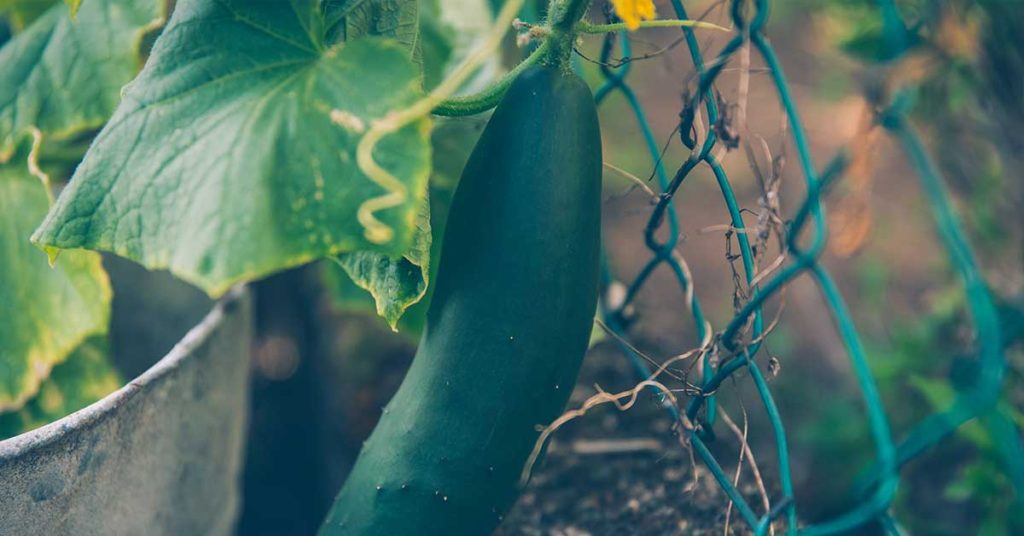
Cucumbers are another high-yield vegetable that can produce an impressive amount of fruit in a small space. Varieties like ‘Spacemaster’ or ‘Bush Champion’ are specifically bred for compact growth, making them ideal for small gardens or containers. You can also grow cucumbers vertically to save space.
To grow cucumbers, plant seeds directly in well-drained soil in a sunny spot. Provide a trellis or support for the vines to climb. Cucumbers need regular watering to keep the soil consistently moist. Once they start producing, you can expect to harvest several cucumbers per week from each plant. Regular picking encourages more fruit production, making cucumbers a great choice for high yields.
Swiss Chard
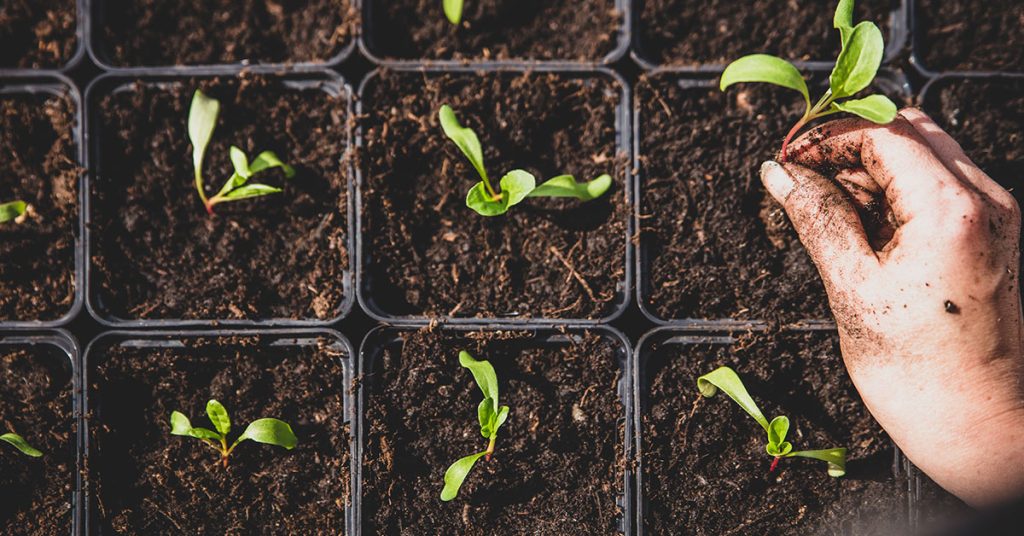
Swiss chard is a colorful, nutrient-rich vegetable that produces an abundance of leaves over a long growing season. Varieties like ‘Bright Lights’ or ‘Fordhook Giant’ are known for their high yields and vibrant stems. Swiss chard can be grown in garden beds, containers, or even window boxes.
To grow Swiss chard, plant seeds directly in well-drained soil in a sunny or partially shaded spot. Keep the soil consistently moist to ensure rapid growth. You can start harvesting the outer leaves when they are large enough, and the plant will continue to produce new leaves. Swiss chard’s continuous production makes it a valuable addition to any small garden.
Beets
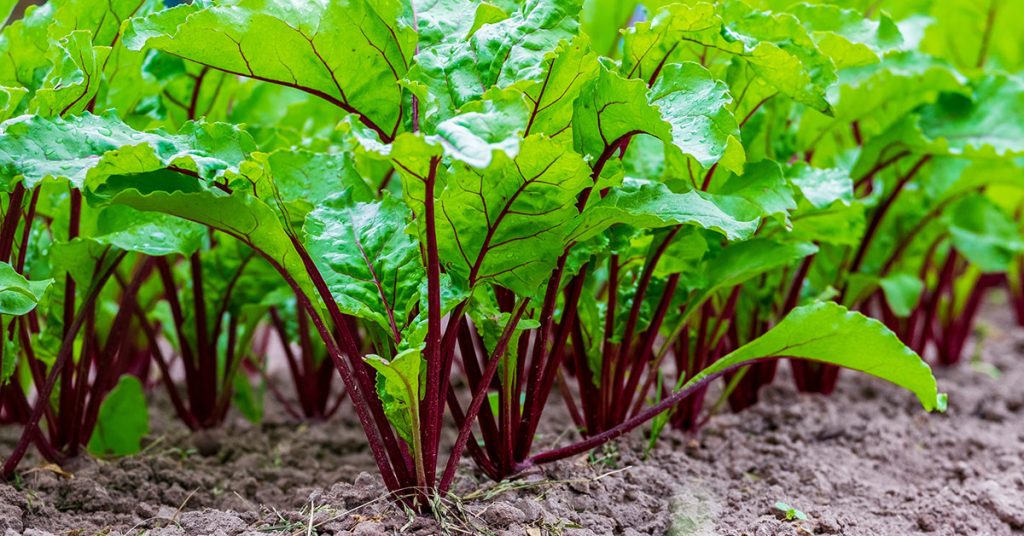
Beets are a dual-purpose vegetable that provides both delicious roots and nutritious greens. Varieties like ‘Detroit Dark Red’ or ‘Golden’ are known for their high yields and sweet flavor. Beets can be grown in small garden beds or containers, making them perfect for limited spaces.
To grow beets, plant seeds directly in well-drained soil in a sunny or partially shaded spot. Thin the seedlings to about 3 inches apart to allow the roots to develop properly. Keep the soil consistently moist to promote even growth. Beets typically take about 50 to 70 days to mature, and you can harvest the greens earlier for a continuous supply. Enjoy roasted beets or use the greens in salads and sautés!
Carrots
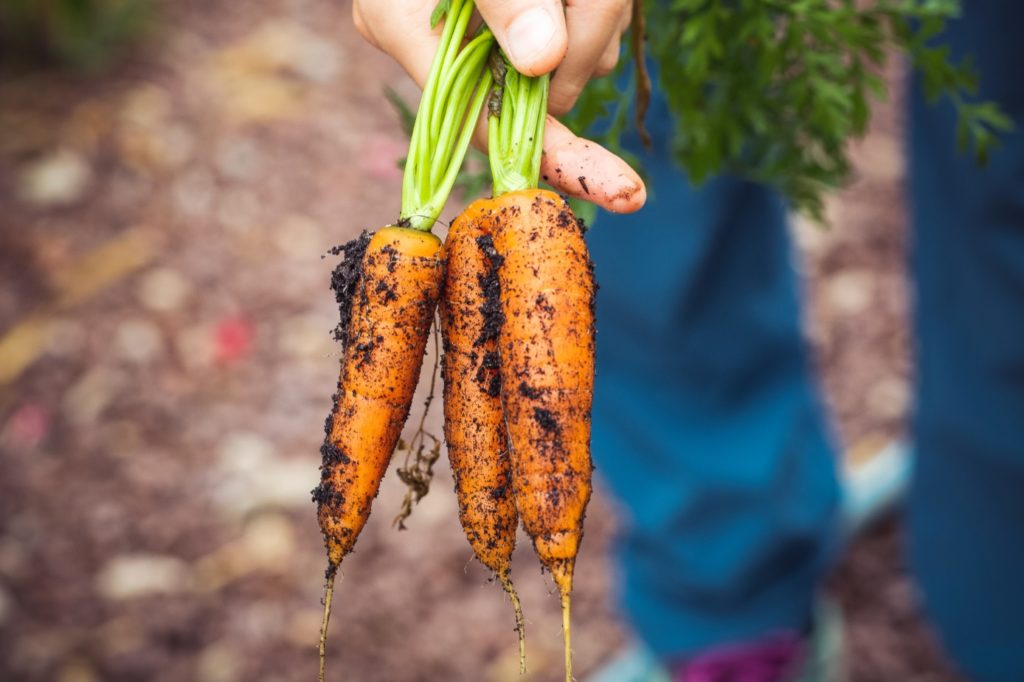
Carrots are another root vegetable that can provide a high yield in a small space. Varieties like ‘Nantes’ or ‘Danvers’ are known for their sweet flavor and productive growth. Carrots are perfect for garden beds, containers, or even deep window boxes.
To grow carrots, plant seeds directly in well-drained, loose soil. Thin the seedlings to about 2 inches apart once they sprout to give the roots space to develop. Keep the soil consistently moist to prevent the roots from becoming tough and bitter. Carrots typically take about 60 to 80 days to mature, providing a steady supply of crunchy, nutritious roots.
Bush Beans
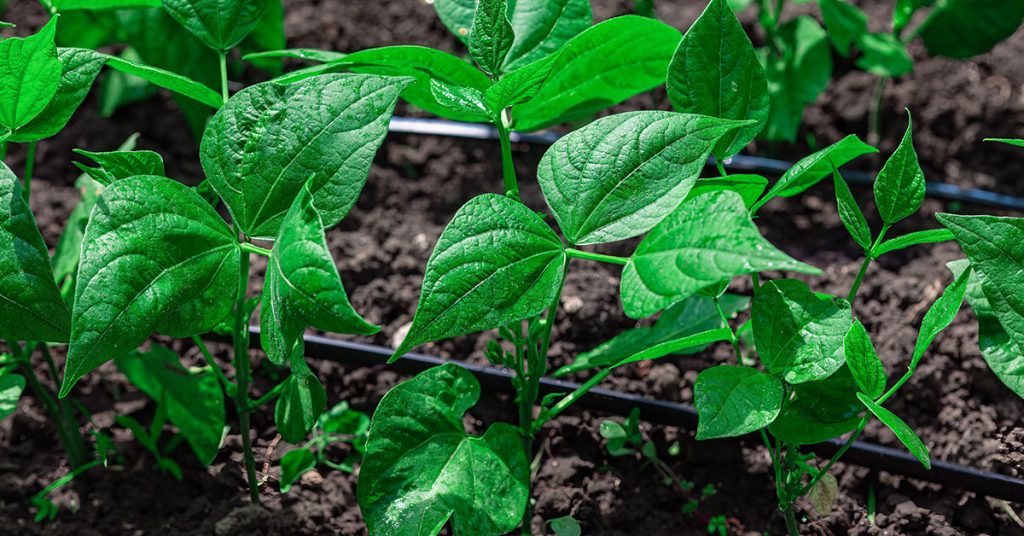
Bush beans are a high-yield, space-efficient vegetable that can thrive in small gardens. Varieties like ‘Provider’ or ‘Bush Blue Lake’ are known for their compact growth and prolific production. Bush beans are ideal for garden beds, containers, or even hanging baskets.
To grow bush beans, plant seeds directly in well-drained soil after the last frost. Ensure they receive plenty of sunlight and regular watering. Bush beans start producing about 50 to 60 days after planting, and with regular harvesting, you can enjoy a continuous supply throughout the season. Fresh green beans are perfect for salads, stir-fries, and steaming.
Peas

Peas are a cool-season crop that can produce a high yield in a small space. Varieties like ‘Sugar Snap’ or ‘Little Marvel’ are known for their sweet flavor and productive growth. Peas can be grown in garden beds, containers, or even vertical spaces with the help of a trellis.
To grow peas, sow seeds directly in well-drained soil in early spring or fall. Provide support for the vines to climb and keep the soil consistently moist. Peas typically take about 60 to 70 days to mature, and you can start harvesting when the pods are plump and the peas inside are fully developed. Freshly harvested peas are sweet and tender, perfect for eating raw or adding to dishes.
Garlic
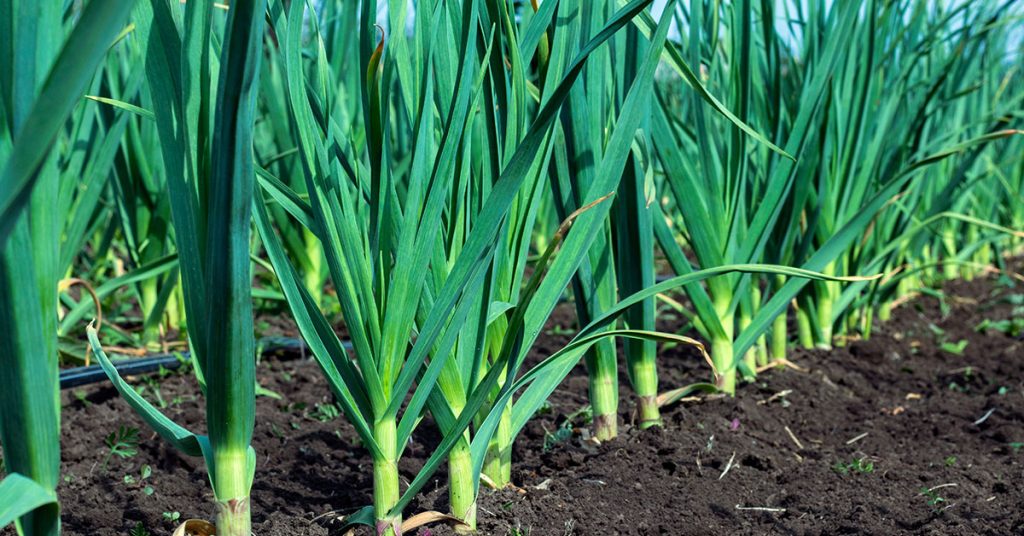
Garlic is a high-yield vegetable that can produce an impressive harvest in a small space. Varieties like ‘Softneck’ or ‘Hardneck’ are known for their strong flavor and productive growth. Garlic is perfect for garden beds, containers, or even small patches in your garden.
To grow garlic, plant cloves directly in well-drained soil in the fall. Ensure they receive plenty of sunlight and regular watering. Garlic takes about 8 to 9 months to mature, and you can start harvesting when the leaves turn yellow and begin to die back. Each garlic bulb can produce several cloves, ensuring a bountiful harvest for cooking and seasoning.
Leafy Greens
Leafy greens like kale, collards, and mustard greens are high-yield vegetables that can thrive in small gardens. Varieties like ‘Lacinato’ kale, ‘Vates’ collards, and ‘Red Giant’ mustard greens are known for their productive growth and nutritious leaves. These greens are perfect for garden beds, containers, or even window boxes.
To grow leafy greens, plant seeds directly in well-drained soil in a sunny or partially shaded spot. Keep the soil consistently moist to ensure tender leaves. You can start harvesting the outer leaves when they are young and tender, and the plants will continue to produce new growth. Leafy greens are perfect for salads, sautés, and adding to soups and stews.
Maximizing your harvest in a small garden is possible with these high-yield vegetables. By choosing the right plants and providing proper care, you can enjoy a bountiful and delicious harvest even in limited space.