

Growing broccoli can be a rewarding experience for any gardener, offering not only delicious and nutritious produce but also a sense of accomplishment. With its crisp texture and rich flavor, broccoli is a versatile vegetable that can be enjoyed in numerous dishes. However, achieving a bountiful harvest requires careful planning and attention to detail. As an enthusiastic gardener, I’m excited to share with you some tried-and-true tips that will help you grow the best broccoli crop possible.
From selecting the right variety to managing pests and diseases, each step in the broccoli-growing process is crucial for success. Whether you’re a seasoned gardener or just starting out, these tips will provide valuable insights to enhance your broccoli harvest. Let’s dive into the world of broccoli cultivation and discover how to make your garden flourish with this wonderful vegetable.
Choose the Right Variety
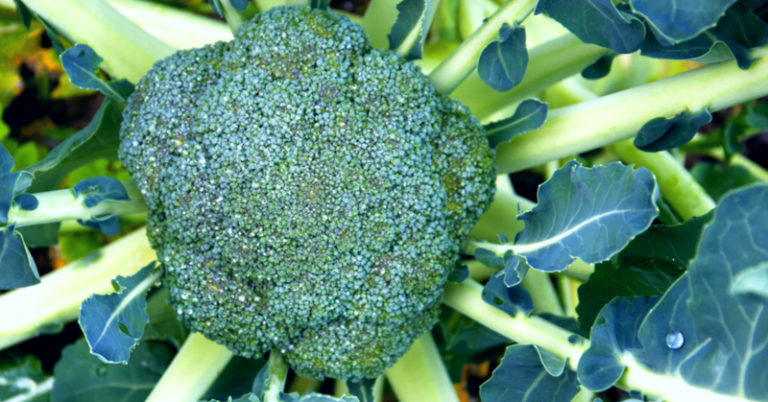
Selecting the right broccoli variety is the first step towards a successful harvest. Different varieties are suited to different climates and growing conditions. For instance, Calabrese broccoli is well-known for its large heads and is ideal for cooler climates, while sprouting broccoli varieties are more tolerant of warmer weather and provide multiple smaller heads.
When choosing a variety, consider your local climate and the specific growing conditions of your garden. Additionally, look for disease-resistant varieties to minimize potential issues. By selecting a variety that is well-suited to your environment, you’ll set the stage for a healthy and productive broccoli crop.
Start Seeds Indoors
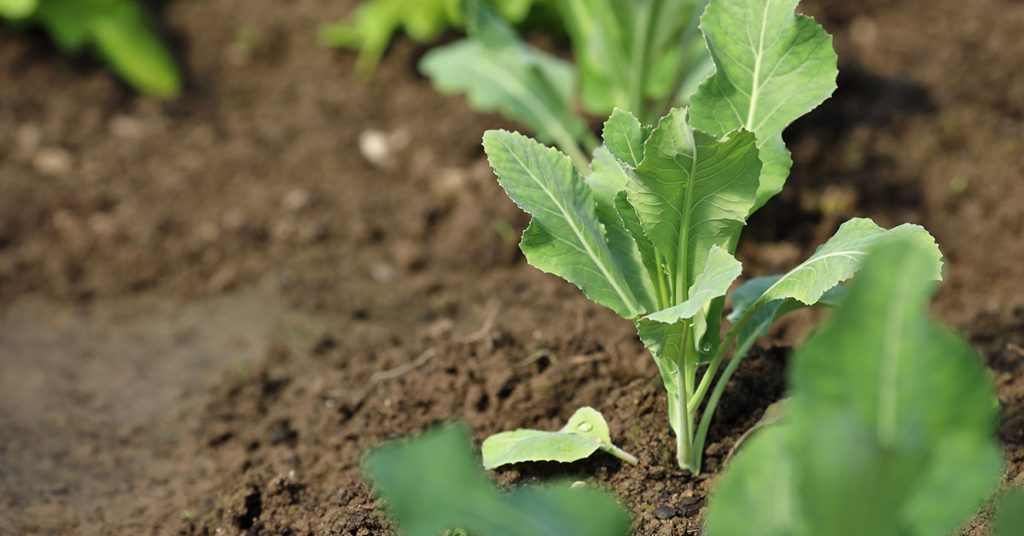
Starting broccoli seeds indoors can give your plants a head start, particularly in regions with short growing seasons. Sow seeds in seed trays or pots about 6-8 weeks before the last expected frost date. Use a high-quality seed-starting mix and keep the soil consistently moist.
Provide ample light, either from a sunny window or grow lights, to ensure strong, healthy seedlings. Once the seedlings have developed a couple of true leaves and the outdoor conditions are favorable, harden them off by gradually exposing them to the outside environment before transplanting them into the garden. This process helps the young plants acclimate and reduces transplant shock.
Prepare the Soil
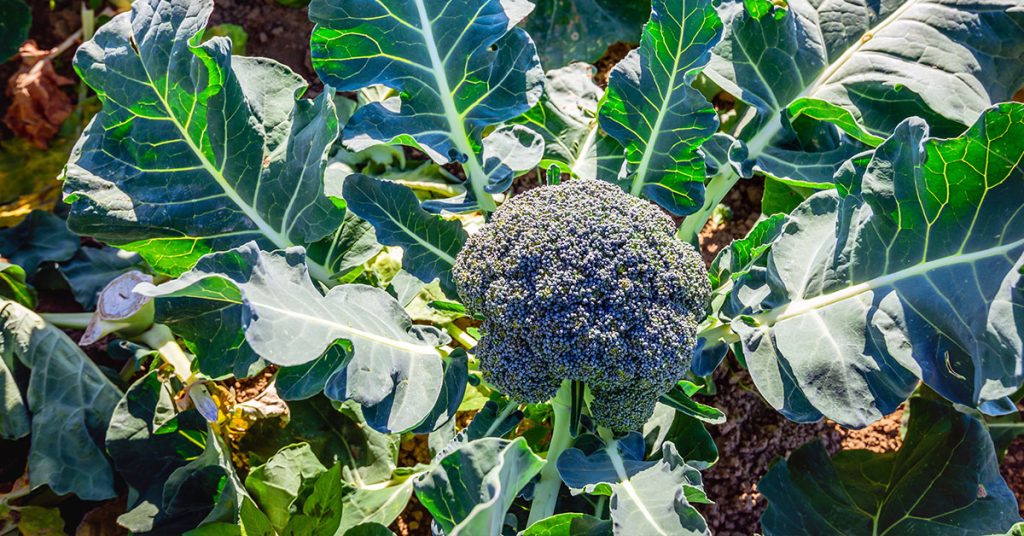
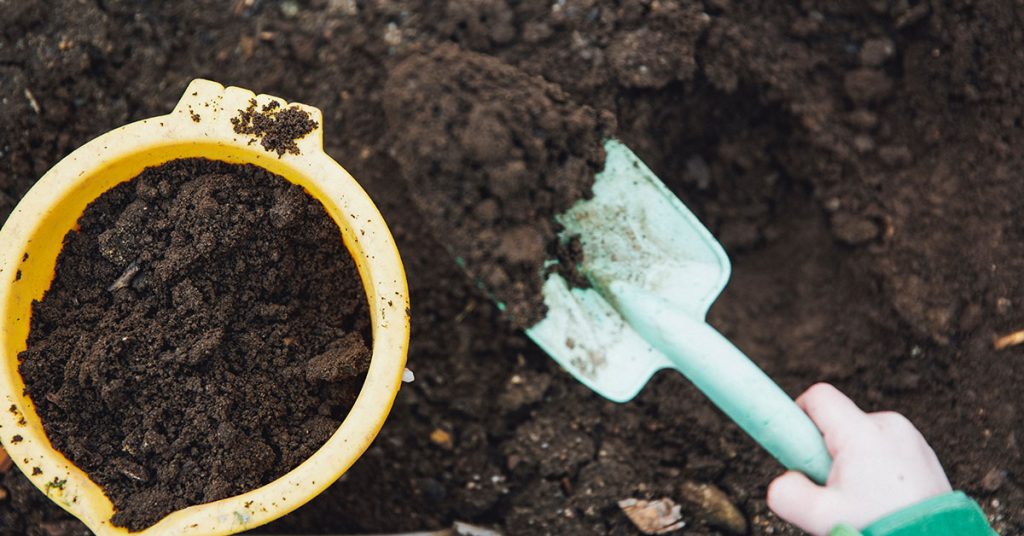
Broccoli thrives in rich, well-drained soil with a pH between 6.0 and 7.0. Before planting, amend your garden bed with plenty of organic matter, such as compost or well-rotted manure, to improve soil fertility and structure. This will provide essential nutrients and help retain moisture.
Perform a soil test to determine if any additional amendments are needed. Broccoli is a heavy feeder and benefits from a balanced fertilizer application before planting. By ensuring your soil is well-prepared, you’ll create an optimal growing environment for your broccoli plants.
Plant at the Right Time
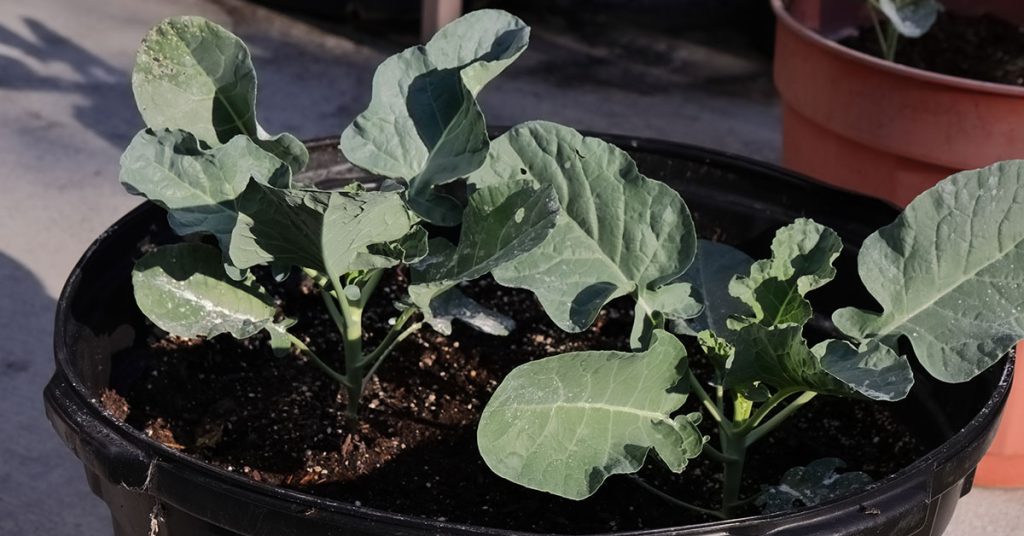
Timing is crucial when planting broccoli. This cool-season crop prefers temperatures between 65-75°F (18-24°C). Planting too early or too late can result in poor growth and reduced yields. For a spring harvest, transplant seedlings into the garden 2-4 weeks before the last expected frost date. For a fall harvest, start seeds indoors in mid-summer and transplant them outside about 6-8 weeks before the first expected frost.
Consider succession planting to extend your harvest period. By planting a few seedlings every couple of weeks, you can enjoy fresh broccoli over a more extended period. Adjust planting times based on your local climate to maximize your harvest potential.
Space Plants Properly
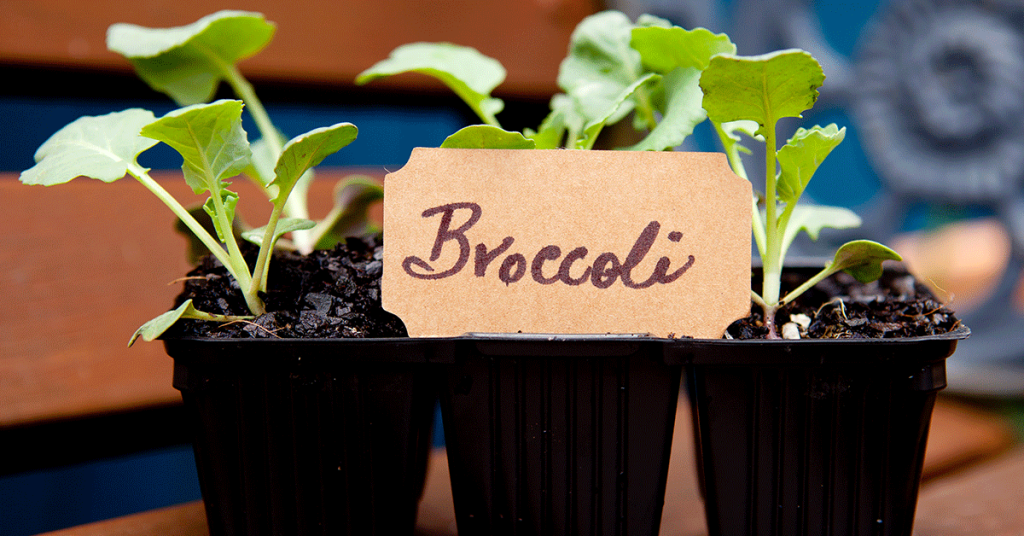
Proper spacing is essential for healthy broccoli growth. Crowded plants can lead to reduced airflow, increased disease risk, and competition for nutrients. Space broccoli plants about 18-24 inches apart in rows that are 24-36 inches apart. This spacing allows each plant to receive adequate sunlight and air circulation.
When planting, dig holes that are large enough to accommodate the root ball of each seedling. Firm the soil around the base of the plants and water them well after planting. Proper spacing and planting techniques will help your broccoli plants thrive and produce larger heads.
Mulch to Retain Moisture
Mulching is an effective way to retain soil moisture, regulate soil temperature, and suppress weeds. Apply a layer of organic mulch, such as straw, wood chips, or compost, around your broccoli plants. This helps keep the soil cool and moist, which is especially important during hot weather.
Mulching also reduces the need for frequent watering and minimizes weed competition. As the mulch breaks down, it adds organic matter to the soil, further enhancing soil fertility. By maintaining consistent moisture levels, you’ll support steady growth and prevent stress on your broccoli plants.
Water Consistently
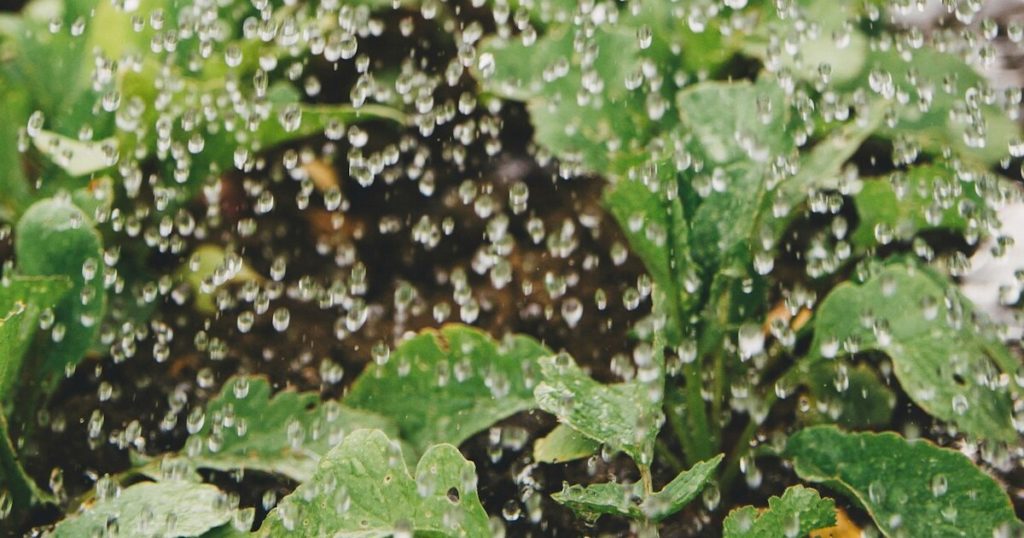
Consistent watering is vital for broccoli development. The soil should be kept consistently moist but not waterlogged. Broccoli plants need about 1-1.5 inches of water per week, either from rainfall or supplemental irrigation. Water deeply at the base of the plants to encourage deep root growth.
Avoid overhead watering, which can promote disease. Instead, use drip irrigation or a soaker hose to deliver water directly to the soil. Mulching can also help conserve moisture and reduce the frequency of watering. Consistent moisture levels will promote healthy growth and prevent issues like splitting or poor head formation.
Fertilize Appropriately
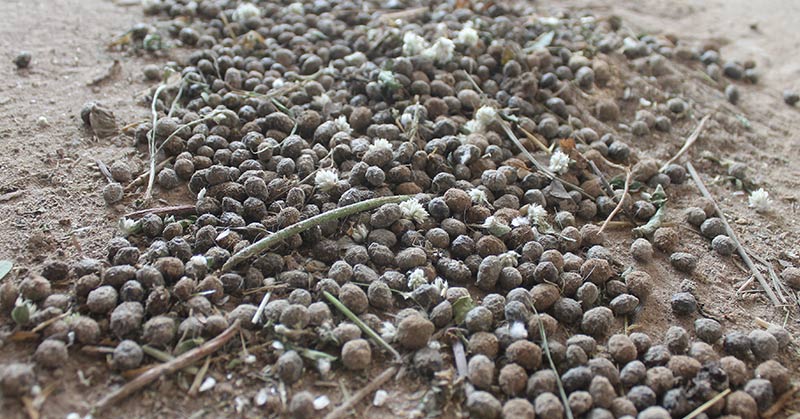
Broccoli is a heavy feeder and benefits from regular fertilization. About three weeks after transplanting, apply a balanced fertilizer, such as a 10-10-10 formula, to provide essential nutrients. Follow the manufacturer’s recommendations for application rates and methods.
Additionally, side-dress the plants with compost or a nitrogen-rich fertilizer every few weeks throughout the growing season. This will support continuous growth and development. Be mindful not to over-fertilize, as this can lead to excessive leaf growth at the expense of head formation. Proper fertilization ensures your broccoli plants have the nutrients they need to thrive.
Monitor for Pests

Pests such as aphids, cabbage worms, and flea beetles can cause significant damage to broccoli plants. Regularly inspect your plants for signs of pest activity, such as holes in leaves or the presence of insects. Early detection is key to managing infestations effectively.
Use organic pest control methods, such as introducing beneficial insects like ladybugs and parasitic wasps, or applying neem oil or insecticidal soap. Floating row covers can also protect your plants from pests while still allowing light and water to reach them. Consistent monitoring and prompt action will help keep your broccoli plants healthy and productive.
Manage Diseases
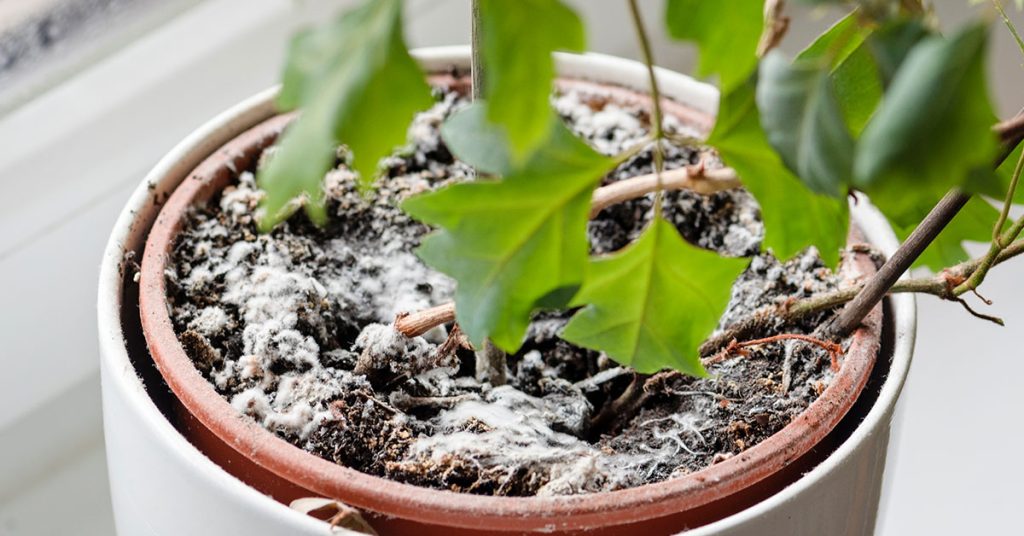
Broccoli is susceptible to various diseases, including downy mildew, clubroot, and black rot. To minimize disease risk, practice crop rotation by avoiding planting broccoli or other brassicas in the same spot year after year. This helps break the disease cycle and reduces pathogen buildup in the soil.
Ensure good air circulation around your plants by spacing them properly and avoiding overhead watering. Remove and destroy any diseased plant material to prevent the spread of infections. Choosing disease-resistant varieties and maintaining healthy soil through proper fertilization and mulching can also help reduce disease incidence.
Harvest at the Right Time
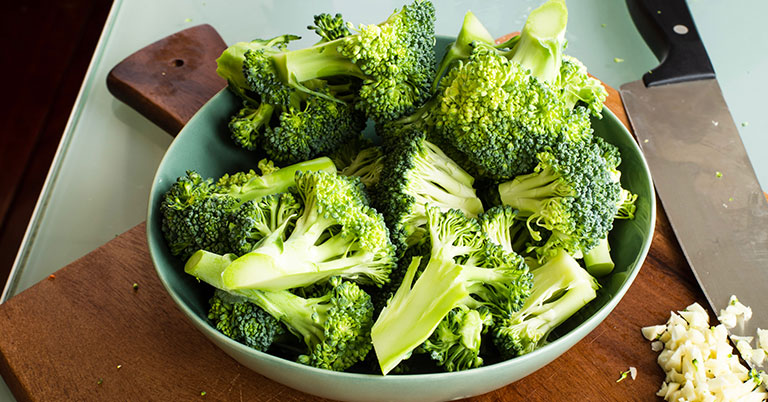
Timing your broccoli harvest correctly ensures the best flavor and texture. Harvest the central head when it is fully developed but before the flower buds start to open. The head should be firm and tight, with a deep green color. Use a sharp knife to cut the head, leaving a few inches of stem attached.
After harvesting the main head, many broccoli varieties will produce smaller side shoots that can be harvested in the following weeks. Regularly harvesting these side shoots encourages continuous production. By picking broccoli at the peak of freshness, you’ll enjoy the best taste and nutritional value.
Support with Stakes if Needed

Broccoli plants can become top-heavy, especially as the heads grow larger. In windy conditions or if the soil is loose, plants may benefit from additional support. Use stakes or cages to provide stability and prevent the plants from toppling over.
Tie the plants to the stakes loosely with garden twine to allow for natural movement. Providing support ensures that the plants remain upright and healthy, reducing the risk of damage and improving overall growth.
Control Weeds
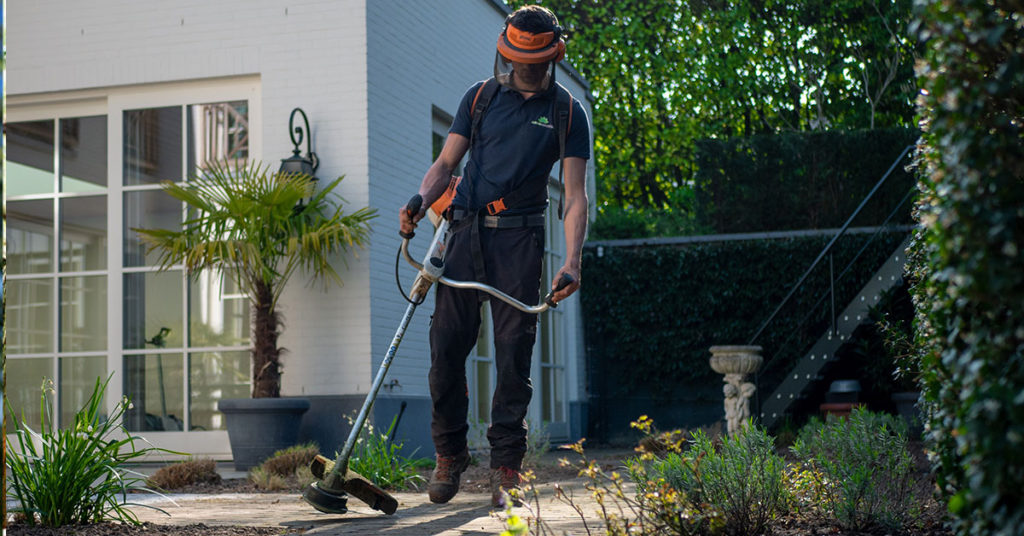
Weeds compete with broccoli plants for nutrients, water, and light. Keep your garden beds weed-free by regularly removing weeds by hand or using a hoe. Mulching can also help suppress weed growth by blocking light and making it harder for weed seeds to germinate.
Be vigilant about weed control, especially during the early stages of broccoli growth. Maintaining a clean garden bed reduces competition and helps your broccoli plants thrive.
Practice Crop Rotation
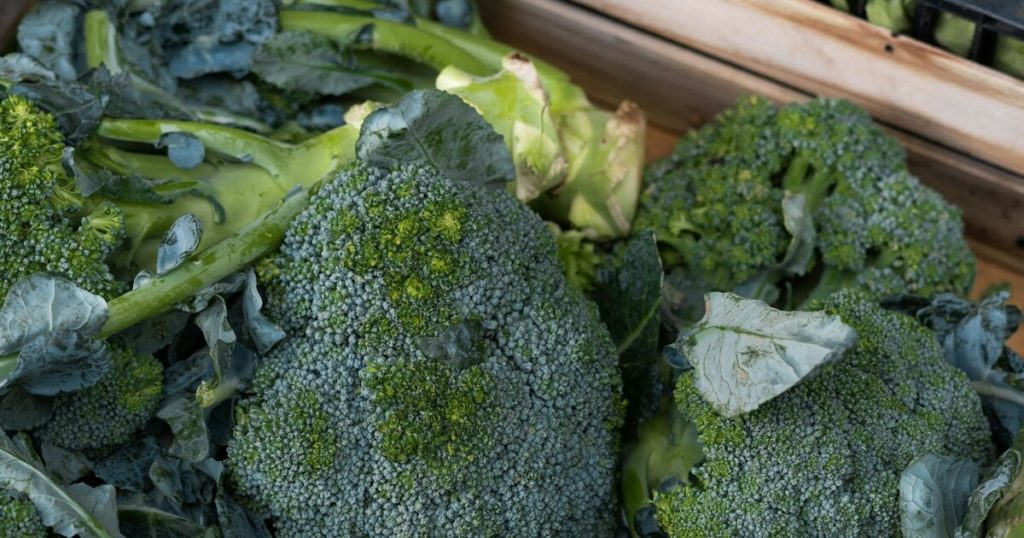
Crop rotation is an essential practice for maintaining soil health and reducing pest and disease pressure. Avoid planting broccoli or other brassicas in the same spot for consecutive years. Rotate with non-related crops, such as legumes, onions, or leafy greens.
Crop rotation helps break the life cycles of pests and diseases that affect broccoli. It also promotes soil fertility by varying nutrient demands. Implementing a thoughtful crop rotation plan will support healthy and productive broccoli plants.
Use Companion Planting
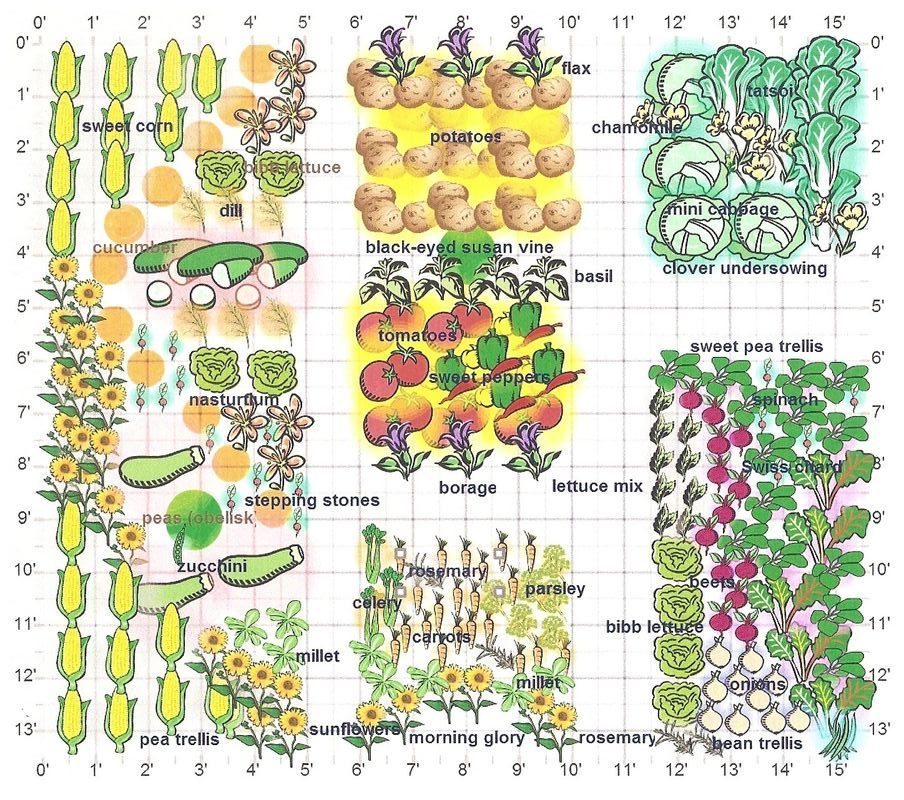
Companion planting involves growing certain plants together to benefit each other. Planting broccoli with companions like dill, chamomile, or onions can help repel pests and improve growth. Dill attracts beneficial insects that prey on common broccoli pests, while chamomile enhances flavor and growth.
Avoid planting broccoli with other brassicas, as this can increase pest and disease risks. Companion planting can create a more balanced and productive garden ecosystem.
Extend the Season with Succession Planting

Succession planting involves planting new crops at intervals to ensure a continuous harvest. By planting broccoli seedlings every few weeks, you can extend your harvest period and enjoy fresh broccoli over a more extended period.
This method is particularly useful in regions with short growing seasons. Succession planting allows you to make the most of your garden space and ensures a steady supply of fresh produce. Adjust planting times based on your local climate to maximize your broccoli harvest.