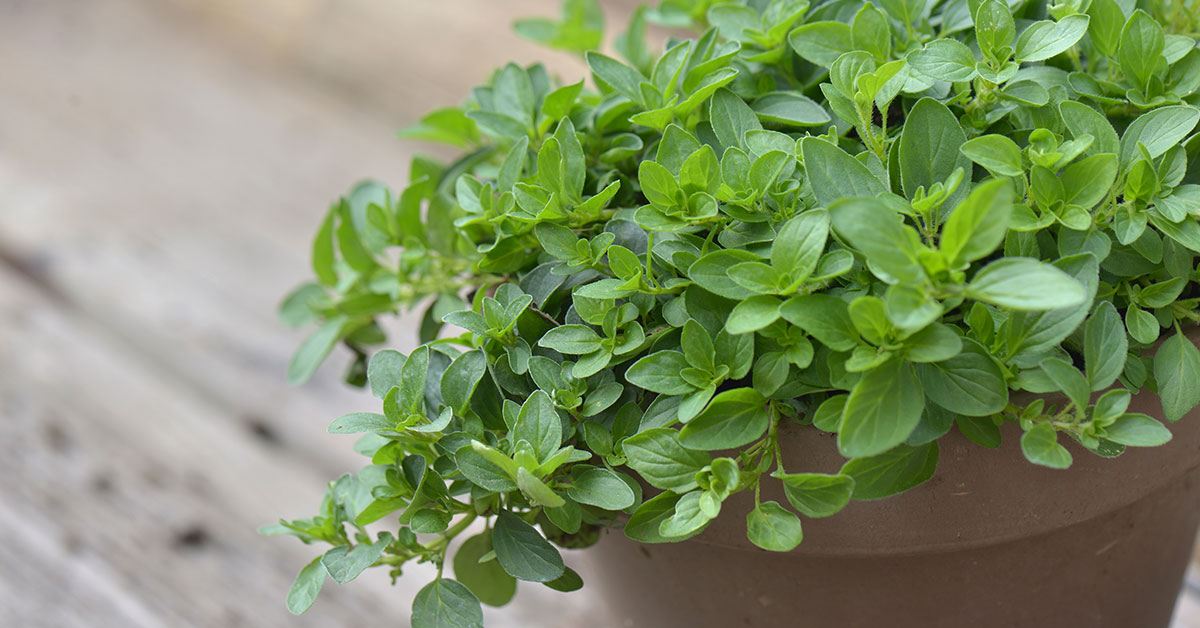

Herbs have been used for centuries to create natural remedies and tinctures, offering a holistic approach to health and wellness. These plants provide a wealth of medicinal properties that can help treat a variety of ailments, from digestive issues to anxiety. Growing your own herbs ensures that you have a fresh, organic supply for making your own remedies at home.
In this guide, we explore 15 herbs that are ideal for creating natural remedies and tinctures. Each herb is easy to cultivate and offers unique health benefits, allowing you to harness the power of nature to support your well-being. Let’s delve into these healing herbs and learn how to grow and use them for natural health solutions.
Echinacea
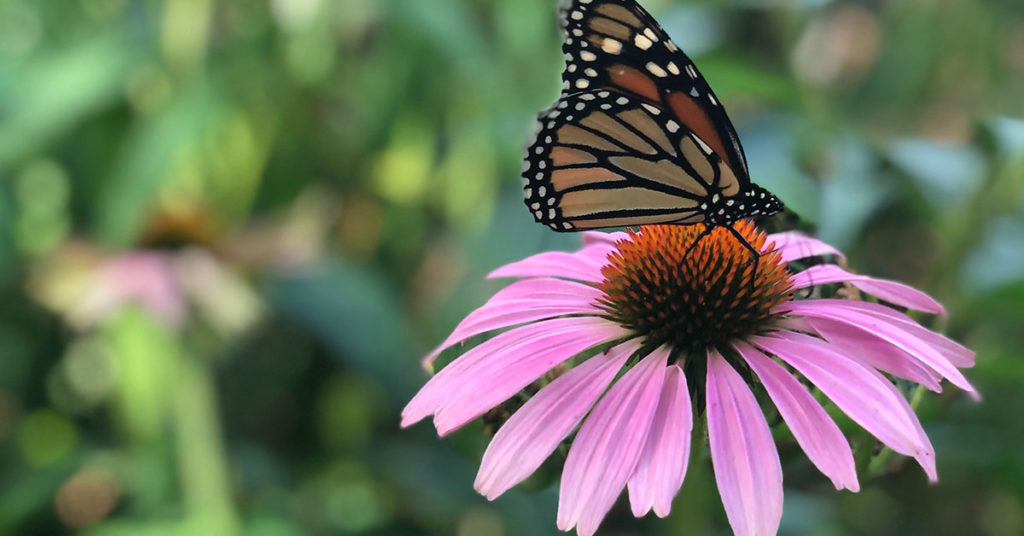
Echinacea, also known as coneflower, is a hardy herb renowned for its immune-boosting properties. It is commonly used to reduce the severity and duration of colds and flu, thanks to its antiviral and anti-inflammatory effects.
Echinacea thrives in full sun and well-drained soil. It is drought-tolerant once established and can be grown in garden beds or containers. To make a tincture, harvest the roots, leaves, and flowers, then steep them in alcohol to extract their beneficial compounds. Echinacea tincture can be taken at the first sign of illness to support the immune system.
Chamomile
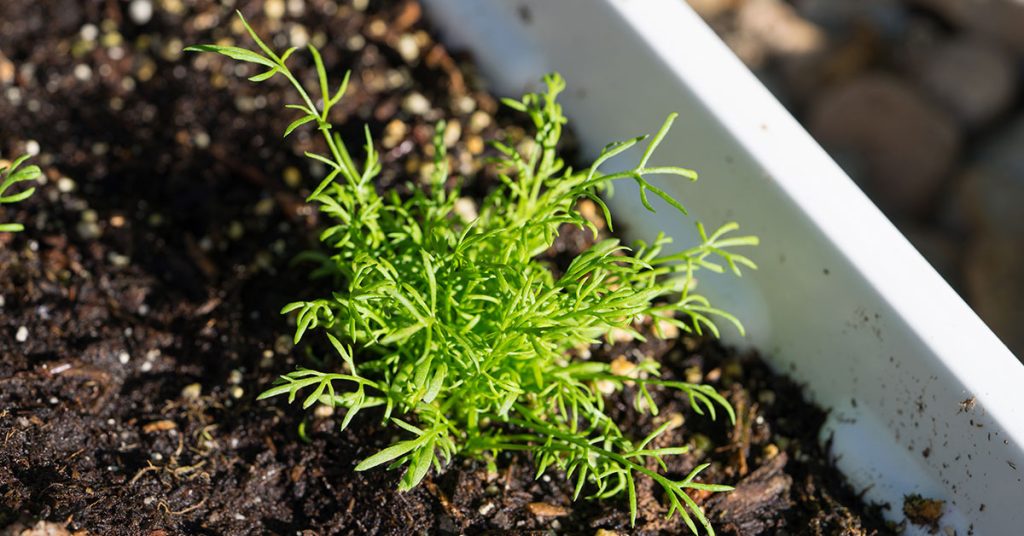
Chamomile is celebrated for its calming effects and is frequently used to make teas and tinctures that promote relaxation and sleep. It also has anti-inflammatory properties that can soothe digestive issues and skin irritations.
Chamomile prefers full sun and well-drained soil. It can be grown in garden beds or containers and requires regular watering. Harvest the flowers when they are fully open and use them fresh or dried to make calming teas or tinctures. Chamomile tincture can be used to ease anxiety and improve sleep quality.
Peppermint
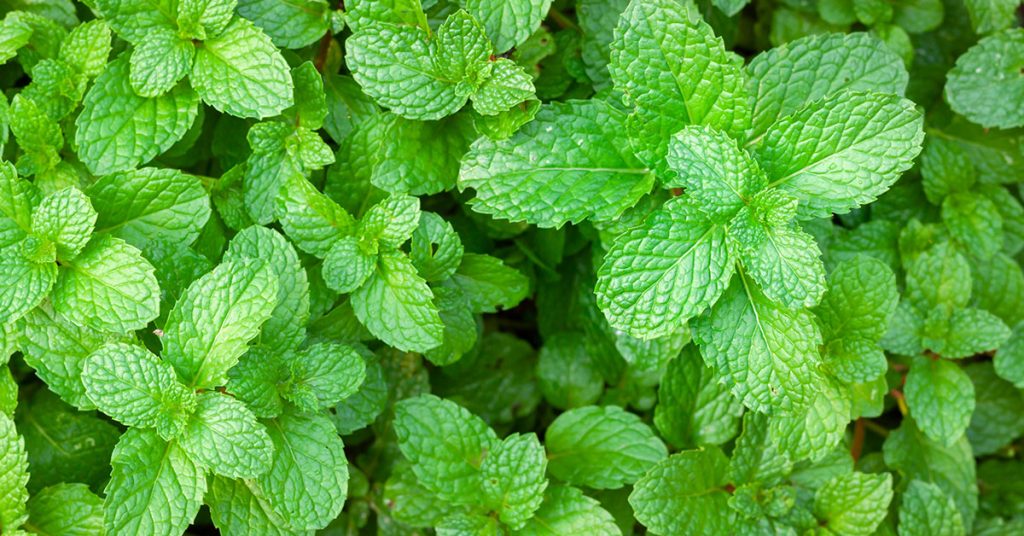
Peppermint is a versatile herb known for its ability to relieve digestive problems such as indigestion, gas, and bloating. Its cooling menthol content also makes it effective for relieving headaches and muscle pain.
Peppermint grows best in partial shade to full sun and moist, well-drained soil. It can spread aggressively, so consider growing it in containers. Harvest the leaves and use them fresh or dried to make teas or tinctures. Peppermint tincture can be applied topically to relieve muscle pain or taken internally to support digestion.
Lemon Balm
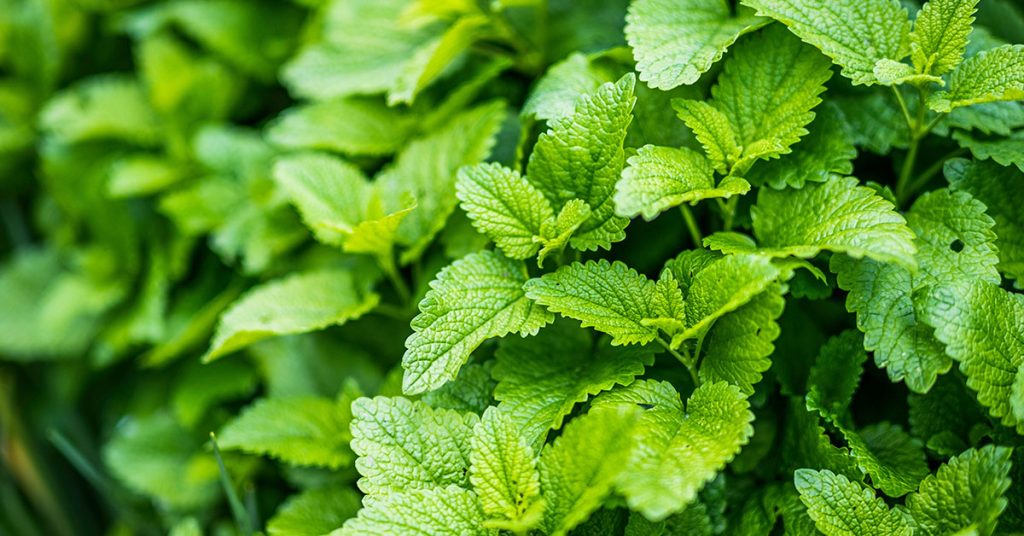
Lemon Balm is cherished for its uplifting lemon scent and calming effects. It is often used in teas and tinctures to reduce stress, anxiety, and insomnia. Additionally, it has antiviral properties that can help treat cold sores.
Lemon Balm thrives in full sun to partial shade and well-drained soil. It is a vigorous grower and can be invasive, so consider growing it in containers. Harvest the leaves and use them fresh or dried to make soothing teas or tinctures. Lemon Balm tincture can be used to calm nerves and promote restful sleep.
Sage
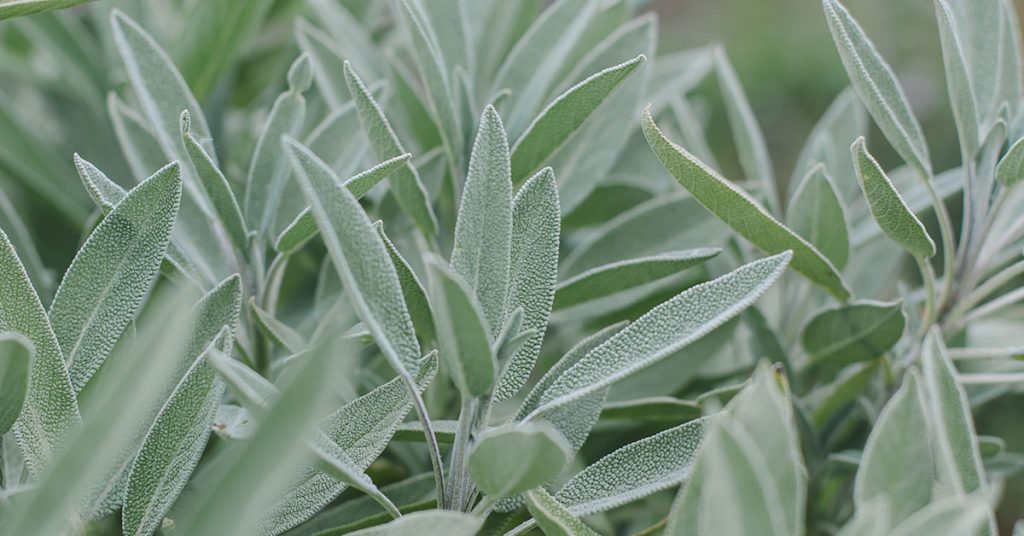
Sage is well-known for its digestive health benefits and its ability to reduce inflammation. It is also used to improve cognitive function and alleviate symptoms of menopause, such as hot flashes and night sweats.
Sage grows best in full sun and well-drained soil. It is drought-tolerant and requires minimal watering once established. Harvest the leaves and use them fresh or dried to make teas or tinctures. Sage tincture can be used to support digestion, reduce inflammation, and improve mental clarity.
Rosemary
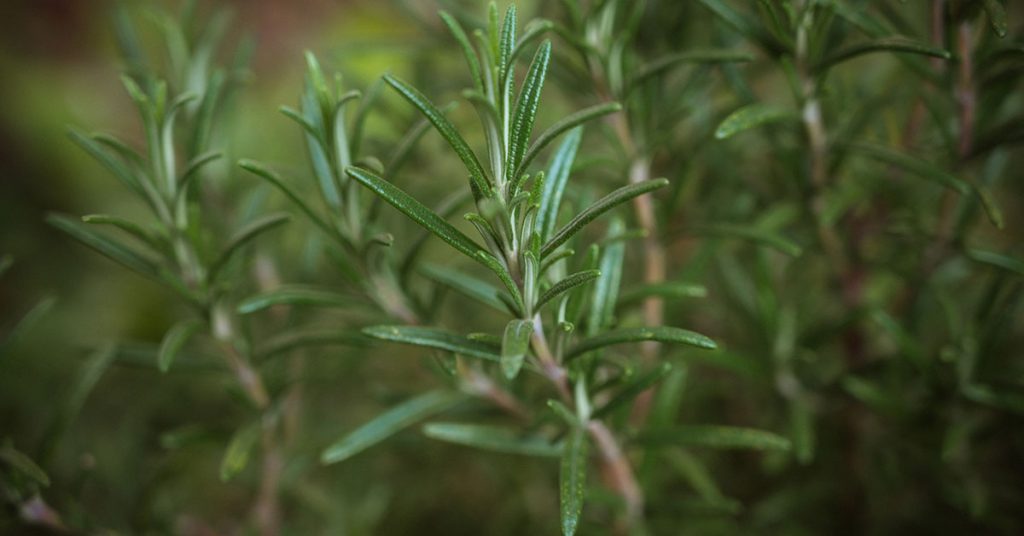
Rosemary is a powerful herb that boosts memory and concentration, relieves muscle pain, and supports digestive health. Its aromatic leaves are also used in culinary dishes for their delightful flavor and health benefits.
Rosemary thrives in full sun and well-drained soil. It is drought-tolerant and requires minimal care once established. Pruning helps maintain its shape and encourages new growth. Use fresh or dried rosemary in teas, infusions, and tinctures to enjoy its cognitive and digestive benefits.
Thyme
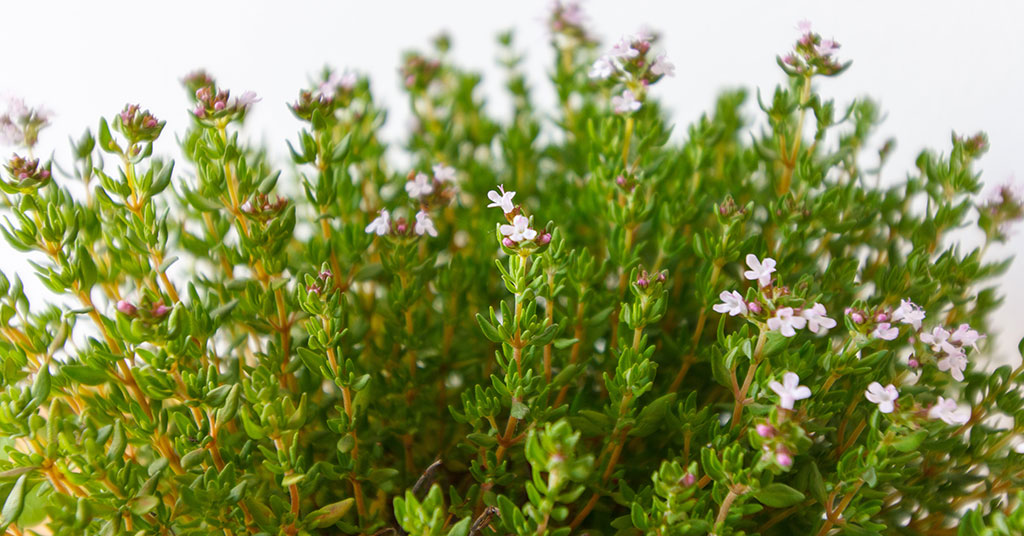
Thyme is known for its antibacterial and antifungal properties, making it an excellent herb for treating respiratory issues such as coughs and bronchitis. It also supports digestive health and boosts the immune system.
Thyme prefers full sun and well-drained soil. It is drought-tolerant and requires minimal maintenance. Regular pruning promotes bushier growth and a steady supply of fresh leaves. Use thyme in teas, infusions, and tinctures to support respiratory and digestive health.
Lavender
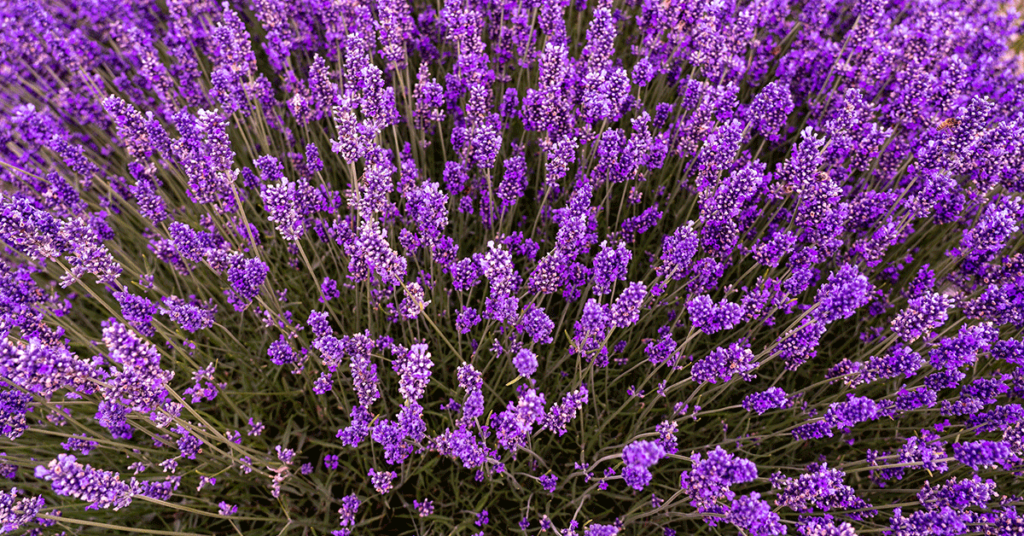
Lavender is cherished for its calming and soothing properties. It is often used in aromatherapy and teas to reduce stress and promote relaxation. Lavender also has antiseptic properties that can help heal minor cuts and burns.
Lavender thrives in full sun and well-drained soil. It is drought-tolerant once established and requires minimal watering. Pruning after blooming helps maintain its shape and encourages new growth. Use fresh or dried lavender flowers in teas, tinctures, and essential oils to create a peaceful, healing environment.
Basil
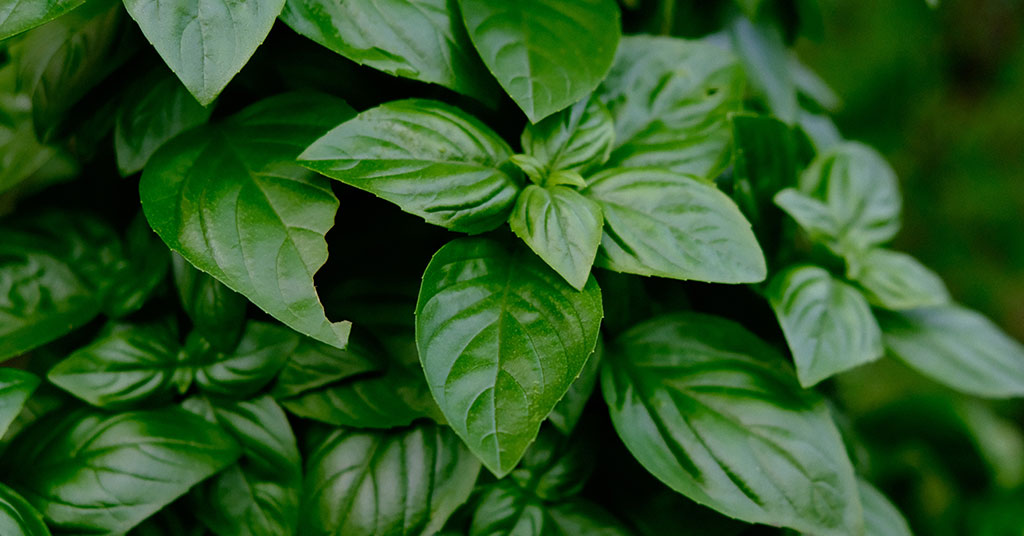
Basil is a versatile herb known for its anti-inflammatory and antibacterial properties. It is often used to support digestion and improve mental clarity. Basil also provides a burst of flavor and health benefits in culinary dishes.
Basil grows best in warm, sunny conditions with well-drained soil. It requires regular watering and benefits from being pinched back to encourage bushier growth. Use fresh basil leaves in teas, tinctures, and culinary dishes to enjoy their healing properties.
Calendula

Calendula, also known as pot marigold, is famous for its skin-healing properties. It is often used in creams and salves to treat cuts, burns, and other skin irritations. Calendula tea can also help with digestive issues and provide anti-inflammatory benefits.
Calendula thrives in full sun and well-drained soil. It requires regular watering and benefits from deadheading to promote continuous blooming. Harvest the flowers and use them fresh or dried in teas, tinctures, and homemade skin-care products.
Aloe Vera
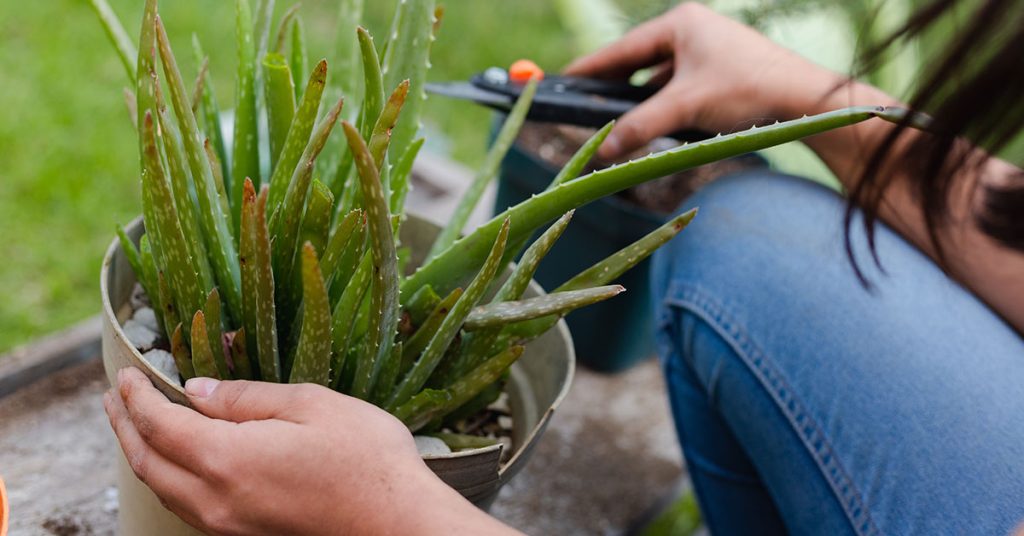
Aloe Vera is known for its healing properties and is often used to treat burns, cuts, and other skin irritations. The gel from the leaves can be applied directly to the skin for its soothing and healing effects. Aloe Vera juice is also used internally to support digestive health and detoxification.
Aloe Vera grows best in well-drained soil and bright, indirect light. It requires minimal watering, making it an ideal plant for beginners. Allow the soil to dry out between waterings to prevent root rot. Use the fresh gel from the leaves for topical applications or prepare Aloe Vera juice for internal use.
Oregano
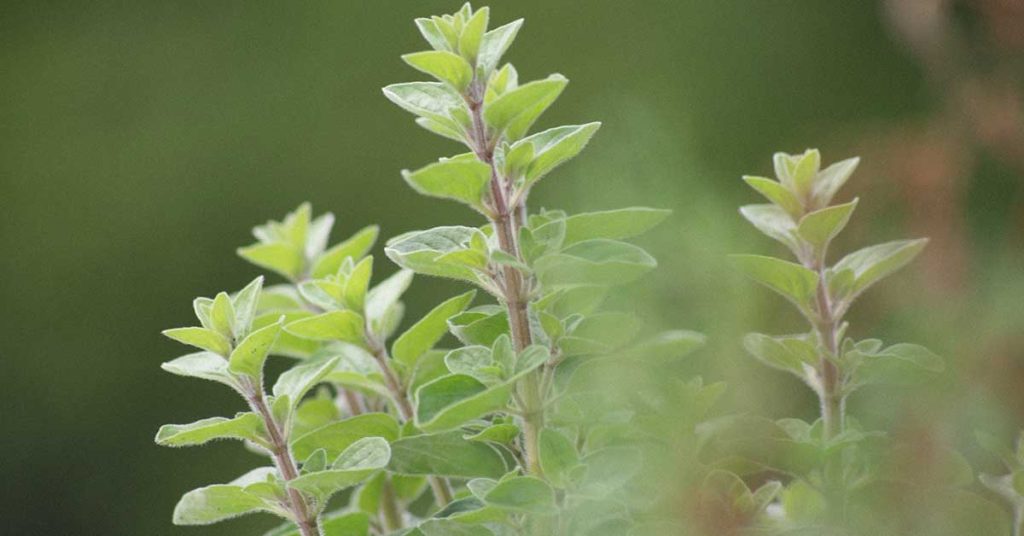
Oregano is renowned for its powerful antioxidant and antimicrobial properties. It is often used to support respiratory health and boost the immune system. Oregano oil can be used as a natural remedy for colds and infections, while oregano tea can help with digestive issues and respiratory problems.
Oregano thrives in full sun and well-drained soil. It is drought-tolerant and requires minimal care once established. Regular pruning encourages bushier growth and a steady supply of fresh leaves. Use fresh or dried oregano leaves in teas, tinctures, and culinary dishes to enjoy their health benefits.
St. John’s Wort
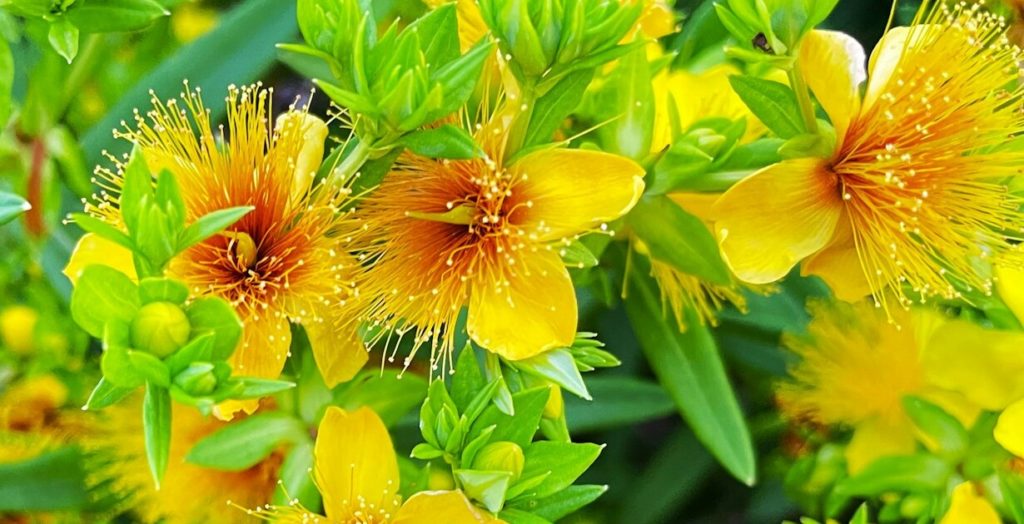
St. John’s Wort is well-known for its antidepressant properties and is often used to alleviate symptoms of mild to moderate depression and anxiety. It also has anti-inflammatory and antiviral properties. St. John’s Wort tea can help lift mood and reduce stress, while the infused oil is used for topical applications on wounds and burns.
St. John’s Wort grows best in full sun and well-drained soil. It requires regular watering but can tolerate dry conditions once established. Harvest the flowers when they are in full bloom and use them fresh or dried in teas, tinctures, and homemade skin-care products.
Ginger
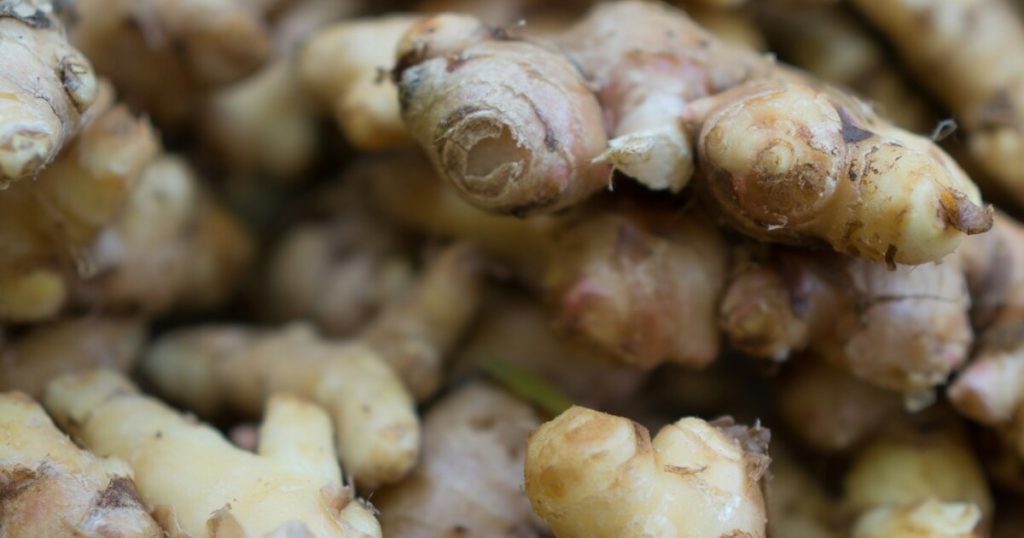
Ginger is a potent herb known for its anti-inflammatory and digestive benefits. It is often used to relieve nausea, improve digestion, and reduce muscle pain. Ginger tea is a popular remedy for digestive issues and colds, while fresh ginger can be added to various dishes for its flavor and health benefits.
Ginger grows best in warm, humid conditions with well-drained soil. It can be grown indoors in containers or in a garden with partial shade. Regular watering and rich soil will help it thrive. Use fresh ginger root in teas, infusions, and culinary dishes to enjoy its healing properties.
Yarrow
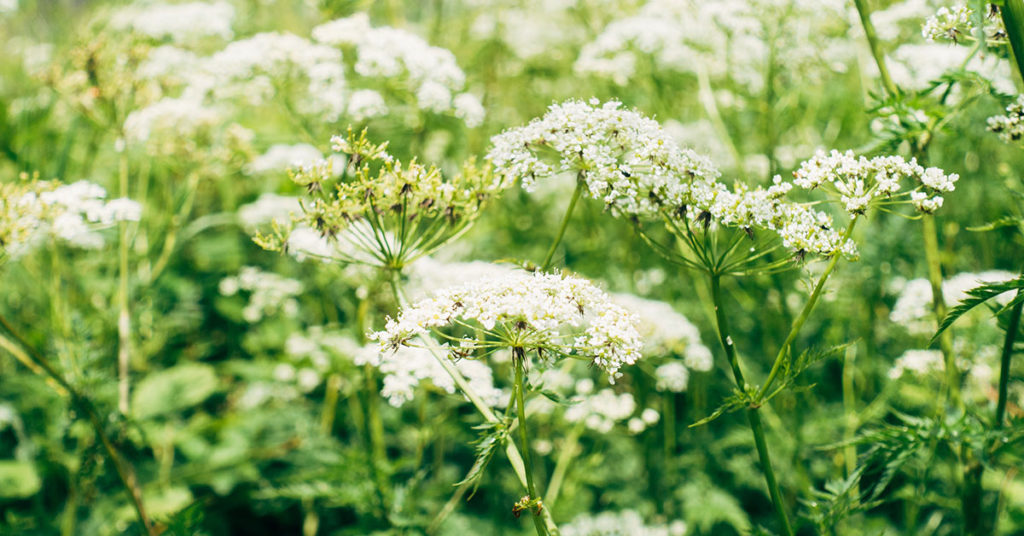
Yarrow is a versatile herb known for its ability to stop bleeding, reduce inflammation, and support wound healing. It is often used in poultices and salves for cuts and bruises, and yarrow tea can help with digestive issues and colds.
Yarrow thrives in full sun and well-drained soil. It is drought-tolerant and requires minimal care once established. Harvest the flowers and leaves when they are in full bloom and use them fresh or dried in teas, infusions, and homemade skin-care products.
By incorporating these 15 healing herbs into your garden, you can create a personal pharmacy of natural remedies. These herbs offer a variety of health benefits and can be used in many forms, from teas and tinctures to salves and essential oils. Growing your own herbs ensures you have a fresh, organic supply of healing plants to support your well-being. Happy gardening!