
Welcome to our comprehensive guide on the best fruit trees to grow in Zone 13! If you are fortunate enough to reside in this tropical and subtropical region, you have a unique advantage when it comes to cultivating a wide variety of delicious and exotic fruits. With its warm temperatures and ample sunshine, Zone 13 provides an ideal environment for fruit trees to thrive.
Whether you are a seasoned gardener or a beginner looking to embark on a fruitful journey, we have curated a list of the most suitable fruit trees for this specific zone. From luscious mangoes to tangy citrus fruits, get ready to explore the diverse and delectable options that Zone 13 has to offer. Let’s dive in and discover the best fruit trees that will transform your garden into a fruitful paradise!
The best fruit trees to grow in Zone 13
When it comes to selecting the best fruit trees to grow in Zone 13, there are several options that thrive in the warm and tropical climate of this region. Whether you have a spacious backyard or a small balcony, there is a fruit tree suitable for every space.
One of the top choices for Zone 13 is the mango tree. Known for its deliciously sweet and juicy fruits, the mango tree is well-suited to the warm temperatures and ample sunlight of this zone. With proper care and regular watering, mango trees can produce an abundance of fruit, making them a popular choice among gardeners.
Another excellent fruit tree for Zone 13 is the avocado tree. Avocados are not only incredibly nutritious but also versatile in their culinary uses. These trees thrive in warm climates and can tolerate a variety of soil types. With their glossy green leaves and creamy fruits, avocado trees also make for attractive additions to any garden.
For those looking for a fruit tree that requires less space, the dwarf citrus trees are a fantastic option. Varieties such as dwarf lemon, dwarf lime, and dwarf orange are well-suited to Zone 13. These compact trees can be grown in containers, making them ideal for balconies or small gardens. With proper pruning and care, dwarf citrus trees can yield a bountiful harvest of tangy and refreshing fruits.
If you prefer a tree that offers both beauty and delicious fruits, consider planting the papaya tree. Papayas thrive in warm climates and can produce an abundance of tropical fruits with their distinctive orange flesh and sweet flavor. These trees also have attractive palm-like leaves, adding a touch of exoticism to your garden.
Lastly, the guava tree is another excellent choice for Zone 13. Guavas are known for their aromatic fruits, which are rich in vitamins and antioxidants. These trees are relatively low-maintenance and can adapt to a variety of soil conditions. With their lovely white flowers and delicious fruits, guava trees are a delightful addition to any garden.
When selecting fruit trees for Zone 13, it is essential to consider factors such as sunlight, soil conditions, and space availability. By choosing the best fruit trees to grow in Zone 13, you can enjoy a bountiful harvest of delicious and tropical fruits while adding beauty to your outdoor space.
Avoid growing these fruit trees in Zone 13
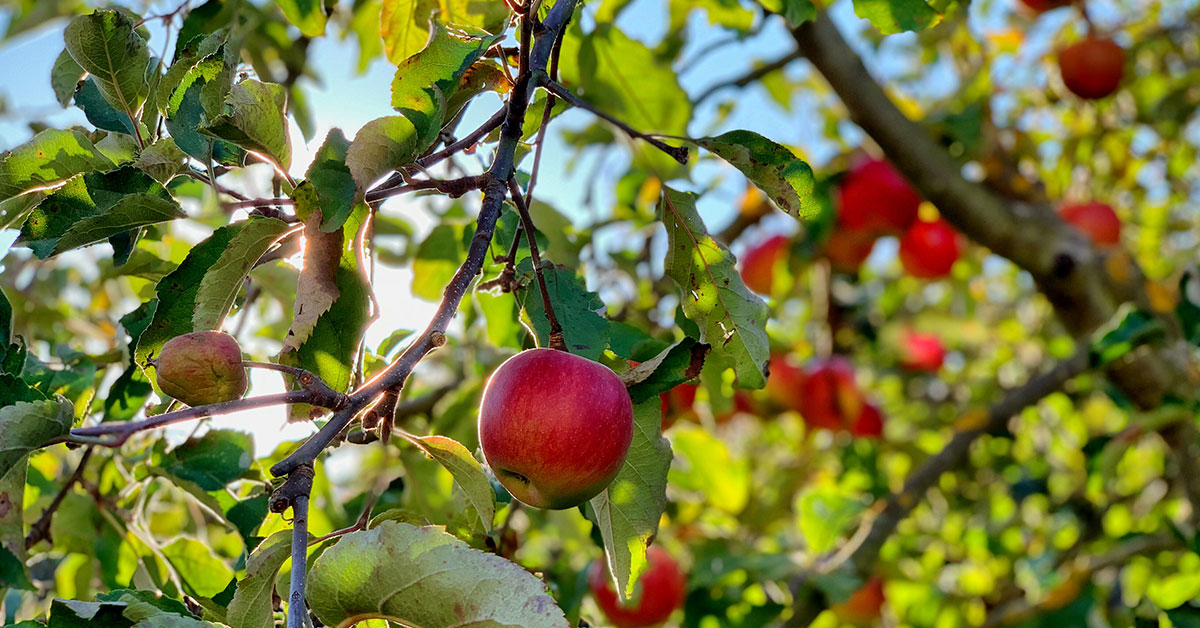
When it comes to selecting fruit trees for Zone 13, there are a few varieties that should be avoided due to their inability to thrive in the specific climate conditions. Apple trees are generally not recommended for this zone as they require a certain number of chilling hours during winter, which may not be met in Zone 13. Similarly, cherry trees also have specific chilling requirements and may not produce well in this region.
Another fruit tree to avoid in Zone 13 is the peach tree. While peaches can grow in warmer climates, they still require a certain amount of winter chilling to set fruit properly. In Zone 13, the lack of sufficient chilling hours may result in poor fruit production or even failure to bear fruit altogether.
Lastly, it is advisable to avoid planting pear trees in Zone 13. Pear trees, like apples and cherries, have chilling requirements that may not be met in this zone. Without the necessary chilling hours, pear trees may struggle to produce fruit or may not produce at all.
To ensure successful fruit production in Zone 13, it is best to focus on fruit trees that are well-suited to the specific climate conditions of the region.
Fruit tree growing tips
Growing fruit trees in Zone 13 can be a rewarding and fruitful experience. With the right knowledge and care, you can enjoy a bountiful harvest of delicious fruits. Here are some tips and best practices to help you succeed:
- Choose the Right Fruit Trees: In Zone 13, you have a wide variety of fruit trees to choose from. Some of the best fruit trees to grow in this zone include citrus trees like oranges, lemons, and limes, as well as tropical fruits like mangoes, avocados, and papayas. These trees thrive in the warm and humid climate of Zone 13.
- Consider Microclimates: Zone 13 can have variations in temperature and sun exposure, so it’s important to consider microclimates within your garden. Some areas may be slightly cooler or receive more shade than others. Take note of these variations and select fruit tree varieties that are suitable for each microclimate.
- Provide Adequate Sunlight: Most fruit trees require full sun to thrive and produce abundant fruits. Ensure that your fruit trees receive at least 6-8 hours of direct sunlight each day. If you have areas in your garden with partial shade, choose fruit tree varieties that can tolerate these conditions.
- Soil Preparation: Before planting your fruit trees, prepare the soil properly. Zone 13 typically has sandy or loamy soil, which drains well but may lack nutrients. Amend the soil with organic matter like compost or well-rotted manure to improve its fertility and moisture-retaining capacity.
- Watering: Fruit trees in Zone 13 require regular watering, especially during the dry seasons. Deep watering is crucial to encourage deep root growth. Water your fruit trees deeply once or twice a week, ensuring that the water reaches the root zone. Mulching around the base of the trees can help retain moisture and suppress weed growth.
- Fertilization: Fruit trees are heavy feeders and benefit from regular fertilization. Use a balanced organic fertilizer or a specialized fruit tree fertilizer to provide the necessary nutrients. Follow the manufacturer’s instructions for application rates and timing. Avoid over-fertilizing, as it can lead to excessive vegetative growth at the expense of fruit production.
- Pruning and Training: Proper pruning and training are essential for fruit tree health and productivity. Prune your fruit trees during the dormant season to remove dead, damaged, or crossing branches. This helps improve air circulation and sunlight penetration, reducing the risk of diseases. Training young trees with proper shaping techniques will ensure strong and well-structured branches to support heavy fruit loads.
- Pest and Disease Management: Fruit trees in Zone 13 are susceptible to various pests and diseases. Regularly inspect your trees for signs of infestation or disease, such as leaf discoloration, wilting, or pest damage. Use organic pest control methods whenever possible, like introducing beneficial insects or using insecticidal soaps. If necessary, consult with a local gardening expert or extension service for specific pest and disease management strategies.
By following these tips and best practices, you can successfully grow the best fruit trees in Zone 13 and enjoy a fruitful harvest year after year. Happy gardening!