
Welcome to our comprehensive guide on the best fruit trees to grow in Zone 12! If you’re fortunate enough to live in this tropical paradise, you have the perfect climate for cultivating a wide variety of delicious and exotic fruits. Zone 12 is characterized by its year-round warmth, ample sunshine, and minimal frost, making it an ideal environment for fruit tree cultivation.
In this article, we will explore the top fruit trees that thrive in Zone 12, providing you with valuable insights and tips to help you create a bountiful and fruitful garden. Whether you’re a seasoned gardener or a beginner, get ready to discover the wonders of growing your own delectable fruits in Zone 12!
The best fruit trees to grow in Zone 12
The tropical climate of Zone 12 offers a fantastic opportunity for fruit tree enthusiasts to grow a wide variety of delicious and exotic fruits. When it comes to selecting the best fruit trees to grow in Zone 12, there are several options that thrive in this warm and humid environment. Here are some top choices for fruit trees that will flourish in Zone 12:
- Mango Trees: Mangoes are a true tropical delight and are well-suited for Zone 12. These trees produce juicy, sweet fruits with a rich flavor and vibrant colors. With proper care and maintenance, mango trees can yield an abundant harvest, making them a popular choice among gardeners in this zone.
- Avocado Trees: Avocado trees are another excellent choice for Zone 12. These trees not only provide a lush and attractive addition to your garden but also offer a bountiful supply of creamy and nutritious fruits. Avocado trees thrive in warm climates and can tolerate the high temperatures and humidity found in Zone 12.
- Papaya Trees: Papayas are fast-growing fruit trees that are well-suited for Zone 12. These trees produce large, tropical fruits with a sweet and tangy flavor. With their ability to adapt to various soil conditions, papaya trees are relatively easy to grow and can provide a continuous harvest throughout the year.
- Banana Trees: Banana trees are a staple in many tropical gardens, and they are an excellent choice for Zone 12. These trees not only produce an abundance of delicious bananas but also add a lush and tropical ambiance to your garden. Banana trees thrive in warm and humid conditions, making them an ideal choice for this zone.
- Guava Trees: Guava trees are well-adapted to the tropical climate of Zone 12. These trees produce fragrant and flavorful fruits that are rich in vitamins and antioxidants. Guava trees are relatively low-maintenance and can tolerate a wide range of soil conditions, making them a popular choice for gardeners in this zone.
When selecting fruit trees for Zone 12, it’s important to consider factors such as sunlight exposure, soil quality, and watering requirements. Additionally, it’s advisable to choose disease-resistant varieties and provide proper care and maintenance to ensure the health and productivity of your fruit trees. With the right selection and care, you can enjoy a bountiful harvest of delicious fruits from your Zone 12 garden.
Avoid growing these fruit trees in Zone 12
When it comes to selecting fruit trees for Zone 12, there are a few varieties that should be avoided due to their inability to thrive in the specific climate conditions. It is important to choose trees that are well-suited to the warm temperatures, high humidity, and extended growing seasons characteristic of this zone. Here are some fruit trees that are not recommended for Zone 12:
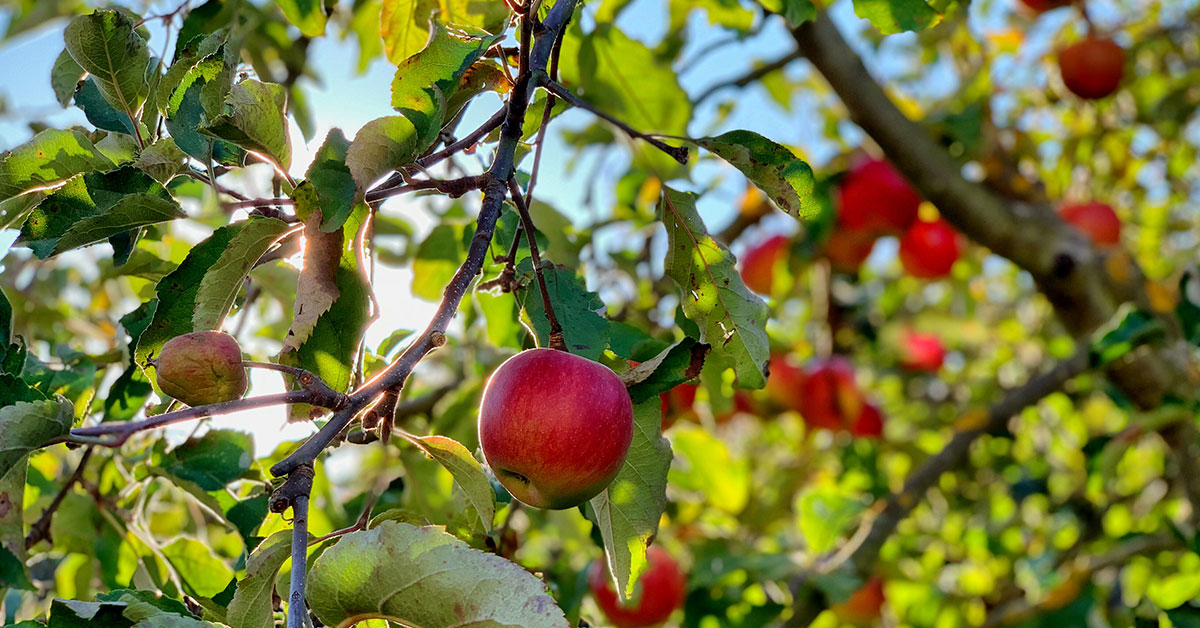
- Apple Trees: While apple trees are a popular choice in many regions, they are not the best fruit trees to grow in Zone 12. They require a certain number of chilling hours during winter, which Zone 12 typically lacks. As a result, apple trees may struggle to set fruit or produce poor-quality apples in this climate.
- Cherry Trees: Similar to apple trees, cherry trees also require a significant number of chilling hours to produce a bountiful harvest. In Zone 12, where winters are mild, cherry trees may not receive the necessary cold period to stimulate proper fruiting. Therefore, it is advisable to avoid planting cherry trees in this zone.
- Pear Trees: Pear trees have similar chilling requirements as apples and cherries, making them less suitable for Zone 12. While some varieties may tolerate warmer climates to some extent, the overall success of pear trees in this zone is limited. Gardeners in Zone 12 should consider alternative fruit tree options.
- Apricot Trees: Apricot trees are known for their early bloom, which makes them particularly susceptible to late frosts. In Zone 12, where the risk of late frosts is relatively low, apricot trees may bloom too early and suffer frost damage, resulting in reduced fruit production. Therefore, it is advisable to avoid planting apricot trees in this zone.
By avoiding these fruit tree varieties, gardeners in Zone 12 can focus on selecting the best fruit trees that are more suitable for the specific climate conditions of the region.
Fruit tree growing tips
Growing fruit trees in Zone 12 can be a rewarding experience, as this zone offers a favorable climate for a wide range of fruit tree varieties. Here are some tips and best practices to help you successfully grow the best fruit trees in Zone 12:
- Choose the Right Varieties: When selecting fruit trees for Zone 12, it’s important to choose varieties that are well-suited to the specific conditions of this zone. Some of the best fruit trees to grow in Zone 12 include mangoes, avocados, citrus trees (such as oranges, lemons, and limes), guavas, and papayas. These trees thrive in the warm, tropical climate of Zone 12.
- Sunlight and Soil Requirements: Fruit trees generally require full sun exposure to produce abundant and high-quality fruits. Ensure that your fruit trees receive at least 6-8 hours of direct sunlight per day. Additionally, Zone 12 typically has well-draining, sandy or loamy soil. However, it’s always a good idea to perform a soil test to determine the specific needs of your chosen fruit tree variety.
- Watering: Adequate and consistent watering is crucial for the healthy growth of fruit trees in Zone 12. While the frequency of watering may vary depending on the specific tree and soil conditions, a general rule of thumb is to water deeply once or twice a week, ensuring that the soil is moist but not waterlogged. Mulching around the base of the tree can help retain moisture and regulate soil temperature.
- Fertilization: Fruit trees in Zone 12 benefit from regular fertilization to ensure optimal growth and fruit production. Use a balanced, slow-release fertilizer specifically formulated for fruit trees, following the instructions on the package. Apply the fertilizer in early spring and again in late summer or early fall.
- Pruning and Training: Pruning is essential for maintaining the shape, size, and overall health of fruit trees. Prune your fruit trees during the dormant season, typically in late winter or early spring, before new growth begins. Remove any dead, damaged, or crossing branches, and thin out the canopy to improve air circulation and sunlight penetration. Proper training of young fruit trees is also important to establish a strong framework and encourage fruiting.
- Pest and Disease Management: Fruit trees in Zone 12 are susceptible to various pests and diseases. Regularly inspect your trees for signs of pests, such as aphids, scale insects, or fruit flies, and take appropriate measures to control them. Additionally, monitor for common diseases like citrus canker or fungal infections, and promptly treat any issues to prevent further spread.
By following these tips and best practices, you can successfully grow the best fruit trees in Zone 12 and enjoy a bountiful harvest of delicious, homegrown fruits. Remember to stay informed about the specific needs of your chosen fruit tree varieties and adapt your care accordingly. Happy gardening!