
Welcome to our comprehensive guide on the best fruit trees to grow in Zone 10! If you’re fortunate enough to live in this warm and sunny region, you have an incredible opportunity to cultivate a wide variety of delicious fruits right in your backyard. Zone 10 is characterized by its year-round mild temperatures and minimal frost, making it an ideal environment for many fruit tree species.
In this article, we will explore the top fruit trees that thrive in Zone 10, offering not only mouthwatering flavors but also vibrant colors and fragrant blossoms. Whether you’re a seasoned gardener or just starting your fruit-growing journey, this guide will provide you with valuable insights and tips to create a fruitful oasis in your own yard. So, let’s dive in and discover the best fruit trees to grow in Zone 10!
The best fruit trees to grow in Zone 10
When it comes to growing fruit trees in Zone 10, there are several options that thrive in the warm and tropical climate of this region.
Whether you have a spacious backyard or a small urban garden, mango trees are an excellent choice for Zone 10. Known for their deliciously sweet and juicy fruits, mango trees are not only a delight to the taste buds but also add a touch of exotic beauty to any landscape.
Another popular fruit tree that flourishes in Zone 10 is the avocado tree. With its creamy and nutritious fruits, the avocado tree is a must-have for any fruit lover. These trees are known for their ability to adapt to various soil types and can tolerate the heat and humidity of Zone 10. Plus, avocados are incredibly versatile in the kitchen, making them a favorite for culinary enthusiasts.
For those looking to add a burst of vibrant color to their garden, citrus trees are an excellent choice for Zone 10. From oranges and lemons to grapefruits and limes, citrus trees offer a wide variety of fruits to enjoy. These trees thrive in the warm climate and can withstand the occasional cold snaps that may occur in Zone 10. Not only do citrus trees provide delicious fruits, but their fragrant blossoms also fill the air with a delightful aroma.
If you’re seeking a unique and lesser-known fruit tree for Zone 10, consider planting a guava tree. Guavas are tropical fruits with a sweet and tangy flavor that is highly sought after. These trees are well-suited to the warm climate of Zone 10 and can tolerate both drought and high humidity. Guava trees also have attractive foliage, making them a visually appealing addition to any garden.
Lastly, papaya trees are another great option for Zone 10. These fast-growing trees produce an abundance of tropical fruits with a sweet and musky flavor. Papaya trees thrive in warm temperatures and can tolerate a wide range of soil conditions. With their unique shape and vibrant fruits, papaya trees add a touch of exotic beauty to any garden.
In conclusion, Zone 10 offers a fantastic opportunity to grow a variety of fruit trees. From the luscious mangoes and creamy avocados to the tangy citrus fruits and exotic guavas, there is no shortage of options for fruit tree enthusiasts. So, get your gardening gloves on and start planting the best fruit trees to grow in Zone 10 to enjoy a bountiful harvest of delicious and tropical fruits.
Avoid growing these fruit trees in Zone 10
When it comes to growing fruit trees in Zone 10, there are a few varieties that are best to avoid due to the specific climate conditions. While Zone 10 is known for its warm temperatures and long growing seasons, certain fruit trees may struggle to thrive in this region. Here are a few fruit trees that should be avoided in Zone 10:
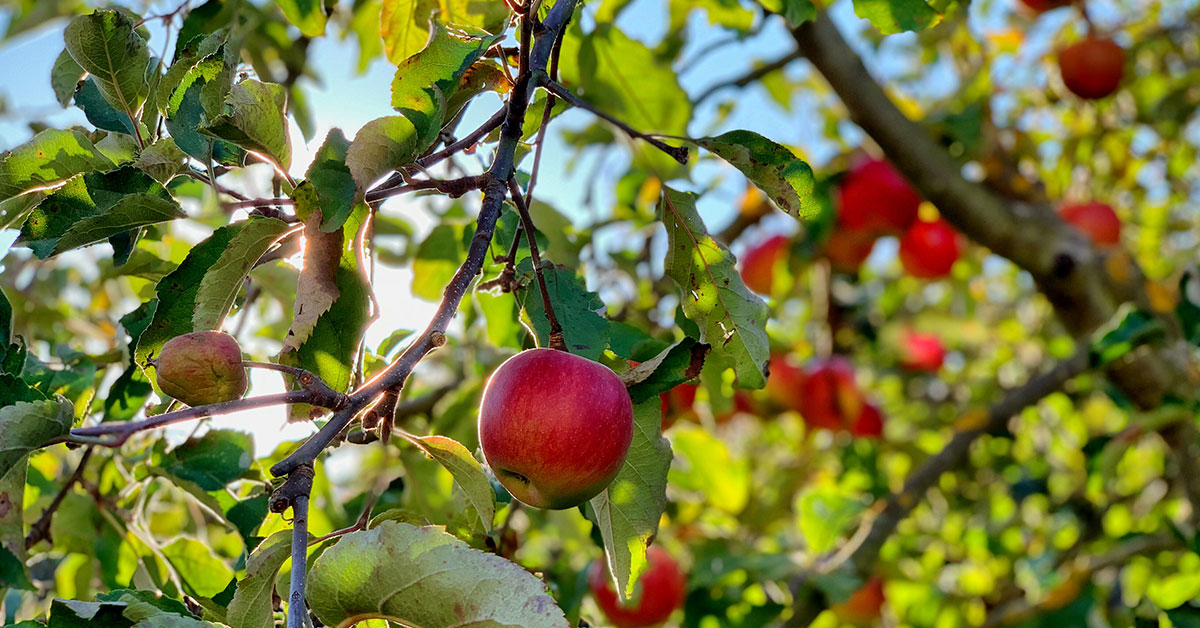
- Apple Trees: Apple trees typically require a certain number of chill hours to produce fruit successfully. However, Zone 10’s mild winters may not provide enough cold temperatures for apple trees to go through their necessary dormant period. As a result, apple trees in Zone 10 may struggle to set fruit or produce poor-quality apples.
- Cherry Trees: Similar to apple trees, cherry trees also require a significant number of chill hours to produce a bountiful harvest. In Zone 10, where winters are relatively mild, cherry trees may not receive the necessary chilling period, leading to reduced fruit production or poor-quality cherries.
- Pear Trees: Pear trees, like apples and cherries, have specific chill hour requirements. While some pear varieties are more adaptable to warmer climates, many traditional pear varieties may struggle to thrive in Zone 10. It is essential to select pear tree cultivars specifically bred for low-chill regions if you wish to grow pears successfully in this zone.
- Plum Trees: Plum trees also have chill hour requirements, and many traditional plum varieties may not perform well in Zone 10. However, some low-chill plum cultivars have been developed, making it possible to grow plums successfully in this region. It is crucial to choose these adapted varieties to ensure a fruitful harvest.
- Apricot Trees: Apricot trees are generally more adaptable to warmer climates than some other fruit trees. However, in Zone 10, where temperatures can be extremely high, apricot trees may struggle with heat stress. It is essential to select heat-tolerant apricot cultivars and provide adequate irrigation and shade to help them thrive.
While these fruit trees may not be the best choices for Zone 10, there are still numerous fruit trees that can thrive in this region. By selecting varieties that are well-suited to the warm temperatures and long growing seasons, gardeners in Zone 10 can enjoy a bountiful harvest of delicious fruits.
Fruit tree growing tips
Growing fruit trees in Zone 10 can be a rewarding and fruitful experience. With the right knowledge and care, you can enjoy a bountiful harvest of delicious fruits. Here are some tips and best practices to help you succeed:
- Choose the right fruit trees: In Zone 10, you have a wide range of options for fruit trees. Some of the best fruit trees to grow in this zone include citrus trees like oranges, lemons, and grapefruits, as well as tropical fruits like mangoes, avocados, and bananas. Consider the climate, soil conditions, and available space when selecting your fruit trees.
- Sunlight and temperature requirements: Most fruit trees thrive in full sun, so ensure they receive at least 6-8 hours of direct sunlight per day. Zone 10 typically has warm temperatures year-round, which is ideal for fruit tree growth. However, some fruit trees may require a certain number of chill hours during winter for optimal fruit production. Research the specific requirements of the fruit trees you choose to ensure they are suitable for your zone.
- Soil preparation: Before planting your fruit trees, it’s essential to prepare the soil properly. Zone 10 often has sandy or loamy soil, which drains well but may lack nutrients. Amend the soil with organic matter like compost or well-rotted manure to improve its fertility and moisture retention. Conduct a soil test to determine the pH level and make necessary adjustments to ensure it falls within the optimal range for your chosen fruit trees.
- Planting and spacing: Follow the planting instructions specific to each fruit tree, as the depth and spacing requirements may vary. Generally, dig a hole that is wider and slightly deeper than the tree’s root ball. Place the tree in the hole, backfill with soil, and gently firm it around the roots. Proper spacing is crucial to allow adequate airflow and sunlight penetration between trees, preventing diseases and promoting healthy growth.
- Watering and irrigation: Adequate watering is essential for fruit tree establishment and growth. Young trees need regular watering, especially during dry spells, to ensure their roots stay moist. Once established, most fruit trees in Zone 10 require deep, infrequent watering. Water deeply, allowing the soil to dry out slightly between waterings. Consider using drip irrigation or soaker hoses to deliver water directly to the tree’s root zone, minimizing water waste.
- Fertilization and mulching: Fruit trees in Zone 10 benefit from regular fertilization to ensure optimal growth and fruit production. Use a balanced, slow-release fertilizer specifically formulated for fruit trees, following the manufacturer’s instructions. Apply the fertilizer in early spring and again in late summer. Additionally, mulching around the base of the tree helps retain moisture, suppress weeds, and improve soil fertility. Use organic mulch like wood chips or straw, keeping it a few inches away from the trunk to prevent rot.
- Pruning and maintenance: Pruning fruit trees is essential to maintain their shape, promote airflow, and remove dead or diseased branches. Prune during the dormant season, typically in late winter or early spring, before new growth begins. Regularly inspect your fruit trees for pests and diseases, and take appropriate measures to control them. Proper maintenance, including regular weeding, monitoring for signs of nutrient deficiencies, and providing support for heavy fruiting branches, will help ensure healthy and productive trees.
By following these tips and best practices, you can successfully grow the best fruit trees in Zone 10 and enjoy a fruitful harvest for years to come. Remember to stay informed about the specific needs of the fruit trees you choose and adapt your care accordingly. Happy gardening!