
Welcome to our comprehensive guide on the best fruit trees to grow in Zone 8! If you’re lucky enough to reside in this region, you have a fantastic opportunity to cultivate a wide variety of delicious and bountiful fruit trees. Zone 8, characterized by its mild winters and long, warm summers, provides an ideal climate for numerous fruit tree species to thrive.
Whether you’re a seasoned gardener or a beginner looking to embark on a fruitful journey, this article will explore the top fruit trees that are well-suited to Zone 8’s unique conditions. From the classic apple and pear trees to the exotic fig and persimmon trees, we’ll delve into the characteristics, care requirements, and benefits of each tree, helping you make informed choices for your garden. So, let’s dive in and discover the best fruit trees to grow in Zone 8!
The best fruit trees to grow in Zone 8
When it comes to growing fruit trees in Zone 8, there are several varieties that thrive in this specific climate. Whether you are an experienced gardener or just starting out, selecting the **best fruit trees to grow in Zone 8** is crucial for a successful harvest. Here are some top recommendations:
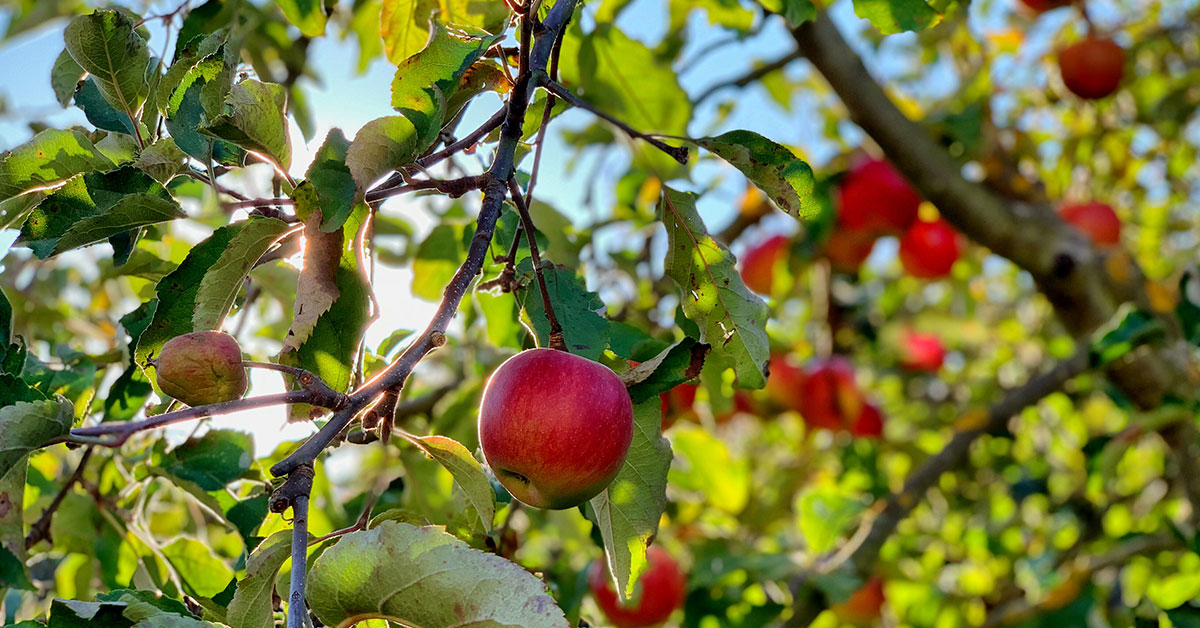
- Apple Trees: Apple trees are a popular choice for Zone 8 due to their versatility and ability to adapt to various soil types. Varieties such as ‘Gala,’ ‘Fuji,’ and ‘Golden Delicious’ are well-suited for this zone. Ensure you choose disease-resistant cultivars to minimize maintenance.
- Peach Trees: Known for their deliciously juicy fruits, peach trees are a fantastic addition to any Zone 8 garden. Varieties like ‘Elberta,’ ‘Redhaven,’ and ‘Belle of Georgia’ are highly recommended. These trees require well-drained soil and benefit from regular pruning to maintain their shape and productivity.
- Pear Trees: Pear trees are another excellent choice for Zone 8, offering both ornamental beauty and delectable fruits. Varieties such as ‘Bartlett,’ ‘Anjou,’ and ‘Comice’ thrive in this zone. Ensure you provide adequate spacing between trees to allow for proper air circulation and prevent diseases.
- Plum Trees: Plum trees are well-suited for Zone 8, providing an abundance of sweet and tangy fruits. Varieties like ‘Santa Rosa,’ ‘Methley,’ and ‘Satsuma’ are highly recommended. These trees require full sun exposure and well-drained soil to flourish.
- Cherry Trees: While some cherry tree varieties require colder climates, there are a few that thrive in Zone 8. Varieties such as ‘Stella,’ ‘Bing,’ and ‘Rainier’ are known for their exceptional flavor and adaptability to this zone. Ensure you provide adequate protection from birds, as cherries are highly sought after.
- Fig Trees: Fig trees are well-suited for the warm climate of Zone 8, offering deliciously sweet fruits and unique foliage. Varieties like ‘Brown Turkey,’ ‘Celeste,’ and ‘Black Mission’ are popular choices. These trees require well-drained soil and benefit from regular pruning to maintain their shape and productivity.
Remember, selecting the **best fruit trees to grow in Zone 8** is just the first step. Proper care, including regular watering, fertilizing, and pest management, is essential for their overall health and productivity. Additionally, consider the specific microclimate of your garden, such as sun exposure and wind patterns, to ensure the optimal growth conditions for your fruit trees.
Avoid growing these fruit trees in Zone 8
When it comes to selecting fruit trees for Zone 8, there are a few varieties that are best avoided due to their limited adaptability to the region’s climate. Citrus trees, such as oranges, lemons, and grapefruits, are not well-suited for Zone 8 as they require warmer temperatures and are more commonly grown in tropical or subtropical regions. Similarly, avocado trees thrive in warmer climates and may struggle to survive the occasional frost that can occur in Zone 8. Additionally, mango trees and banana trees are best grown in more tropical environments and may not tolerate the cooler winters of Zone 8. By avoiding these fruit trees, gardeners in Zone 8 can focus on selecting varieties that are better suited to the region’s climate.
Fruit tree growing tips
Growing fruit trees in Zone 8 can be a rewarding experience, as this region offers a favorable climate for a wide variety of fruit trees. Here are some tips and best practices to help you successfully grow the best fruit trees in Zone 8:
- Choose the right fruit trees: In Zone 8, you have a wide range of options for fruit trees. Some of the best fruit trees to grow in this zone include apple trees, peach trees, pear trees, cherry trees, and fig trees. Make sure to select varieties that are well-suited to your specific microclimate within Zone 8.
- Consider chill hours: Chill hours refer to the number of hours a fruit tree needs to be exposed to temperatures between 32°F and 45°F (0°C and 7°C) during its dormant period. Different fruit tree varieties have different chill hour requirements. Ensure that the fruit trees you choose can meet the chill hour requirements of Zone 8, which typically ranges from 500 to 800 chill hours.
- Provide proper sunlight: Fruit trees generally require full sun exposure to thrive and produce abundant fruit. Ensure that your fruit trees receive at least 6 to 8 hours of direct sunlight daily. Avoid planting them in shaded areas or near structures that may cast shadows.
- Choose the right planting location: Select a well-drained area for planting your fruit trees. Avoid low-lying areas that may accumulate excess water, as this can lead to root rot and other diseases. Additionally, consider the mature size of the tree and provide enough space for it to grow without being crowded.
- Soil preparation and fertilization: Prior to planting, prepare the soil by incorporating organic matter such as compost or well-rotted manure. This improves soil fertility, drainage, and moisture retention. Conduct a soil test to determine the pH level and nutrient deficiencies, if any, and amend accordingly. Regularly fertilize your fruit trees with a balanced fertilizer to promote healthy growth and fruit production.
- Watering and irrigation: Adequate and consistent watering is crucial for fruit tree establishment and growth. Young trees require regular watering, especially during dry periods. Once established, fruit trees generally benefit from deep, infrequent watering. Use mulch around the base of the tree to conserve moisture and suppress weed growth.
- Pruning and training: Prune your fruit trees during their dormant period to remove dead, damaged, or diseased branches. Proper pruning helps maintain tree shape, improves air circulation, and promotes fruit production. Additionally, consider training your fruit trees to a specific form, such as an open center or central leader, to optimize sunlight exposure and fruit development.
- Pest and disease management: Regularly monitor your fruit trees for signs of pests and diseases. Common pests in Zone 8 include aphids, codling moths, and fruit flies. Implement integrated pest management strategies, such as using insecticidal soaps or horticultural oils, and consider beneficial insects for natural pest control. Proper sanitation and good cultural practices, such as removing fallen fruit and pruning infected branches, can help prevent diseases.
By following these tips and best practices, you can successfully grow the best fruit trees in Zone 8 and enjoy a bountiful harvest of delicious, homegrown fruit. Remember to always consult local gardening resources and experts for specific advice tailored to your area within Zone 8.