
Welcome to our comprehensive guide on the best fruit trees to grow in Zone 5! If you’re a gardening enthusiast residing in this region, you’re in for a treat. Zone 5 offers a unique climate with cold winters and moderate summers, making it ideal for cultivating a wide variety of fruit trees.
Whether you’re looking to create a bountiful orchard or simply add a few fruit trees to your backyard, we have you covered. In this article, we will explore the top fruit trees that thrive in Zone 5, providing you with valuable insights and tips to ensure a successful and fruitful harvest. So, let’s dive in and discover the perfect fruit trees for your Zone 5 garden!
The best fruit trees to grow in Zone 5
When it comes to choosing fruit trees for Zone 5, it is important to select varieties that are hardy enough to withstand the cold temperatures and shorter growing seasons. Luckily, there are several **fruit trees that thrive in Zone 5** and can provide you with a bountiful harvest year after year.
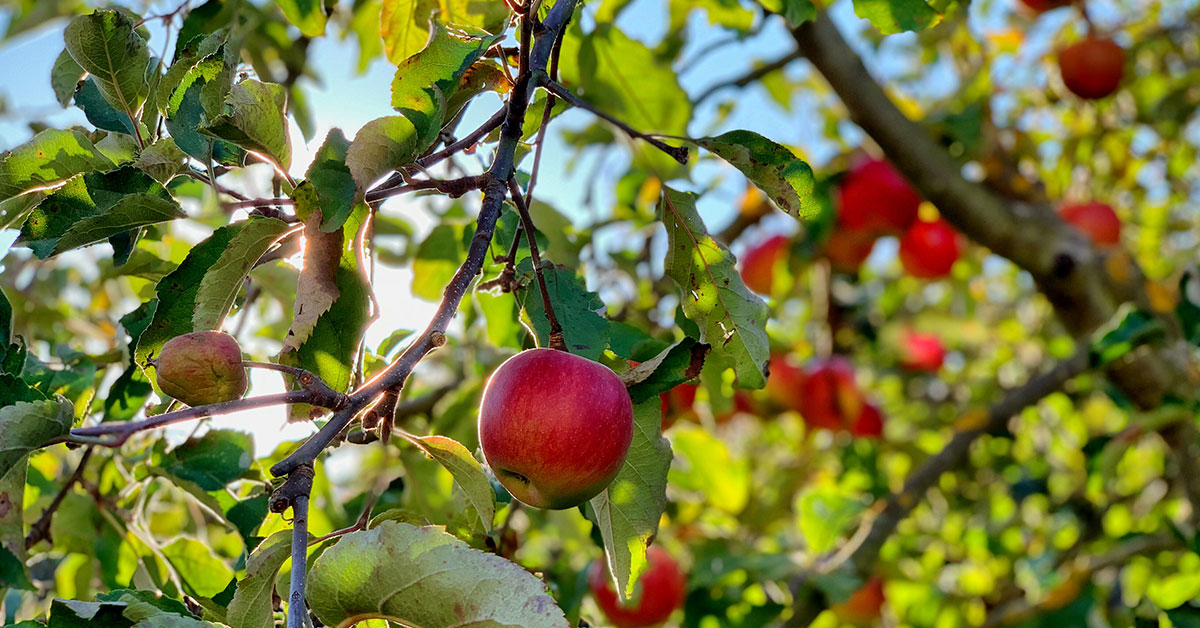
One of the most popular fruit trees for Zone 5 is the apple tree. With a wide range of varieties available, you can choose from early, mid, or late-season apples to extend your harvest period. Some recommended apple varieties for Zone 5 include Honeycrisp, McIntosh, Cortland, and Haralson. These trees are known for their ability to withstand cold winters and produce delicious, crisp apples.
Another excellent choice for Zone 5 is the pear tree. Pears are not only delicious but also relatively easy to grow. Some recommended pear varieties for this zone include Bartlett, Anjou, Bosc, and Seckel. These trees are known for their cold hardiness and can produce an abundance of juicy, sweet pears.
If you are looking for a unique and flavorful addition to your garden, consider planting a cherry tree. While cherries can be a bit more challenging to grow in colder climates, there are several varieties that are well-suited for Zone 5. Some recommended cherry varieties for this zone include Montmorency, Balaton, and North Star. These trees not only provide beautiful blossoms in the spring but also yield delicious tart cherries that are perfect for pies and preserves.
For those who prefer a tangy and refreshing fruit, plum trees are an excellent choice for Zone 5. Plum trees are known for their ability to tolerate colder temperatures and produce abundant fruit. Some recommended plum varieties for this zone include Stanley, Methley, and Toka. These trees offer a wide range of flavors and can be enjoyed fresh or used in various culinary creations.
Lastly, if you are looking for a fruit tree that is both ornamental and productive, consider planting a crabapple tree. Crabapple trees are known for their beautiful spring blossoms and small, flavorful fruits. Some recommended crabapple varieties for Zone 5 include Dolgo, Prairie Fire, and Snowdrift. These trees not only add beauty to your landscape but also attract birds and wildlife.
Avoid growing these fruit trees in Zone 5
When it comes to growing fruit trees in Zone 5, there are certain varieties that should be avoided due to their inability to withstand the harsh winter temperatures. It is important to select fruit trees that are hardy and can thrive in this specific climate. Here are a few fruit trees that should be avoided in Zone 5:
- Citrus Trees: Citrus trees, such as oranges, lemons, and grapefruits, are not suitable for Zone 5 due to their sensitivity to cold temperatures. These trees require a warm and tropical climate to flourish, making them unsuitable for the colder winters experienced in this zone.
- Avocado Trees: Avocado trees are another type of fruit tree that should be avoided in Zone 5. These trees are native to warm regions and cannot tolerate freezing temperatures. They are best suited for Zones 9 to 11, where the climate is consistently mild.
- Banana Trees: Banana trees are tropical plants that thrive in warm and humid conditions. They cannot tolerate frost or freezing temperatures, making them unsuitable for Zone 5. These trees are better suited for Zones 9 to 11, where the climate remains consistently warm throughout the year.
- Mango Trees: Mango trees are another fruit tree variety that should be avoided in Zone 5. These trees require a warm and tropical climate to produce fruit successfully. They are not cold-hardy and cannot withstand the freezing temperatures experienced in this zone.
By avoiding these fruit tree varieties, gardeners in Zone 5 can focus on selecting the best fruit trees that are well-suited to their climate and have a higher chance of thriving in their gardens.
Fruit tree growing tips
Growing fruit trees in Zone 5 can be a rewarding and fruitful experience. However, it is important to choose the right fruit trees that are well-suited to the climate and growing conditions of this zone. Here are some tips and best practices to help you successfully grow fruit trees in Zone 5:
- Select the Best Fruit Trees: Choose fruit tree varieties that are known to thrive in Zone 5. Some popular options include apple trees (such as Honeycrisp, McIntosh, or Haralson), cherry trees (such as Montmorency or Bing), pear trees (such as Bartlett or Bosc), and plum trees (such as Stanley or Santa Rosa). These varieties are known to be hardy and can withstand the cold winters and shorter growing seasons of Zone 5.
- Consider Pollination Requirements: Many fruit trees require cross-pollination to produce fruit. When selecting fruit tree varieties, make sure to choose trees that are compatible for cross-pollination. For example, apple trees need another apple tree of a different variety for successful pollination. Be sure to plant compatible varieties in close proximity to ensure proper pollination.
- Choose the Right Site: Select a site that receives full sun for at least 6-8 hours a day. Fruit trees thrive in well-drained soil, so choose a location with good drainage to prevent waterlogging. Avoid low-lying areas where cold air can settle, as this can increase the risk of frost damage.
- Prepare the Soil: Before planting, prepare the soil by removing any weeds or grass and loosening it with a garden fork or tiller. Amend the soil with organic matter, such as compost or well-rotted manure, to improve its fertility and drainage. Conduct a soil test to determine if any additional nutrients are needed and adjust accordingly.
- Planting and Pruning: Plant fruit trees in early spring or late fall, when the soil is workable. Dig a hole that is wide and deep enough to accommodate the tree’s root system. Place the tree in the hole, making sure the graft union (the swollen area where the tree was grafted onto the rootstock) is above the soil line. Backfill the hole with soil, gently firming it around the roots. Water thoroughly after planting.
- Provide Adequate Water and Nutrients: Fruit trees require regular watering, especially during dry periods. Provide deep, thorough waterings to ensure the roots receive enough moisture. Mulch around the base of the tree with organic mulch, such as wood chips or straw, to conserve moisture and suppress weeds. Fertilize fruit trees annually in early spring with a balanced fertilizer to provide essential nutrients.
- Protect from Frost: Zone 5 can experience late spring frosts, which can damage blossoms and reduce fruit production. Consider using frost protection methods, such as covering the trees with frost blankets or using sprinklers to create a protective layer of ice during frost events.
- Prune Regularly: Pruning is essential for maintaining the health and productivity of fruit trees. Prune in late winter or early spring before new growth begins. Remove any dead, damaged, or diseased branches. Thin out crowded branches to improve air circulation and sunlight penetration. Prune to maintain a balanced shape and size, promoting better fruit production.
By following these tips and best practices, you can successfully grow the best fruit trees in Zone 5 and enjoy a bountiful harvest for years to come. Happy gardening!