
Are you an Ohio resident with a green thumb and a desire to grow your own fruit? Look no further! In this article, we will explore the best fruit trees to grow in Ohio, taking into consideration the climate, soil conditions, and overall suitability for the region. Ohio’s diverse climate, with its hot summers and cold winters, presents unique challenges for fruit tree cultivation.
However, with careful selection and proper care, you can enjoy a bountiful harvest of delicious fruits right in your own backyard. Whether you’re a seasoned gardener or a beginner, this guide will help you choose the perfect fruit trees to thrive in Ohio’s climate and provide you with a fruitful and rewarding experience. So, let’s dive in and discover the best fruit trees to grow in Ohio!
The best fruit trees to grow in Ohio
The climate and soil conditions in Ohio make it an ideal region for growing a variety of fruit trees. However, certain fruit trees thrive better than others in this particular state. If you’re considering planting fruit trees in Ohio, here are some of the best fruit trees to grow:
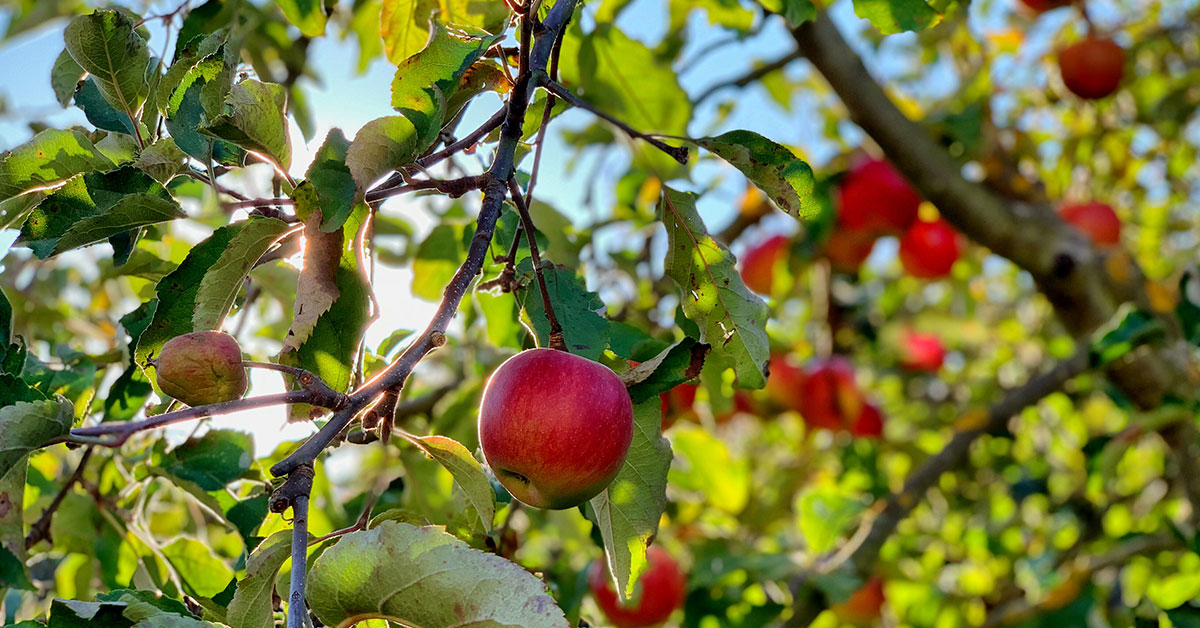
Apple Trees: Apples are a classic choice for Ohio gardens. With their wide range of varieties, you can find apple trees that are well-suited for different regions within the state. Some popular apple varieties to consider include Honeycrisp, Gala, Jonathan, and Granny Smith. Apple trees require well-drained soil and full sun exposure to produce abundant fruit.
Peach Trees: Ohio’s warm summers and cold winters create an excellent environment for growing peach trees. Varieties such as Redhaven, Contender, and Elberta are known to thrive in Ohio’s climate. Peach trees require fertile, well-drained soil and regular pruning to maintain their shape and productivity.
Pear Trees: Pear trees are another great choice for Ohio gardens. Varieties like Bartlett, Moonglow, and Seckel are well-suited to the state’s climate. Pear trees prefer slightly acidic, well-drained soil and require cross-pollination for optimal fruit production.
Cherry Trees: Ohio’s climate is perfect for growing both sweet and sour cherry trees. Sweet cherry varieties like Bing, Rainier, and Stella are popular choices, while Montmorency is a well-known sour cherry variety. Cherry trees thrive in well-drained soil and full sun exposure.
Plum Trees: Plum trees can also be successfully grown in Ohio. Varieties such as Stanley, Santa Rosa, and Methley are well-adapted to the state’s climate. Plum trees prefer fertile, well-drained soil and require cross-pollination for optimal fruit set.
Apricot Trees: Although apricot trees can be slightly more challenging to grow in Ohio due to their early blooming and susceptibility to late spring frosts, some varieties can still be successful. Varieties like Moorpark and Goldcot have shown good results in Ohio’s climate. Apricot trees require well-drained soil and full sun exposure.
When selecting fruit trees for your Ohio garden, it’s important to consider factors such as hardiness, disease resistance, and pollination requirements. Additionally, proper care and maintenance, including regular watering, fertilization, and pest control, will help ensure the health and productivity of your fruit trees.
Avoid growing these fruit trees in Ohio
When it comes to growing fruit trees in Ohio, it is important to choose varieties that are well-suited to the region’s climate and growing conditions. While there are several fruit trees that thrive in Ohio, there are also a few varieties that should be avoided due to their susceptibility to diseases and pests. Here are some fruit trees that are not recommended for Ohio:
- Citrus Trees: Citrus trees, including oranges, lemons, and grapefruits, are not suitable for Ohio’s climate. These trees require warm temperatures year-round and cannot tolerate the cold winters experienced in the state.
- Avocado Trees: Avocado trees are tropical plants that require a consistently warm climate. Ohio’s cold winters and fluctuating temperatures make it challenging for avocado trees to survive and produce fruit.
- Mango Trees: Similar to avocado trees, mango trees are tropical plants that thrive in warm and humid climates. Ohio’s climate is not conducive to growing mango trees, as they require long, hot summers to produce fruit.
- Palm Trees: Palm trees, such as coconut palms and date palms, are not suitable for Ohio’s climate. These trees are native to tropical and subtropical regions and cannot withstand the cold temperatures and frost that occur in Ohio.
- Banana Trees: Banana trees are another tropical plant that is not well-suited for Ohio’s climate. They require a long growing season with warm temperatures and high humidity, which are not typically found in the state.
By avoiding these fruit trees and focusing on varieties that are better adapted to Ohio’s climate, gardeners can increase their chances of success and enjoy a bountiful harvest.
Fruit Tree Growing Tips for Ohio
Growing fruit trees in Ohio can be a rewarding and fruitful experience. Here are some tips and best practices to help you successfully cultivate the best fruit trees in Ohio:
- Choose the Right Varieties: When selecting fruit trees for your Ohio garden, opt for varieties that are well-suited to the region’s climate and soil conditions. Some of the best fruit trees to grow in Ohio include apple trees (such as Honeycrisp, Gala, and Jonathan), cherry trees (such as Bing and Montmorency), peach trees (such as Redhaven and Elberta), and pear trees (such as Bartlett and Kieffer).
- Consider Pollination: Many fruit trees require cross-pollination to produce fruit. To ensure successful pollination, plant at least two compatible varieties within close proximity. Be sure to choose varieties that bloom at the same time to maximize pollination efficiency.
- Site Selection: Fruit trees thrive in locations that receive full sun for at least six to eight hours a day. Choose a spot with well-drained soil to prevent waterlogging, as excessive moisture can lead to root rot and other diseases. Avoid low-lying areas prone to frost pockets, as late spring frosts can damage blossoms.
- Soil Preparation: Prior to planting, prepare the soil by removing any weeds or grass and incorporating organic matter like compost or well-rotted manure. This improves soil fertility, drainage, and moisture retention. Conduct a soil test to determine the pH level and make necessary amendments to achieve a slightly acidic to neutral pH (around 6.0-7.0) for optimal tree growth.
- Planting: Dig a hole that is wide and deep enough to accommodate the tree’s root system without bending or crowding the roots. Place the tree in the hole, ensuring that the bud union (the swollen area where the tree was grafted onto the rootstock) is above the soil line. Backfill the hole with soil, gently firming it around the roots. Water thoroughly after planting to settle the soil.
- Pruning and Training: Proper pruning and training are essential for fruit tree health and productivity. Prune in late winter or early spring before bud break to remove dead, damaged, or crossing branches. Follow proper pruning techniques to maintain an open canopy that allows sunlight penetration and good air circulation.
- Watering and Mulching: Fruit trees require regular watering, especially during dry spells. Provide deep, infrequent waterings to encourage deep root growth. Apply a layer of organic mulch around the base of the tree, keeping it a few inches away from the trunk. Mulching helps retain soil moisture, suppress weeds, and regulate soil temperature.
- Pest and Disease Management: Monitor your fruit trees regularly for signs of pests or diseases, such as aphids, codling moths, apple scab, or brown rot. Implement integrated pest management (IPM) practices, including proper sanitation, regular inspections, and the use of organic or chemical controls when necessary. Consult your local extension office for specific recommendations.
- Fertilization: Fruit trees benefit from regular fertilization to support healthy growth and fruit production. Apply a balanced fertilizer in early spring before bud break, following the recommended rates for the specific tree species. Avoid excessive nitrogen fertilization, as it can promote vegetative growth at the expense of fruiting.
- Winter Protection: Ohio’s cold winters can pose a challenge to fruit trees. Protect young trees from winter damage by wrapping the trunk with tree guards or burlap. Apply a layer of mulch around the base to insulate the roots. Consider using frost blankets or row covers to shield blossoms from late spring frosts.
By following these tips and best practices, you can successfully grow the best fruit trees in Ohio and enjoy a bountiful harvest for years to come.