
Welcome to our comprehensive guide on the best fruit trees to grow in Mississippi! Known for its warm and humid climate, Mississippi offers ideal conditions for cultivating a wide variety of fruit trees. Whether you are an avid gardener, a fruit enthusiast, or simply looking to enhance your backyard with delicious and homegrown produce, this article will provide you with valuable insights and recommendations.
From the luscious peaches and plums to the tangy citrus fruits and juicy apples, we will explore the fruit trees that thrive in Mississippi’s unique environment. So, grab your gardening tools and get ready to embark on a fruitful journey of growing the best fruit trees in the Magnolia State!
The best fruit trees to grow in Mississippi
Best Fruit Trees to Grow in Mississippi When it comes to growing fruit trees in Mississippi, it is important to select varieties that are well-suited to the state’s climate and soil conditions. The following fruit trees have proven to be successful and are highly recommended for Mississippi gardeners:
- Peach Trees: Peaches are a popular choice for Mississippi due to their adaptability to various soil types and their ability to thrive in the state’s warm climate. Varieties such as ‘Redhaven,’ ‘Belle of Georgia,’ and ‘Elberta’ are known to produce excellent-quality peaches.
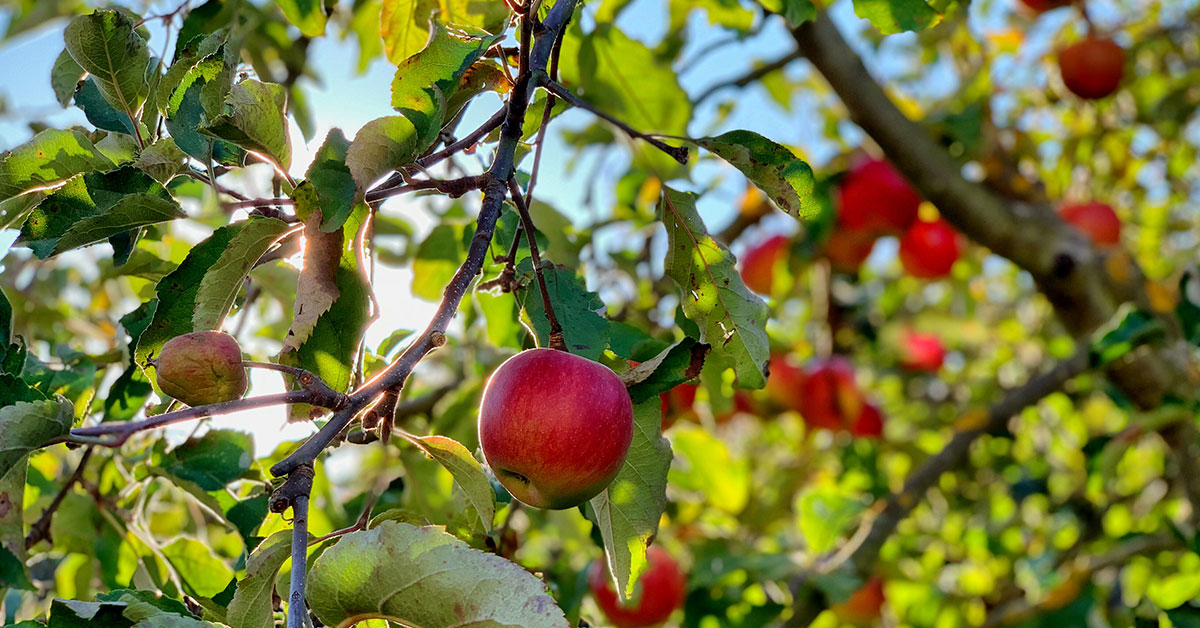
- Apple Trees: While apple trees require a bit more care and attention, they can still be successfully grown in Mississippi. Opt for disease-resistant varieties like ‘Arkansas Black,’ ‘Gala,’ or ‘Golden Delicious.’ These varieties have shown good resistance to common apple diseases prevalent in the region.
- Pear Trees: Pears are well-suited to Mississippi’s climate and can be a rewarding addition to your garden. Varieties such as ‘Bartlett,’ ‘Kieffer,’ and ‘Moonglow’ are known to perform well in the state. Ensure you choose self-pollinating or compatible varieties for optimal fruit production.
- Fig Trees: Figs are an excellent choice for Mississippi gardeners, as they are highly adaptable and require minimal maintenance. Varieties like ‘Celeste,’ ‘Brown Turkey,’ and ‘LSU Purple’ are well-suited to the state’s climate and produce delicious fruits.
- Plum Trees: Plums are another fruit tree option that can thrive in Mississippi. Varieties such as ‘Methley,’ ‘Santa Rosa,’ and ‘Ozark Premier’ are known to perform well in the state’s conditions. Ensure you select self-pollinating or compatible varieties for better fruit set.
- Pecan Trees: While not technically a fruit tree, pecan trees are well-suited to Mississippi’s climate and can provide a bountiful harvest of delicious nuts. Varieties like ‘Desirable,’ ‘Stuart,’ and ‘Pawnee’ are recommended for their excellent nut quality and adaptability.
When selecting fruit trees for your Mississippi garden, consider factors such as disease resistance, chilling hour requirements, and compatibility with the local climate and soil conditions. Additionally, proper care and maintenance, including regular pruning, watering, and fertilizing, will help ensure the success of your fruit trees. Happy gardening and enjoy the bountiful harvest of your **best fruit trees to grow in Mississippi**!
Avoid growing these fruit trees in Mississippi
When it comes to growing fruit trees in Mississippi, there are a few varieties that are best to avoid due to the region’s specific climate and soil conditions. Apple trees, for instance, may not thrive in Mississippi’s hot and humid summers, as they prefer cooler temperatures. Similarly, cherry trees may struggle in the state’s warm climate, as they require a certain number of chilling hours during winter to produce fruit.
Another fruit tree to avoid in Mississippi is the peach tree. While peaches can be grown successfully in some parts of the state, they are susceptible to a variety of diseases and pests that are prevalent in the region. Additionally, the high humidity and heavy rainfall in Mississippi can lead to fungal infections on peach trees, making them more challenging to cultivate.
Apricot trees are another fruit tree variety that may not be ideal for Mississippi’s climate. Apricots require a significant amount of chilling hours during winter, which may not be consistently met in the state. Furthermore, the warm and humid summers can make apricot trees more susceptible to diseases and pests.
Lastly, pear trees may not be the best choice for Mississippi gardeners. While some pear varieties can be grown in the state, they often require specific soil conditions and careful management to prevent diseases such as fire blight. Additionally, pear trees may not produce as well in the hot and humid climate of Mississippi compared to other fruit tree options.
While these fruit trees may not be the most suitable choices for Mississippi, there are still plenty of other best fruit trees to grow in Mississippi that can thrive in the state’s unique climate and soil conditions.
Fruit tree growing tips for Mississippi
When it comes to growing fruit trees in Mississippi, there are several tips and best practices to keep in mind to ensure successful cultivation. Mississippi’s climate and soil conditions are suitable for a variety of fruit trees, but it’s important to select the best ones for this region. Here are some key considerations and recommendations:
- Choose the Right Fruit Trees: The best fruit trees to grow in Mississippi are those that are well-adapted to the region’s climate and soil. Some excellent options include peach trees, apple trees, pear trees, fig trees, and plum trees. These fruit trees thrive in Mississippi’s warm and humid climate.
- Select Disease-Resistant Varieties: Mississippi’s humid climate can make fruit trees susceptible to various diseases. To minimize the risk, choose disease-resistant varieties when possible. For example, look for peach tree varieties that are resistant to bacterial spot and peach leaf curl, and apple tree varieties that are resistant to apple scab and fire blight.
- Plant in the Right Location: Fruit trees require full sun exposure to thrive and produce abundant fruits. Choose a location in your garden that receives at least 6-8 hours of direct sunlight each day. Additionally, ensure the soil is well-draining to prevent waterlogging, which can lead to root rot.
- Soil Preparation: Before planting your fruit trees, prepare the soil properly. Conduct a soil test to determine its pH level and nutrient content. Most fruit trees prefer slightly acidic soil with a pH range of 6.0-6.5. Amend the soil with organic matter, such as compost or well-rotted manure, to improve its fertility and drainage.
- Proper Planting Techniques: When planting fruit trees, dig a hole that is wide and deep enough to accommodate the tree’s root system. Place the tree in the hole, ensuring that the bud union (the swollen area where the tree was grafted onto the rootstock) is above the soil line. Backfill the hole with soil, gently firming it around the roots. Water the tree thoroughly after planting.
- Adequate Watering: Fruit trees require regular watering, especially during dry spells. Deep watering once or twice a week is generally sufficient. Avoid overwatering, as it can lead to root rot. Mulching around the base of the tree with organic mulch, such as wood chips or straw, helps retain soil moisture and suppress weed growth.
- Pruning and Training: Prune fruit trees during their dormant season (late winter or early spring) to remove dead, damaged, or crossing branches. Pruning helps improve airflow, sunlight penetration, and overall tree health. Additionally, proper training techniques, such as espalier or trellising, can help manage tree size and maximize fruit production.
- Pest and Disease Management: Regularly inspect your fruit trees for signs of pests or diseases. Common pests in Mississippi include aphids, scales, and codling moths. Utilize organic pest control methods, such as insecticidal soaps or horticultural oils, to manage infestations. Additionally, practicing good sanitation, such as removing fallen fruits and leaves, can help prevent disease outbreaks.
By following these tips and best practices, you can successfully grow the best fruit trees in Mississippi and enjoy a bountiful harvest of delicious and healthy fruits. Remember to stay attentive to your trees’ needs throughout the growing season and seek advice from local gardening experts or extension services for specific recommendations based on your location.