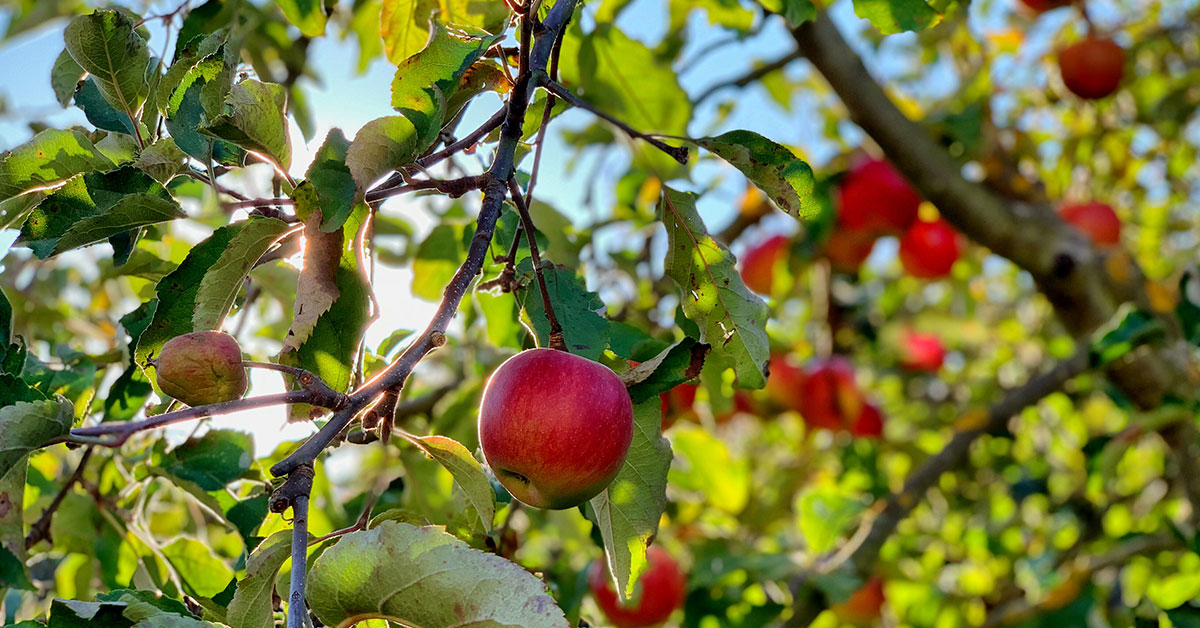

Welcome to our comprehensive guide on the best fruit trees to grow in Michigan! If you’re a gardening enthusiast in the Great Lakes State, you’ll be delighted to know that Michigan’s climate and soil conditions are ideal for cultivating a wide variety of fruit trees. From the lush orchards of the west coast to the fruitful landscapes of the east, Michigan offers a bountiful environment for fruit tree enthusiasts.
In this article, we will explore the top fruit trees that thrive in Michigan’s unique climate, providing you with valuable insights and tips to help you create your very own fruitful oasis. Whether you’re a seasoned gardener or just starting out, get ready to discover the best fruit trees to grow in Michigan and enjoy the sweet rewards of your labor!
The best fruit trees to grow in Michigan
The climate in Michigan presents a unique opportunity for fruit tree enthusiasts to cultivate a wide variety of fruit trees. However, it is crucial to select the best fruit trees to grow in Michigan that can withstand the state’s cold winters and thrive in its temperate summers. Here are some top choices for fruit trees that are well-suited to Michigan’s growing conditions:
- Apple Trees: Michigan is renowned for its apple orchards, making apple trees an excellent choice for any Michigan gardener. Varieties such as Honeycrisp, McIntosh, and Gala are particularly well-suited to the state’s climate. These trees offer a bountiful harvest of delicious apples that can be enjoyed fresh or used in various culinary creations.
- Cherry Trees: Michigan’s ideal climate and fertile soil make it the perfect location for growing cherries. Both sweet and tart cherry trees thrive in the state, with varieties like Bing, Montmorency, and Rainier being popular choices. Cherries from these trees can be enjoyed fresh, used in baking, or transformed into delightful preserves and sauces.
- Peach Trees: Despite Michigan’s colder winters, certain peach tree varieties can still flourish. Hardy peach tree cultivars like Reliance, Redhaven, and Contender have been specifically bred to withstand colder temperatures. These trees produce juicy, flavorful peaches that are perfect for enjoying on a warm summer day or incorporating into desserts.
- Pear Trees: Pear trees are another excellent choice for Michigan gardeners. Varieties like Bartlett, Moonglow, and Anjou are well-suited to the state’s climate. These trees produce an abundance of succulent pears that can be enjoyed fresh, canned, or used in various culinary preparations.
- Plum Trees: Plum trees are well-adapted to Michigan’s climate and can thrive in a variety of soil types. Varieties like Stanley, Santa Rosa, and Methley are popular choices for their delicious fruit and ability to withstand colder temperatures. The plums harvested from these trees can be enjoyed fresh, turned into jams and jellies, or used in baking.
When selecting fruit trees for your Michigan garden, it is essential to consider factors such as hardiness, disease resistance, and pollination requirements. Consulting with local nurseries or agricultural extension offices can provide valuable insights into the best fruit tree varieties for your specific location. By choosing the best fruit trees to grow in Michigan, you can create a fruitful and rewarding garden that will provide you with an abundance of delicious homegrown fruit.
Avoid growing these fruit trees in Michigan
When it comes to growing fruit trees in Michigan, there are certain varieties that may not thrive as well as others due to the state’s unique climate and growing conditions. It is important to be aware of the fruit trees that should be avoided in Michigan to save time, effort, and resources. Here are a few fruit trees that are not recommended for growing in Michigan:
- Citrus Trees: Citrus trees, including oranges, lemons, and grapefruits, are not suitable for Michigan’s climate. These trees require warm temperatures year-round, which Michigan’s cold winters cannot provide. While it is possible to grow citrus trees indoors or in greenhouses, it can be challenging to replicate their ideal growing conditions.
- Avocado Trees: Avocado trees are native to tropical and subtropical regions, making them unsuitable for Michigan’s colder climate. These trees are highly sensitive to frost and cold temperatures, which can cause significant damage or even kill the tree. Therefore, it is best to avoid attempting to grow avocado trees outdoors in Michigan.
- Mango Trees: Similar to avocado trees, mango trees require a warm and tropical climate to thrive. Michigan’s climate is far from ideal for mango trees, as they cannot tolerate freezing temperatures. Growing mango trees outdoors in Michigan is not recommended due to the high risk of frost damage.
- Banana Trees: Banana trees are another fruit tree that should be avoided in Michigan. These trees are native to tropical regions and require warm temperatures year-round. Michigan’s cold winters and short growing season make it nearly impossible to successfully grow banana trees outdoors.
- Pineapple Trees: Pineapple trees are not suitable for Michigan’s climate due to their tropical origins. These trees require a warm and humid environment, which is challenging to replicate in Michigan. Growing pineapple trees outdoors in Michigan is not feasible, and it is best to enjoy these fruits as imports from their native regions.
By avoiding these fruit trees that are ill-suited for Michigan’s climate, gardeners can focus their efforts on cultivating fruit trees that are best suited for Michigan’s growing conditions.
Fruit tree growing tips for Michigan
Growing fruit trees in Michigan can be a rewarding and fruitful endeavor. The state’s climate and soil conditions make it suitable for a variety of fruit trees. Here are some tips and best practices to help you successfully grow the best fruit trees in Michigan:
- Choose the Right Varieties: When selecting fruit trees for your Michigan garden, it’s important to choose varieties that are well-suited to the state’s climate. Some of the best fruit trees to grow in Michigan include apple trees (such as Honeycrisp, McIntosh, and Gala), cherry trees (such as Montmorency and Bing), peach trees (such as Redhaven and Contender), and pear trees (such as Bartlett and Anjou). These varieties have proven to be successful in Michigan’s weather conditions.
- Consider Pollination: Many fruit trees require cross-pollination to bear fruit. To ensure successful pollination, plant at least two different varieties of the same fruit tree species or choose self-pollinating varieties. For example, apple trees like Honeycrisp require a pollinator such as McIntosh or Gala.
- Planting Location: Fruit trees thrive in well-drained soil with full sun exposure. Choose a location in your garden that receives at least 6-8 hours of direct sunlight per day. Avoid low-lying areas that may retain excess moisture, as this can lead to root rot and other diseases.
- Soil Preparation: Before planting your fruit trees, prepare the soil by removing any weeds, rocks, or debris. Amend the soil with organic matter, such as compost or well-rotted manure, to improve drainage and fertility. Conduct a soil test to determine the pH level and nutrient content, and make any necessary adjustments to ensure optimal growing conditions.
- Proper Planting Technique: Dig a hole that is wide and deep enough to accommodate the tree’s root system. Place the tree in the hole, ensuring that the graft union (the swollen area where the tree was grafted onto the rootstock) is above the soil line. Backfill the hole with soil, gently firming it around the roots. Water thoroughly after planting to settle the soil and eliminate air pockets.
- Watering and Mulching: Newly planted fruit trees require regular watering to establish their root systems. Provide deep, thorough watering once or twice a week, especially during dry periods. Apply a layer of organic mulch around the base of the tree to conserve moisture, suppress weeds, and regulate soil temperature.
- Pruning and Training: Prune your fruit trees annually to promote proper growth, shape, and fruit production. Pruning should be done during the dormant season (late winter or early spring) to remove dead, damaged, or crossing branches. Training young trees with proper pruning techniques, such as central leader or open center systems, will help them develop strong structures.
- Pest and Disease Management: Fruit trees in Michigan are susceptible to various pests and diseases, such as apple maggots, codling moths, fungal infections, and bacterial diseases. Implement integrated pest management strategies, including regular monitoring, cultural practices (such as proper sanitation and pruning), and judicious use of organic or chemical controls when necessary.
By following these tips and best practices, you can successfully grow the best fruit trees in Michigan and enjoy a bountiful harvest for years to come. Remember to stay informed about specific care requirements for each fruit tree variety you choose, as they may have unique needs.