
Welcome to our comprehensive guide on the best fruit trees to grow in Louisiana! Known for its warm and humid climate, Louisiana offers ideal conditions for a wide variety of fruit trees to thrive. Whether you are an avid gardener or simply looking to add some delicious homegrown fruits to your backyard, this article will explore the top fruit trees that are well-suited to the unique Louisiana climate.
From citrus trees that can withstand the hot summers to hardy stone fruit trees that can tolerate occasional cold snaps, we will cover the best options for your Louisiana garden. So, let’s dive in and discover the fruit trees that will bring a burst of flavor and beauty to your landscape!
The best fruit trees to grow in Louisiana
Best Fruit Trees to Grow in Louisiana Louisiana’s warm and humid climate provides an excellent environment for growing a wide variety of fruit trees. Whether you are an avid gardener or a beginner looking to start your own orchard, there are several fruit trees that thrive in the Bayou State. Here are some of the best fruit trees to consider for your Louisiana garden:
- Satsuma Orange Trees: Satsumas are a type of mandarin orange that is well-suited for Louisiana’s climate. These trees are highly productive and can withstand the occasional cold snaps that occur during the winter months. Satsumas are known for their sweet and juicy fruit, making them a popular choice among citrus enthusiasts.
- Peach Trees: Peaches are another excellent choice for Louisiana gardeners. With their beautiful blossoms in the spring and delicious fruit in the summer, peach trees add both beauty and flavor to your garden. Look for varieties that are adapted to the southern climate, such as the Elberta or Redhaven.
- Fig Trees: Fig trees are well-suited for Louisiana’s warm and humid climate. These trees are relatively low maintenance and can produce abundant crops of sweet and flavorful figs. Varieties like Celeste and Brown Turkey are particularly well-adapted to the region.
- Plum Trees: Plums are a versatile fruit that can be enjoyed fresh, dried, or used in various culinary creations. Louisiana gardeners can choose from several plum tree varieties, such as the Methley, Santa Rosa, or Burbank. These trees thrive in the state’s climate and produce delicious, juicy plums.
- Pecan Trees: While not technically a fruit tree, pecan trees are a staple in Louisiana’s agricultural landscape. These majestic trees produce an abundance of tasty nuts that are used in a wide range of dishes. Pecan trees require a long growing season, making them a perfect fit for Louisiana’s warm climate.
- Blueberry Bushes: Blueberries are a popular fruit that can be easily grown in Louisiana. These bushes thrive in acidic soil and require a certain amount of chill hours during the winter. Look for southern highbush varieties like Climax or Premier for the best results.
When selecting fruit trees for your Louisiana garden, it is essential to consider factors such as disease resistance, chill hour requirements, and adaptability to the local climate. Consulting with local nurseries or agricultural extension offices can provide valuable insights and recommendations specific to your area. With the right selection of fruit trees, you can enjoy a bountiful harvest and add natural beauty to your Louisiana landscape.
Avoid growing these fruit trees in Louisiana
When it comes to growing fruit trees in Louisiana, there are certain varieties that may not thrive as well as others due to the state’s unique climate and soil conditions. It is important to be aware of the fruit trees that should be avoided in Louisiana to ensure successful and fruitful harvests. Here are a few fruit trees that are not recommended for growing in Louisiana:
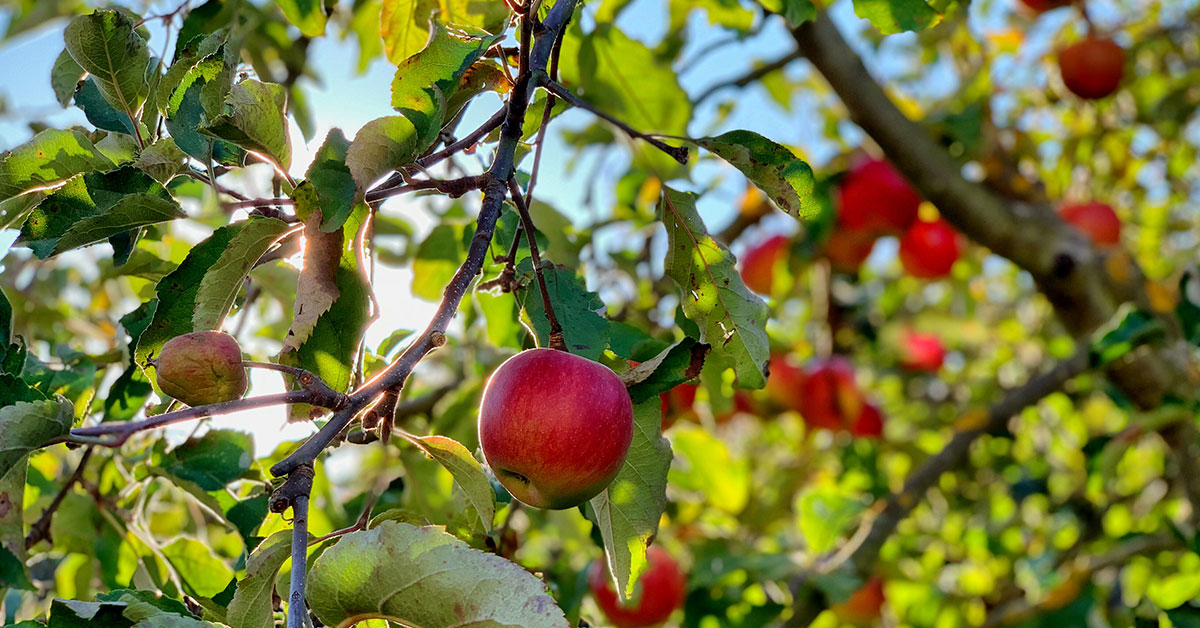
- Apple Trees: While apple trees can be grown in Louisiana, they require a significant amount of chilling hours to produce fruit. Chilling hours refer to the number of hours a tree needs to be exposed to temperatures below 45°F (7°C) during its dormant period. Unfortunately, Louisiana’s mild winters do not provide enough chilling hours for most apple varieties to thrive.
- Cherry Trees: Similar to apple trees, cherry trees also require a substantial amount of chilling hours. Louisiana’s warm winters make it challenging for cherry trees to receive the necessary chilling hours, resulting in poor fruit production and overall tree health.
- Pear Trees: Pear trees can struggle in Louisiana due to the high humidity and susceptibility to fungal diseases. While some pear varieties may tolerate the climate better than others, it is generally recommended to choose disease-resistant cultivars and provide proper care to minimize the risk of fungal infections.
- Apricot Trees: Apricot trees are not well-suited for Louisiana’s hot and humid climate. They require a significant amount of winter chilling hours and are susceptible to diseases and pests commonly found in the region. Growing apricot trees in Louisiana can be challenging and may not yield satisfactory results.
- Sweet Cherry Trees: Sweet cherry trees, like other fruit trees mentioned above, require a substantial number of chilling hours. Louisiana’s mild winters make it difficult for sweet cherry trees to set fruit properly. Additionally, sweet cherries are more susceptible to diseases and pests compared to sour cherry varieties.
While these fruit trees may not be the best choices for Louisiana’s climate, there are still plenty of fruit trees that thrive in Louisiana and can provide bountiful harvests. It is always recommended to choose fruit tree varieties that are well-adapted to the local climate, disease-resistant, and suited for the specific soil conditions in your area.
Fruit tree growing tips for Louisiana
Growing fruit trees in Louisiana can be a rewarding experience, as the state’s warm and humid climate is conducive to the cultivation of a wide variety of fruit trees. Here are some tips and best practices to help you successfully grow the best fruit trees in Louisiana:
- Choose the right fruit trees: When selecting fruit trees for your Louisiana garden, consider those that are well-suited to the state’s climate and soil conditions. Some of the best fruit trees to grow in Louisiana include citrus trees like oranges, lemons, and satsumas, as well as peach trees, plum trees, fig trees, and pear trees. These trees thrive in the warm climate and can tolerate the occasional cold snaps.
- Site selection: Fruit trees require a location that receives full sun for at least six to eight hours a day. Ensure that the chosen spot has well-draining soil to prevent waterlogging, which can lead to root rot. Avoid low-lying areas prone to flooding, as excessive moisture can harm the trees.
- Soil preparation: Prior to planting, prepare the soil by incorporating organic matter such as compost or well-rotted manure. This helps improve soil fertility, drainage, and moisture retention. Conduct a soil test to determine the pH level and nutrient deficiencies, and amend the soil accordingly to create an optimal growing environment for your fruit trees.
- Planting: The best time to plant fruit trees in Louisiana is during the dormant season, typically in late winter or early spring. Dig a hole that is wide and deep enough to accommodate the tree’s root system. Place the tree in the hole, ensuring that the bud union (for grafted trees) is above the soil line. Backfill the hole with soil, gently firming it around the roots. Water thoroughly after planting to settle the soil.
- Irrigation: Adequate watering is crucial for the establishment and growth of fruit trees. Provide regular deep watering, especially during dry spells, to keep the soil consistently moist but not waterlogged. Mulching around the base of the tree helps retain soil moisture, suppress weeds, and regulate soil temperature.
- Pruning and training: Pruning fruit trees is essential for maintaining their shape, promoting airflow, and encouraging fruit production. Prune during the dormant season to remove dead, damaged, or crossing branches. Train young trees to have a strong central leader and well-spaced lateral branches, which will help support the weight of future fruit.
- Fertilization: Fruit trees benefit from regular fertilization to ensure healthy growth and abundant fruit production. Apply a balanced fertilizer, such as a 10-10-10 or 14-14-14, in early spring before new growth begins. Follow the manufacturer’s instructions for application rates based on the tree’s age and size. Avoid over-fertilization, as it can lead to excessive vegetative growth at the expense of fruit production.
- Pest and disease management: Regularly monitor your fruit trees for signs of pests and diseases, such as aphids, scale insects, fungal infections, and bacterial diseases. Implement integrated pest management techniques, including cultural practices, biological controls, and targeted pesticide applications if necessary. Regularly remove fallen leaves and fruit to reduce the risk of disease spread.
By following these tips and best practices, you can enjoy a bountiful harvest of delicious fruits from your best fruit trees in Louisiana. Remember to stay informed about specific care requirements for the fruit trees you choose to grow, as each variety may have its own unique needs.