
Welcome to our comprehensive guide on the best fruit trees to grow in Delaware! Whether you are an avid gardener or just starting out, Delaware’s climate and soil conditions offer a fantastic opportunity to cultivate a wide variety of fruit trees. From the lush orchards of the Brandywine Valley to the coastal regions, the First State is a haven for fruit tree enthusiasts.
In this article, we will explore the top fruit trees that thrive in Delaware’s unique environment, providing you with valuable insights and tips to help you create a fruitful garden of your own. So, let’s dive in and discover the perfect fruit trees to grow in Delaware!
The best fruit trees to grow in Delaware
When it comes to choosing the best fruit trees to grow in Delaware, it is essential to consider the region’s climate and soil conditions. Delaware experiences a humid subtropical climate, characterized by hot summers and mild winters. This climate is favorable for growing a variety of fruit trees that can thrive in these conditions.
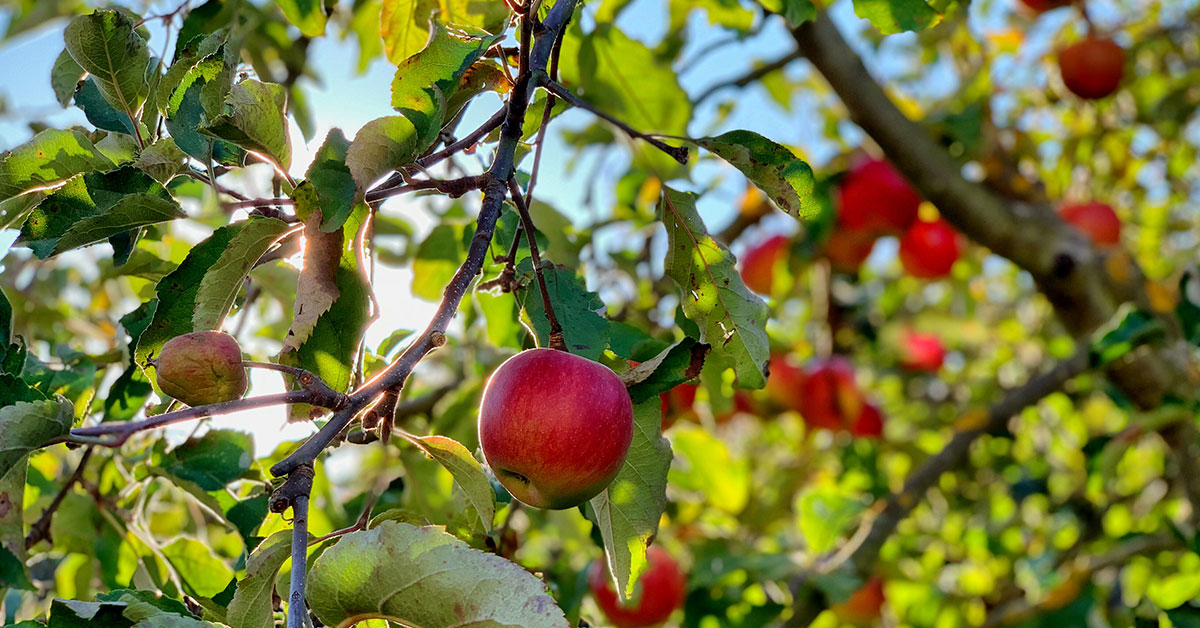
One of the most popular fruit trees to grow in Delaware is the apple tree. Apples are well-suited to the state’s climate and can be grown successfully in both backyard gardens and larger orchards. Varieties such as ‘Red Delicious,’ ‘Golden Delicious,’ and ‘Granny Smith’ are known to perform exceptionally well in Delaware’s climate.
Another excellent choice for Delaware gardeners is the peach tree. Peaches are known for their juicy, sweet fruit and are a favorite among many. Varieties like ‘Elberta,’ ‘Redhaven,’ and ‘Belle of Georgia’ are well-adapted to the state’s climate and can produce abundant harvests when properly cared for.
For those looking to add a touch of tropical flair to their gardens, the fig tree is an excellent option. Fig trees are surprisingly hardy and can withstand Delaware’s winters with proper protection. Varieties like ‘Brown Turkey’ and ‘Celeste’ are known to thrive in the state, producing delicious and nutritious figs.
If you’re a fan of cherries, consider planting the sour cherry tree in your Delaware garden. Sour cherries are more suitable for the state’s climate compared to sweet cherries, as they are more resistant to diseases and pests. Varieties such as ‘Montmorency’ and ‘North Star’ are well-suited for Delaware’s conditions and can yield a bountiful harvest of tart cherries.
Lastly, the pear tree is another great choice for Delaware gardeners. Pears are known for their delicate flavor and smooth texture, making them a delightful addition to any fruit garden. Varieties like ‘Bartlett,’ ‘Anjou,’ and ‘D’Anjou’ are well-adapted to Delaware’s climate and can produce an abundance of delicious pears.
When selecting fruit trees for your Delaware garden, it is crucial to choose varieties that are disease-resistant and well-suited to the region’s climate. Additionally, providing proper care, including regular watering, fertilization, and pruning, will help ensure the health and productivity of your fruit trees. With the right selection and care, you can enjoy a fruitful harvest of the **best fruit trees to grow in Delaware**.
Avoid growing these fruit trees in Delaware
When it comes to growing fruit trees in Delaware, there are a few varieties that are best to avoid due to the region’s climate and soil conditions. While Delaware offers favorable conditions for many fruit trees, some may struggle to thrive or produce a bountiful harvest. Citrus trees, such as oranges, lemons, and grapefruits, should generally be avoided in Delaware. These trees require warm and tropical climates, which are not typically found in the state. Delaware’s cold winters and fluctuating temperatures can be detrimental to citrus trees, making it challenging for them to survive and bear fruit.
Additionally, avocado trees are not recommended for Delaware gardens. Avocado trees thrive in warm, subtropical climates and require a long growing season to produce fruit. Delaware’s shorter growing season and cooler temperatures make it difficult for avocado trees to reach their full potential.
Another fruit tree to avoid in Delaware is the mango tree. Similar to citrus and avocado trees, mango trees prefer tropical climates with consistent warmth and high humidity. Delaware’s climate, with its cold winters and moderate summers, does not provide the ideal conditions for mango trees to flourish.
While these fruit trees may not be suitable for Delaware, there are plenty of other options that are better suited to the state’s climate and soil. By choosing the right fruit trees, gardeners in Delaware can enjoy a fruitful harvest and a thriving orchard.
Fruit tree growing tips for Delaware
Growing fruit trees in Delaware can be a rewarding and fruitful experience. To ensure success, it is important to choose the best fruit trees that are well-suited to the climate and growing conditions in the region. Here are some tips and best practices for growing fruit trees in Delaware:
- Choose the right fruit trees: When selecting fruit trees for your Delaware garden, consider varieties that are known to thrive in the region’s climate. Some of the best fruit trees to grow in Delaware include apple trees, peach trees, cherry trees, pear trees, and plum trees. These trees are well-adapted to the state’s moderate climate and can withstand the occasional cold snaps.
- Consider disease resistance: Delaware’s humid climate can create favorable conditions for certain fruit tree diseases. To minimize the risk, choose fruit tree varieties that are resistant to common diseases prevalent in the area, such as apple scab, fire blight, and peach leaf curl. Disease-resistant varieties are more likely to thrive and produce healthy fruit.
- Plant in the right location: Fruit trees require full sun exposure to thrive and produce abundant fruit. Select a location in your garden that receives at least 6-8 hours of direct sunlight each day. Additionally, ensure that the soil is well-draining to prevent waterlogging, which can lead to root rot.
- Prepare the soil: Prior to planting your fruit trees, prepare the soil by incorporating organic matter, such as compost or well-rotted manure. This improves soil fertility, drainage, and moisture retention. Conduct a soil test to determine the pH level and nutrient content of the soil. Fruit trees generally prefer slightly acidic soil with a pH range of 6.0-6.8.
- Planting and spacing: Dig a hole that is wide and deep enough to accommodate the tree’s roots without crowding or bending them. Place the tree in the hole, ensuring that the bud union (the swollen area where the tree was grafted onto the rootstock) is above the soil line. Backfill the hole with soil, gently firming it around the roots. Proper spacing between fruit trees is crucial to allow for adequate airflow and sunlight penetration. Follow the recommended spacing guidelines provided by the nursery or extension service.
- Watering and mulching: Newly planted fruit trees require regular watering to establish their root systems. Water deeply, providing enough moisture to penetrate the root zone. Once established, fruit trees generally require about 1 inch of water per week during the growing season. Mulching around the base of the tree helps conserve moisture, suppress weeds, and regulate soil temperature. Apply a layer of organic mulch, such as wood chips or straw, but keep it a few inches away from the trunk to prevent rot.
- Pruning and training: Pruning is essential for maintaining the health, shape, and productivity of fruit trees. Prune during the dormant season to remove dead, damaged, or crossing branches. Proper training and pruning techniques, such as thinning out excess branches and creating an open center or central leader structure, promote better air circulation and sunlight penetration, reducing the risk of diseases.
- Pest and disease management: Regularly monitor your fruit trees for signs of pests and diseases. Common pests in Delaware include aphids, codling moths, and plum curculios. Implement integrated pest management strategies, such as using insecticidal soaps, horticultural oils, or biological controls when necessary. Regularly inspect your trees for signs of diseases, and promptly address any issues by following recommended control measures.
By following these tips and best practices, you can successfully grow the best fruit trees in Delaware and enjoy a bountiful harvest of delicious, homegrown fruit. Remember to stay informed about specific care requirements for the fruit tree varieties you choose, as different species may have unique needs.