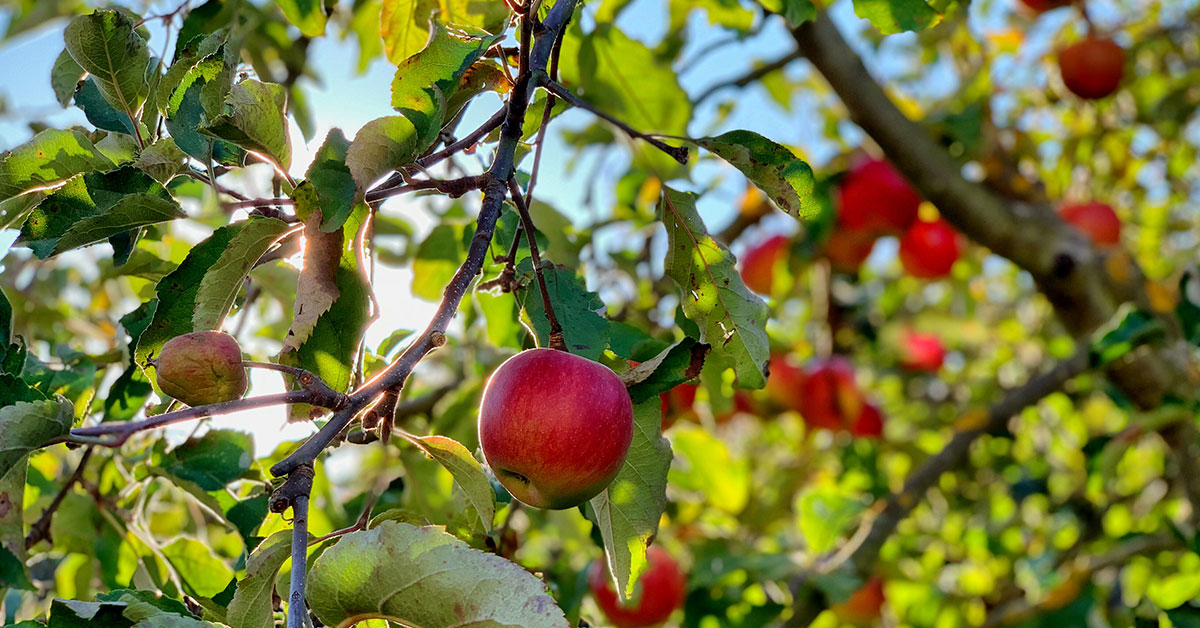

In this article, we will explore some of the best fruit trees to grow in California, taking into consideration their adaptability to the state’s climate. California’s climate and diverse geography make it an ideal region for growing a wide variety of fruit trees. From the sunny coastlines to the fertile valleys, this state offers the perfect conditions for fruit trees to thrive.
Whether you have a spacious backyard or a small urban garden, there are fruit trees that can be successfully cultivated in California. Their productivity, and the delicious fruits they bear. Whether you are a seasoned gardener or a beginner, get ready to discover the fruit trees that will transform your garden into a bountiful paradise.
The best fruit trees to grow in California
The diverse climate and fertile soil of California make it an ideal region for growing a wide variety of fruit trees. Whether you have a small backyard or a large orchard, there are several best fruit trees to grow in California that will thrive and provide you with a bountiful harvest. Here are some top choices for fruit trees that are well-suited to California’s climate:
Citrus Trees: California is famous for its citrus fruits, and growing citrus trees in your garden is a rewarding experience. Varieties such as oranges, lemons, limes, and grapefruits flourish in the state’s Mediterranean climate. They require full sun, well-drained soil, and regular watering to produce juicy and flavorful fruits.
Apple Trees: With proper care and the right choice of apple varieties, you can successfully grow apple trees in California. Some apple varieties, like the Gala, Fuji, and Granny Smith, thrive in the cooler regions of the state. They require a certain number of chill hours during winter to set fruit, so it’s important to select varieties that are suitable for your specific location.
Apricot Trees: Apricots are well-suited to California’s climate, particularly in the Central Valley and other warmer regions. These trees produce delicious and aromatic fruits that are perfect for eating fresh, drying, or making jams and preserves. They prefer full sun and well-drained soil, and they are generally self-fertile, meaning you can plant a single tree and still get a good harvest.
Peach and Nectarine Trees: California’s warm climate is ideal for growing both peaches and nectarines. These trees require full sun, regular watering, and well-drained soil. There are numerous varieties available, ranging from early to late-season harvests, each with its own unique flavor profile. Planting a mix of varieties can extend your harvest season.
Fig Trees: Fig trees are well-adapted to California’s Mediterranean climate and are relatively easy to grow. They are drought-tolerant and can thrive in various soil types. Figs produce sweet and succulent fruits that can be enjoyed fresh or used in various culinary creations. They require full sun and regular pruning to maintain their shape and productivity.
Avocado Trees: California’s coastal regions provide an excellent environment for growing avocado trees. These trees require a frost-free climate and well-drained soil. Avocado trees are self-fertile, but planting multiple varieties can increase fruit production. With proper care, you can enjoy a steady supply of creamy and nutritious avocados.
Remember, when selecting fruit trees for your garden, it’s crucial to consider your specific microclimate, available space, and personal preferences. Additionally, ensure that you provide adequate care, including proper watering, fertilization, and pest control, to maximize the health and productivity of your best fruit trees to grow in California.
Avoid growing these fruit trees in California
When it comes to growing fruit trees in California, there are a plethora of options that thrive in the state’s diverse climate and soil conditions. However, it is equally important to be aware of the fruit trees that may not be the best fit for California’s specific growing conditions. Here are a few fruit trees that should be avoided in California:
- Cherry Trees: While cherries are a popular fruit, they require a significant amount of winter chilling hours to set fruit properly. California’s mild winters may not provide the necessary chill hours, especially in coastal regions, making it challenging to grow cherries successfully.
- Peach Trees: Similar to cherries, peach trees also require a certain number of chilling hours to produce a bountiful harvest. Although some low-chill varieties are available, the overall success of growing peaches in California can be hit or miss, particularly in warmer regions.
- Apricot Trees: Apricots are another fruit tree that requires a substantial amount of chilling hours. While they can be grown in certain parts of California, it is crucial to choose low-chill varieties and carefully consider the microclimate of your specific location.
- Plum Trees: Plum trees, like cherries and peaches, have specific chilling requirements that may not be met in all areas of California. However, there are some low-chill plum varieties available that can be successfully grown in certain regions.
- Pear Trees: Pear trees can be challenging to grow in California due to the lack of winter chilling hours in many areas. However, some low-chill pear varieties, such as the Hood pear, have been developed specifically for regions with milder winters.
While these fruit trees may not be the best choices for all areas of California, it is important to note that microclimates can vary significantly throughout the state. Therefore, it is always advisable to consult with local gardening experts or extension services to determine the most suitable fruit trees for your specific location.
Fruit tree growing tips for California
Tips and Best Practices for Growing Fruit Trees in California
- Choose the Right Fruit Trees: When it comes to growing fruit trees in California, it is essential to select varieties that thrive in the region’s climate. Some of the best fruit trees to grow in California include citrus trees like oranges, lemons, and grapefruits, as well as stone fruit trees like peaches, plums, and apricots. Additionally, apple, pear, and fig trees can also do well in certain parts of the state.
- Consider Chill Hours: California has a diverse climate, ranging from coastal areas to inland valleys and mountainous regions. It is crucial to consider the chill hour requirements of fruit trees before planting. Chill hours refer to the number of hours a tree needs to be exposed to temperatures between 32°F and 45°F during the dormant period to break dormancy and produce fruit. Make sure to select fruit tree varieties that match the chill hour requirements of your specific location in California.
- Provide Adequate Sunlight: Fruit trees require ample sunlight to thrive and produce a bountiful harvest. Ensure that you choose a planting location that receives at least six to eight hours of direct sunlight each day. Avoid planting fruit trees in areas shaded by buildings, fences, or other trees, as this can hinder their growth and fruit production.
- Optimal Soil Conditions: California has a wide range of soil types, including sandy, loamy, and clay soils. Before planting fruit trees, it is crucial to assess the soil conditions in your garden. Fruit trees generally prefer well-draining soil with a pH level between 6.0 and 7.0. If your soil is heavy clay or sandy, consider amending it with organic matter, such as compost, to improve its fertility and drainage.
- Adequate Watering: Proper watering is vital for the health and productivity of fruit trees. While California is known for its dry climate, it is essential to provide consistent and deep watering to fruit trees, especially during the hot summer months. Young trees require more frequent watering, while established trees may need watering once or twice a week, depending on the weather conditions. Mulching around the base of the tree can help retain moisture and regulate soil temperature.
- Pruning and Training: Regular pruning and training are necessary to maintain the shape, size, and productivity of fruit trees. Prune fruit trees during their dormant period to remove dead, damaged, or crossing branches. Additionally, training young trees by selecting a central leader and removing competing branches will help establish a strong framework for future growth.
- Pest and Disease Management: California is home to various pests and diseases that can affect fruit trees. Monitor your trees regularly for signs of pests like aphids, mites, or fruit flies, and take appropriate measures to control them. Additionally, practice good sanitation by removing fallen leaves and fruit to prevent the spread of diseases like fungal infections.
By following these tips and best practices, you can successfully grow and enjoy the best fruit trees in California, ensuring a fruitful harvest year after year.