
Welcome to the world of growing your own Turban pumpkin! These unique and visually stunning pumpkins are a delightful addition to any garden or fall display. With their distinctive shape and vibrant colors, Turban pumpkins are sure to catch the eye of anyone passing by.
Whether you are a seasoned gardener or a beginner, this article will provide you with all the information you need to successfully grow and care for Turban pumpkins. From selecting the right variety to planting, watering, and harvesting, we will guide you through every step of the process. So, grab your gardening tools and get ready to embark on a pumpkin-growing adventure like no other!
What is a Turban pumpkin?
The Turban pumpkin, also known as the Turk’s Turban or French Turban, is a unique and visually striking variety of pumpkin. It is named after its distinctive shape, which resembles a turban or hat. The pumpkin has a large, round base with a bulbous top that is often brightly colored in shades of orange, red, and green.
The skin is smooth and hard, making it excellent for decorative purposes. Turban pumpkins are typically medium to large in size, ranging from 6 to 12 inches in diameter. They have a thick, sweet flesh that is deep orange in color and offers a rich, nutty flavor. This makes them suitable for both culinary uses and ornamental displays.
These pumpkins are known for their excellent storage capabilities, often lasting for several months if stored in a cool, dry place. They are also highly versatile in the kitchen, as they can be used in a variety of dishes such as soups, stews, pies, and roasted vegetable medleys. When it comes to cultivation, Turban pumpkins require full sun and well-drained soil.
They are relatively easy to grow and have a long growing season, typically taking around 100 to 120 days to reach maturity. Regular watering and occasional fertilization are necessary to ensure healthy growth. Overall, Turban pumpkins are a popular choice for both decorative and culinary purposes, thanks to their unique appearance, delicious flavor, and long shelf life.
What does a Turban pumpkin taste like?
Turban pumpkins, also known as Turk’s Turban or French Turban pumpkins, have a unique flavor profile that sets them apart from other varieties. These pumpkins are known for their vibrant and striking appearance, with a colorful mix of green, orange, and white stripes on their skin.
In terms of taste, Turban pumpkins offer a sweet and nutty flavor with a hint of earthiness. The flesh is dense and smooth, with a creamy texture that lends itself well to various culinary applications. When cooked, the pumpkin develops a rich, sweet flavor that is often compared to butternut squash or sweet potatoes.
The sweetness of Turban pumpkins makes them an excellent choice for both sweet and savory dishes. They can be used in a variety of recipes, including soups, stews, curries, pies, bread, and even desserts like pumpkin cheesecake or pumpkin spice cake. The nutty undertones of the pumpkin add depth and complexity to these dishes, enhancing the overall flavor.
When roasted, Turban pumpkins develop a caramelized sweetness that intensifies their natural flavors. This makes them a delightful addition to roasted vegetable medleys or as a standalone side dish. Their unique appearance also makes them a popular choice for decorative purposes, adding a touch of elegance to autumn displays or Thanksgiving centerpieces.
Overall, Turban pumpkins offer a delicious combination of sweetness, nuttiness, and earthiness that makes them a versatile and flavorful option for culinary creations.
How to start Turban pumpkin from seed
Growing Turban pumpkins can be a rewarding and enjoyable experience. These unique and decorative pumpkins are known for their vibrant colors and distinctive shape. Here is a step-by-step guide to help you successfully start growing Turban pumpkins:
- Choose the right time: Turban pumpkins are warm-season crops, so it’s essential to start planting them after the last frost date in your area. The soil temperature should be around 60°F (15°C) for successful germination.
- Select a suitable location: Turban pumpkins require full sun exposure, so choose a spot in your garden that receives at least 6-8 hours of direct sunlight daily. Ensure the soil is well-drained and rich in organic matter.
- Prepare the soil: Before planting, prepare the soil by removing any weeds, rocks, or debris. Loosen the soil to a depth of 12-18 inches (30-45 cm) and incorporate compost or well-rotted manure to improve fertility and drainage.
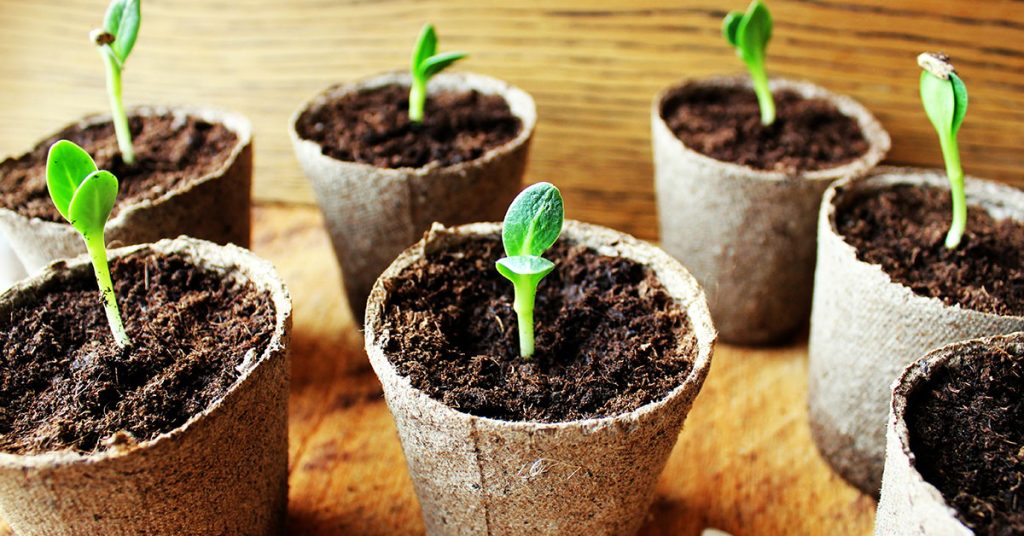
- Start seeds indoors: Turban pumpkin seeds can be started indoors 3-4 weeks before the last frost date. Fill seed trays or pots with seed-starting mix, and plant the seeds about 1 inch (2.5 cm) deep. Keep the soil consistently moist and maintain a temperature of around 70°F (21°C) for optimal germination.
- Transplant seedlings: Once the danger of frost has passed and seedlings have developed 2-3 true leaves, they can be transplanted outdoors. Choose a cloudy day or evening to minimize transplant shock. Space the seedlings 3-5 feet (0.9-1.5 meters) apart, allowing enough room for the vines to spread.
- Direct sowing: Alternatively, you can directly sow Turban pumpkin seeds outdoors once the soil has warmed up. Plant the seeds 1 inch (2.5 cm) deep and space them 3-5 feet (0.9-1.5 meters) apart.
- Provide proper care: Water the plants deeply, providing around 1 inch (2.5 cm) of water per week. Avoid overhead watering to prevent fungal diseases. Mulching around the plants can help retain moisture and suppress weeds. Fertilize the plants every 2-3 weeks with a balanced organic fertilizer.
- Support the vines: As the Turban pumpkin vines grow, they may need support to prevent them from sprawling on the ground. Use trellises, cages, or stakes to support the vines and keep the fruits off the soil, reducing the risk of rot and pests.
- Monitor pests and diseases: Keep an eye out for common pumpkin pests like aphids, squash bugs, and cucumber beetles. Regularly inspect the plants for any signs of diseases such as powdery mildew or rot. If necessary, use organic pest control methods or consult with a local gardening expert for appropriate solutions.
- Harvesting: Turban pumpkins are typically ready for harvest 90-120 days after planting. The skin color should be fully developed and hard, and the stem should be dry and brown. Cut the pumpkins from the vine, leaving a few inches of stem attached. Cure the harvested pumpkins in a warm, dry place for 10-14 days to improve their storage life.
By following these steps, you can successfully start growing Turban pumpkins and enjoy their unique beauty in your garden or use them for decorative purposes during the fall season.
When to plant Turban pumpkin outdoors
The ideal time to plant Turban pumpkins is in late spring or early summer, when the soil temperature has warmed up to around 70°F (21°C) and all chances of frost have passed. This typically falls between May and June in most regions. Planting at the right time ensures that the seeds germinate quickly and the plants have enough time to grow and produce mature pumpkins before the first frost in the fall.
Growing & care guide
Turban pumpkins, also known as Turk’s Turban or French Turban, are a unique and visually striking variety of pumpkin. They have a distinct shape with a colorful, mottled skin that resembles a turban. If you’re planning to grow Turban pumpkins in your garden, here are some best practices to ensure their successful growth and development.
- Climate and Soil Requirements: Turban pumpkins thrive in warm climates with a long growing season. They require full sun exposure for at least 6-8 hours a day. The soil should be well-draining, rich in organic matter, and slightly acidic with a pH level between 6.0 and 6.8.
- Planting: Start by preparing the soil by loosening it and removing any weeds or debris. Turban pumpkins are typically grown from seeds, so sow the seeds directly into the soil once the danger of frost has passed and the soil temperature has reached around 60°F (15°C). Plant the seeds about 1 inch deep and space them around 3-4 feet apart to allow sufficient room for the vines to spread.
- Watering: Turban pumpkins require consistent moisture throughout their growing season. Water the plants deeply, providing around 1-2 inches of water per week. It’s important to keep the soil evenly moist but not waterlogged, as excessive moisture can lead to root rot. Mulching around the plants can help retain moisture and prevent weed growth.
- Fertilization: Turban pumpkins are heavy feeders and benefit from regular fertilization. Before planting, incorporate well-rotted compost or aged manure into the soil to provide essential nutrients. Additionally, apply a balanced organic fertilizer once the plants start to develop true leaves. Follow the package instructions for proper dosage and timing.
- Pruning and Support: Turban pumpkins have vigorous vines that can spread up to 15 feet. To prevent overcrowding and promote better air circulation, consider pruning the vines when they start to grow excessively. Trim off any side shoots or suckers, but be careful not to remove too many leaves as they provide shade to the developing fruits. Providing support, such as trellises or stakes, can help keep the vines off the ground and prevent rotting.
- Pest and Disease Control: Turban pumpkins are generally resistant to many common pests and diseases. However, it’s always a good practice to monitor your plants regularly for any signs of trouble. Common pests that may affect pumpkins include aphids, squash bugs, and cucumber beetles. If necessary, use organic insecticides or insecticidal soaps to control these pests. Diseases like powdery mildew can be prevented by ensuring good air circulation and avoiding overhead watering.
- Harvesting: Turban pumpkins are ready for harvest when their skin has hardened and developed vibrant colors. The stem should be dry and starting to crack. Use a sharp knife or pruners to cut the pumpkin from the vine, leaving a few inches of stem intact. Handle them with care to avoid any damage that may lead to rotting.
By following these best practices, you can successfully grow and care for Turban pumpkins in your garden. Enjoy the unique beauty and delicious flavor of these remarkable pumpkins!
Harvesting guide
Turban pumpkins, also known as Turk’s Turban or French Turban pumpkins, are a unique and visually striking variety of winter squash. Harvesting turban pumpkins requires careful observation and timing to ensure they are picked at the right stage of maturity. Here are some guidelines to help you harvest turban pumpkins successfully:
- Timing: Turban pumpkins typically take around 90 to 110 days to reach maturity from the time they are planted as seeds. The exact timing may vary depending on your specific growing conditions and the variety you are cultivating. It is crucial to keep track of the planting date to estimate the approximate harvest time.
- Visual cues: Turban pumpkins are ready for harvest when they have reached their full size and have developed a vibrant, rich color. The skin should be firm and hard, and the pumpkin should feel heavy for its size. The characteristic turban shape should be well-defined, with the top portion forming a cap-like structure.
- Tapping test: Another way to determine if a turban pumpkin is ready for harvest is by performing a tapping test. Gently tap the pumpkin with your knuckles or fingers. If it produces a hollow sound, it indicates that the pumpkin has matured and is ready to be harvested.
- Stem drying: As the turban pumpkin nears maturity, the stem connecting it to the vine will start to dry out and turn brown. This is a good indication that the pumpkin is ready to be harvested. However, be careful not to wait too long, as an overly dried stem can make the pumpkin more susceptible to rotting or damage during harvest.
- Harvesting technique: To harvest a turban pumpkin, use a sharp knife or pruning shears to cut the stem about 2 to 3 inches above the pumpkin. Avoid pulling or twisting the pumpkin, as this can damage the vine or cause the pumpkin to break off prematurely. Leave a short stem attached to the pumpkin, as this helps prolong its shelf life.
- Post-harvest care: After harvesting, handle the turban pumpkins with care to prevent any bruising or injury. Avoid stacking or piling them on top of each other, as this can cause pressure points and lead to rotting. Store the pumpkins in a cool, dry place with good ventilation. Ideally, the temperature should be around 50 to 55°F (10 to 13°C) with a relative humidity of 50-70%.
By following these guidelines, you can ensure a successful turban pumpkin harvest. Enjoy the unique beauty and delicious flavor of these ornamental winter squash!