
Welcome to the world of pumpkin growing! If you’re a fan of vibrant, eye-catching pumpkins that are perfect for fall decorations and delicious pies, then the Spirit pumpkin is an excellent choice for your garden. Known for its stunning deep orange color, smooth skin, and classic pumpkin shape, the Spirit pumpkin is a favorite among gardeners and pumpkin enthusiasts alike.
In this article, we will delve into the fascinating world of growing Spirit pumpkins, exploring everything from selecting the right seeds to nurturing the plants throughout the growing season. Whether you’re a seasoned gardener or a beginner, get ready to embark on a pumpkin-growing adventure that will yield bountiful harvests and bring joy to your autumn festivities.
What is a Spirit pumpkin?
Spirit pumpkin is a popular variety known for its unique appearance and delicious flavor. It is a medium-sized pumpkin with a round shape and a vibrant orange color. The skin is smooth and firm, making it ideal for carving or decorative purposes. The flesh is thick, sweet, and dense, making it perfect for baking, roasting, or making pumpkin puree.
Spirit pumpkins typically weigh between 8 to 12 pounds and have a long shelf life, allowing for extended enjoyment throughout the fall season. They are relatively easy to grow and require full sun, well-drained soil, and regular watering. With proper care, Spirit pumpkins can thrive and provide a bountiful harvest.
What does a Spirit pumpkin taste like?
Spirit pumpkins have a deliciously sweet and nutty flavor profile. They are known for their smooth and creamy texture, making them perfect for baking and cooking. The flesh of Spirit pumpkins is dense and rich, with a subtle hint of earthiness that adds depth to its flavor. When cooked, the pumpkin develops a caramelized sweetness that enhances its natural sweetness.
The flavor of Spirit pumpkins is often described as reminiscent of butternut squash, with a slightly sweeter and milder taste. Overall, Spirit pumpkins offer a delightful combination of sweetness, nuttiness, and earthy undertones, making them a popular choice for a variety of culinary creations.
How to start Spirit Pumpkin from seed
Starting Spirit pumpkins is a great choice for gardeners looking to grow large, vibrant, and flavorful pumpkins. Here’s a step-by-step guide to help you successfully start Spirit pumpkins:
- Selecting Seeds: Choose high-quality Spirit pumpkin seeds from a reputable seed supplier or garden center. Look for seeds that are fresh, disease-free, and specifically labeled as Spirit pumpkins.
- Timing: Spirit pumpkins require a long growing season, so it’s important to start them indoors about 2-3 weeks before the last frost date in your area. This will give the plants a head start and ensure they have enough time to mature.
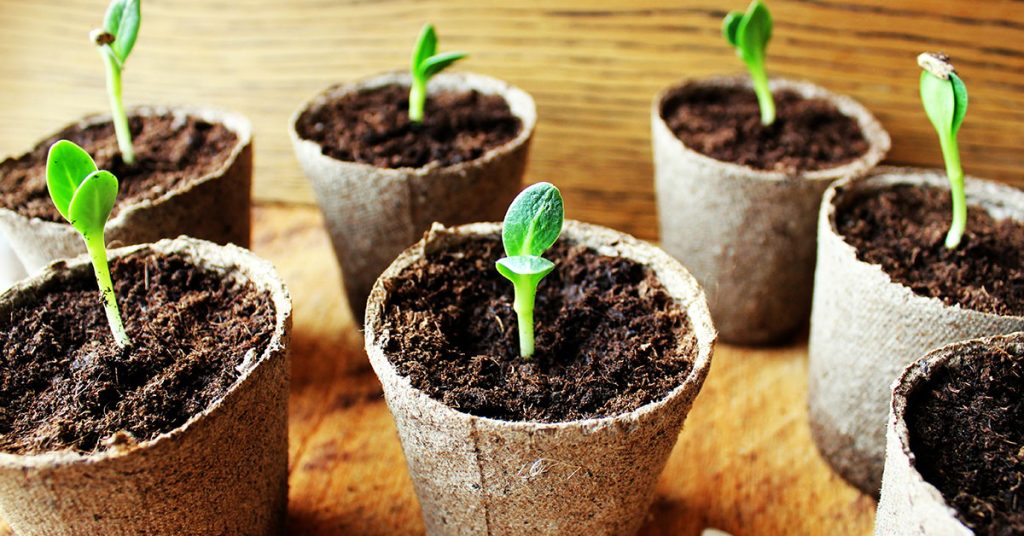
- Indoor Seed Starting: Fill seed trays or small pots with a well-draining seed starting mix. Moisten the soil slightly before sowing the seeds. Plant the seeds about 1 inch deep, placing 2-3 seeds per pot or cell.
- Germination: Spirit pumpkin seeds typically germinate within 7-10 days when kept in a warm environment with temperatures around 75-85°F (24-29°C). To maintain consistent moisture, cover the trays or pots with a plastic dome or plastic wrap until the seeds sprout.
- Providing Light: Once the seeds have germinated, remove the plastic cover and place the seedlings in a bright location. Provide them with at least 6-8 hours of direct sunlight per day. If natural light is insufficient, use fluorescent grow lights positioned a few inches above the seedlings.
- Transplanting: When the seedlings have developed their first set of true leaves and all danger of frost has passed, they are ready to be transplanted outdoors. Harden off the seedlings by gradually exposing them to outdoor conditions over a period of 7-10 days.
- Outdoor Planting: Choose a sunny location in your garden with well-draining soil. Spirit pumpkins prefer soil that is rich in organic matter. Prepare the soil by incorporating compost or well-rotted manure to improve fertility and drainage.
- Plant Spacing: Spirit pumpkins require ample space to grow, so plant them at least 4-6 feet apart to allow for proper air circulation and sprawling growth. Alternatively, you can grow them on trellises or supports to save space.
- Planting Depth: Dig a hole slightly larger than the root ball of the seedling. Gently remove the seedling from its pot, being careful not to damage the roots. Place the seedling in the hole, backfill with soil, and firm it gently around the base.
- Watering and Care: Keep the soil consistently moist but not waterlogged. Water deeply at the base of the plants, avoiding overhead watering, which can promote disease. Mulching around the plants can help retain moisture and suppress weed growth.
- Fertilization: Spirit pumpkins are heavy feeders, so provide them with regular fertilization. Apply a balanced organic fertilizer or a slow-release granular fertilizer according to the manufacturer’s instructions. Avoid excessive nitrogen, as it can result in excessive foliage growth at the expense of fruit production.
- Pest and Disease Control: Monitor your plants regularly for common pumpkin pests like aphids, squash bugs, and cucumber beetles. Handpick or use organic insecticides to control them. Additionally, prevent fungal diseases by providing good air circulation, avoiding overhead watering, and applying organic fungicides if necessary.
- Pollination: Spirit pumpkins require pollination to set fruit. Bees and other pollinators are essential for this process. To attract them, plant companion flowers such as marigolds or zinnias nearby.
- Harvesting: Spirit pumpkins take approximately 100-120 days to mature. Harvest them when the skin is hard and the stem is dry and brown. Cut the pumpkin from the vine, leaving a few inches of stem attached. Store them in a cool, dry place with good ventilation.
By following these steps, you’ll be well on your way to growing healthy and productive Spirit pumpkins. Enjoy the process and the bountiful harvest!
When to plant Spirit pumpkin outdoors
The ideal time to plant Spirit pumpkins is in late spring or early summer, once the soil has warmed up and all chances of frost have passed. In most regions, this would be around late May to early June. It is important to ensure that the soil temperature is consistently above 60°F (15°C) for successful germination and growth.
Growing & care guide
Caring for Spirit pumpkins requires attention to several key factors to ensure healthy growth and a bountiful harvest. Here are some best practices to follow:
- Location: Choose a sunny spot in your garden that receives at least 6-8 hours of direct sunlight daily. Pumpkins thrive in warm temperatures, so ensure the area is well-drained and protected from strong winds.
- Soil Preparation: Spirit pumpkins prefer well-draining soil with a pH level between 6.0 and 7.5. Before planting, amend the soil with organic matter like compost or well-rotted manure to improve fertility and drainage. This will provide the necessary nutrients for healthy growth.
- Planting: Sow Spirit pumpkin seeds directly in the garden after the last frost date in your area. Plant the seeds about 1 inch deep and space them 2-3 feet apart. You can also start seeds indoors 2-3 weeks before the last frost and transplant them outdoors once the soil has warmed up.
- Watering: Pumpkins require consistent moisture, especially during the fruiting stage. Water deeply, providing about 1-2 inches of water per week. Avoid overhead watering, as wet foliage can promote diseases. Instead, use a soaker hose or drip irrigation to water the base of the plants.
- Mulching: Apply a layer of organic mulch around the base of the plants to help retain moisture, suppress weed growth, and regulate soil temperature. Straw, wood chips, or shredded leaves make excellent mulch choices.
- Fertilization: Pumpkins are heavy feeders, so it’s important to provide them with regular fertilization. Apply a balanced organic fertilizer, such as a 10-10-10 or 14-14-14, at planting time and again when the vines start to develop. Follow the package instructions for application rates.
- Pruning and Training: Spirit pumpkins are vigorous growers, and their vines can sprawl over a large area. To save space and encourage better air circulation, you can train the vines to grow in a specific direction or use trellises or fences for support. Prune off any excessive foliage or side shoots to redirect the plant’s energy towards fruit production.
- Pest and Disease Control: Keep an eye out for common pumpkin pests like squash bugs, cucumber beetles, and powdery mildew. Regularly inspect the plants for signs of infestation or disease and take appropriate measures, such as handpicking pests or applying organic insecticides or fungicides if necessary.
- Harvesting: Spirit pumpkins are ready for harvest when the skin has hardened and turned a deep orange color. The stem should be dry and brown. Use a sharp knife or pruning shears to cut the pumpkins from the vine, leaving a few inches of stem attached. Handle them with care to avoid any damage.
By following these best practices, you can ensure the successful growth of Spirit pumpkins and enjoy a plentiful harvest of beautiful and delicious pumpkins. Happy gardening!
Harvesting guide
The Spirit pumpkin is a popular variety known for its vibrant orange color, sweet flavor, and excellent carving capabilities. Harvesting Spirit pumpkins at the right time is crucial to ensure they reach their full potential. Here’s a guide on when and how to harvest Spirit pumpkins:
- Timing: Spirit pumpkins are typically ready for harvest around 90 to 110 days after planting the seeds. However, it’s essential to monitor the pumpkin’s maturity rather than relying solely on the days since planting. Look for signs of maturity such as a fully developed color, hard rind, and a dried-out stem.
- Color: The ideal color for a mature Spirit pumpkin is a deep, rich orange. As the pumpkin matures, it will transition from green to a lighter shade of orange before reaching its final vibrant hue. Avoid harvesting pumpkins that are still green or have a pale orange color, as they won’t have reached their full flavor and sweetness potential.
- Rind hardness: Gently press your fingernail against the pumpkin’s skin. If the rind is hard and resists puncture, it’s a good indication that the pumpkin is mature and ready for harvest. Immature pumpkins will have a softer rind that can be easily pierced.
- Stem drying: Another sign of a mature Spirit pumpkin is the drying out of the stem. As the pumpkin ripens, the stem will begin to dry and turn brown. Once the stem is completely dry and brittle, it’s a clear indication that the pumpkin is ready to be harvested.
- Harvesting technique: To harvest Spirit pumpkins, use a sharp knife or pruning shears to cut the stem about 2 to 4 inches above the pumpkin. Leaving a longer stem helps prolong the pumpkin’s shelf life. Avoid pulling or twisting the pumpkin off the vine, as this can damage the fruit or the plant.
- Post-harvest care: After harvesting, gently wipe off any dirt or debris from the pumpkin’s surface. Avoid washing the pumpkin with water, as excess moisture can lead to rot. Allow the pumpkin to cure in a warm, dry, and well-ventilated area for about 10 to 14 days. This process helps toughen the skin and enhances the pumpkin’s flavor and longevity.
By following these guidelines, you can ensure that your Spirit pumpkins are harvested at the perfect time, resulting in delicious, vibrant, and long-lasting pumpkins for carving or culinary use.