
Welcome to the world of gardening, where we delve into the art of cultivating the most delightful and bountiful pumpkins. In this article, we will explore the fascinating world of growing Sparkler pumpkins, a unique and captivating variety that will surely add a touch of magic to your garden.
With its vibrant orange skin adorned with mesmerizing white stripes, the Sparkler pumpkin is a true gem that will not only enhance your autumn decor but also delight your taste buds with its sweet and tender flesh. Whether you are a seasoned gardener or a novice with a green thumb, join us as we uncover the secrets to successfully growing Sparkler pumpkins and enjoy a harvest that will leave you in awe.
What is a Sparkler pumpkin?
The Sparkler pumpkin is a unique and eye-catching variety known for its distinctive appearance. It is a medium-sized pumpkin with a round shape and a vibrant orange color. What sets the Sparkler pumpkin apart is its striking white speckled markings that cover the entire surface of the fruit, resembling stars or fireworks, hence the name “Sparkler.” This variety is highly sought after for its ornamental value, making it a popular choice for fall decorations and festive displays.
The Sparkler pumpkin typically weighs between 5 to 10 pounds, making it manageable for carving or crafting. In terms of cultivation, Sparkler pumpkins require similar growing conditions as other pumpkin varieties. They thrive in full sun and well-draining soil with a pH level between 6.0 and 7.5. Adequate spacing is crucial to allow the vines to spread and the fruits to develop properly.
Regular watering is essential, especially during dry spells, to ensure consistent growth. It is recommended to water deeply and avoid wetting the foliage to prevent diseases. Mulching around the plants can help retain moisture and suppress weed growth. Sparkler pumpkins are typically ready for harvest around 90 to 100 days after planting.
The fruits should be firm and have a deep orange color. To ensure a longer shelf life, it is advisable to leave a short stem attached to the pumpkin when harvesting. Whether used for decorative purposes or culinary endeavors, the Sparkler pumpkin is sure to add a touch of whimsy and charm to any garden or autumn celebration.
What does a Sparkler pumpkin taste like?
Sparkler pumpkins have a unique flavor profile that sets them apart from other pumpkin varieties. They are known for their sweet and nutty taste, with a hint of earthiness. The flesh of Sparkler pumpkins is smooth and creamy, making it perfect for various culinary uses.
When cooked, Sparkler pumpkins develop a rich, caramelized flavor that adds depth to dishes. The sweetness of the pumpkin shines through, making it a delightful addition to both sweet and savory recipes. The nutty undertones provide a pleasant contrast, enhancing the overall taste experience.
In terms of texture, Sparkler pumpkins have a dense and firm flesh that holds its shape well during cooking. This makes them ideal for baking, roasting, or even making pumpkin puree for pies, soups, and other pumpkin-based dishes. The smooth consistency of the flesh also lends itself well to creating velvety smooth pumpkin soups and creamy pumpkin desserts.
Overall, Sparkler pumpkins offer a delicious combination of sweetness, nuttiness, and earthiness, making them a versatile and flavorful choice for any pumpkin lover.
How to start Sparkler pumpkin from seed
Here’s a step-by-step guide on starting Sparkler pumpkins:
- Choose the right time: Sparkler pumpkins are warm-season plants, so it’s best to start them indoors about 2-3 weeks before the last frost date in your area. This will give them a head start and ensure they have enough time to mature before the colder weather arrives.
- Gather the seeds: Obtain Sparkler pumpkin seeds from a reputable source. You can purchase them from a local nursery or order them online. Make sure the seeds are fresh and of good quality.
- Prepare the soil: Sparkler pumpkins prefer well-draining soil that is rich in organic matter. Choose a sunny spot in your garden or use large containers if you plan to grow them on a patio or balcony. Prepare the soil by loosening it with a garden fork or tiller and incorporate compost or well-rotted manure to improve fertility.
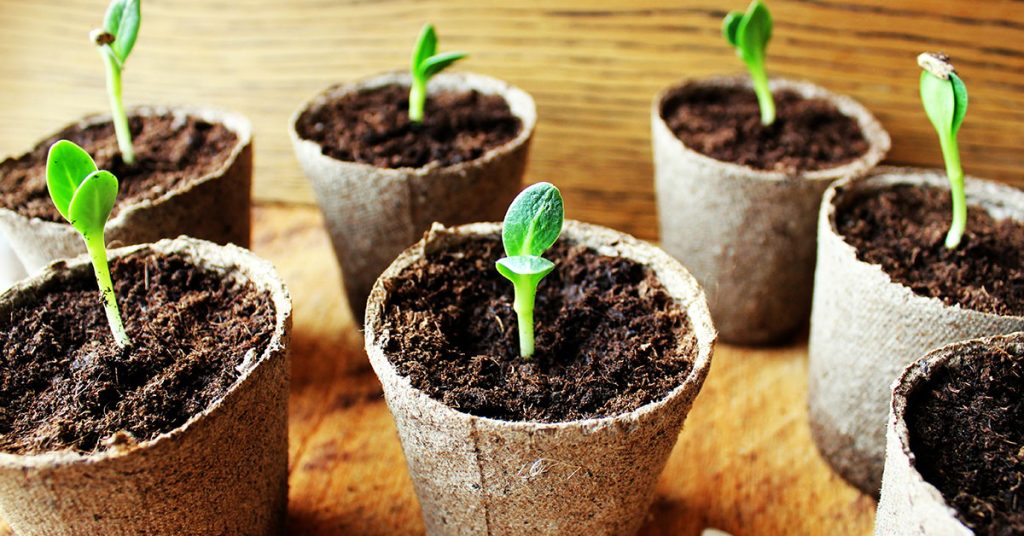
- Start seeds indoors: Fill seed trays or small pots with seed-starting mix. Moisten the mix before planting the seeds. Plant each seed about 1 inch deep and cover them with soil. Place the trays or pots in a warm location, around 70-85°F (21-29°C), such as near a sunny window or under grow lights.
- Provide proper care: Keep the soil consistently moist but not waterlogged. Use a spray bottle or misting wand to water the seedlings gently to avoid disturbing the seeds. Ensure good air circulation to prevent fungal diseases by using a small fan or opening windows periodically.
- Transplanting seedlings: After the danger of frost has passed and the seedlings have developed a few sets of true leaves, they are ready to be transplanted outdoors. Harden off the seedlings by gradually exposing them to outdoor conditions over a period of 7-10 days. Start with a few hours of sunlight and gradually increase the time each day.
- Planting outdoors: Choose a sunny location in your garden with well-drained soil. Space the seedlings about 3-5 feet apart to allow for proper growth and air circulation. Dig a hole slightly larger than the root ball of each seedling and gently place them in the hole. Backfill with soil and water thoroughly.
- Provide support: Sparkler pumpkins are vining plants that can take up a lot of space. Consider providing a trellis or sturdy support structure for the vines to climb on. This will help save space and keep the pumpkins off the ground, reducing the risk of rot or pests.
- Watering and fertilizing: Keep the soil consistently moist throughout the growing season. Water deeply at the base of the plants, avoiding wetting the foliage. Apply a balanced organic fertilizer every 2-3 weeks to provide the necessary nutrients for healthy growth.
- Pest and disease control: Monitor your plants regularly for any signs of pests or diseases. Common pests that may affect pumpkins include aphids, squash bugs, and vine borers. Use organic pest control methods such as handpicking, insecticidal soaps, or neem oil to manage infestations. Prevent diseases by providing good air circulation, avoiding overhead watering, and practicing crop rotation.
- Harvesting: Sparkler pumpkins are ready for harvest when their skin turns a deep orange color and the stem starts to dry out. Cut the pumpkins from the vine, leaving a few inches of stem attached. Handle them carefully to avoid any damage.
By following these steps, you’ll be on your way to growing beautiful Sparkler pumpkins in your garden. Enjoy the process and the bountiful harvest!
When to plant Sparkler pumpkin outdoors
The ideal time to plant Sparkler pumpkins is in late spring or early summer, when the soil temperature has warmed up to around 70°F (21°C). This is typically after the last frost date in your area. Planting too early when the soil is still cold can stunt the growth of the pumpkin plants.
It’s important to note that Sparkler pumpkins are a variety of ornamental gourd, known for their unique and colorful appearance. They are typically grown for decorative purposes rather than for eating.
Growing & care guide
Sparkler pumpkins are a unique variety known for their stunning white and green striped skin. To ensure the best growth and yield of Sparkler pumpkins, here are some best practices for caring for them:
- Planting: Choose a sunny location with well-draining soil for planting Sparkler pumpkins. The soil should be rich in organic matter and have a pH level between 6.0 and 7.5. It is recommended to sow the seeds directly into the ground after the last frost date in your area.
- Spacing: Sparkler pumpkins require ample space to grow and spread. Plant the seeds or seedlings at least 3-5 feet apart to allow for proper air circulation and prevent overcrowding.
- Watering: Adequate watering is crucial for the healthy growth of Sparkler pumpkins. Water deeply and regularly, ensuring the soil remains consistently moist but not waterlogged. Avoid overhead watering, as it can lead to the development of fungal diseases. Instead, use a soaker hose or drip irrigation system to water at the base of the plants.
- Mulching: Apply a layer of organic mulch around the base of the Sparkler pumpkin plants. This helps to retain moisture, suppress weed growth, and regulate soil temperature. Straw, wood chips, or compost make excellent choices for mulching.
- Fertilizing: Sparkler pumpkins benefit from regular feeding to promote vigorous growth and abundant fruit production. Before planting, incorporate well-rotted compost or aged manure into the soil. Additionally, apply a balanced organic fertilizer once a month throughout the growing season, following the manufacturer’s instructions.
- Support and Pruning: As Sparkler pumpkins grow, they may require support to prevent the fruit from touching the ground. Use trellises, stakes, or cages to support the vines and elevate the pumpkins. Pruning is not necessary for Sparkler pumpkins unless you want to control the size or shape of the plant.
- Pest and Disease Control: Regularly inspect the plants for any signs of pests or diseases. Common pests that may affect Sparkler pumpkins include aphids, squash bugs, and cucumber beetles. Use organic pest control methods such as handpicking, neem oil, or insecticidal soap to manage infestations. To prevent diseases, avoid overhead watering, provide adequate spacing between plants, and promptly remove any infected plant material.
- Harvesting: Sparkler pumpkins are ready for harvest when the skin has fully hardened and developed its characteristic white and green stripes. The stem should be dry and starting to crack. Use a sharp knife or pruning shears to cut the pumpkins from the vine, leaving a few inches of stem attached. Handle them carefully to avoid any damage.
By following these best practices, you can ensure the successful growth and development of Sparkler pumpkins in your garden. Enjoy the beauty and deliciousness of these unique striped pumpkins!
Harvesting guide
The Sparkler pumpkin is a unique variety known for its small size and attractive white color with green stripes. Harvesting Sparkler pumpkins requires careful observation and timing to ensure they are picked at the right stage of maturity. Here’s a step-by-step guide on when and how to harvest Sparkler pumpkins:
- Monitor the growth: Keep a close eye on your Sparkler pumpkins as they develop. They start off as small green fruits and gradually grow larger over time. It usually takes around 80-100 days for Sparkler pumpkins to mature, but this can vary depending on growing conditions.
- Check for color change: As Sparkler pumpkins mature, their skin color changes from green to a creamy white with green stripes. Wait until the majority of the pumpkin’s skin has turned white before considering it for harvest. Avoid harvesting them too early when they are still mostly green.
- Observe the stem: Examine the stem of the pumpkin. When the pumpkin is ready for harvest, the stem will become dry and woody. This indicates that the pumpkin has reached maturity and is ready to be picked.
- Perform a tap test: Gently tap the pumpkin with your knuckles. If it sounds hollow, it’s a good indication that the pumpkin is fully mature and ready to be harvested. If it sounds dull or solid, it may need more time to ripen on the vine.
- Use a sharp knife or pruning shears: To harvest the Sparkler pumpkin, cut the stem about 2-3 inches above the fruit. Be careful not to damage the pumpkin or the vine while cutting. Leaving a short stem attached to the pumpkin helps prolong its shelf life.
- Handle with care: Handle the harvested pumpkins with care to avoid any bruises or injuries. They are quite delicate and can easily get damaged if mishandled.
- Cure the pumpkins: After harvesting, it’s important to cure the Sparkler pumpkins to enhance their flavor and increase their storage life. Place them in a warm, dry, and well-ventilated area for about 10-14 days. This allows the skin to harden and any minor cuts or bruises to heal.
- Store properly: Once cured, store the Sparkler pumpkins in a cool, dry place with good air circulation. Ideally, the temperature should be around 50-55°F (10-13°C). Proper storage conditions can help extend the shelf life of the pumpkins for several months.
By following these steps, you can ensure a successful harvest of Sparkler pumpkins and enjoy their unique appearance and delicious flavor.