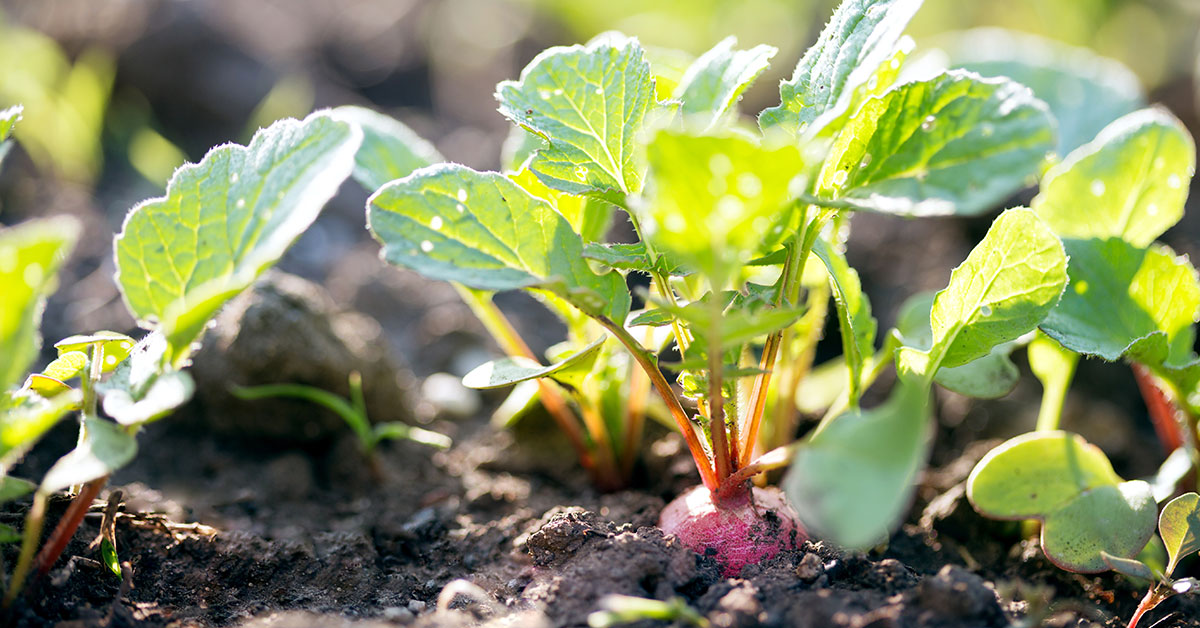

Radishes, with their vibrant colors and crisp, peppery flavors, are a favorite addition to salads, sandwiches, and even pickling jars. As a gardener, you know that growing these root vegetables requires a careful balance of nutrients to ensure optimal growth and flavor development. While radishes are generally considered easy to grow, choosing the right fertilizer can make a significant difference in their overall health and productivity. In this article, we will explore the various types of fertilizers available and delve into the specific requirements of radishes, helping you select the best fertilizer for radishes to maximize your harvest and savor the delicious rewards of your gardening efforts.
Whether you are a seasoned gardener or a beginner, this guide will equip you with the knowledge you need to nourish your radishes and achieve bountiful, flavorful results.
Do radishes need to be fertilized?
Radish plants can benefit from fertilization for optimal growth. Like most plants, radishes require essential nutrients to thrive and produce healthy roots. Fertilizing radishes can help provide these nutrients and promote vigorous growth. Before planting radishes, it’s recommended to prepare the soil by incorporating organic matter, such as compost or well-rotted manure. This helps improve soil fertility and structure, providing a good foundation for the plants.
During the growing season, radishes can be fertilized with a balanced fertilizer that contains nitrogen (N), phosphorus (P), and potassium (K). Nitrogen promotes leafy growth, phosphorus supports root development, and potassium aids in overall plant health and disease resistance. When applying fertilizer, it’s important to follow the manufacturer’s instructions and avoid over-fertilization, as this can lead to excessive foliage growth at the expense of root development.
A general guideline is to apply a balanced fertilizer at a rate of 1-2 pounds per 100 square feet of garden area. Alternatively, you can use organic fertilizers like fish emulsion, bone meal, or compost tea, which provide slow-release nutrients and improve soil health over time. These organic options can be applied according to the package instructions or as recommended for specific products. Regular watering is also crucial for radish growth, as it helps nutrients reach the roots effectively.
Ensure the plants receive adequate moisture, especially during dry periods, but avoid overwatering, as it can lead to root rot. Overall, while radishes can grow in relatively poor soil conditions, fertilization can enhance their growth and yield, resulting in healthier and more flavorful radishes.
The best fertilizer for radishes
For growing radishes, a balanced fertilizer with equal amounts of nitrogen (N), phosphorus (P), and potassium (K) is generally recommended. Look for a fertilizer with an NPK ratio of 10-10-10 or 14-14-14. This will provide a good balance of nutrients to support healthy growth and development of radishes.
Additionally, radishes prefer a slightly acidic soil pH between 5.8 and 6.8. If your soil pH is not within this range, you may need to adjust it using soil amendments such as sulfur or lime. A soil pH test can help determine the current pH level of your soil.
It’s important to follow the instructions on the fertilizer packaging for application rates and timing. Generally, you can apply the fertilizer before planting the radish seeds or as a side dressing around the plants once they have germinated. Be careful not to over-fertilize, as this can lead to excessive foliage growth at the expense of root development.
Remember to water the radishes regularly and provide adequate sunlight for optimal growth.
When to fertilize radishes
The ideal time to fertilize radish plants is before planting, during the preparation of the soil. Radishes are fast-growing vegetables, and they have a short growing season. Therefore, it is important to provide them with the necessary nutrients from the beginning.
Before planting radishes, incorporate well-rotted compost or organic matter into the soil. This will help improve the soil structure and provide essential nutrients. Additionally, you can add a balanced granular fertilizer, such as a 10-10-10 or 14-14-14, following the recommended application rates on the package.
It is important to avoid over-fertilizing radishes, as excessive nitrogen can lead to lush foliage growth at the expense of root development. This can result in radishes with small or poorly formed roots. Therefore, it is best to provide a moderate amount of fertilizer at the time of planting and rely on the organic matter in the soil to supply additional nutrients throughout the growing season.
If you notice any signs of nutrient deficiency, such as yellowing leaves or stunted growth, you can apply a side dressing of a balanced fertilizer around the base of the plants about three weeks after planting. However, in most cases, radishes do not require additional fertilization once they are established.
Remember to always follow the instructions on the fertilizer package and adjust the application rates based on your specific soil conditions and the needs of your radish plants.
Common issues with fertilizing radishes
When fertilizing radishes, there are a few common issues or problems that can arise:
- Over-fertilization: Applying too much fertilizer can lead to excessive vegetative growth at the expense of root development. This can result in radishes with large leaves but small or poorly formed roots. It is important to follow the recommended dosage and application instructions on the fertilizer packaging.
- Imbalanced nutrients: Radishes require a balanced supply of nutrients for optimal growth. If the fertilizer used is lacking in certain essential nutrients, it can lead to nutrient deficiencies and affect the overall health and development of the radishes. It is recommended to use a balanced fertilizer specifically formulated for vegetables or root crops.
- Nitrogen excess: Radishes are quick-growing plants that do not require excessive amounts of nitrogen. High levels of nitrogen can promote lush foliage growth but hinder root development. This can result in radishes with large, leafy tops and small, underdeveloped roots. It is advisable to choose a fertilizer with a lower nitrogen content or use a slow-release fertilizer to prevent nitrogen excess.
- Phosphorus deficiency: Phosphorus is crucial for root development and overall plant health. A deficiency in phosphorus can lead to stunted growth and poorly formed radish roots. To avoid this, choose a fertilizer with a higher phosphorus content or add phosphorus-rich amendments, such as bone meal, to the soil before planting.
- Improper timing: Applying fertilizer at the wrong time can also cause issues. It is best to fertilize radishes at planting time or when they have reached the two-leaf stage. Applying fertilizer too late in the growing season may result in excessive foliage growth and delayed or stunted root development.
To ensure healthy radish growth, it is essential to monitor the nutrient levels in the soil, follow recommended fertilizer application rates, and address any nutrient deficiencies or imbalances promptly. Regular soil testing can help determine the specific nutrient needs of your radishes and guide your fertilization practices.