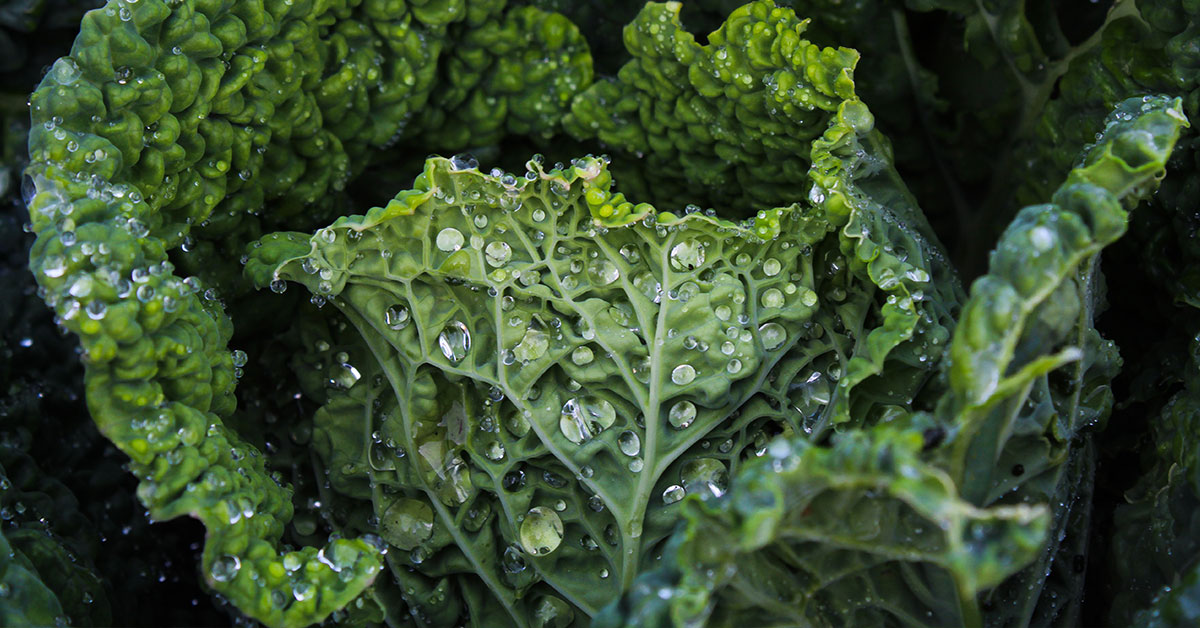

Kale, a leafy green vegetable packed with essential nutrients, has gained immense popularity among health-conscious individuals and culinary enthusiasts alike. Whether you are growing kale in your backyard garden or tending to a small indoor patch, providing the right nutrients is crucial for its growth and overall health. Fertilizers play a vital role in supplying the necessary elements to support kale’s vigorous growth, enhance its flavor, and increase its nutritional value. In this article, we will explore the best fertilizer for kale, considering factors such as nutrient composition, organic options, and application methods.
By understanding the importance of proper fertilization, you can ensure your kale plants thrive, producing an abundance of vibrant, nutrient-rich leaves for your enjoyment.
Does kale need to be fertilized?
Kale plants do require fertilization for optimal growth. Like most leafy green vegetables, kale is a heavy feeder and needs a nutrient-rich soil to thrive. Fertilizing kale helps provide the necessary nutrients for healthy leaf development and overall plant growth. Before planting kale, it is recommended to amend the soil with organic matter such as compost or well-rotted manure. This helps improve soil fertility and nutrient content.
Additionally, incorporating a balanced slow-release fertilizer into the soil during planting can provide a steady supply of nutrients throughout the growing season. During the growing season, it is beneficial to side-dress kale plants with a nitrogen-rich fertilizer every 4-6 weeks. This can be done by applying a granular fertilizer around the base of the plants, following the recommended application rates on the fertilizer packaging.
Alternatively, you can use organic fertilizers such as fish emulsion or seaweed extract, which are also rich in nitrogen. It is important not to over-fertilize kale, as excessive nitrogen can lead to lush foliage but reduced flavor. Always follow the instructions on the fertilizer packaging and monitor the plants for any signs of nutrient deficiencies or excesses. Regularly watering the plants and providing adequate sunlight are also crucial for optimal growth and nutrient uptake.
The best fertilizer for kale
The best fertilizer for growing kale is one that is rich in nitrogen, as kale is a leafy green vegetable that requires ample nitrogen for healthy growth and leaf development. A balanced fertilizer with a higher nitrogen content, such as a 10-10-10 or 20-10-10 NPK (nitrogen, phosphorus, potassium) ratio, is usually recommended for kale.
Additionally, organic fertilizers like compost or well-rotted manure can also be beneficial for providing a slow-release source of nutrients to the plants. It is important to follow the instructions on the fertilizer packaging and apply it according to the recommended rates for optimal results.
When to fertilize kale
The ideal time to fertilize Kale plants is before planting or during the early stages of growth. Prior to planting, you can incorporate well-rotted compost or organic matter into the soil to provide a nutrient-rich environment for the plants. If you are using a chemical fertilizer, it is recommended to apply it a few weeks before planting to allow it to break down and become available to the plants.
During the early stages of growth, when the Kale plants have established themselves and started to develop their leaves, you can apply a balanced fertilizer. Look for a fertilizer with an NPK ratio (nitrogen, phosphorus, and potassium) of around 10-10-10 or similar. This will provide a good mix of nutrients to support healthy growth.
It’s important to follow the instructions on the fertilizer packaging for the correct application rate. Over-fertilizing can lead to excessive leaf growth and reduced flavor in Kale. Additionally, make sure to water the plants after fertilizing to help the nutrients reach the root zone.
As the plants continue to grow, you can consider side-dressing with a nitrogen-rich fertilizer, such as blood meal or fish emulsion, to promote leafy growth. However, be cautious not to over-fertilize, as it can lead to imbalanced growth and reduced plant health.
Common issues with fertilizing kale
When fertilizing kale, there are a few common issues or problems that can arise:
- Over-fertilization: Applying too much fertilizer can lead to excessive nutrient uptake by the kale plants, resulting in nutrient burn. This can cause leaf discoloration, wilting, and stunted growth. It is important to follow the recommended dosage and application instructions provided by the fertilizer manufacturer.
- Under-fertilization: Insufficient fertilization can result in nutrient deficiencies, which can manifest as yellowing leaves, slow growth, and poor overall plant health. It is essential to provide kale plants with the necessary nutrients to support their growth and development.
- Imbalanced nutrient ratios: Different fertilizers contain varying ratios of essential nutrients such as nitrogen (N), phosphorus (P), and potassium (K). Imbalanced nutrient ratios can affect the overall health and productivity of kale plants. For example, excessive nitrogen can promote leafy growth but hinder fruit or flower development. It is crucial to choose a fertilizer with a balanced nutrient ratio suitable for kale.
- Incorrect timing of fertilization: Timing is crucial when it comes to fertilizing kale. Applying fertilizer too early or too late in the growing season can have adverse effects on plant growth and development. It is best to follow the recommended fertilization schedule for kale, which typically involves applying fertilizer at planting and then periodically throughout the growing season.
- Inadequate soil preparation: Before planting kale, it is essential to prepare the soil adequately. Poor soil quality, lack of organic matter, or improper pH levels can hinder nutrient uptake by the plants, even with proper fertilization. Conducting a soil test and amending the soil as necessary can help create an optimal growing environment for kale.
To avoid these issues, it is advisable to read and follow the instructions provided by the fertilizer manufacturer, monitor the plants for any signs of nutrient deficiencies or excesses, and adjust the fertilization practices accordingly.